Русский








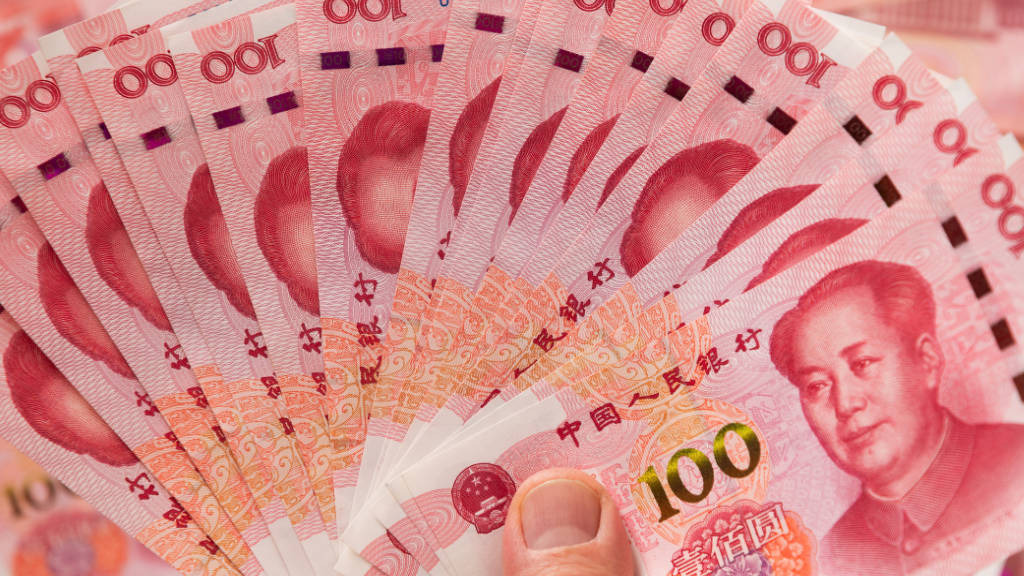

The Russian Finance Ministry is considering the possibility of a new placement of yuan-denominated Federal Loan Bonds (OFZ) at a time close to the May redemption of sovereign Eurobonds, but it may enter the market later depending on market conditions, the head of the ministry’s State Debt Department, Denis Mamonov, has stated.
The Finance Ministry placed two debut issues of OFZ denominated in yuan last December. Investors were offered bonds with maturities of 3.2 years and 7.5 years. The size of the issue maturing in February 2029 amounted to ¥12 billion (US$1.76 billion), and the issue maturing in June 2033 amounted to ¥8 billion (US$1.17 billion).
Coupon rates were set at 6% and 7% per annum, respectively. The Finance Ministry placed the new instrument simultaneously with the redemption of a sovereign Eurobond issue in euros and the replacement bonds for it, which allowed investors to switch to yuan-denominated OFZ.
Mamonov said, “We don’t really need the yuan as a currency in the budget. We have no expenses in yuan that would require us to raise liquidity in that currency. And what we have done and plan to continue doing, we are doing essentially to solve the problem of market development, rather than to meet our budget needs. Because these amounts are incomparable [with ruble borrowings], these are a few percentage points of the total program.” He was speaking at the “Horizons of the Future: Challenges of 2026 for Capital Markets and Opportunities for Investors” conference.
Mamonov added that when the Finance Ministry decided to enter this market, it set several tasks—to create a high-quality instrument with good pricing, to build a curve in a new currency, and also to carry out the placement on a high-quality investor base. “Accordingly, that is how we think about it, and that is how we will make a decision—whether to go out in May, or June, or August. It is clear that May is the time when we have sovereign bonds in unfriendly currencies maturing. And we have said in general that our philosophy is to allow people to replace an instrument in an unfriendly currency with an instrument in yuan. And we planned the December deal chronologically for this redemption in particular. It is clear that we must take into account both market conditions and the situation in the yuan liquidity market in general. So we’ll see; if the market wants this instrument, liquidity allows it, and we understand that we can do a good deal, we will do it. If not, I don’t see anything wrong with postponing it for a couple of months. So we will wait for a good window of opportunity; we have the task of developing the instrument.”
He recalled that the ministry plans to add two more points to the curve—five and ten years. “If we can do that this year, then I will consider that we have done well with yuan-denominated OFZ. Whether the market will allow us to do that, time will tell.”