
 Русский





With Western sanctions on Russia showcasing Russian weaknesses in certain supply chain product sectors, Russian Oligarchs have been taking up the challenge and investing in areas where Russia is over-reliant on imports, and especially from the West.
One recent example in the decision to invest ₽7.2 billion (US$100 million) in an amino acid agricultural feed production plant in Russia’s Bashkortostan Republic. About 50% of Russia’s total annual need for amino acids is currently imported from overseas.
Amino acids and peptides can increase macronutrient and micronutrient concentrations of leaves and grain protein content. They influence shoot and root growth and improve the resistance of plants to various stresses, stimulating lateral root growth and final yield. This is important as Russia is the world’s largest producer of grain with substantial export markets.
The investor is Continent LLC, owned by St. Petersburg based Rinat Gabidullin. According to the Russian agricultural ministry, “Continent plans to invest funds towards constructing a modern complex for producing feed microbiological protein, amino acids and vitamins. The launch of the new enterprise will create 250 jobs.”
The project has received priority status with the possibility of providing regional tax benefits. Corporate profits tax in Russia is also lower than in the West.
The new production facility will focus on deep processing of grain. It is planned that raw materials will be supplied by large grain crop producers in the Sterlitamak district of Bashkortostan and the surrounding area.
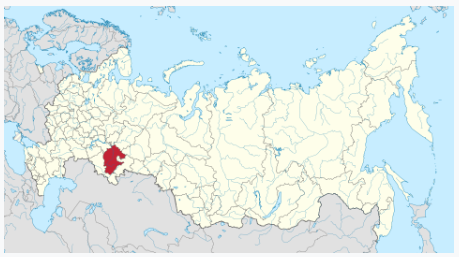
Continent LLC was registered in Bashkortostan at the end of 2018. It is engaged in the production of feed microbiological protein, premixes, feed vitamins, antibiotics, amino acids and enzymes.
The example illustrates the profound shift from Russian investors placing their capital overseas, to now being encouraged – due to both Western sanctions, unfriendliness and overall harassment – to invest in critical elements of the Russian economy – with tangible financial benefits and less risk in doing so.
There are other examples, such as Russian owned companies shifting their domiciles from Europe back to Russia, including case studies here, here, here, and here.