 Русский








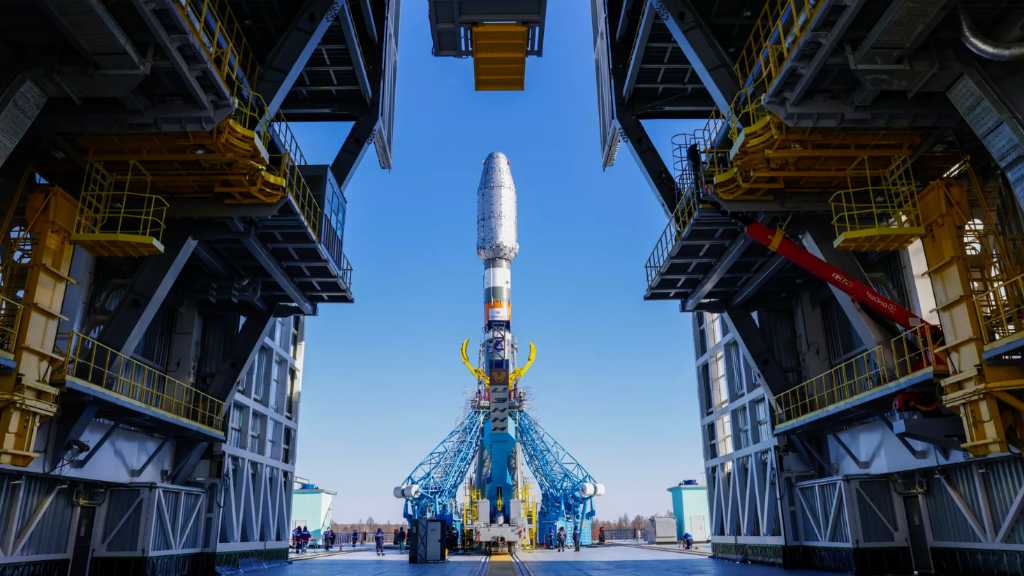

Following in the footsteps of Elon Musk’s SpaceX, private Russian space company Space Energy is at the preliminary stage of signing an agreement for the implementation of Russia’s first private spaceport project and is holding regular working consultations with the Russian authorities, Space Energy CEO Georgy Yemelin has said. Participants include the government of the Primorsky Region, representatives of the Russian president’s plenipotentiary office in the Far Eastern Federal District, as well as relevant federal agencies.
Yemelin said, “As of today, fundamental agreements on the implementation of the private spaceport construction project have been reached.” At present, the key objective is to determine the optimal site for its location. Together with regional and federal authorities, we are conducting regular working consultations to review possible locations and the parameters of the future facility.”
According to Yemelin, once potential sites are identified, specialists will begin engineering and geodetic surveys, as well as soil assessments, to confirm the feasibility of locating a launch complex there.
He added that “this work is scheduled to begin within one to two weeks after promising construction locations are identified.” We are also considering the possibility of locating the facility in an area covered by existing state support measures for investment projects, including advanced special economic development territories. The project is being implemented in close cooperation with relevant regulators and authorities at all levels to ensure compliance with the necessary safety, environmental, and urban planning requirements.”
Space Energy is a private space company focused on creating its own space products. The company’s priority areas include the development of launch vehicles and satellite platforms for small spacecraft, as well as orbital satellite constellations for data transmission.
The project represents a major shift from state-run space infrastructure toward independent commercial spaceflight. The geographic positioning allows for highly efficient launch trajectories over the Pacific Ocean, minimizing risks associated with rocket stages falling near populated zones, with the spaceport optimized for ultra-light and light-class rockets. It is designed primarily to host launches of the company’s proprietary Orbita launch vehicle, which can carry up to 250 kilograms into low Earth orbit and 150 kilograms into sun-synchronous orbit.
Space Energy aims to achieve its first orbital launch by late 2026 or early 2027. Capacity: Once fully operational, the site aims to support up to 50 launches per year, providing dedicated access for Earth observation and IoT constellations.