Русский







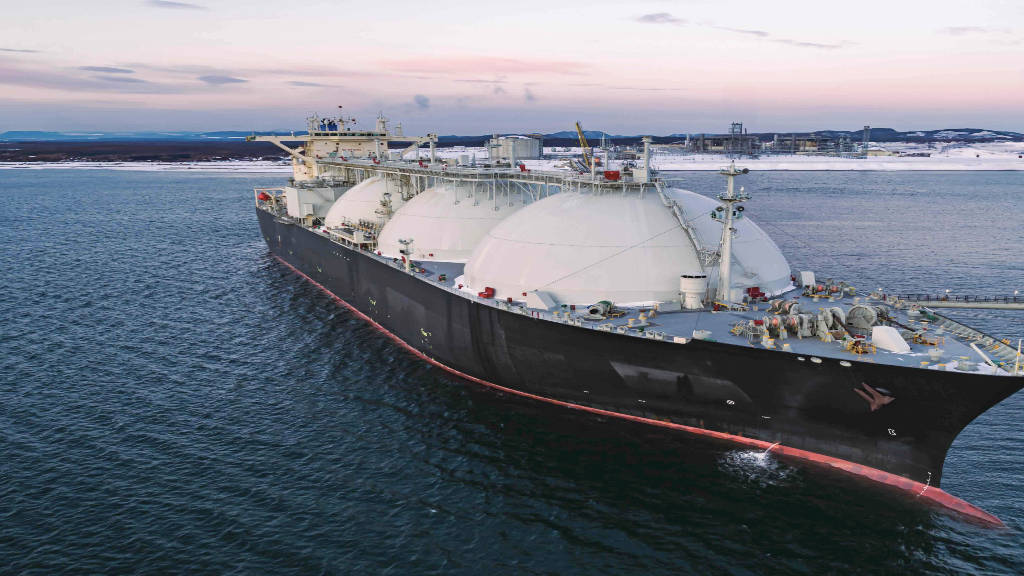

Russia’s Novatek is in negotiations on supplying LNG to Turkey, the chairman of Novatek’s management board, Leonid Mikhelson, has stated. He was speaking at the 19th Verona Eurasian Economic Forum.
Mikhelson said “Turkiye has never faced a shortage of LNG physical volumes, but unfortunately the crisis has also affected the Turkish economy – spot energy supply contracts are always tied to the exchange price, and this has led to huge overpayments. Even before all the crises, when the spot market was just growing, we always urged the preservation of long-term contracts; I am sure this is relevant for Turkiye right now.”
With the threat of sanctions hanging over purchasers of Russian energy products, buying has typically taken place on very short term needs basis, which typically means buying at the specific daily spot price. This is a more expensive way of purchasing products, including gas, and is the least desirable option for both the supplier as it makes demand difficult to forecast, and the buyer, as it is more expensive. Most EU imports of Russian LNG are also purchased on the spot market. Longer-term contracts, where the supplier has demand and volume security, are less expensive for the buyer.
Turkiye continues to receive the vast majority of its Russian gas through pipelines rather than LNG. However, state energy firm BOTAŚ extended expiring Gazprom pipeline contracts by just one year while trimming reliance on Russian gas (which fell to under 40% of Turkiye’s total gas mix.
The United States meanwhile is continuing to pressure countries to buy LNG from it rather than Russia. Turkish imports of physical US derived deliveries by the Turkish state-owned company BOTAŚ began arriving this year, with Turkiye having agreed a major 20-year agreement with U.S.-linked trading house Mercuria – exactly the type of deal Russia is looking for.
EU purchases of Russian liquefied natural gas (LNG) reached record levels in the first half of 2026 despite their emphasis on phasing out Russian supplies and their own sanctions restrictions. The EU imported a record 9.97 million metric tons of LNG from Russia’s Yamal LNG facility during the first six months of 2026, marking an 18% increase compared to the same period in 2025.
That was valued at about €6.0 billion in purchases on Yamal LNG shipments through January to June 2026. By September 2026, total spending on Russian Arctic LNG for the first nine months of the year rose to roughly €7.9 billion, with EU ports receiving over 12 million tons (an 9.5% increase year-on-year).
Spot Prices, as used by the EU to purchase LNG from Russia, are settled immediately with the full price upfront to gain the immediate physical ownership of the underlying asset. The actual price is driven purely by current, real-time supply and demand. The fiscal problem in buying via spot market prices is that global LNG prices have surged in 2026, primarily driven by supply disruptions stemming from the Middle East conflict and the restriction of flows through the Strait of Hormuz.
By October 2026, LNG prices climbed to US$29.30 per million thermal units (mmBtu) by mid-October 2026—nearly triple the US$10.40/mmBtu level recorded in late February.
The EU has been buying LNG from Russia by using spot prices instead of long term contracts for many years, costing its exchequer tens of billions of euros. Brussels has now gone a step further and introduced measures to implement a full bloc-wide ban on all Russian LNG, including that purchased via the spot price method, from January 1, 2027. It remains unclear where alternative supplies will come from, or how politicians can continue to justify their spot price policies when cheaper purchasing alternatives have long been available. The eventual Turkish decision will therefore be an interesting one to watch.