 Русский




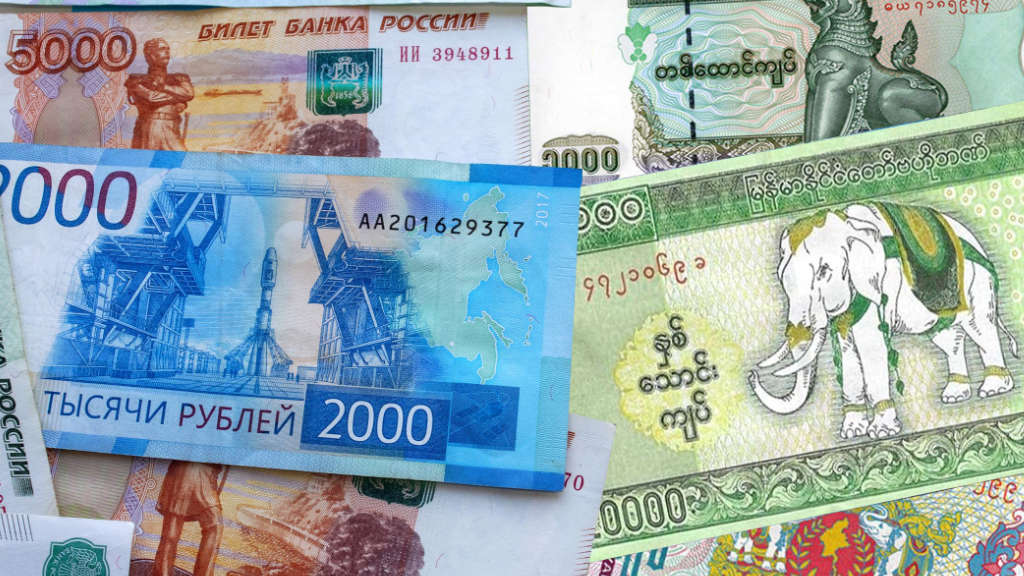

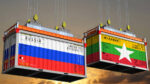
Sberbank has completed preparations for launching a mechanism of direct settlements with Myanmar, the bank has announced.
It stated that “This is the creation of a full-fledged infrastructure to support major state contracts and commodity flows. The focus of the new initiative is the transition from disparate operations to comprehensive servicing of flows between the countries. It is planned that settlements for supplying energy resources and air navigation services will pass through Sberbank’s infrastructure. Settlements for commodity exports and imports of agricultural products, fertilizers and mechanical engineering will also pass through it.”
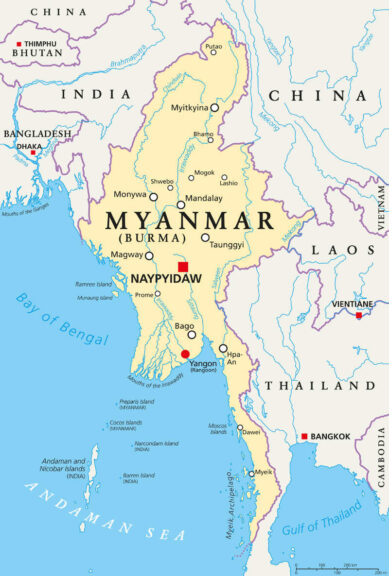
A key element of the scheme is Sberbank’s Indian branch. The infrastructure opens access to making payments in Indian rupees and connects Myanmar companies not only with Russia but also with the markets of India and the countries of the Commonwealth of Independent States (CIS).
These moves also completely avoid the need to use the SWIFT financial settlements system or the US dollar in settlements.
Russian Economic Development Minister Maxim Reshetnikov said on Monday (October 5) during a meeting of the Russian-Myanmar commission on trade and economic cooperation that “The agreements reached are an important signal to companies about the emergence of a reliable settlement channel, which is critically important for expanding trade ties and implementing investment projects of the two countries.”
Like Russia, Myanmar has been heavily sanctioned, and this too has hindered its natural development. Its GDP is currently US$293.3 billion in PPP terms, generated from a population of 55.3 million. To compare, fellow ASEAN member Malaysia has a population of 36.5 million and a GDP (PPP) of US$1.76 trillion. Getting productivity into Myanmar is a key development issue.
Russia and Myanmar have been expanding their bilateral trade and economic ties through long-term commodity agreements, joint infrastructure projects, and now this alternative settlement mechanism. Bilateral trade turnover has been scaling up, with total trade value near US$2 billion in 2025. As an example of the growth potential, Russian exports of fertilizers are up more than 3000% this year.
Agriculture is the main industry in Myanmar, with about 25% of its total GDP generated from food crops, including rice, beans, corn, jute, cotton, and rubber plants, with livestock, poultry, and marine fisheries also developed. It also has a significant oil and gas industry, accounting for a further 15%. The main problem Myanmar faces is a lack of infrastructure—much of its population is subsistence farming, and it needs to scale this up. The fact that Russia has massively increased its fertilizer exports suggests this is now happening.