 Русский






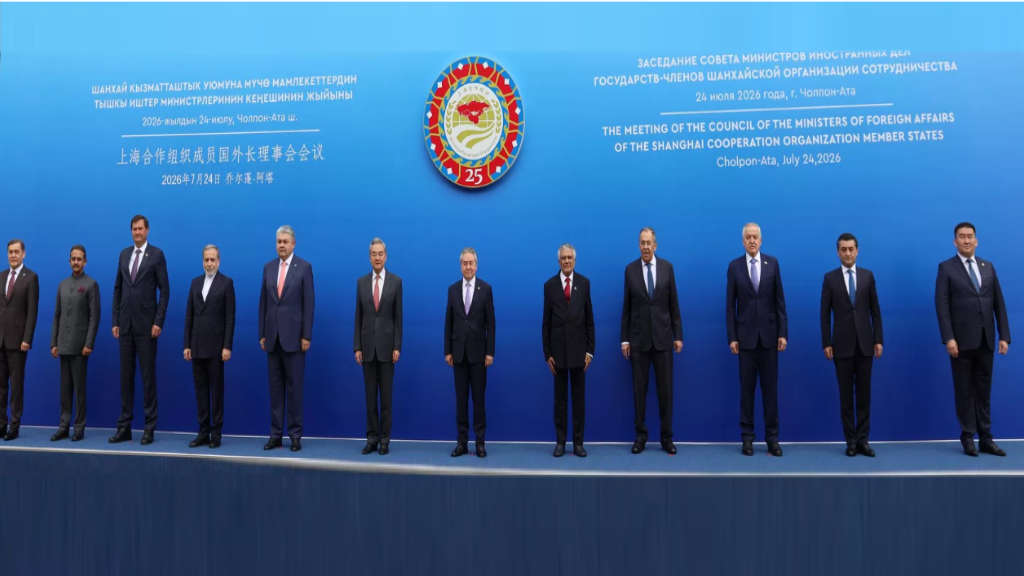

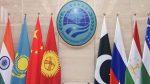
The Shanghai Cooperation Organization (SCO) has reached an inflection point. For much of its first quarter-century, analysts viewed it primarily through the prism of regional security, counterterrorism and geopolitical balancing. The outcome of the July 23-24 Council of Foreign Ministers (CFM) meeting in Cholpon-Ata, Kyrgyzstan, however, suggests that this interpretation is increasingly outdated. Rather than producing another routine diplomatic communique, the ministers approved a package of 25 documents under nine key decisions that collectively point toward a broader institutional transformation. The package is designed to be endorsed by the SCO Heads of State Summit in Bishkek on August 31-September 1, marking the organization’s 25th anniversary. The meeting adopted a joint communique and statement of the Council of the Ministers of Foreign Affairs of SCO Member States and signed relevant resolutions on preparations for the SCO Bishkek Summit.
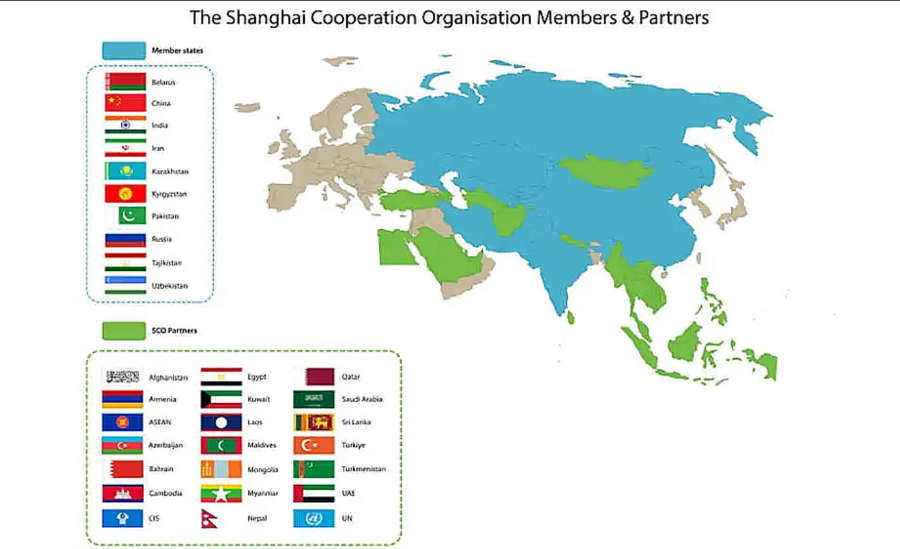
The significance of these measures should not be under-estimated. The Shanghai Cooperation Organisation (SCO) is a ten-member political, economic, and international security group that began in 1996 to settle border disputes after the Soviet Union collapsed and the Cold War ended, most notably to keep an eye on what was happening in Afghanistan. Reflecting that initial purpose, it was originally named the Shanghai Five and included Russia, Kazakhstan, China, Kyrgyzstan, and Tajikistan. In 2001 it renamed itself the Shanghai Cooperation Organisation (SCO) and included Uzbekistan. India and Pakistan were part of its 2017 expansion, with Iran added in 2023 and Belarus in 2024. The SCO also has numerous key partners, including Saudi Arabia, the United Arab Emirates, and Turkiye.
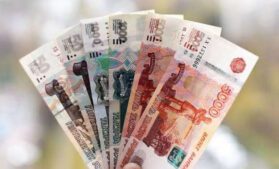
Today, the SCO full members represent 43% of the world’s total population and about 23% of global economic output (GDP). It has morphed from what was purely a group with a security remit to prevent Islamic fundamentalism from spreading further into Asia, into the Asian nations, as members now realize an opportunity they had never previously imagined: an economic future that doesn’t depend on the financial infrastructure of the United States, and the declining role of the US in Eurasian affairs. That has been more than adequately displayed by the Russian ruble – rather than being turned into ‘rubble’ as ex-President Biden crassly stated – it has instead performed strongly as a top global currency. It surged 45% against the U.S. dollar in 2025 and has extended gains by roughly 12% further into mid-2026.
The United States as a declining force in Eurasian affairs can be seen in the chaotic and humbling withdrawal of the US military from Afghanistan in 2021, and more recently, the US inability to bend Iran to its wishes.
The signing of the Protocol on Amendments and Additions to the SCO Charter, as well as the approval of regulations governing the activities of the Universal Centre for Countering Security Challenges and Threats and the Anti-Drug Centre, will be of particular importance for advancing efforts to improve the SCO’s work. Ministers will also adopt a number of thematic documents covering security, artificial intelligence, transport, energy, climate change, environmental protection, healthcare, education, support for family values, and other areas. In line with established practice, the Bishkek Declaration will reflect the parties’ agreed approaches to the organisation’s development, as well as their stance on current global and regional issues.
The significance of these documents lies in the architecture they collectively create. Security remains central, but it is increasingly becoming an enabling condition for economic integration. The agenda now extends to transport corridors, digitalization, energy cooperation, artificial intelligence, infrastructure financing, payment systems, investment, climate cooperation, healthcare, education and institutional reform. The cumulative effect is to move the SCO closer to becoming Eurasia’s principal platform for coordinating trade, finance and connectivity across one of the world’s largest economic regions.
This evolution reflects changing economic realities. Some SCO institutional mechanisms have lagged behind its economic potential. The Cholpon-Ata meeting indicates that members increasingly recognize this gap and are attempting to build the institutions necessary to unlock it.
Twenty-Five SCO Documents That Matter

Much attention has focused on the number of documents approved. Their importance, however, lies in their composition.
This includes draft decisions, protocols, memoranda, action plans and political statements covering five broad pillars: organizational reform; security cooperation; economic and trade integration; transport and infrastructure; and technological cooperation, including artificial intelligence and digital transformation. Additional documents concern energy, climate policy, environmental protection, healthcare, education and family policy, illustrating how the SCO’s agenda has expanded far beyond traditional security cooperation.
Equally important are proposed amendments to the SCO Charter alongside new regulations governing the Universal Centre for Countering Security Challenges and Threats and the Anti-Drug Centre. Institutional modernization rarely attracts headlines, yet these reforms provide the governance mechanisms necessary for implementing increasingly complex cross-border economic initiatives.
Unlike previous ministerial meetings that often emphasized declarations of intent, the Cholpon-Ata package demonstrates a greater focus on implementation. Action plans, protocols and institutional reforms indicate that member states are shifting from discussing cooperation to creating mechanisms capable of delivering it.
Economic Cooperation Has Become the Core Narrative
The Russian Foreign Minister Sergey Lavrov’s participation reflected this changing emphasis. Although security remained prominent, discussions consistently linked regional stability with sustainable economic development, infrastructure connectivity and trade expansion. The ministers repeatedly stressed that strengthening cooperation within the organization is essential for building an equitable security architecture while simultaneously promoting sustainable development throughout Eurasia.
Overall Intra-SCO Trade & Investment Overview
| Metric | Recent Value / Statistic |
| Intra-SCO Exports Volume | $725 Billion |
| Share of Intra-SCO Trade | 15.3% of total member exports |
| China Direct Investment in SCO States | >$40 Billion |
| SCO Combined GDP Share | 35%-40% of Global GDP |
| Settlements in Local Currencies (Russia-SCO) | Exceeds 97% |
The meeting agenda illustrates this shift clearly. Trade and economic cooperation appeared alongside transport communications, energy, digitalization, infrastructure investment and logistics. Ministers reviewed preparations for future projects while also discussing practical mechanisms to finance them. This demonstrates that economic cooperation is no longer treated as an auxiliary component of the SCO but increasingly constitutes one of its principal missions.
This evolution also corresponds with broader geopolitical realities. Western sanctions, financial fragmentation, disrupted supply chains and increasing geopolitical competition have elevated the strategic importance of regional economic resilience. Rather than relying exclusively on global financial institutions or traditional transport routes, SCO members are attempting to construct complementary regional mechanisms that reduce external vulnerabilities while facilitating trade among themselves.
General Bilateral Trade Profile Among SCO Member States
| SCO Member Country | Total Trade with SCO Partners (Est. Annual USD) | Primary Exports to SCO | Main SCO Import Partners |
| China | $512 Billion | Machinery, Electricals, Vehicles, Textiles | Russia, India, Kazakhstan |
| Russia | $409 Billion | Energy (Oil & Gas), Fertilizers, Metals | China, India, Belarus, Kazakhstan |
| India | $100+ Billion | Refined Oil, Pharmaceuticals, Agriculture | China, Russia |
| Belarus | $55 Billion | Heavy Transport, Machinery, Fertilizer | Russia, China |
| Kazakhstan | $45 Billion | Crude Oil, Uranium, Metals, Wheat | Russia, China, Uzbekistan |
| Uzbekistan | $25 Billion | Gold, Textiles, Gas, Fruit/Vegetables | China, Russia, Kazakhstan |
| Iran | $40 Billion | Petrochemicals, Minerals, Agricultural Goods | China, Russia, India |
| Kyrgyzstan | $12 Billion | Precious Metals, Garments, Agricultural Produce | China, Russia, Kazakhstan |
| Tajikistan | $5 Billion | Aluminum, Cotton, Electricity, Ores | Russia, China, Kazakhstan |
| Pakistan | $20 Billion | Textiles, Agricultural Products, Rice | China, Russia |
Introducing The SCO Development Bank
Recent SCO prioritization and engagement efforts suggest that the organization is increasingly focusing on strengthening collaboration with financial institutions. Perhaps the most consequential economic issue discussed in Cholpon-Ata was the continuing progress toward establishing an SCO Development Bank.
Official statements seem to confirm that consultations are advancing to establish a financial institution capable of supporting joint investment, infrastructure construction and transport-logistics projects throughout the SCO region. While discussions remain ongoing, the very fact that the proposal has moved onto the ministers’ formal economic agenda indicates growing political momentum.
On May 28, the Third Consultation Meeting on the SCO Development Bank was held in Bishkek, where delegates from 20 countries and the SCO Secretariat reaffirmed their commitment to advancing consultations on the bank’s establishment and agreed to report progress to the SCO Finance Ministers and Central Bank Governors Meeting. The initiative builds on the political consensus reached at the 25th SCO Council of Heads of State in Tianjin on September 1, 2025, which decided to establish the SCO Development Bank and intensify consultations on its institutional framework and operations. On July 2, the 22nd meeting of the Council of the SCO Interbank Association (IBA) was held in Cholpon-Ata, bringing together heads of IBA member banks, a delegation from the SCO Secretariat, and representatives of an Iranian financial institution to discuss strengthening interbank cooperation, expanding joint financing instruments, and enhancing investment collaboration. During the meeting, participants adopted the SCO IBA Development Strategy for 2027-2031 and established a working group on ESG, sustainable, and socially inclusive financing, reflecting the SCO’s growing emphasis on financial cooperation and sustainable development.
Why Another Bank?
The strategic rationale is compelling. The SCO includes economies with enormous infrastructure requirements, expanding industrial capacity and rapidly growing cross-border trade. Yet financing often depends on a fragmented combination of national development banks, bilateral credit arrangements and multilateral institutions whose priorities may not always align with regional needs.
An SCO Development Bank could fundamentally alter this landscape. Rather than merely providing loans, it could standardize project financing across multiple jurisdictions, reduce transaction costs for multinational infrastructure projects, coordinate investment priorities, mobilize regional capital and facilitate long-term financing denominated increasingly in national currencies. Such a mechanism would support railway modernization, logistics hubs, industrial parks, digital infrastructure, energy interconnections and cross-border manufacturing networks spanning Eurasia. Equally important, the proposed bank would complement, not necessarily replace, existing institutions such as the Asian Infrastructure Investment Bank, the Eurasian Development Bank and the (BRICS) New Development Bank while focusing specifically on projects involving SCO members.
Financial Infrastructure Is Becoming the New Battleground of Eurasian Integration

The Cholpon-Ata discussions have built on Russia’s initiatives launched during the November 2025 SCO Heads of Government meeting in Moscow, where Prime Minister Mikhail Mishustin announced the formation of an expert group dedicated to developing an independent financial infrastructure within the organization. President Vladimir Putin simultaneously emphasized the importance of stable payment channels, settlement systems, mutually recognized credit ratings and consultations regarding the future SCO Development Bank.
As global trade is politicized, sanctioned, and tariffed, it has become imperative that non-Western bloc countries develop alternative payment systems to Western controlled ones. Moscow in particular has pushed for dedicated SCO payment, settlement, and depository networks, alongside the proposed joint investment SCO bank, to protect commercial exchanges from external disruptions.
Russia’s trade turnover with SCO countries reached $409 billion in 2024, continuing its upward trajectory despite global disruptions. Common indicators suggest these figures are likely to be even larger by the end of 2026. Trade growth between Russia and the SCO spiked to 37% in 2023, and 35% in 2024, while agricultural product exchange between Russia and SCO counterparts expanded by 17% in 2025. This suggests that it is not unreasonable to assume that further 20% growth is likely to have occurred in both 2025 and 2026. If correct, that would put Russian trade with SCO members at about $572.6 billion by this year end.
Russia’s 2024 Trade Turnover with SCO Member States
| Country | Russia Bilateral Trade Turnover (USD) | Key Traded Goods |
| China | $240 Billion | Energy (Oil/Gas), Electronics, Automobiles, Machinery |
| India | $65 Billion | Crude Oil, Fertilizers, Pharmaceuticals, Agro-products |
| Belarus | $50 Billion | Heavy Machinery, Vehicles, Agricultural Products, Chemicals |
| Kazakhstan | $28 Billion | Industrial Equipment, Metals, Petroleum Products |
| Uzbekistan | $10 Billion | Textiles, Food Products, Energy Equipment, Construction |
| Iran | $4.5 Billion | Agricultural Products, Transport & Logistics Corridor (INSTC) |
| Kyrgyzstan | $3.5 Billion | Consumer Goods, Energy Resources, Metals |
| Tajikistan | $1.8 Billion | Foodstuffs, Fuel, Mining Equipment |
| Pakistan | $1.0 Billion | Agro-commodities, Energy, Textiles |
Even more significant is the structure of those transactions. More than 97% of Russia’s commercial settlements with SCO partners are already conducted in national currencies, dramatically reducing dependence on third-country financial systems.
These numbers help explain why financial infrastructure has become central to the SCO agenda. Trade cannot expand indefinitely if payment systems remain fragmented, transaction costs remain elevated and financing mechanisms remain underdeveloped. By addressing payment infrastructure, banking cooperation, settlement mechanisms and eventually development financing, the SCO is attempting to remove precisely those bottlenecks that increasingly constrain intra-regional commerce.
The emergence of these payment systems is already happening, with transactions routed not through Western-controlled mechanisms such as SWIFT and US Intermediary banks, but via national satellite telecommunications systems. Examples are the QR code payment systems already rolled out in several countries, including Indonesia, Egypt and Turkiye. This will almost certainly expand and develop and scale up to become a new global financial architecture system – with or without the West.
This institutional trajectory is also reflected in the activities of the SCO Interbank Association (IBA). Meeting in Cholpon-Ata on July 2, the Association adopted its 2027-2031 Development Strategy, established a working group on ESG and sustainable finance, expanded discussions on joint financing instruments and reaffirmed its role as the principal banking mechanism supporting government-backed investment projects across SCO member states. Pakistan will assume the Association’s chairmanship beginning in October 2026, providing further continuity between financial-sector reforms and the organization’s broader economic agenda.
Viewed collectively, the Interbank Association, the proposed SCO Development Bank, the expanding use of national currencies and ongoing work on payment infrastructure form parts of a much larger institutional ecosystem. Rather than constructing isolated financial initiatives, the SCO appears to be gradually assembling the financial architecture necessary to sustain a more integrated Eurasian economic space, one capable of financing its own infrastructure, settling its own trade and supporting increasingly sophisticated cross-border investment over the coming decade.
Economics Is Driving the SCO Agenda
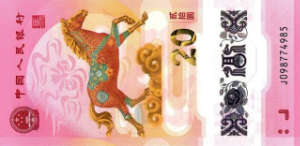
The most revealing aspect of Sergey Lavrov’s diplomacy in Cholpon-Ata was not simply the number of bilateral meetings he held, but their economic direction. While security crises from Afghanistan to the Middle East, occupied part of the discussions, nearly every bilateral engagement ultimately converged on trade expansion, investment, transport connectivity, financial cooperation and preparation for the Bishkek Heads of State Summit. The diplomatic agenda increasingly mirrors the economic priorities of the organization itself. We can note this by examining Lavrov’s discussions with other participating Foreign Ministers.
China

The meeting with Chinese Foreign Minister Wang Yi illustrated this trend most clearly. Both ministers reaffirmed the positive trajectory of Russia-China relations, reviewed implementation of agreements reached during President Vladimir Putin’s May visit to China, coordinated preparations for the upcoming SCO Summit, and discussed strengthening cooperation not only within the SCO but also BRICS, the G20 and APEC. Although Ukraine and relations with the United States were also discussed, the broader strategic message was unmistakable: Moscow and Beijing continue to view the SCO as one of the principal institutional pillars supporting the economic architecture of Greater Eurasia.
Russia’s partnership with China remains the economic backbone of the SCO. Bilateral trade exceeded $240 billion in 2024, representing well over half of Russia’s $409 billion trade turnover with all SCO members combined. China-Russia bilateral trade hit a record $134 billion in the first half of 2026, marking a 25% year-on-year increase driven heavily by crude oil shipments, machinery, and localized industrial cooperation.
Russia’s Trade Ministry have stated that Russian exports, led by oil shipments, totaled $73.6 billion during the six months. Imports from China reached about $60.6 billion, consisting primarily of machinery, equipment, and technology products. The continuing expansion of settlements in rubles and yuan, deepening energy cooperation, joint industrial investment, cross-border logistics and digital cooperation demonstrate why Moscow and Beijing increasingly treat economic sovereignty and financial resilience as inseparable from regional security. “Despite the obstacles our Western colleagues are creating, trade and economic relations are on the rise. Trade turnover increased by another 25% in the first half of this year, and it appears we’ll reach a new record by the end of the year,” Lavrov stated during talks with Wang Yi.
Iran
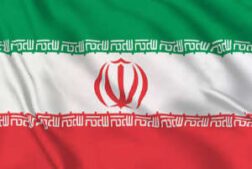
Lavrov’s meeting with Iranian Foreign Minister Abbas Araghchi also carried significant economic implications. Public attention largely focused on regional security, Persian Gulf tensions and Afghanistan. However, Iran’s active support for the proposed SCO Development Bank, its growing participation in regional financial mechanisms and its strategic geographic position linking Central Asia with the Persian Gulf make Tehran increasingly important to the organization’s long-term connectivity agenda. Iran is no longer merely a new member of the SCO; it is becoming one of its critical transit economies connecting Eurasian production centers with Middle Eastern maritime routes. Iran-Russia trade in 2026 continues to grow, targeting over $5 billion through increased agricultural exchanges, a 2025 Eurasian Economic Union free trade agreement, and expanded transport corridors, though hampered by banking hurdles and regional logistics limits. Iran plans to increase long-term trade with Russia to $30 billion.
According to Russian Ambassador Alexei Dedov, during January-April 2026, Russia-Iran bilateral trade grew by 2% despite regional disruptions, while Russian exports to Iran increased by over 56% and cargo transported through the INSTC reached 2.2 million tons, an 87% year-on-year increase. Economic cooperation continued to expand across the agricultural, food, industrial technology, and strategic defense sectors, with Russia maintaining a trade surplus by exporting grains, vegetable oils, timber, paper, machinery, and equipment, while importing Iranian vegetables, fruits, pistachios, seafood, and other goods.
While the United States seeks to cripple Iran and European countries sit on the fence, Russia is far more active. On June 19, the Governors of the Central Bank of Iran and the Central Bank of Russia met in Russia to strengthen banking cooperation, expand bilateral trade, and support the International North-South Transport Corridor through new financial arrangements. The two sides agreed to establish a permanent joint banking committee and develop independent payment channels, increase the use of national currencies, and reduce transaction costs to facilitate trade while mitigating the impact of sanctions. Following the meeting, Iran announced plans to implement new financial mechanisms aimed at removing banking barriers, improving exchange market integration, and providing greater stability and efficiency for bilateral trade.
Pakistan

Pakistan represents another increasingly significant economic partner. Deputy Prime Minister and Foreign Minister Mohammad Ishaq Dar participated actively in discussions covering regional peace, transport connectivity, economic cooperation and Pakistan’s upcoming assumption of the SCO chairmanship in 2027. Combined with Pakistan’s future chairmanship of the SCO Interbank Association beginning in October 2026, Islamabad is positioned to play a much larger role in shaping regional financial cooperation, logistics and connectivity over the coming years. Pakistan-Russia trade exceeded US$1 billion in FY2024, indicating that demand for bilateral commerce has already reached a significant level. Yet total trade fell sharply to around US$243.4 million in FY2025, largely because of Russian political annoyance over attacks on India, payment constraints, banking difficulties, shipping disruptions and financing challenges rather than actual declining commercial interest.
The growing political commitment to this vision became evident during the Pakistan-Russia Webinar on “Strengthening Trade, Education and Energy Collaboration,” on July 09 where officials, business leaders and academics from both countries discussed not only expanding bilateral trade but also building long-term institutional cooperation. The discussions covered energy, industrial cooperation, higher education, logistics, technology transfer, banking, transport connectivity and business-to-business partnerships. The centrepiece of this new phase is the decision to negotiate and implement the Programme of Economic Cooperation between the Russian Federation and Pakistan until 2030. Announcing the initiative, Pakistan’s Minister for Energy, Sardar Awais Ahmed Khan Leghari, described it as a framework designed to unlock bilateral trade while addressing longstanding structural barriers, particularly payment mechanisms, banking arrangements and logistics. As co-chair of the Pakistan-Russia Intergovernmental Commission, Leghari argued that regular engagement between the two governments had already expanded cooperation beyond energy into security consultations, strategic dialogue and multilateral coordination through organisations such as the SCO and the United Nations.
Russia’s Trade Across the SCO Continues to Diversify
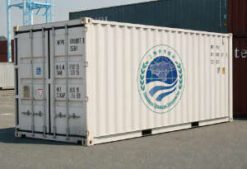
Although China dominates Russia’s trade with the SCO, the broader picture is equally significant. Russia-Kazakhstan trade continues to exceed $27 billion in 2025, making Kazakhstan Russia’s largest trading partner in Central Asia. The trade turnover between Russia and Kazakhstan in January-May 2026 increased by more than 15% and exceeded $12.2 billion. Machinery, industrial equipment, agricultural products, metallurgy, chemicals and transport equipment dominate bilateral trade, while growing cooperation on transport corridors and industrial manufacturing is steadily expanding investment opportunities.
On July 24, Lavrov and Uzbek Foreign Minister Bakhtiyor Saidov discussed bilateral, regional, and international issues and reaffirmed their commitment to strengthening the Russia-Uzbekistan comprehensive strategic partnership and alliance. Russia-Uzbekistan trade has risen beyond $10 billion, driven by machinery exports, industrial cooperation, agricultural trade, pharmaceuticals and nuclear energy projects. Uzbekistan increasingly functions as both a consumer market and a manufacturing partner for Russian companies seeking broader access to Central Asian markets. Russia-Uzbekistan trade grew by about 12% in 2025 to reach a total turnover of nearly $12.9 billion, positioning Russia as Uzbekistan’s second-largest trading partner after China. Russia and Uzbekistan outlined extensive 2026 cooperation plans targeting a $30 billion bilateral trade goal by 2030, major energy and nuclear milestones, and deeper industrial integration.
Russia-Belarus remains one of Moscow’s deepest economic partnerships, with bilateral trade surpassing $50 billion. Industrial integration, machinery manufacturing, food processing, defense industries and logistics continue to strengthen, making Belarus one of the most integrated economies within the broader Eurasian space.
Russia-Kyrgyzstan and Russia-Tajikistan maintain smaller but rapidly growing trade volumes supported by labor migration, agricultural exports, mining investment, hydropower cooperation and increasing transport connectivity. Both countries also occupy strategically important positions along emerging North-South and East-West transport corridors.
India remains another critical partner. Bilateral trade reached approximately $68.7 billion, largely driven by Russian energy exports, fertilizers, coal, diamonds and defense cooperation, while Indian exports continue diversifying into pharmaceuticals, machinery and manufactured goods. Bilateral Trade is set to reach $70B in 2026 and $100 billion in 2030. As Russian oil purchases soared, India paid $15 billion of imports in rupees over three months (March, April and May). India’s imports of petroleum products and merchandise imports from Russia have significantly grown in the first quarter of the 2026-2027 financial year, latest trade data published by the Indian Ministry of Commerce and Industry has shown. Indian merchandise imports from Russia have grown by 52.6% in April to June this year. In comparison to the same period last year. Imports from Russia touched $25.6 billion during the first three months of this financial year, up from $16.77 billion during the same period last year. At the same time, India’s import bill of petroleum, crude oil and its derivatives grew from $49.24 billion during the April-June quarter of last year to $60.62 billion this year, marking a 23.11% growth.
Taken together, these bilateral relationships demonstrate that Russia’s SCO strategy is becoming progressively diversified. While China remains indispensable, Moscow increasingly seeks to strengthen economic relations across every member state, reducing concentration risk while expanding regional supply chains.
Why the Bishkek Summit Could Become an Economic Turning Point
The Cholpon-Ata ministerial meeting served primarily as preparation for the upcoming Heads of State Summit in Bishkek. Yet the package approved by foreign ministers suggests that the summit may produce one of the most comprehensive economic agendas in the organization’s history. Leaders are expected to consider the Bishkek Declaration together with thematic statements covering transport, artificial intelligence, energy, climate policy, environmental protection, healthcare, education and organizational modernization. Collectively, these documents provide a roadmap extending well beyond traditional diplomatic cooperation.
Transport connectivity occupies a particularly important position. The SCO increasingly overlaps with multiple strategic initiatives, including China’s Belt and Road Initiative, Russia’s Greater Eurasian Partnership, the INSTC and emerging Central Asian logistics corridors. Rather than competing with these initiatives, the organization increasingly functions as an institutional coordinator linking them together.
Energy cooperation represents another area where institutional development is accelerating. Earlier in June, the Sixth Meeting of SCO Energy Ministers endorsed continued work toward an SCO Energy Consortium while advancing cooperation on energy efficiency, energy security and renewable energy projects under the organization’s Energy Strategy through 2030.
Digital transformation has become equally important. The ministers discussed artificial intelligence, digitalization and technological cooperation alongside broader innovation initiatives. These discussions complement the China-SCO Scientific, Technical and Innovation Forum held in Qingdao and the World Artificial Intelligence Conference in Shanghai, where SCO members expanded cooperation on AI governance, scientific collaboration and technology partnerships. Together, these initiatives indicate that the SCO is no longer concentrating solely on physical infrastructure. Increasingly, it seeks to construct digital infrastructure, innovation networks and technology partnerships capable of supporting long-term industrial modernization.
The Shanghai Cooperation Organisation’s Transformation Is Institutional
Many external observers continue interpreting the SCO primarily through geopolitical competition. That perspective increasingly overlooks the organization’s most significant transformation. The ministers repeatedly emphasized a multipolar international order, the central role of the United Nations and cooperation against terrorism, extremism, cybercrime and transnational threats. These positions remain integral to the SCO’s identity. However, the organization’s evolution is increasingly being driven by economics. Development banks, payment systems, transport corridors, digital governance, scientific cooperation, energy integration, interbank financing, investment platforms and national-currency settlements are precisely the institutions that determine whether regional economic integration succeeds over decades rather than years. The significance of the proposed SCO Development Bank therefore extends well beyond another multilateral financial institution. Combined with the Interbank Association, expanding local-currency settlements, Russia’s financial infrastructure initiative and growing cross-border investment mechanisms, it would provide the institutional foundation necessary for financing Eurasian development from within Eurasia itself. That is precisely why the Cholpon-Ata meeting deserves closer attention.
Its importance lies not simply in the approval of 25 documents, but in what those documents collectively represent. They illustrate that after twenty-five years of institution-building, the SCO is gradually moving beyond its original role as a regional security organization toward becoming a comprehensive economic governance platform spanning Europe, Central Asia, South Asia and East Asia. If the Bishkek Summit endorses the institutional reforms, financial initiatives and economic roadmap prepared by foreign ministers, 2026 may ultimately be remembered not as another anniversary year, but as the moment when the SCO entered a new stage of Eurasian integration—one in which financial infrastructure, investment institutions, transport connectivity and technological cooperation become as strategically important as traditional diplomacy. In that sense, the most valuable outcome of the Cholpon-Ata meeting is not any single agreement. It is the emergence of an increasingly coherent institutional ecosystem capable of supporting trade, financing infrastructure, facilitating payments, accelerating investment and strengthening economic interdependence across the world’s largest contiguous economic space. That transformation will unfold gradually, but the strategic direction is already unmistakable.
The article was written by Ms. Begum, an analyst for Russia’s Pivot To Asia. She may be reached at info@russiaspviottoasia.com