 Русский





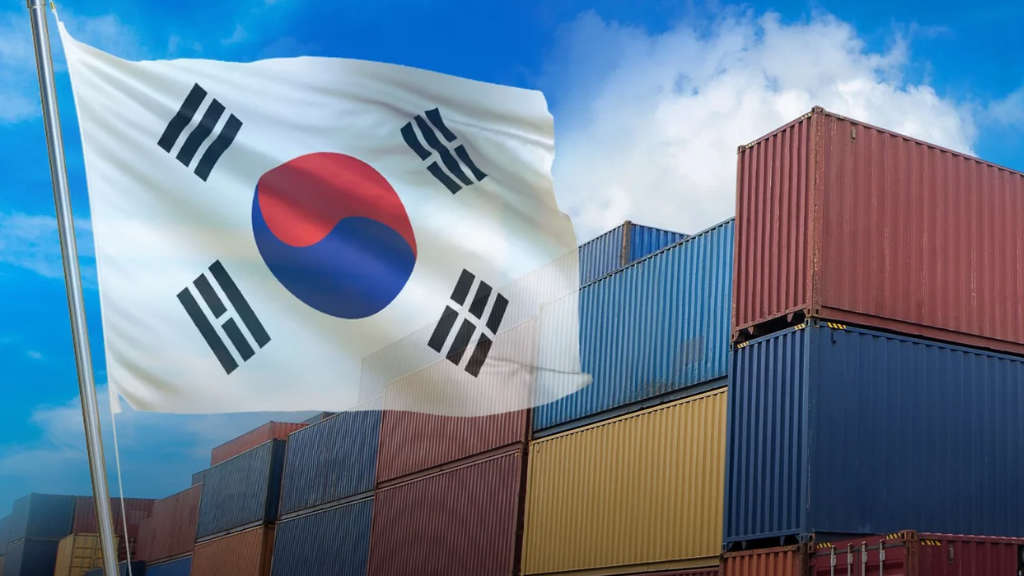

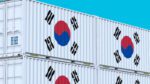
South Korea’s Yeosu Gwangyang Port Authority, the steel company POSCO Flow, Jeonnam Gwangju Unified Special City, and Gwangyang City Administration have all signed a memorandum of understanding to transform the regional Yeosu Gwangyang Port into a global energy logistics hub focused on Northern Sea Route transport.
The agreement is part of the South Korean governments state programme “Building a Korean Maritime Power Leading the Northern Sea Route Era” adopted earlier this year. Under this agreement, South Korea also plans to execute its first transit voyage to Europe via the Northern Sea Route, scheduled for August or September this year.
South Korea is aggressively pursuing a national strategy to become a leading maritime power of the Northern Sea Route. This has been underlined by the relocation of the South Korean Ministry of Oceans and Fisheries to Busan, a landmark September 2026 pilot container voyage, and specialized ice-class shipbuilding incentives.
This aims to establish a high-level Arctic Route Commission to fast-track a five-year basic infrastructure, financing, and workforce plan. They have allocated a state budget of 550 billion KRW (US$376 million) to the oceans ministry specifically to scale polar logistics capabilities. This, together with tax incentives, and vessel-purchase subsidies for shipping companies acquiring ice-class fleets and paying Russian icebreaker fees is intended to open up the NSR to the Korean and European markets.
The Panstar Group has been selected to operate an ice-class container ship test run from Busan through the Arctic, stopping at Tromsø (Norway) and proceeding to Rotterdam.
President of the Yeosu Gwangyang Port Authority, Chae Gwang Ho, said that “The Northern Sea Route represents not merely a new route, but a new growth axis that will define future supply chains and national competitiveness in Republic of Korea maritime logistics. The port of Yeosu Gwangyang possesses sufficient competitiveness to become a global energy logistics hub, relying on the country’s largest raw material and energy logistics base alongside clean fuel supply capabilities.”
Overall, under the signed memorandum, parties agreed to cooperate across several main directions: establishing an interaction framework for Northern Sea Route commercialisation; developing liquefied natural gas bunkering services; building supply chains for energy logistics; strengthening port hinterland logistics functions; expanding import and export cargo flows; and attracting shipping and cargo owning companies.
The key focus in this collaboration will be transitioning from single trial voyages to systemic development. A working group is being formed to begin developing and implementing relevant measures starting in August.
This year, South Korea passed a law promoting Arctic sea route development, under which the republic plans to become one of the first Asian states to actively utilize Northern Sea Route capabilities.