
 Русский




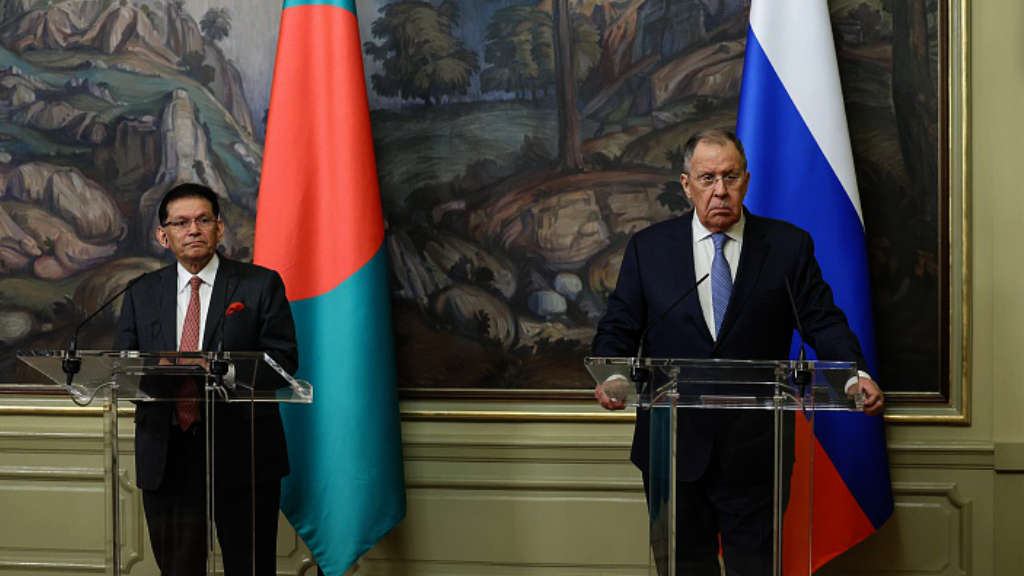

As Russia accelerates its landmark pivot toward Asia strategy, and Bangladesh searches for new engines of energy security, industrial transformation and strategic autonomy, Bangladesh Foreign Minister and President-elect of the UN General Assembly Khalilur Rahman’s Moscow visit from June 7 to 9 may prove to be one of the most consequential diplomatic engagements in the next phase of Bangladesh-Russia relations.
The significance of Rahman’s visit extends far beyond the official meetings. At first glance, the trip appeared to be a routine diplomatic engagement between the UNGA President-elect and one of the five permanent members of the UN Security Council. Yet beneath the formal protocol lies a deeper geopolitical reality and an improvement in the quality of Russia-Bangladesh relations. The visit occurred at a moment when Russia is fundamentally restructuring its international economic relations around Asia and the Global South, while Bangladesh is entering a new political and economic phase under a newly formed government facing mounting challenges in energy security, economic diversification and external balancing.
For Moscow, the visit reinforced the growing importance of Bangladesh within Russia’s South Asia strategy. For Dhaka, it represented an acknowledgement that Russia is no longer merely a historical friend (the Soviet Union provided crucial diplomatic, military, and strategic backing to the Bangladesh Liberation War in 1971) or the builder of the Rooppur Nuclear Power Plant. Increasingly, Russia is becoming a potential partner in food security, energy security, industrial modernization, labor mobility, technology transfer, financial connectivity and Bangladesh’s integration into emerging Eurasian institutions. The most important takeaway from the visit is therefore not any single agreement. Rather, it is the recognition on both sides that Bangladesh-Russia relations are evolving from a project-based relationship into a multidimensional strategic partnership.
What Emerged from the Russia – Bangladesh Talks?
Bangladesh and Russia have agreed to expand cooperation across trade, energy, finance, technology, institutional connectivity and UN based multifloral coordination. The visit carried additional political significance as Dr. Rahman delivered a special letter from Bangladesh’s Prime Minister to Russian President Vladimir Putin through Lavrov, underscoring Dhaka’s interest in maintaining high-level political engagement with Moscow. During the bilateral meeting, Lavrov described Bangladesh as Russia’s second-largest trading partner in South Asia after India. He noted that bilateral trade has consistently remained above US$2 billion despite fluctuations in recent years and emphasized that both sides see significant room for further expansion.
A key focus of the discussions was the need to develop more reliable financial settlement mechanisms to support growing trade and investment ties. The issue is expected to be pursued through the Russian-Bangladesh Intergovernmental Commission on Trade, Economic, Scientific and Technical Cooperation, whose next meeting is scheduled for later this year.
Energy remains the cornerstone of bilateral cooperation, led by the Rooppur Nuclear Power Plant project. Lavrov highlighted the physical launch of the plant’s first unit on April 28 and noted that the project continues to serve as the flagship of Bangladesh-Russia relations. On June 9, Foreign Minister Rahman held separate discussions with Rosatom Director General Alexey Likhachev to review progress on nuclear energy cooperation and future collaboration.
The Bangladeshi foreign minister also held meetings with senior Russian financial and political figures, including Sberbank First Deputy Chairman Alexander Vedyakhin and Federation Council Deputy Chairman Konstantin Kosachev. The engagement with Sberbank is particularly notable as both countries explore mechanisms to facilitate trade, investment and financial settlements amid changing global payment and banking arrangements.
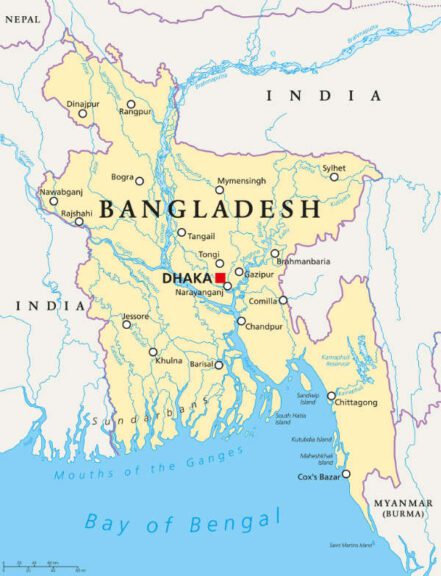
Beyond Rosatom and Sberbank, Russia signaled interest in expanding commercial cooperation through several major state-linked corporations. Russian officials identified Lukoil, Rosneft, Gazprom International and Novatek among the companies interested in exploring new projects and investment opportunities in Bangladesh, particularly in the energy sector. As Bangladesh launched an international tender in the latter part of May for oil and gas exploration in 26 offshore blocks in the Bay of Bengal, offering more attractive terms to foreign companies to address worsening domestic gas shortages and reduce reliance on costly LNG imports, Russian companies have significant potential to participate in the bids, and Russian policymakers may need to strengthen their energy diplomacy with Bangladesh to secure at least some of the projects. State-run Petrobangla published the tender documents on its website under the revised Bangladesh Offshore Model Production Sharing Contract (PSC) 2026, setting November 30 as the deadline for bid submissions.
Technology cooperation emerged as another major outcome of the visit. Bangladesh proposed enhanced collaboration in artificial intelligence, including applications in agriculture and healthcare. Russia responded positively and expressed willingness to assist Bangladesh in developing a national AI strategy and establishing centres of excellence dedicated to artificial intelligence research and innovation.
Labour mobility and human resource cooperation were also discussed, with both sides examining the possibility of significantly increasing the number of Bangladeshi workers employed in Russia. Education remained an important pillar of cooperation, with Russia reaffirming its scholarship programme for Bangladeshi students. Russia has agreed to work towards increasing the number of Bangladeshi workers in the country to 100,000 by next year.
At the institutional level, the two countries agreed to accelerate work on pending bilateral agreements, strengthen consultations between their foreign ministries, and expand parliamentary engagement. Lavrov said Russia’s parliamentary friendship group is already active and expressed support for establishing a corresponding friendship group within Bangladesh’s parliament to facilitate deeper legislative exchanges.
The discussions also covered regional and international issues, including developments in the Middle East, energy security, multilateral diplomacy and cooperation at the United Nations. Russia welcomed Bangladesh’s continued engagement in international forums and expressed hope that Bangladeshi representatives would participate in upcoming events, including the Eastern Economic Forum in Vladivostok. Bangladesh seeks Russia’s support for BRICS and SCO entry.
Taken together, the meetings suggest that Bangladesh-Russia relations are evolving beyond their traditional focus on the Rooppur nuclear project toward a broader partnership encompassing trade, financial connectivity, energy investment, technology cooperation, labour mobility and parliamentary diplomacy.
Historical Relations
One reason the relationship possesses unusual resilience is that it rests upon historical foundations that predate contemporary geopolitical rivalries. The Soviet Union was among the earliest major powers to recognize Bangladesh following independence in 1971. More importantly, Soviet support was not limited to diplomatic recognition. Soviet engineers, naval personnel and technical specialists played a crucial role in clearing mines and sunken vessels from Chattogram Port, helping restore Bangladesh’s principal maritime gateway and enabling the country’s post-war economic recovery. This episode continues to occupy a unique place in Bangladesh’s strategic memory. Unlike many external powers that approach Bangladesh primarily through commercial calculations, Russia possesses historical legitimacy in the country. The relationship was forged during a period when Bangladesh faced existential challenges.
This historical foundation explains why successive governments in Dhaka, regardless of political orientation, have generally maintained constructive relations with Moscow. It also explains why Russia’s role remains significant even amid changing geopolitical alignments. Khalilur Rahman’s visit demonstrated that both countries view their relationship as a long-term strategic asset rather than a temporary diplomatic convenience.
Bangladesh’s Economic Rise and Why Russia Is Paying Attention
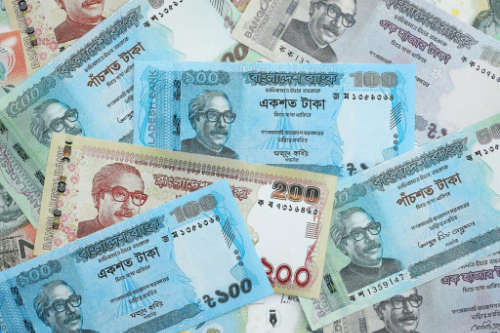
The Russia of the 1990s had little capacity to engage South Asia beyond India. Today’s Russia, however, views Asia through an entirely different lens. Bangladesh has emerged as one of the most impressive economic success stories in the developing world. With a population approaching 180 million, the country represents one of the largest consumer markets in Asia. Its GDP has expanded more than tenfold since the beginning of the century. The garment industry has become the second largest globally after China. Manufacturing exports have transformed Bangladesh into a major participant in global supply chains. The country’s long-term ambition is even more significant. Bangladesh’s policymakers increasingly envision a transition from a garment-dependent economy toward a diversified industrial economy capable of achieving trillion-dollar status during the coming decade and a half. This transformation requires new sources of energy, technology, investment and external markets.
Russia sees opportunity in this trajectory. Unlike mature European economies experiencing slow growth, Bangladesh offers expanding demand across virtually every sector. Rising urbanization, industrialization and infrastructure development create opportunities for Russian companies ranging from nuclear technology providers to fertilizer exporters and logistics operators. From Moscow’s perspective, Bangladesh is no longer merely a South Asian country. It is an emerging economic pole whose importance will continue to grow.
Energy Security: The Core Strategic Driver
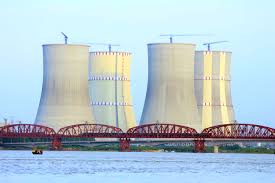
If there is one issue shaping Bangladesh’s foreign policy today, it is energy security. The country experienced severe energy stress during recent years as global fuel markets became increasingly volatile. The Ukraine conflict disrupted energy trade patterns. Subsequent instability in the Middle East created additional uncertainty regarding shipping routes, insurance costs and fuel availability. For an economy dependent on imported energy, these developments exposed structural vulnerabilities. The newly formed government inherited an energy sector facing rising demand, constrained domestic gas production and significant exposure to external shocks. Under these circumstances, strengthening cooperation with Russia became less a matter of diplomatic preference and more a strategic necessity. Rooppur remains the centerpiece of this relationship. Bangladesh’s first nuclear power plant, the US$12.65 billion Rooppur Nuclear Power Plant, is being built by Russia with two Generation III+ VVER-1200 reactors and a total capacity of 2,400 MW, making it the country’s largest energy infrastructure project. Russian state nuclear corporation Rosatom plans to complete construction of the Rooppur Nuclear Power Plant in 2027. Yet the next phase may extend far beyond nuclear energy. Gazprom International has already established a presence in Bangladesh’s upstream gas sector through exploration and drilling projects. Rosatom’s successful implementation of Rooppur has created institutional trust. Rosneft and Lukoil possess expertise that could contribute to downstream petroleum development, refinery modernization and fuel supply diversification. For Bangladesh, Russian energy cooperation offers something increasingly valuable in the twenty-first century: diversification. The objective is not to replace Middle Eastern energy supplies but to ensure that Bangladesh is not excessively dependent on any single source or region. As Bangladesh seeks Russian crude via Indian refineries, Russian energy companies also have an opportunity to develop their Ural-crude refining capacity in Bangladesh.
Bilateral Trade and the Emerging Economic Footprint
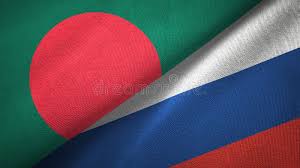
The future of bilateral relations will increasingly depend on corporate engagement rather than state-to-state diplomacy alone. Rosatom is already Bangladesh’s largest Russian investor through Rooppur. However, several other Russian companies could play major roles during the next decade. Gazprom International possesses significant experience in Bangladesh’s gas fields. Further exploration projects could help slow the decline of domestic gas production. Bilateral trade has consistently exceeded $2 billion annually, while the Rooppur Nuclear Power Plant remains the flagship project in the relationship and is expected to provide around 10 percent of Bangladesh’s electricity needs once fully operational.
Bangladesh mainly exports ready-made garments, textiles, and seafood to Russia, while imports from Russia include wheat, fertilizers, oil, gas-related equipment, and other industrial goods. Russian energy cooperation has also expanded through Gazprom’s activities in Bangladesh, including around 20 gases well drilling and development projects completed between 2012 and 2023. Russia-Bangladesh trade involves a mix of large-scale industrial, energy, and agricultural companies operating in both directions. Key Russian exporters linked to Bangladesh include Atomstroyexport JSC, Rosatom-affiliated engineering firms, Gazprom-related service entities, Lukoil, Rosneft, and logistics and industrial suppliers such as PKF Atomstiltrade LLC, True Solutions LLC, SMU No. 1 LLC, Energodetal LLC, Institute Orgenergostroy JSC, PJSC NCCP (under Atomstroyexport order), Corporation AK ESKM LLC, Komplectenergo LLC, and Tom Taylor Rus LLC. Energodetal LLC, and Institute Orgenergostroy JSC, many of which are associated with nuclear power plant construction, engineering equipment, and energy infrastructure particularly the Rooppur Nuclear Power Plant project.
On the Bangladeshi side, major importers of Russian goods include Akij Flour Mills Limited, Akij Essentials Limited, Sonargaon Flour & Dal Mills Limited, Nabil Auto Flour Mills, and Shehzad Food Products Limited, which primarily source Russian wheat, durum wheat, peas, and other agricultural commodities. Overall, the trade structure is characterized by Russia’s exports of nuclear technology, energy equipment, fertilizer, and agricultural products, while Bangladesh imports mainly food grains and pulses, alongside limited industrial and textile exports to the Russian market.
Rosneft may find opportunities in crude supply arrangements, storage infrastructure and petroleum logistics. Lukoil’s expertise in refining and fuel distribution aligns with Bangladesh’s growing transportation and industrial sectors. Russian companies are prepared to undertake joint ventures with Bangladesh in ICT, pharmaceuticals, space technology, geological survey, maritime, railways and air transportation. Novatek, Russia’s largest independent LNG producer, could become relevant as Bangladesh expands LNG import capacity. United Shipbuilding Corporation may find opportunities in maritime infrastructure and shipbuilding cooperation, particularly as Bangladesh seeks to strengthen its blue economy. Russian Railways possesses expertise applicable to Bangladesh’s expanding transport network, while Russian agricultural exporters increasingly view Bangladesh as a major long-term market. Investors from Russia are now keen to import readymade garments from Bangladesh, claim Russian diplomats. At that program in December, the Russian envoy said, “Many international brands decided to leave Russia since 2022. So, Russian businesses are now looking for new sources, including Bangladesh. Investment here from the state and individuals could reach to billions of dollars.”
Most significant may be Sberbank. Khalilur Rahman’s engagement with First Vice President Alexander A. Vedyakhin of Sberbank indicates recognition that financial connectivity will determine whether broader economic cooperation can reach its full potential. Sanctions-related payment difficulties remain one of the principal obstacles to bilateral trade expansion. Alternative settlement systems involving local currencies, yuan-based clearing mechanisms or new banking arrangements could substantially reduce these constraints. Without financial innovation, many commercial opportunities will remain unrealized. With it, bilateral trade could expand dramatically.
A delegation from the Export-Import Bank of China (China Exim Bank) met Bangladesh Bank officials on June 09 to discuss the possibility of Bangladesh joining China’s Cross-Border Interbank Payment System (CIPS) and issuing Panda Bonds, according to central bank officials. The discussions come ahead of Prime Minister Tareque Rahman’s planned visit to China on June 23, during which both sides are expected to explore deeper financial cooperation, including greater use of the Chinese yuan in bilateral trade and investment settlements. The move highlights Bangladesh’s growing interest in alternative cross-border payment mechanisms and yuan-based settlement systems, which could reduce reliance on traditional Western-dominated SWIFT financial networks.
The development is particularly significant given Bangladesh’s close economic and geographic ties with India, where Sberbank has already establish a branch and expanded Ruble-Indian Ruppe related settlement capabilities to facilitate trade with Russia. Bangladesh’s growing engagement with Russia’s Sberbank, coupled with its latest discussions with China Exim Bank on joining China’s Cross-Border Interbank Payment System (CIPS), signals a gradual but notable shift toward alternative financial settlement frameworks. Together with the broader expansion of BRICS-backed payment infrastructure, these developments suggest Dhaka is exploring avenues to diversify cross-border transaction channels beyond the traditional Western-dominated SWIFT network.
Food Security and the Growing Role of Russian Agricultural Exports

Food security has become one of the fastest-growing pillars of Bangladesh-Russia relations. With nearly 180 million people and limited arable land per capita, Bangladesh remains structurally dependent on imported food commodities to maintain supply stability and control inflation. Russia’s rise as the world’s largest wheat exporter has therefore transformed the relationship.
Following disruptions in global grain markets after 2022, Bangladesh significantly increased purchases of Russian wheat because of its competitive pricing, reliable availability and resilience to geopolitical disruptions. Bangladesh is the third largest destination for Russian wheat outside of the Eurasian Economic Union. Major Russian exporters including United Grain Company (OZK), Demetra Holding, Aston Group, Grain Gates and RIF Trading House have expanded across South Asian markets as Moscow diversifies agricultural exports toward Asia. Russia exported around 2.7 million tonnes of wheat to Bangladesh in the 9M January-September in 2024, up 42% from the 1.9 million tonnes exported in the same period last year
The relationship increasingly extends beyond wheat. Russian suppliers now export yellow peas, lentils, mustard seed, sunflower products and feed grains to Bangladesh, while institutions such as Rosselkhoznadzor and the Russian Export Center (REC) have intensified engagement with Bangladeshi authorities to facilitate market access. As climate change, geopolitical instability and supply-chain disruptions elevate food security concerns globally, Russia is evolving from a commodity supplier into a strategic food-security partner for Bangladesh.
Fertilizers: The Strategic Link Between Food and Energy Security
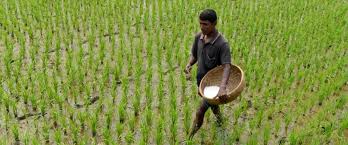
Few sectors better illustrate the complementarity of the two economies than fertilizers. Bangladesh’s agricultural productivity depends heavily on imported inputs, while Russia remains one of the world’s largest producers of potash, nitrogen and phosphate fertilizers through companies such as Uralchem, Uralkali, EuroChem, Acron Group and PhosAgro. A notable milestone came in January 2026 when Uralchem delivered 30,000 metric tons of potash fertilizer to Bangladesh under the UN World Food Programme, one of the largest fertilizer-related humanitarian initiatives undertaken by a Russian company in South Asia. Commercially, the Bangladesh Agricultural Development Corporation (BADC) continues to procure fertilizer from Russian suppliers to support domestic food production. The strategic importance of this trade lies in Russia’s natural-gas advantage, which underpins globally competitive fertilizer production. For Bangladesh, securing long-term access to Russian fertilizer is increasingly viewed as a food-security imperative. In strategic terms, fertilizer cooperation may ultimately prove as important as energy cooperation itself.
Labor Mobility: An Untapped Strategic Opportunity
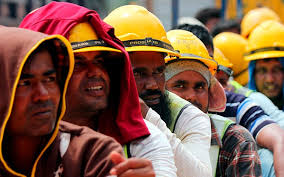
Labor mobility could emerge as one of the most consequential yet underexplored dimensions of Bangladesh-Russia relations. Russia faces growing labor shortages driven by demographic decline, population aging and industrial expansion, with deficits affecting construction, manufacturing, logistics, agriculture, transportation and energy sectors. Dhaka proposed an increase in the number of Bangladeshi workers in Russia from the current nearly 10,000 to 100,000 within the next year.
Bangladesh, by contrast, possesses a labor force exceeding 75 million and one of the world’s largest overseas worker communities. While most Bangladeshi migrant workers remain concentrated in Gulf countries, diversification has become increasingly important for long-term economic resilience. Russian projects including the Amur Gas Chemical Complex, the Zvezda Shipbuilding Complex and major industrial developments have already employed Bangladeshi workers. Future demand is expected across shipbuilding, construction, manufacturing, welding, engineering and technical trades. A structured framework involving vocational training, Russian-language education and certification programs could generate benefits extending beyond remittances by supporting skills transfer and human-capital development.
Defense Cooperation
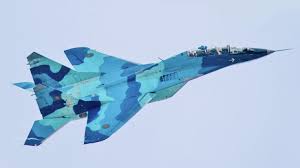
Defense cooperation remains one of the most durable pillars of Bangladesh-Russia relations. In March 2026, Russian Ambassador Alexander Khozin and Military, Air and Naval Attaché Colonel Pavel Ivashinnikov met Lieutenant General Mir Mushfiqur Rahman, Principal Staff Officer of Bangladesh’s Armed Forces Division, to discuss military and technical cooperation.
Russia remains a major defense supplier to Bangladesh. The Bangladesh Air Force operates MiG-29 fighters, Yak-130 trainers and Mi-17 helicopters, while Russian-origin systems remain integrated across multiple military branches. As Bangladesh advances its Forces Goal 2030 modernization program, opportunities may emerge in fighter aircraft, air-defense systems, radar networks, military training and technical support. As Bangladesh advances its Forces Goal 2030 modernization program, Russia remains a potential partner capable of providing integrated military solutions ranging from advanced fighter aircraft and air-defense systems to training, maintenance and technology support.
Platforms such as the Su-30SME, Su-35 and advanced Russian air-defense systems remain relevant to Bangladesh’s long-term modernization objectives. Although Dhaka continues to pursue a balanced foreign policy and maintain diverse defense partnerships, recent military-level engagements indicate that defense cooperation will remain an important component of bilateral relations.
Connectivity and Bangladesh’s Place in Eurasia
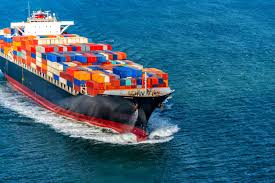
Khalilur Rahman’s visit also highlighted a broader geographical reality. The global economic center of gravity is moving toward Eurasia. Russia’s International North-South Transport Corridor seeks to connect Russian markets with South Asia through Iran and the Indian Ocean. Simultaneously, Russia is expanding connectivity through Vladivostok, the Russian Far East and Indian Mumbai and Chennai. Bangladesh occupies a potentially strategic position within these emerging networks. Chattogram Port could become a key node linking South Asia with Eurasian trade routes. Maritime corridors involving Mumbai, Colombo, Karachi and Chattogram increasingly attract attention among regional planners. The gradual emergence of new regional configurations, including stronger India-Russia-Bangladesh-Sri Lanka and also China-Bangladesh-Pakistan interactions and broader Eurasian connectivity initiatives, creates additional opportunities for Russian engagement. With SAARC largely inactive, economic geography is increasingly being shaped by practical connectivity rather than traditional regional institutions. This environment favors countries capable of serving as bridges between regions. Bangladesh is becoming one of those countries.
Beyond SAARC: Emerging Eurasian Connectivity and Russia’s Strategic Opportunity
As SAARC remains largely inactive, alternative connectivity frameworks are gaining momentum. BIMSTEC has become the most active regional platform linking South and Southeast Asia through trade, transport and energy cooperation. Simultaneously, an informal alignment involving China, Pakistan, Bangladesh and Afghanistan, with possible participation from Sri Lanka and the Maldives, is gradually emerging around infrastructure, logistics and manufacturing projects.
These developments align closely with Russia’s Pivot to Asia and Greater Eurasian Partnership strategy. China has maintained an economic cooperation arrangement with the Eurasian Economic Union (EAEU) since 2019, while Pakistan and Russia are exploring similar arrangements and Bangladesh has expressed growing interest in a future EAEU free-trade agreement.
Connectivity remains central. The International North-South Transport Corridor (INSTC) links Russia with the Indian Ocean through Iran, while China’s western provinces could potentially access the corridor via CPEC and Gwadar Port. Bangladesh’s renewed Chattogram-Karachi maritime connectivity, combined with links involving Gwadar, Colombo and Afghanistan’s access through Pakistani and Iranian ports, could eventually form a resilient Eurasian supply-chain network connecting South Asia, Central Asia and Russia. For Moscow, these developments strengthen economic integration across Eurasia; for Bangladesh, they create new opportunities for trade diversification and market access.
Multipolarity, BRICS and Bangladesh’s Strategic Future
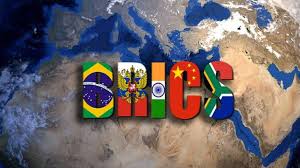
Finally, the visit revealed how closely Bangladesh’s foreign policy aspirations align with broader global trends. The world is moving toward a more complex and decentralized international order. Emerging powers are seeking greater representation in global governance institutions. Bangladesh increasingly wishes to participate in this transformation. Its interest in BRICS and the Shanghai Cooperation Organisation reflects this ambition. Russia’s support for Bangladesh’s future participation demonstrates Moscow’s recognition that Dhaka is becoming an increasingly influential actor within the Global South. For Bangladesh, engagement with BRICS, SCO and BIMSTEC and other emerging institutions offers opportunities to diversify partnerships and reduce excessive dependence on any single bloc. For Russia, supporting Bangladesh strengthens the broader architecture of multipolarity that Moscow has consistently advocated.
Summary
The most important conclusion from Rahman’s Moscow visit is that the structural logic underpinning Bangladesh-Russia relations is becoming stronger rather than weaker. Bangladesh needs energy, food, investment, technology, connectivity and diversified diplomatic options. Russia needs growing markets, trusted partners, alternative financial channels and deeper integration with Asia. The interests increasingly converge. Challenges undoubtedly remain. Sanctions complicate payments. Geopolitical competition creates external pressures. Balancing relations among the United States, China, India and Russia requires diplomatic sophistication. Yet Bangladesh has historically pursued strategic balance rather than exclusive alignment. That tradition is likely to continue. Khalilur Rahman’s close engagement with the US officials could provide Bangladesh with additional leverage to some extent in managing and expanding trade relations with Russia. Viewed from this perspective, Khalilur Rahman’s Moscow visit was not merely a diplomatic event. It was a reflection of a deeper geopolitical reality: as Russia pivots toward Asia and Bangladesh rises as one of South Asia’s most dynamic economies, the two countries are discovering that their long-term interests intersect across nearly every major strategic domain. The next phase of Bangladesh-Russia relations will therefore be defined not by history alone, but by the increasingly powerful logic of economics, energy, connectivity and the emerging multipolar order.
This article was written by KP Majumdar, a geostrategic and geo-economics analyst based in South Asia whose work has been widely published by prestigious international news organizations and publications. He may be reached at info@russiaspivottoasia.com