 Русский




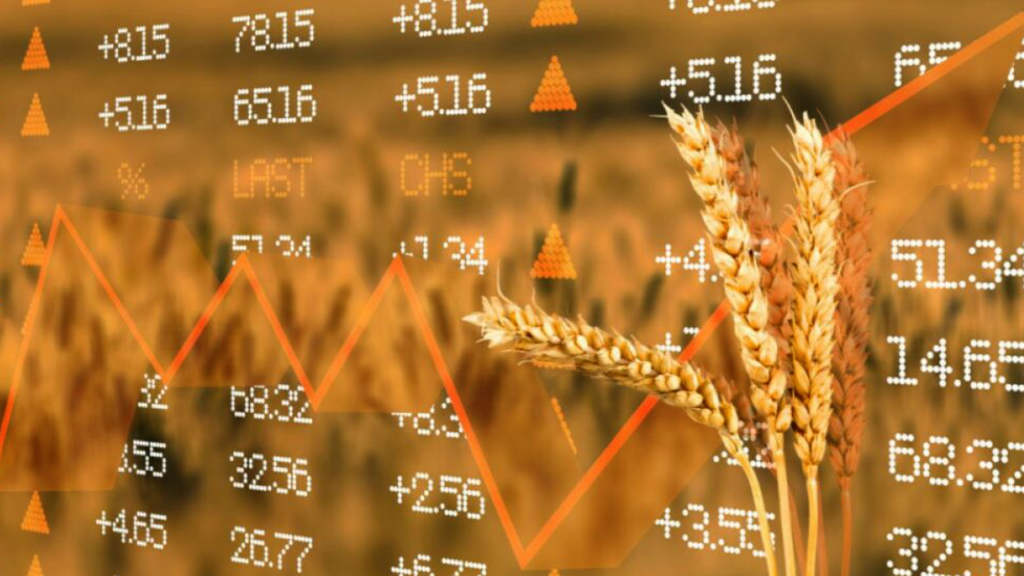

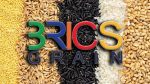
The BRICS countries are continuing to work on creating a BRICS grain exchange, with the Russian Economic Development Ministry stating that “A conceptual model of the exchange’s operation has been prepared. Common approaches to technological requirements and the functioning of this trading platform are currently being developed together with a number of partners.”
Russia’s National Plan for the Development of Competition for 2026-2030 provides for the development and approval of a work plan for the creation of a BRICS exchange by July 1, 2026. The departments responsible for executing this are the Economic Development Ministry, the Finance Ministry, the Agriculture Ministry, the Federal Antimonopoly Service (FAS), and the Industry and Trade Ministry with the participation of the Central Bank of Russia and interested organizations.
Initially, the discussion was about creating a BRICS grain exchange. This proposal was made by the Russian Union of Grain Exporters and Producers at the end of 2023. In the spring of 2024, this idea was supported by President Vladimir Putin, who at the same time expressed the wish that such an exchange would eventually be transformed into a full-fledged commodity exchange. The Kazan Declaration, adopted following the BRICS summit in the autumn of 2024, spoke of the creation of a grain (commodity) trading platform within BRICS and its subsequent development, including covering other agricultural sectors. This initiative was officially supported by the BRICS agriculture ministers in April 2025.
The BRICS Grain Exchange has been initiated to shift global agricultural price setting away from Western exchanges (like the Chicago Mercantile Exchange) and to avoid US dollar-based clearing. The BRICS countries account for about 44% of global grain production and consumption. The push for this platform is driven by several critical objectives:
Independent Pricing
Establishing BRICS price benchmarks protects emerging economies from speculation and Western market manipulation, ensuring unbiased value assessment.
Decoupling from the US Dollar
A BRICS exchange would facilitate direct trade using local currencies, reducing dependence on the dollar-dominated global financial system.
Strengthening Food Security
By linking massive exporters like Russia, India, and Brazil with key developing market importers, the alliance ensures more stable, uninterrupted food supply chains.
Boosting Trade Volumes
According to the assessment of the Russian Union of Grain Exporters and Producers, annual trade in BRICS agricultural and related products on this exchange could exceed US$1 trillion, stimulating regional infrastructure, port developments, and logistics hubs.
The world’s largest grain producers are China, India, the United States, and Russia. Together, these agricultural powerhouses dominate global output of primary cereal grains such as corn (maize), wheat, and rice. The top producers for each specific major grain are as follows:
🌽 Corn (Maize)
The United States is the world’s largest producer, heavily concentrated in the Midwest ‘Corn Belt.’ China is the second-largest producer, primarily growing corn for both human consumption and massive livestock feed demands. Brazil is the world’s third-largest producer and a major global exporter.
🌾 Wheat
China is the world’s top producer (yielding roughly 140 million tonnes annually), though it consumes almost entirely what it grows. India is the second-largest producer, where output often exceeds 110 million tonnes per year. Russia is the world’s third-largest producer and the largest global exporter.
🍚 Rice
China is the leading global producer, cultivating massive crops in its southern provinces. India is the world’s second-largest global producer, primarily relying on rice as a major dietary staple and export. Indonesia & Bangladesh are additional major agricultural hubs, also producing massive quantities of rice for localized and regional consumption. Brazil, China, India, Indonesia, and Russia are all full BRICS members, while Bangladesh is a BRICS candidate nation and a full member of the New Development Bank (NDB), the multilateral development bank established by BRICS nations.