 Русский







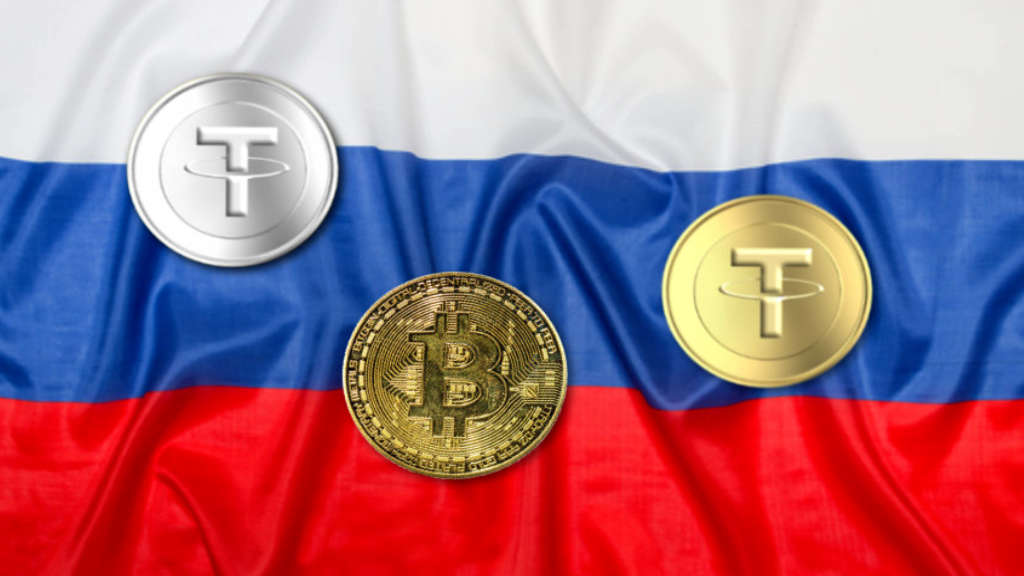

Russia may formally legalize BTC and stable coin payments for foreign trade starting July 1, completing a pilot that already processed around US$11 billion in crypto commerce last year. As governments build new demand corridors for BTC, the cryptocurrency price conversation heats up around macro shifts. The law creates a regulated corridor for exporters to accept BTC from buyers who are cut off from Western banking systems. Russia’s decision to legalize Bitcoin and stablecoin payments for foreign trade from 1st July 2026 marks one of the most consequential financial policy shifts since the country was disconnected from large parts of the Western financial system in 2022.
Russia is fully preparing a new cryptocurrency regulatory framework that would allow ordinary investors to legally trade major digital assets such as Bitcoin, Ethereum, USDT, and USDC. The government aims to create a controlled and regulated crypto market, with investment limits for retail investors and a focus on large, widely recognized cryptocurrencies. Russia is also exploring the use of stablecoins linked to friendly countries’ currencies, such as rubles and UAE dirhams, to facilitate international trade and reduce dependence on Western financial systems. At the same time, authorities are considering fees and other safeguards for cryptocurrencies viewed as “unfriendly“ to protect investors and encourage the use of alternative assets. Russia’s proposed crypto regulation will allow non-professional investors to trade only Bitcoin, Ethereum, USDT, and USDC, which meet the requirement of maintaining an average market capitalization above 5 trillion rubles over two years. Investors will need to pass a crypto-risk knowledge test and will face an annual transaction limit of 300,000 rubles per intermediary, while the central bank may later approve smaller cryptocurrencies from “friendly” jurisdictions, including the ruble-backed A7A5 and dirham-backed stablecoins. The bill is nearing final approval, and Russia is also considering limited use of non-custodial wallets for certain legal entities while excluding retail investors and keeping strict state oversight. This shift reflects the government’s recognition that cryptocurrency activity is too significant to ban outright and is better managed through regulation. While much of the global discussion focuses on sanctions circumvention, that interpretation understates the strategic significance of the move. Cifra Markets Executive Director Alexey Korolenko said in a recent interview with TASS that a regulated crypto market may become the main trading venue for Russians within 2-3 years.
The volume of transactions with cryptocurrencies in Russia is about 50 billion rubles per day, reported Deputy Finance Minister Ivan Chebeskov in February 2026. The total volume of public investments in Russian instruments tied to the cost of crypto assets as of April 1 amounted to about 3.8 billion rubles, which does not create risks to financial stability, according to the Financial Stability Review of the Bank of Russia for the fourth quarter of 2025 and the first quarter of 2026. This also means that the crypto market in Russia already exists, so the task of regulation is not to prohibit it, but to bring it to the legal field. The growth of turnover indicates a significant interest of Russians in cryptocurrencies as a tool of savings, he stressed. Such dynamics, he said, reflect the scale of the market and the active participation of the population in the digital economy. In Russia, interest in cryptocurrencies remains consistently high, despite legislative restrictions. Thousands of users buy digital assets daily, participate in arbitration transactions between platforms, use P2P services to withdraw funds, or invest in promising tokens. The Russian community is actively mastering DeFi protocols and stacking and is even involved in the development of its own blockchain projects.
Cryptocurrency is a digital asset that operates on the basis of blockchain technologies. It allows anyone to conduct anonymous and fast transactions without the participation of traditional banks or government agencies. Since the advent of Bitcoin in 2009, the cryptocurrency market has been developing rapidly, and the ways of generating income are becoming more diverse: from mining and trading to arbitration and P2P trading.
Russia has rapidly expanded its cryptocurrency sector, positioning digital assets as tools for financial sovereignty, technological development, and international trade. In June 2025, the Moscow Exchange launched Bitcoin-linked futures based on the iShares Bitcoin Trust ETF, generating ₽423 million (US$5.3 million) in trading volume across 8,600 transactions on its first day. Russian regulators have restricted purchases of USDT and similar dollar-backed stablecoins due to concerns over foreign control and asset-freezing risks, while encouraging alternatives compatible with domestic regulations. By October 2025, Russia had become Europe’s largest cryptocurrency market, recording US$376 billion in crypto transaction volume, surpassing the UK (US$273 billion) and Germany (US$219 billion). Large institutional transfers exceeding US$10 million increased 86% year-on-year, while DeFi activity more than tripled from 2023 levels. The ruble-backed stablecoin A7A5 emerged as a key instrument for cross-border settlements and became Russia’s first officially recognized digital financial asset for international trade. Russian financial institutions, including Sberbank, have introduced Bitcoin-linked investment products and successfully tested loans collateralized by cryptocurrency assets. Russia has legalized crypto mining nationwide, although restrictions remain in energy-deficient regions through 2031. Proposed legislation would allow qualified investors unlimited crypto purchases while capping retail investors at ₽300,000 (US$3,900) annually through licensed intermediaries. If approved, the first fully regulated domestic cryptocurrency transactions could occur by the end of 2026, potentially placing Russia among the world’s leading regulated digital asset markets.
The bill, which establishes the legal basis for the circulation of digital currencies in Russia (cryptocurrencies), was adopted in the first reading on April 21. In accordance with the bill, from July 1, 2026, citizens and companies will be able to legally buy cryptocurrency through licensed intermediaries—exchangers from the register of the Central Bank, brokers, and trust managers. It is expected that qualified investors will be able to purchase crypto-assets without restrictions, except for anonymous ones, and for unqualified investors, the purchase will be allowed up to 300,000 rubles a year through one intermediary. Payment of cryptocurrency within the country will still be prohibited.
The legalization of cryptocurrency for cross-border trade is not primarily about evading sanctions. It is about constructing an alternative financial architecture capable of supporting Russia’s long-term economic reorientation toward Asia, the Middle East, Africa, and the broader Global South. The strongest point is not that Russia is merely legalizing crypto. Rather, Russia is institutionalizing a parallel settlement architecture that complements its broader pivot to Asia, the Global South, and non-Western financial networks. The July 2026 framework may effectively transform cryptocurrency from a speculative asset into a geopolitical payments instrument designed to reduce dependence on SWIFT, correspondent banking, and dollar-clearing mechanisms. This is the real story.
For decades, international trade relied heavily on Western-controlled infrastructure. SWIFT messaging networks, dollar-clearing banks, correspondent banking arrangements, and Western financial intermediaries formed the backbone of global commerce. Russia’s exclusion from major segments of this system accelerated Moscow’s search for alternatives. The result has been a multi-layered strategy involving national currencies, the digital ruble, BRICS financial mechanisms, China’s Cross-Border Interbank Payment System (CIPS), and now cryptocurrency-based settlement networks. The July 2026 legislation may represent the latest and potentially most disruptive component of this transformation.
Russia is not replacing the ruble with Bitcoin. Instead, it is using digital assets as a bridge currency capable of connecting businesses across jurisdictions where banking restrictions, sanctions risks, or currency-conversion challenges make conventional payments difficult. The policy, therefore, should be viewed as part of Russia’s broader “Pivot to Asia” strategy rather than a standalone cryptocurrency initiative.
The Scale of Russia’s Eastward Economic Reorientation

The geopolitical logic behind Russia’s crypto strategy becomes clear when examining trade patterns. Before 2022, Europe accounted for a significant share of Russian exports and imports. Since then, Russian trade geography has undergone a historic transformation. China has emerged as Russia’s largest trading partner. Bilateral trade exceeded US$240 billion in 2024 and continues to expand. Russian energy exports increasingly flow eastward while Chinese machinery, electronics, industrial equipment, and consumer goods dominate imports.
India has become a major buyer of Russian crude oil. The UAE has emerged as a financial and logistics hub connecting Russia to global markets. Turkiye functions as a crucial transit corridor linking Russia with Europe, the Middle East, and Africa. Iran is deepening integration with Russia through transport corridors and financial cooperation. ASEAN economies are becoming increasingly important destinations for Russian exports and investment. This trade expansion has generated a fundamental challenge: how to settle transactions efficiently when traditional banking channels face restrictions. Cryptocurrency increasingly appears to be part of Moscow’s answer.
Russia is visibly increasing its trade and economic ties with countries across the Global South, while Western nations are likely to continue countering Russia’s economic expansion through various coercive measures, including sanctions on Russian financial entities and related institutions. The European Union has put forward a 21st round of sanctions on Russia, including crypto channels. At the same time, many Global South countries are highly interested in expanding trade with Russia, but Western sanctions often make smooth financial transactions difficult, preventing the full realization of existing trade potential.
In response, Russia is developing alternative payment mechanisms, including BRICS-led payment initiatives, the digital ruble, and cryptocurrency-based cross-border settlement systems. These measures aim to reduce dependence on Western-controlled financial infrastructure and facilitate trade with partner countries. Therefore, it is an appropriate time for Russia to work more closely with its Global South partners to expand and strengthen alternative crypto-based cross-border payment and settlement frameworks.
Why Crypto Matters More Than Many Analysts Realize

The discussion around crypto often focuses on speculation and retail investment. However, the most significant use case emerging globally is cross-border settlement. International trade requires three things: First, a trusted medium of exchange. Second, rapid settlement. Third, minimal political interference. Bitcoin and stablecoins increasingly satisfy these requirements. Traditional cross-border payments may take several days and involve multiple intermediaries. Stablecoin transactions can settle within minutes. Transaction costs are often significantly lower. Payments can move across jurisdictions regardless of correspondent banking limitations. For Russian exporters and importers, these advantages have become increasingly valuable. As a result, cryptocurrency is evolving from an alternative asset class into an alternative payments infrastructure.
Cryptocurrency and Cross-Border Trade: How Russia is Building New Settlement Channels with China and India
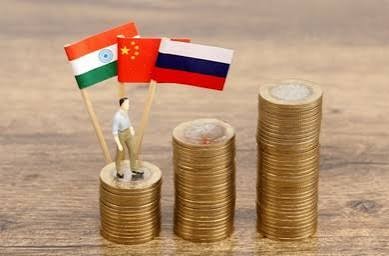
Russia’s legalization of cryptocurrency use in foreign trade represents far more than a technical adjustment to sanctions pressure. It reflects a broader effort to reshape the country’s international financial connectivity as Moscow deepens its economic integration with Asia, the Middle East, and the Global South. Cryptocurrency has emerged as a practical instrument for facilitating international trade. While digital assets still account for a relatively small portion of Russia’s overall foreign trade settlements, their importance is growing steadily. According to Reuters and Bloomberg estimates, Russian oil exports generated approximately US$192 billion in revenue in 2024, making energy trade one of the primary sectors experimenting with alternative payment arrangements. As sanctions-related disruptions continue, companies involved in energy, metals, agriculture, and industrial exports are increasingly exploring cryptocurrency-based settlements as a way to reduce transaction costs, accelerate payments, and mitigate financial restrictions.
The growing use of cryptocurrencies in foreign trade is supported by Russia’s evolving regulatory framework. Since September 2024, an experimental legal regime has permitted Russian legal entities to use cryptocurrencies in international transactions. The policy reflects a significant shift in official attitudes. For years, Russian authorities approached cryptocurrencies with caution, focusing on risks associated with volatility and capital flight. Today, policymakers increasingly view digital assets as a strategic tool capable of supporting foreign trade under conditions of geopolitical fragmentation.
The mechanics of cryptocurrency-based trade settlements are relatively straightforward. In a typical transaction involving a Chinese or Indian buyer, payment is first made in local currency, such as yuan or rupees, to an intermediary operating in a third jurisdiction. The intermediary then converts the funds into digital assets, usually Bitcoin or stablecoins such as USDT. These assets are transferred to the Russian exporter through cryptocurrency networks and subsequently converted into rubles through licensed platforms or over-the-counter arrangements. The entire process can be completed within minutes, compared with several days through conventional banking channels. Transaction costs often remain below 0.1 percent, substantially lower than the three to five percent fees frequently associated with complex cross-border banking arrangements.
The attractiveness of these arrangements extends beyond sanctions circumvention. Cryptocurrency-based settlements offer businesses faster transaction speeds, greater flexibility, and reduced dependence on intermediary financial institutions. Nevertheless, significant risks remain. Secondary sanctions continue to pose challenges for cryptocurrency exchanges and service providers facilitating Russian transactions. Regulatory uncertainty persists across multiple jurisdictions. Even stablecoins, which are designed to maintain stable values, face periodic volatility and regulatory scrutiny. Companies must also maintain extensive documentation for tax and compliance purposes, including exchange-rate records and detailed transaction histories. Despite these challenges, Russia’s growing use of digital assets is closely linked to its broader economic pivot toward Asia. The success of this strategy will depend largely on the policies and financial ecosystems of Russia’s key trading partners, particularly China and India.
China: The Most Important Partner in Digital Settlements

China remains the centerpiece of Russia’s economic reorientation. Bilateral trade has expanded dramatically since 2022, exceeding US$240 billion annually and making China Russia’s largest trading partner. Energy exports, industrial cooperation, technology exchanges, and logistics integration increasingly underpin the relationship. Consequently, no country will exert a greater influence on the success of Russia’s cryptocurrency-based trade strategy.
At first glance, China appears an unlikely participant in crypto-related settlements. Beijing has imposed strict restrictions on cryptocurrency trading and mining, while maintaining tight controls over capital movements. However, China’s approach is more nuanced than often portrayed. Rather than opposing digital finance altogether, Chinese policymakers oppose private decentralized financial systems that challenge state control. Simultaneously, Beijing has become a global leader in digital payment innovation.
China’s development of the digital yuan represents the world’s most advanced large-scale central bank digital currency project. The country has also expanded the role of the Cross-Border Interbank Payment System (CIPS), which offers an alternative mechanism for processing international payments outside traditional Western-dominated financial channels. Both initiatives reflect Beijing’s broader objective of enhancing payment sovereignty and reducing vulnerabilities associated with the dollar-centric financial order.
This strategic emphasis on financial autonomy creates potential complementarities with Russia’s cryptocurrency initiatives. While Chinese authorities are unlikely to permit widespread domestic cryptocurrency usage, Chinese companies engaged in international trade may continue utilizing intermediary-based digital asset mechanisms where commercially advantageous. Energy trade provides a particularly strong incentive. China remains one of the world’s largest energy importers, and secure payment channels are essential for maintaining stable supplies of Russian oil, natural gas, and coal.
In practice, the future may involve a hybrid ecosystem. Digital yuan infrastructure, yuan-denominated settlements through CIPS, and carefully managed cryptocurrency transactions could coexist rather than compete. Such an arrangement would strengthen bilateral trade while advancing both countries’ broader objective of reducing dependence on Western-controlled financial infrastructure.
India: The Emerging Crypto Pragmatist

India represents another critical component of Russia’s evolving settlement architecture. Since 2022, India has become one of the largest purchasers of discounted Russian crude oil, fundamentally transforming bilateral trade dynamics. Russian exports to India surged, creating a significant imbalance in trade flows and exposing weaknesses in existing payment mechanisms.
One of the most significant challenges has been the accumulation of Indian rupees by Russian exporters. Because Russia imports comparatively fewer goods from India than it exports, large rupee balances became difficult to utilize efficiently. This imbalance highlighted the limitations of bilateral currency settlement arrangements and encouraged exploration of alternative mechanisms.
Cryptocurrency offers one potential solution. Stablecoins can facilitate cross-border payments without requiring direct conversion into dollars or euros. They can also reduce settlement times and lower transaction costs. For Russian exporters seeking flexible payment channels, digital assets provide a potentially attractive alternative to traditional banking networks.
India’s regulatory position toward cryptocurrency remains complex. Authorities have repeatedly expressed concerns regarding consumer protection, financial stability, and illicit financial flows. High taxation on cryptocurrency transactions and strict reporting requirements reflect this cautious approach. Nevertheless, India has emerged as one of the world’s largest cryptocurrency markets, with millions of users participating in digital asset trading and investment activities. The Indian cryptocurrency market reached USD 3.04 billion in 2025 and is projected to reach USD 14.21 billion by 2034, growing at a CAGR of 18.66% during 2026-2034.
At the same time, India possesses one of the world’s most sophisticated digital payment ecosystems. The Unified Payments Interface (UPI) has revolutionized domestic transactions and demonstrated India’s capacity for large-scale financial innovation. This technological foundation could facilitate future experimentation with digital settlement mechanisms in international trade.
India is unlikely to formally adopt cryptocurrency as a strategic component of state policy in the near future. However, commercial realities often evolve more rapidly than regulatory frameworks. As Russia-India trade continues expanding, practical incentives may encourage greater use of stablecoins and other digital assets within specific sectors. This pragmatic approach could gradually make India one of the most significant beneficiaries of Russia’s cryptocurrency-enabled trade architecture.
The broader significance of these developments extends beyond bilateral trade. Together, China and India account for more than one-third of the world’s population and an increasingly large share of global economic activity. If even a small portion of their trade with Russia begins utilizing cryptocurrency-based settlement mechanisms, it could accelerate the emergence of alternative financial networks across Eurasia. Such networks would not replace traditional banking systems overnight, but they would contribute to the gradual diversification of global payment infrastructure.
For Russia, this diversification is becoming a strategic necessity. Cryptocurrency is not replacing national currencies, nor is it replacing the banking sector. Instead, it is becoming an additional layer within a broader ecosystem that includes the digital ruble, national-currency settlements, regional payment systems, and emerging digital finance platforms. As geopolitical fragmentation continues reshaping international commerce, these alternative channels are likely to play an increasingly important role in supporting Russia’s long-term economic integration with Asia.
United Arab Emirates: The Natural Crypto Hub

Among all countries connected to Russia’s crypto strategy, the UAE may be the most important operational partner. Dubai has emerged as one of the world’s leading cryptocurrency centers. The UAE has adopted a relatively progressive regulatory approach while maintaining oversight mechanisms. Major exchanges, blockchain companies, digital asset firms, and fintech providers have established operations in the Emirates. At the same time, the UAE has become a critical economic gateway for Russian business. Trade volumes have expanded dramatically. Russian capital, companies, and entrepreneurs increasingly use Dubai as a regional headquarters. The combination of financial openness, regulatory clarity, and geopolitical neutrality makes the UAE uniquely positioned to facilitate crypto-based settlement flows involving Russian businesses. The emergence of dirham-linked stablecoins could further strengthen this role. In many respects, the UAE is becoming the bridge between Russian capital and the broader Global South.
Turkiye: Eurasia’s Transaction Hub

Turkiye occupies a unique position at the intersection of Europe, Asia, and the Middle East. Despite being a NATO member, Ankara has maintained extensive economic relations with Moscow. Turkiye is also among the world’s most active cryptocurrency markets. High inflation and currency volatility have encouraged widespread crypto adoption. Turkish businesses and consumers increasingly use stablecoins as a store of value and transactional instrument. This environment creates natural opportunities for crypto-based trade settlements involving Russian companies. Türkiye’s logistics networks, banking connectivity, and geographic location further enhance its strategic importance. For Moscow, Turkiye is not simply a trading partner. It is a financial corridor linking multiple regions. Crypto settlements may reinforce that role.
Iran: The Most Natural Crypto Partner
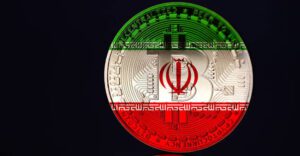
No major economy shares Russia’s sanctions-related incentives more closely than Iran. Both countries face extensive restrictions on access to Western financial infrastructure. Both seek alternatives to dollar dominance. Both support multipolar financial arrangements. Iran has experimented extensively with cryptocurrency as a mechanism for international trade. The country has authorized certain crypto-related activities and explored digital assets as a tool for import financing. Russia and Iran are simultaneously deepening cooperation through the International North-South Transport Corridor. The combination of transport integration and alternative payment mechanisms creates significant synergies. A future Russia-Iran settlement ecosystem could incorporate national currencies, digital currencies, stablecoins, and blockchain-based trade finance solutions. Such developments would further reduce dependence on Western-controlled channels.
ASEAN: The Quiet Opportunity

While China, India, and the Middle East dominate headlines, ASEAN may represent the most underappreciated dimension of Russia’s crypto strategy. Southeast Asia has become one of the world’s most dynamic digital economies. Countries such as Singapore, Vietnam, Thailand, Indonesia, and Malaysia are actively exploring digital assets and fintech innovation. Singapore remains one of the leading global cryptocurrencies and blockchain hubs. Vietnam consistently ranks among the highest countries for crypto adoption. Thailand has developed a relatively sophisticated digital asset regulatory framework. Indonesia continues expanding its crypto market under government oversight. These trends create favorable conditions for future Russia-ASEAN settlement experimentation. As trade between Russia and Southeast Asia grows, crypto-based payment channels may reduce friction and lower transaction costs. For ASEAN businesses seeking diversification beyond traditional financial networks, digital settlement mechanisms offer increasing appeal.
BRICS and the Rise of Alternative Financial Infrastructure
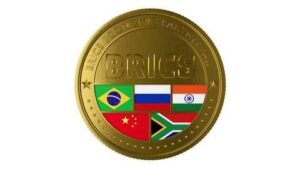
Russia’s crypto initiative cannot be separated from broader BRICS developments. The BRICS grouping increasingly emphasizes financial sovereignty, local-currency trade, and alternative payment systems. While proposals for a common BRICS currency remain distant, practical integration is accelerating. Cross-border payment platforms. Local currency settlements. Digital finance cooperation. Central bank digital currency experiments. Crypto-based settlements could become another layer within this evolving architecture. Importantly, cryptocurrency allows interoperability across jurisdictions with vastly different monetary systems. This flexibility gives digital assets a unique advantage. Rather than replacing national currencies, crypto can function as connective tissue linking diverse financial ecosystems.
The Stablecoin Revolution

Much attention focuses on Bitcoin. However, stablecoins may ultimately prove more important. Stablecoins combine blockchain efficiency with price stability. For businesses, this matters enormously. Exporters and importers generally seek predictable settlement values rather than speculative exposure. Dollar-pegged stablecoins already process transaction volumes exceeding those of many traditional payment networks. Russia’s interest in stablecoins reflects this reality. The emergence of ruble-linked, dirham-linked, and potentially BRICS-oriented stablecoins could create a new ecosystem for Global South commerce. If successful, stablecoins may become the primary mechanism through which Russia expands crypto-based trade.
The Strategic Implications

The most significant consequence of Russia’s crypto legalization is not technological. It is geopolitical. Financial power has historically depended on control over payment infrastructure. The United States derives considerable influence from the dollar’s central role in global finance. Sanctions effectiveness depends partly on that position. Russia’s crypto strategy aims to reduce vulnerability to such leverage. Whether it succeeds remains uncertain. However, the effort reflects a broader trend. Countries across the Global South increasingly seek greater autonomy in international finance. Digital currencies, stablecoins, and blockchain-based payment systems provide new tools for achieving that objective.
Challenges and Limitations

The transition will not be seamless. Several obstacles remain. Regulatory uncertainty persists across many jurisdictions. Compliance requirements continue evolving. Liquidity constraints may limit large-scale adoption. Stablecoin governance remains controversial. Western authorities are likely to increase scrutiny of crypto-enabled trade networks. Moreover, many major trading partners will remain cautious. China prioritizes the digital yuan. India maintains regulatory reservations. ASEAN countries possess varying levels of crypto acceptance. These realities suggest gradual rather than revolutionary change.
The Next Phase of Russia’s Pivot to Asia
Russia’s legalization of Bitcoin and stablecoins for foreign trade should be understood as part of a much larger transformation. The policy is not simply about cryptocurrency. It is about the emergence of an alternative financial geography centered on Asia, the Middle East, Eurasia, and the Global South. China offers scale. India offers market potential. The UAE provides financial infrastructure. Turkiye serves as a strategic corridor. Iran contributes sanctions-resistant integration. ASEAN delivers long-term growth opportunities. Together, these relationships create the foundations of a new payment ecosystem. Whether cryptocurrency ultimately becomes a dominant settlement mechanism remains uncertain. What is increasingly clear, however, is that digital assets are becoming embedded within the broader architecture of Russia’s eastward economic pivot. The strongest insight from the available evidence is that Russia is no longer treating crypto as a speculative phenomenon. Moscow is treating it as infrastructure. And infrastructure, unlike markets, shapes the future for decades. If the experiment succeeds, the July 2026 legislation may eventually be remembered not as a cryptocurrency milestone but as a pivotal step in the gradual construction of a parallel Eurasian financial order.
The article was written by Ms. Begum, an analyst for Russia’s Pivot To Asia. She may be reached at info@russiaspviottoasia.com