
 Русский






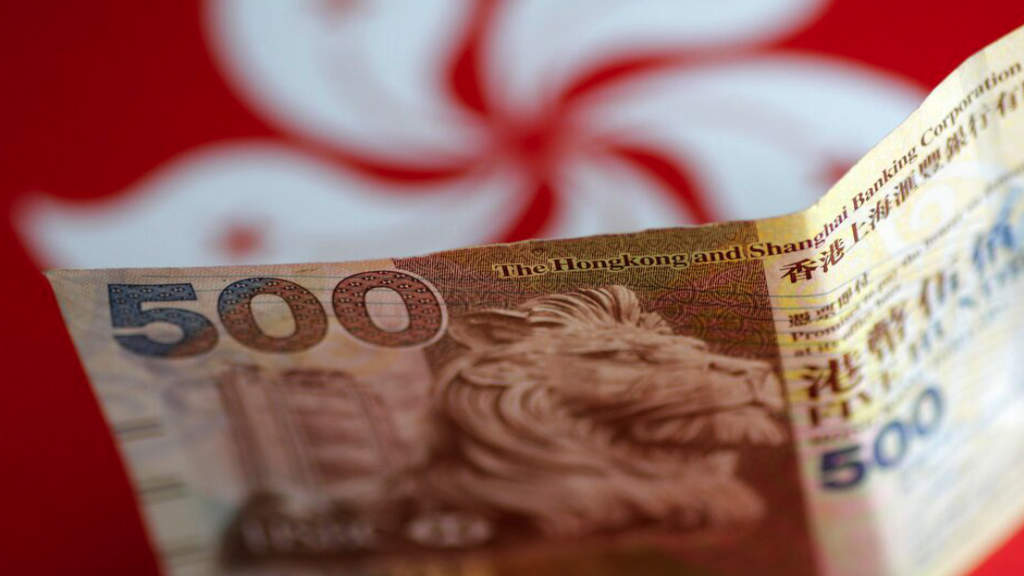

Kazakhstan’s national railway company, Kazakhstan Temir Zholy (KTZ), is considering Hong Kong as a venue for an initial public offering planned for late 2026, according to the Astana International Exchange (AIX).
Saken Muratuly, the head of Kazakhstan’s sovereign wealth fund, Samruk-Kazyna representative office in China, said during a capital markets panel session at AIFC Connect in Shanghai that Hong Kong would be one of the international venues for KTZ’s IPO. KTZ would be attractive to Chinese investors because the company is a key link in the Middle Corridor, a trade route connecting China to Europe.
Muratuly said that traditionally 96% of goods from China to Europe were transported by sea, but geopolitical circumstances in recent months have shown that route can be vulnerable. “Maritime delivery takes about two months, while KTZ can deliver cargo to Europe in 14 days. That route previously took 18 days, but infrastructure modernization allowed the company to reduce transit time.”
KTZ has recently invested US$15 billion in its infrastructure and plans to invest the same amount by 2030. KTZ previously said it aims to hold an IPO later this year to pay down its debt. The company’s balance sheet debt stands at 3.8 trillion tenge, (US$8.3 billion) with nominal debt at 4.7 trillion tenge (US$10.3 billion). Kazakh Transport Minister Nurlan Sauranbayev said that in the future, KTZ would become one of the top dividend payers within the Samruk-Kazyna group of companies.
KTZ is a transport and logistics holding company and the operator of Kazakhstan’s main railway network. It is owned by the Kazakh state fund Samruk-Kazyna.
The move illustrates how geopolitics is changing both Central Asia and South Asia as the two regions connectivity improves. China’s Belt & Road Initiative is partially responsible for this, with Beijing spending about US$1 trillion on infrastructure development projects to better connect it to the entire Eurasian region, including Russia. China has also been involved in numerous rail projects in Uzbekistan and Tajikistan, which interface with often Russian-funded rail projects meeting in the middle. The recent events in the Middle East has also shown the need for alternative supply chains to be developed to avoid potential bottlenecks in the region. Central Asia and Russia are these alternative routes.
Hong Kong’s role is also shifting with a view towards opportunities in the Eurasian region a departure from its traditional concentration on financing projects and raising capital in China and elsewhere in Asia. In future, should the KTZ listing go ahead and prove successful, we may see more Central Asian IPOs come to Hong Kong, and eventually possibly also from Russian businesses. That will mean more financial expertise – and Russian language capabilities – will be required within Hong Kong’s markets as brokers move to understand this new opportunity.
Companies such as Rosatom have already been raising money in China via ‘Panda Bonds’.