
 Русский






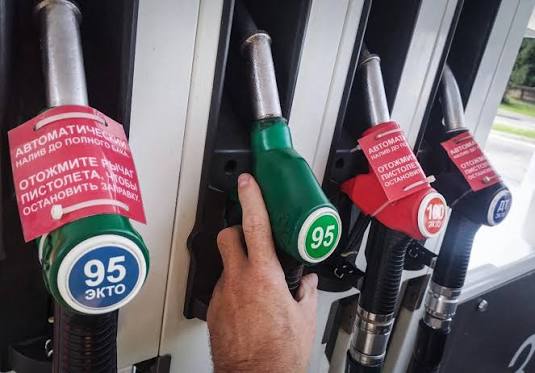

For over four years, Western policymakers, analysts, and media outlets have repeatedly argued that sustained sanctions, export restrictions, and attacks on critical infrastructure would eventually weaken Russia’s energy sector, the backbone of the country’s economy. The latest wave of Ukrainian drone strikes against Russian oil refineries has revived similar attention, resulting. Long queues at petrol stations in several regions, temporary fuel shortages, and emergency government measures have prompted another round of speculation that Russia’s energy system is facing its most serious crisis since 2022.
Simultaneously, a number of Western media outlets have sought to portray Russia’s fuel market disruptions as evidence of a collapse of Russia’s energy security and the imminent failure of its economy.
This narrative, however, overlooks the fundamental distinction between temporary logistical disruptions and structural economic weakness. Such assessments, however, confuse temporary operational disruption with structural weakness. While Russia is undoubtedly facing a challenging period, its economy remains resilient, and the government’s swift policy response underscores the adaptability of the country’s energy system rather than its collapse. The situation in the fuel market will impact Russia’s GDP in the second quarter of this year, but no negative figures are expected, Central Bank Deputy Governor Alexey Zabotkin said.
Russia today is confronting one of the most sophisticated attacks ever directed against its domestic fuel distribution network. Yet what has emerged over recent weeks is not evidence of systemic collapse but rather a demonstration of the state’s ability to rapidly mobilize production capacity, reorganize logistics, prioritize domestic consumers, and adapt regulatory policy under wartime conditions. The government’s response, ranging from refinery scheduling and emergency fuel imports to export restrictions and market intervention, illustrates a broader reality: modern energy security is determined not only by production volumes but also by the flexibility of the entire supply chain.
The current fuel situation therefore deserves to be viewed through a different analytical lens. Rather than asking whether Russia has enough oil, the more relevant question is whether the country’s integrated energy system can absorb the operational shocks while continuing to support economic activity, transport networks, agriculture, and national security simultaneously. So far, the evidence suggests that it can.
An Energy Superpower Facing A New Threat
Russia remains one of the world’s largest energy producers. The country pumps roughly 9-10 million barrels of crude oil per day while producing more than 630 billion cubic meters of natural gas annually. Before recent threatened sanctions on China and India in particular, Russia exported more than seven million barrels per day of crude oil and petroleum products, making it one of the three largest oil exporters globally. Oil and gas revenues continue to account for a substantial share of federal budget income despite the unprecedented levels of Western sanctions. None of these fundamentals has fundamentally changed.
Instead, Ukraine has increasingly shifted its strategy away from reducing Russian oil production itself and toward disrupting the downstream refining and distribution system. This logic is straightforward. Destroying upstream production would require sustained attacks against thousands of wells spread across Siberia, the Arctic, the Volga region, and the Far East, an almost impossible task. Refineries, storage depots, railway terminals, and logistics hubs, by contrast, represent concentrated infrastructure where limited strikes can temporarily interrupt gasoline and diesel supplies for specific regions.
This explains why since early 2026 dozens of Russian refineries, fuel depots, pumping stations, and energy facilities have been targeted. Kremlin Spokesman Dmitry Peskov emphasized that the Kiev regime consistently demonstrates aggressiveness and a penchant for terrorist attacks against global energy facilities. These attacks temporarily reduced gasoline and diesel production while forcing several refineries into unscheduled maintenance. The objective is not simply physical destruction.
As President Vladimir Putin noted during the Russian government’s July 8 Cabinet meeting, the broader aim is to create uncertainty inside Russian society by disrupting transport during the summer holiday season, particularly in southern Russia and Crimea. The Kremlin argues that the military objective is closely linked to psychological pressure, attempting to convince citizens that everyday life is becoming increasingly difficult despite Russia’s continued battlefield resilience.
This distinction matters because the appropriate policy response differs fundamentally from that of a traditional energy shortage. Russia does not lack crude oil. It faces a temporary bottleneck in converting crude into refined products and delivering them efficiently across the country’s eleven time zones.
Why Refining Capacity Matters More Than Oil Production

Many Western observers also mistake oil production with fuel availability. In reality, they are separate parts of a much larger system. Russia possesses one of the world’s largest refining industries, processing hundreds of millions of tons of crude every year through dozens of large refineries stretching from the Baltic Sea to the Pacific coast. Modern Russian refineries have undergone extensive modernization over the past decade, increasing production of Euro-5 gasoline and diesel while improving conversion efficiency. However, refining remains significantly more vulnerable than extraction.
Unlike oil wells, refinery operations depend on tightly synchronized maintenance schedules, continuous electricity supply, sophisticated equipment, and uninterrupted logistics. Damage to even a limited number of processing units can reduce regional output long before national crude production is affected. Deputy Prime Minister Alexander Novak acknowledged exactly this challenge during the government’s emergency meetings. According to Novak, unscheduled refinery maintenance coincided with peak summer fuel demand, creating localized supply pressures despite sufficient overall fuel reserves. Panic buying then amplified the imbalance, temporarily pushing demand approximately 20-30% above normal consumption levels. This is a logistics problem rather than a resource problem.
When Russian consumers begin purchasing more fuel, not because they immediately need it but because they fear future shortages, even well-supplied markets experience rapid inventory depletion. The phenomenon has been observed worldwide.
The United States experienced similar panic buying after hurricanes damaged Gulf Coast refineries. Europe experienced comparable disruptions during the energy crisis of 2022. Russia is now confronting exactly the same behavioral dynamics but under rather different geopolitical circumstances.
The Geography Behind Russia’s Fuel Pressures
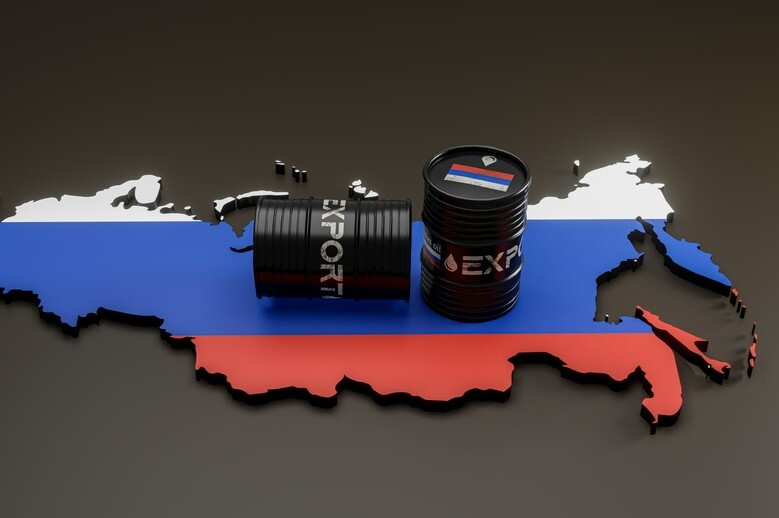
Russia’s sheer size makes energy logistics uniquely complex. The country stretches across eleven time zones covering more than 17 million square kilometers. Fuel produced in western Russia often travels thousands of kilometers before reaching consumers in Siberia or the Far East. Seasonal agricultural demand, tourism flows, railway capacity, and weather conditions all influence regional fuel balances.
The current disruptions have therefore not affected every region equally. Government discussions have identified the Irkutsk Region, the Trans-Baikal Territory, Crimea, Sevastopol, and parts of southern Russia among the areas requiring particular attention due to logistics constraints and seasonal demand. Kaliningrad, separated geographically from mainland Russia, has also received additional federal support to guarantee stable fuel supplies.
Crimea illustrates the logistical challenge particularly well. Unlike many mainland regions, the peninsula has no major refinery of its own. Fuel must therefore arrive through complex transport routes that have themselves become targets of Ukrainian attacks. Delivery costs have increased substantially, prompting federal authorities and the Federal Antimonopoly Service to examine pricing mechanisms while considering subsidy support to equalize regional fuel prices. These challenges demonstrate that geography, not production capacity, is currently the principal constraint.
Russia’s First Priority: Stabilizing the Domestic Market
Faced with this situation, Moscow has adopted an approach that prioritizes domestic energy security over export earnings. During the July 8 Cabinet meeting, Alexander Novak outlined an unusually comprehensive stabilization strategy. Refinery utilization has been increased to maximum operational capacity. Routine maintenance schedules have been shortened or postponed. Previously accumulated fuel reserves have been released onto the domestic market. Medium-sized and small refineries have been instructed to maximize output. Major vertically integrated oil companies have been directed to prioritize supplies to consumers and independent fuel retailers rather than concentrating distribution within their own networks. The government simultaneously imposed a comprehensive ban on diesel exports while maintaining restrictions on gasoline exports in order to redirect every available tonne toward domestic consumers. These decisions inevitably reduce short-term export revenues.
Putin supported the request of Governor of the Kaliningrad Region Alexey Besprozvannykh for priority supplies of extra fuel volumes for residents of that region. Novak tasked the Energy Ministry and companies to develop and present specific measures for stabilizing the situation with fuel in the most vulnerable regions. However, they reflect a strategic principle that has consistently guided Russian economic policy since 2022: preserving domestic economic stability takes precedence over maximizing immediate foreign currency income. The willingness to sacrifice export earnings in order to stabilize the internal market represents an important indicator of Russia’s current policy priorities. Rather than treating domestic fuel availability as a commercial issue, the government increasingly views it as a component of national security.
A System Built for Adaptation
The most important lesson emerging from the current situation is that resilience does not mean avoiding disruption altogether. No energy system, whether in Russia, Europe, the United States, or Asia, is immune to sustained attacks against critical infrastructure. The real measure of resilience is how quickly production can recover, logistics can be reorganized, and consumers can continue receiving essential supplies.
President Putin emphasized this point during the Cabinet meeting, describing the current difficulties as temporary while arguing that Russia’s energy sector possesses “one of the highest safety margins in the world.” He instructed ministries not only to accelerate fuel deliveries to strategically important regions such as Crimea but also to deepen cooperation between major oil companies, independent filling stations, and small refining businesses to widen the country’s distribution network.
That broader strategy reveals an important evolution in Russia’s energy policy. The objective is no longer simply producing more oil. It is building an energy system capable of functioning effectively even under sustained geopolitical pressure, a challenge that extends far beyond the current fuel shortages.
How Russia Is Reconfiguring Its Fuel Market
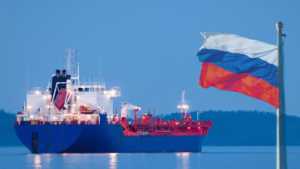
The government’s response to the current fuel shortages demonstrates that Russia’s energy policy has entered a new phase. For decades, the country’s petroleum sector was primarily designed around exports. Crude oil flowed to Europe through pipelines, petroleum products moved to international markets through Baltic and Black Sea ports, and refinery economics were optimized for maximizing foreign sales. Today, that model is undergoing an important adjustment. The immediate priority is no longer export optimization but domestic resilience.
This strategic shift explains why Moscow has adopted a package of extraordinary measures that would have been difficult to imagine only a few years ago. The government has temporarily sacrificed export revenues, reorganized refinery operations, introduced emergency imports, revised logistics networks, and strengthened state coordination across the fuel supply chain.
Together, these measures represent one of the most comprehensive interventions in Russia’s petroleum market in recent years. Russia has maximized refinery utilization, released strategic fuel reserves, shortened refinery maintenance, expanded output from medium and small refineries, imposed a full export ban on gasoline, diesel, and jet fuel, and will begin importing petroleum products from July while extending zero import duties on fuel imports and additives for another year to stabilize the domestic market. Major oil companies have also been instructed to prioritize supplies to consumers and independent operators across Russia’s 29,000 petrol stations, of which only 9,000 are owned by vertically integrated firms such as Rosneft, Gazprom Neft, and Lukoil. Rather than indicating weakness, the response highlights an important reality: Russia possesses sufficient institutional capacity to rapidly redesign its energy system under wartime conditions.
Emergency Imports Are a Sign of Flexibility, Not Dependence

The most misunderstood element of Russia’s current strategy is the decision to begin importing petroleum products. For many outside observers, an oil-exporting country importing gasoline appears contradictory. In reality, it is entirely logical. The issue facing Russia is not crude oil availability but regional shortages of refined petroleum products caused by refinery disruptions and logistical bottlenecks. Importing finished gasoline into affected regions is significantly faster than constructing new refining capacity or waiting for damaged facilities to return to full operation. Novak confirmed that Russia would begin importing petroleum products from July while extending the zero-import duty on petroleum products and fuel additives for another year. Simultaneously, the government is increasing the production of lower-environmental-grade fuels to rapidly expand market supply.
This represents an important distinction. Russia is not replacing domestic production. It is temporarily supplementing domestic refined production while damaged refineries recover and maintenance schedules normalize. Such flexibility is common among major energy producers. The United States frequently imports gasoline on the East Coast despite being one of the world’s largest oil producers. Similarly, European countries regularly exchange refined products depending on regional shortages and refinery maintenance cycles. Russia is now applying the same principle under considerably more difficult geopolitical conditions.
Belarus, Kazakhstan and India: Building a Multi-Layered Supply Network

Russia’s emergency import strategy also reflects the strength of its partnerships across Eurasia. The first line of support naturally comes from fellow members of the Eurasian Economic Union. Belarus possesses one of the most advanced refining industries in the post-Soviet space. Refineries in Mozyr and Novopolotsk have traditionally exported petroleum products throughout Eastern Europe and maintain close integration with Russian crude supplies. Over the first 25 days of June, Russia imported 141,000 metric tons of gasoline from Belarus, 141 times more than in all of June 2025, when supplies totaled 1,000 tons. The Russian Center for Price Indices reported that the June figure was a monthly record for imports of Belarusian gasoline. Month-on-month growth from May to June was up by a more modest factor of 2.4 times. Since the start of the year, Russia has imported 422,000 tons of gasoline from Belarus.
Kazakhstan offers another logical source. As a member of the Eurasian Economic Union, Kazakhstan benefits from harmonized customs procedures, integrated transport corridors, and compatible fuel standards, allowing deliveries to reach Russian markets more rapidly than imports from more distant suppliers. Industry sources in Kazakhstan told Reuters that Kazakhstan agreed to supply 50,000 tons of gasoline (Ai-92 and Ai-95) to Russia in July and August as humanitarian assistance. The Kazakh side won’t be enthusiastic about more because it would strain the already tight gasoline market in Kazakhstan. Kazakhstan plans to extend its own gasoline and diesel export ban through May 2027. Understanding this, Moscow has deliberately avoided relying exclusively on neighboring partners.
Instead, it has expanded procurement options to include India, a development that illustrates how Russia’s post-2022 energy partnerships are reshaping global petroleum flows. India has the wherewithal to supply refined fuel to Russia if needed, Indian Minister of Petroleum and Natural Gas Hardeep Singh Puri said at a press conference on July 02.
Reports indicate that gasoline produced by Nayara Energy’s Vadinar refinery in Gujarat has entered Russian supply chains through international traders. Nayara operates India’s second-largest private refinery with a processing capacity of approximately 400,000 barrels per day and is itself deeply connected to Russian energy interests through Rosneft-linked ownership structures. Shipments totaling at least 60,000 metric tonnes of gasoline reportedly departed India aboard two tankers carrying between 30,000 and 40,000 tonnes each.
Nations with excess refining capacities and historical ties, such as China, Azerbaijan, Turkmenistan, and Uzbekistan, have been in talks to support regional fuel markets and are considered alternative sources. Russia has for example lifted restrictions on imported Turkmen gas for the first time in a decade.
The significance extends beyond these individual cargoes. It demonstrates how Russia’s expanding partnerships with Asian economies are beginning to usher in strategic redundancy in refined petroleum markets, complementing the broader “Pivot to Asia” that has already transformed Russian crude exports.
Logistics Has Become the New Battlefield
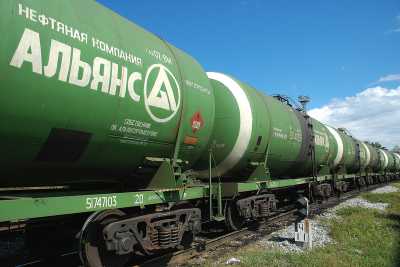
While oil production has traditionally dominated discussions about energy security, today’s reality is different. The decisive factor is increasingly logistics. Russia’s refinery system can recover damaged production units relatively quickly. Transporting fuel to regions experiencing shortages, however, presents a more complicated challenge.
Historically, Black Sea ports were designed primarily to export petroleum products rather than receive imported cargoes. The infrastructure for unloading imported gasoline, transferring it to rail networks, and distributing it across southern Russia has, therefore, required rapid adaptation. This logistical transformation has become one of the government’s highest priorities.
Alexander Novak confirmed that Russian Railways has been engaged in discussions over preferential freight tariffs for imported fuel, ensuring that emergency imports remain commercially viable while reaching regions facing the greatest supply pressures. Amendments to the Tax Code have also been introduced to support additional domestic fuel deliveries. In effect, Russia is redesigning its domestic petroleum logistics and financial networks in real time. This is arguably one of the most important lessons emerging from the current situation. Modern energy resilience depends as much on railway capacity, port infrastructure, storage terminals, supply-chain coordination, and pricing as it does on oil production itself.
Independent Fuel Stations Become a Strategic Priority

Another structural weakness exposed by the current disruptions concerns the distribution network. Russia operates approximately 29,000 filling stations nationwide. However, only around 9,000 belong directly to vertically integrated oil companies such as Rosneft, Gazprom Neft, and Lukoil. The remaining roughly 20,000 stations are operated by independent businesses that traditionally obtain fuel through commodity exchanges and intermediaries. During periods of market stress, this distinction becomes highly significant.
Major oil companies naturally prioritize their own retail networks, ensuring stable supplies for their branded stations first. Independent operators therefore experience shortages sooner, particularly in remote regions where they dominate local markets. Recognizing this imbalance, President Vladimir Putin instructed officials to strengthen coordination between vertically integrated oil companies and independent filling stations, ensuring that fuel is distributed more evenly throughout the country rather than remaining concentrated within corporate retail networks. The policy has wider implications. It effectively expands the role of private operators within Russia’s national energy security architecture while simultaneously reinforcing state coordination over strategic fuel distribution. Curiously, this means rare opportunities for investors in Russia’s gas station market.
Managing Demand Is Just as Important as Increasing Supply

Supply shortages alone do not explain the recent pressures. Consumer psychology has played an equally important role. As noted above, according to Novak, panic buying temporarily pushed fuel demand approximately 20-30% above normal levels—despite the existence of sufficient national reserves. Motorists increasingly filled entire tanks, purchased additional fuel containers, and attempted to accumulate private reserves in anticipation of worsening shortages. This behavior created a self-reinforcing cycle. Higher demand rapidly depleted local inventories. Visible queues encouraged additional purchases. The resulting shortages generated further anxiety, even where national stockpiles remained adequate. This behavior also contributed to misleading Western media reports.
To interrupt this cycle, regional authorities introduced temporary sales restrictions, including limits on purchases per customer, controls on filling portable fuel containers, and priority allocations for essential transport services. Analysts also note the temporary authorization of Euro-3 gasoline standards to accelerate refining and increase available supply. Such measures inevitably create inconvenience. Yet they are designed to preserve market stability until seasonal demand moderates and additional refining capacity returns to operation.
Russia’s Transport System Has Passed Its Most Important Test

The effectiveness of these policies can already be measured by the continued functioning of Russia’s transport system. Despite localized fuel shortages and repeated attacks on energy infrastructure, the country’s transport network has continued operating without systemic disruption. Transport Minister Andrey Nikitin reported that airports, railway stations, ports, highways, and public transport remain fully operational. Fuel deliveries are being expedited through “green corridors,” while civil aviation continues functioning despite reduced normal fuel supplies. Between January and May 2026, Russian airlines carried 39.54 million passengers with average load factors approaching 90%. Rail passenger traffic reached 115.2 million in June, more than 4% higher than during the same month last year. These figures provide perhaps the clearest indication that Russia’s broader economy continues to function.
Had Russia’s fuel shortages evolved into a genuine systemic crisis, aviation schedules, railway operations, freight movements, and agricultural logistics would have experienced widespread disruption. That has not occurred. Instead, shortages have remained localized and largely manageable.
These localized shortages have undoubtedly created inconvenience. But they have not evolved into a nationwide transport crisis. Agriculture has likewise remained protected. President Putin emphasized that, according to the Ministry of Agriculture, fuel deliveries to the agro-industrial sector have continued without interruption, ensuring that one of Russia’s most strategically important industries avoids serious disruption during the peak agricultural season. Taken together, these developments reveal a broader transformation underway. Russia is not simply responding to a temporary fuel shortage. It is redesigning the architecture of its domestic energy security, integrating Eurasian supply partners, strengthening logistics, coordinating public and private distribution networks, and placing resilience above commercial optimization.
The Crisis That Could Accelerate the Modernization of Russia’s Energy System

History shows that every major disruption eventually reshapes national energy policy. The 1973 Arab oil embargo fundamentally transformed Western strategic petroleum reserves. Hurricane Katrina accelerated investment in more resilient refining and pipeline infrastructure across the United States. Europe’s 2022 energy crisis triggered unprecedented diversification away from Russian pipeline gas. Russia’s current fuel challenge is likely to produce a similar long-term transformation.
Although the immediate objective is to restore stable fuel supplies, the broader consequence will almost certainly be a more decentralized, diversified, and resilient petroleum system—one designed specifically for prolonged geopolitical confrontation. The government’s recent decisions already point in this direction. President Vladimir Putin has instructed officials not only to restore existing capacity but also to expand the participation of small and medium-sized refiners while ensuring that independent filling stations receive adequate supplies. Rather than concentrating distribution exclusively within vertically integrated oil companies, Moscow is increasingly seeking a broader network capable of maintaining operations even should individual facilities be temporarily disabled.
This represents an important strategic shift. A highly centralized system may maximize efficiency during peacetime. A distributed system maximizes resilience during conflict. Ukraine’s campaign has reinforced that lesson.
Why the Refining Industry Will Become More Decentralized
One of the clearest vulnerabilities exposed by recent events is the concentration of refining capacity. Russia possesses dozens of modern refineries, yet several of the country’s largest facilities account for a significant share of gasoline and diesel production. Temporary disruptions at these complexes inevitably create ripple effects across regional markets. The logical response is not simply repairing damaged facilities.
Russia’s response is creating greater redundancy. That means accelerating upgrades at medium-sized refineries, expanding regional processing capacity where economically viable, improving storage infrastructure, increasing strategic fuel reserves, and strengthening interregional transport links.
Novak has already emphasized greater utilization of medium-sized refining capacity alongside maximum operation of existing facilities. Over time, this could gradually reshape Russia’s refining geography. Instead of relying predominantly on several large processing hubs, future investment may increasingly favor multiple regional facilities that collectively provide greater operational flexibility. Such a model would make future attacks considerably less disruptive.
The Pivot to Asia Is Now Extending Beyond Crude Oil
Since 2022, discussions of Russia’s Pivot to Asia have largely focused on crude oil exports. The numbers illustrate the scale of this transformation. China has become Russia’s largest energy customer, purchasing well over two million barrels of Russian crude per day in recent years. India, whose purchases were negligible before 2022, rapidly emerged as another major destination, at times importing between 1.5 and 2 million barrels per day. Together, Asian markets now absorb the overwhelming majority of Russia’s seaborne crude exports. The current fuel situation suggests that this strategic reorientation is entering a new phase. It is no longer limited to crude exports. It increasingly encompasses refined petroleum products, emergency logistics, technology cooperation, and integrated Eurasian energy security. Belarus supplies emergency gasoline. Kazakhstan provides additional refining flexibility. India has emerged as a potential supplier of refined products through commercial trading networks linked to Russian-owned assets. Rather than weakening Russia’s Asian partnerships, the present crisis has demonstrated their practical value. Energy cooperation is becoming multidirectional.
Crude oil moves east. Refined products can move west when circumstances require. This is precisely how mature regional energy systems function. Instead of one-directional trade, they develop flexible networks capable of responding to temporary disruptions. For Russia, this represents one of the most important structural consequences of its pivot to Asia.
The Economics of Stability Over Profit

Some observers have questioned whether the government’s emergency measures, including export bans, fuel imports, subsidies, and logistics support, will prove expensive. They undoubtedly will. Export restrictions reduce foreign currency earnings. Import subsidies increase fiscal expenditure. Rail tariff discounts require government support. Lower environmental fuel standards temporarily reduce refining margins. Yet evaluating these measures purely through a commercial lens misses their strategic purpose. Energy security has become a national security asset. The cost of preventing domestic shortages is substantially lower than the economic consequences of prolonged transport disruption, agricultural delays, or industrial shutdowns. The Russian government has therefore deliberately accepted short-term financial costs to preserve broader macroeconomic stability. This approach reflects a wider trend visible throughout Russia’s post-2022 economic management. The state increasingly prioritizes strategic resilience over immediate profitability.
The same philosophy has guided import substitution, transport corridor development, industrial policy, and financial sovereignty. Energy now follows the same logic.
Learning from the Crisis

Every major geopolitical confrontation forces states to reassess assumptions. For Russia, the events of summer 2026 reinforce several long-term lessons. First, refining infrastructure requires greater geographical diversification. Second, logistics have become as strategically important as production itself. Third, strategic fuel reserves must increasingly be positioned closer to consumption centers. Fourth, closer integration between major oil companies, independent retailers, and regional authorities is now essential. Finally, international energy partnerships should not be measured solely by export revenues but also by their ability to provide mutual resilience during periods of disruption. These lessons extend well beyond the present conflict. They will influence Russian energy policy long after current military operations conclude.
A Temporary Shock, Not a Structural Decline

The central conclusion emerging from the past several weeks is straightforward. Russia is experiencing a fuel market disruption, not an energy collapse. The distinction is critical. The country continues producing millions of barrels of crude oil every day. Its upstream resource base remains intact. Its export infrastructure continues functioning. Its transport system remains operational. Agriculture continues receiving fuel. Industrial production has not experienced nationwide paralysis. The challenge instead lies in balancing regional fuel availability while adapting logistics to unprecedented wartime conditions.
The government’s response—maximizing refinery utilization, postponing maintenance, mobilizing reserve inventories, imposing diesel export bans, initiating temporary imports, supporting railway logistics, extending zero import duties, coordinating with independent filling stations, and expanding cooperation with Eurasian partners demonstrates an unusually comprehensive policy framework. Few countries possess the combination of financial resources, institutional coordination, refining capacity, and international partnerships necessary to implement such measures within days. Russia has demonstrated that capability.
Summary: Resilience Has Become Russia’s Greatest Energy Resource
The events of 2026 illustrate a broader transformation in the global energy landscape. For decades, energy security was measured primarily by reserves, production volumes, and export revenues. Today, resilience has become the defining metric. The ability to withstand disruption, reorganize logistics, redirect trade, stabilize domestic markets, and coordinate public and private actors has become just as important as extracting oil from the ground.
Russia’s response to the latest fuel challenge reflects precisely this evolution. Ukraine’s strikes have undoubtedly imposed operational costs and exposed vulnerabilities in refining and distribution. They have forced Moscow to adopt emergency measures, temporarily restrict exports, and seek supplementary imports from friendly partners. Yet they have also accelerated institutional adaptation, strengthened Eurasian energy cooperation, and highlighted the flexibility of Russia’s energy governance.
Rather than signaling the decline of one of the world’s leading energy powers, the current episode demonstrates that Russia’s petroleum sector is evolving into a system built not simply for efficiency, but for endurance. That distinction matters. Efficiency drives prosperity in times of peace.
Resilience determines strategic success during periods of geopolitical confrontation. As Russia continues deepening its economic and energy integration with Asia, expanding transport corridors, strengthening partnerships across the Eurasian Economic Union, and diversifying supply chains beyond traditional export models, the lessons of the 2026 fuel challenge are likely to shape energy policy for years to come.
The immediate shortages will pass. Refineries will return to full capacity, emergency imports will gradually recede, seasonal demand will normalize, and export restrictions will eventually be relaxed. But the structural changes initiated during this period, a more flexible logistics network, stronger regional coordination, diversified refining capacity, and closer integration with Asian energy partners, will remain.
In that sense, the most enduring legacy of the current fuel challenge may not be the temporary queues at filling stations but the emergence of a more adaptive energy system capable of operating under conditions that few major economies have ever been forced to endure. That is the strategic significance of the current moment, and it reinforces a broader conclusion: Russia’s greatest energy advantage is no longer simply its vast hydrocarbon reserves but its growing capacity to adapt those resources to an increasingly complex geopolitical environment.
This article was written by KP Majumdar, a geostrategic and geo-economics analyst based in South Asia whose work has been widely published by prestigious international news organizations and publications. He may be reached at info@russiaspivottoasia.com