
 Русский








Russia’s Rostec, in cooperation with Chinese investors, is preparing to implement a “cross-border hydrogen corridor” project, involving the construction of facilities to produce hydrogen from natural gas and a chain of fueling stations along the highways between Russia and China, the company has announced, citing an MoU between the investing parties.
This document lays out key principles for the cooperation and a roadmap for the project and allows for the possibility of the parties creating a joint investment fund to scale up the project across both countries.
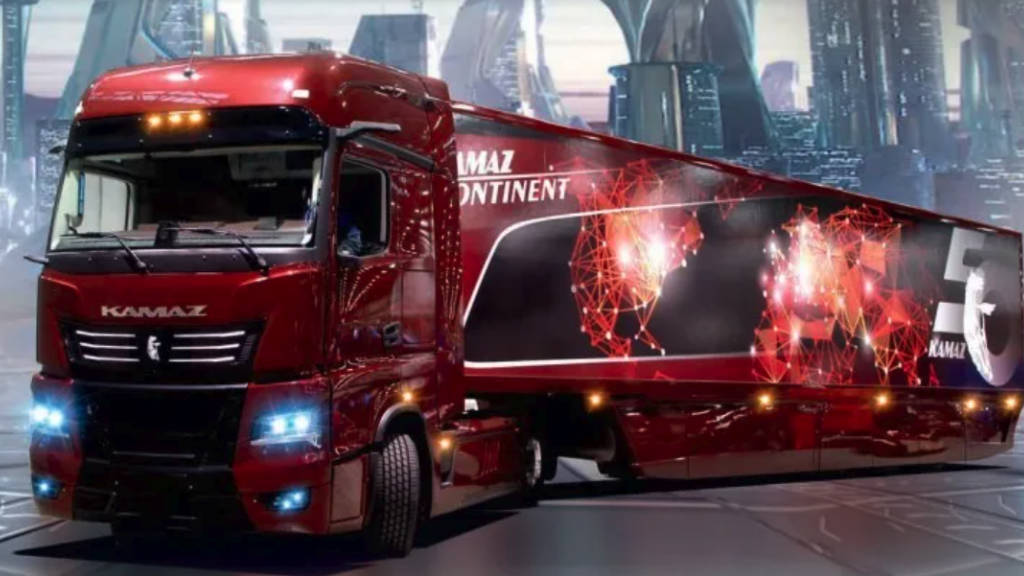
Rostec’s announcement stated that “The Russian-Chinese hydrogen transport corridor project is aimed at creating a high-tech hydrogen logistics industry in Russia’s Far East. This will allow for the mass production of hydrogen-fueled tanker trucks with zero emissions, a large power reserve, fast refueling, and excellent starting characteristics in cold weather, perfectly suited for the harsh climate and requirements of long-distance cross-border transportation in the Far East.”
Russia’s TopTech will assist in the construction of modular hydrogen production units at gas stations.
Rostec added, citing data from the Russian Transport Ministry, that cargo transportation by road between Russia and China had exceeded 6 million tonnes in the last two years and continued to grow. China is also actively increasing the use of hydrogen as fuel in cargo transportation—it has almost 600 functioning hydrogen fueling stations and continues to expand its hydrogen vehicle fleet, to which it added 3,700 new trucks in Q1 2026.
Hydrogen is a preferable fuel for vehicles in colder or winter climates, as diesel and other petroleum liquids tend to solidify, resulting in blockages within engine parts and reduced performance, while batteries easily lose their power in cold conditions. However, the latest generation of hydrogen fuel cell vehicles demonstrates remarkable resilience in sub-zero temperatures, with performance remaining stable down to -30°C. This represents a significant advancement in the technology’s commercial viability.