Русский








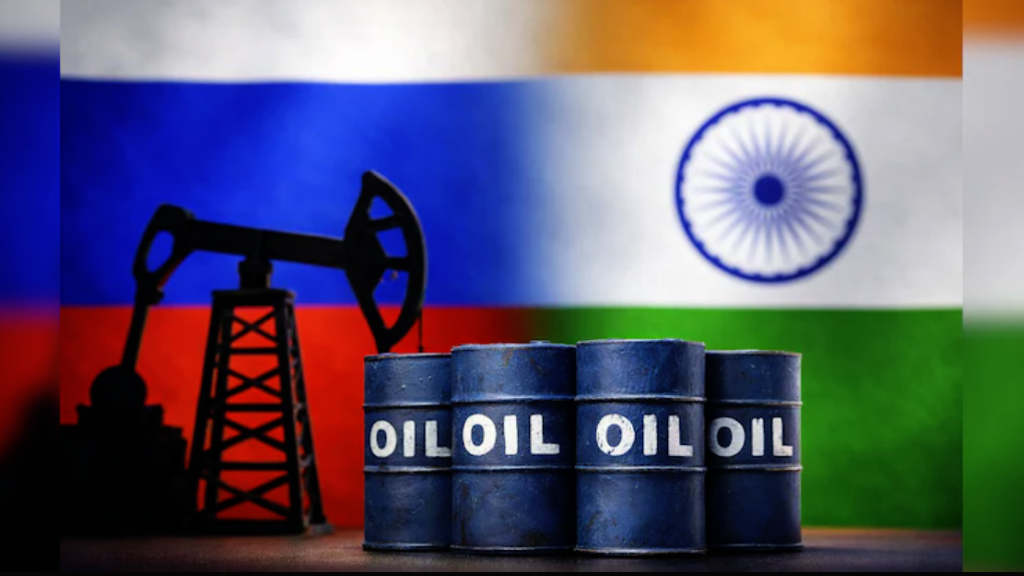

Russian oil exports to India rose in June, with shipments surging despite the third US sanctions waiver on oil purchases from Russia ending last week. India imported an average of 2.66 million barrels per day (bpd) of crude oil from Russia this month up to June 19, compared to 1.91 million bpd in May, according to data from Kpler. To put that into context, that additional volume is enough to power Singapore for about one week.
India is the world’s third-largest energy importer. New Delhi diversified its crude oil purchases after its crude, LNG, and LPG imports from the Gulf region were disrupted by the Middle East conflict and the closure of the Strait of Hormuz. Nearly a fifth of global energy shipments were routed through the strait before the US-Israeli war against Iran, sending oil prices soaring.
Oil shipments to India from the United Arab Emirates stood at 636,000 barrels per day (bpd), a slight dip from the 644,000 bpd imported a month ago. Venezuela emerged as India’s fourth-largest supplier with shipments of 209,000 bpd, behind Saudi Arabia’s 384,000 bpd.
The US has repeatedly urged India to buy more oil from its basket and explore the Venezuelan option after its troops kidnapped President Nicolas Maduro in January.
The U.S. general license, which temporarily eased restrictions on transactions with Russian oil, expired on June 17. The license was issued by the U.S. Department of the Treasury on March 5, 2026, and was extended twice by subsequent documents, despite claims to the contrary. This decision was made by the U.S. in order to stabilize global oil prices following the war with Iran. In 2025, Washington imposed a 25% tariff on imports from India, which was related to Indian companies’ purchases of Russian oil. Later that year, this tariff was lifted. A new extension is unlikely: as the US-Iran peace agreement takes shape, Middle Eastern oil supplies may return to the market.
However, the situation remains volatile: news on this topic is often contradictory, and it may take some time for long-term stability and reliable supply chains from the Middle East to fully recover.