
 Русский





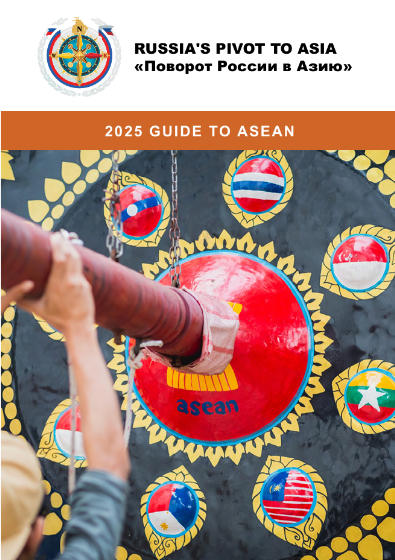
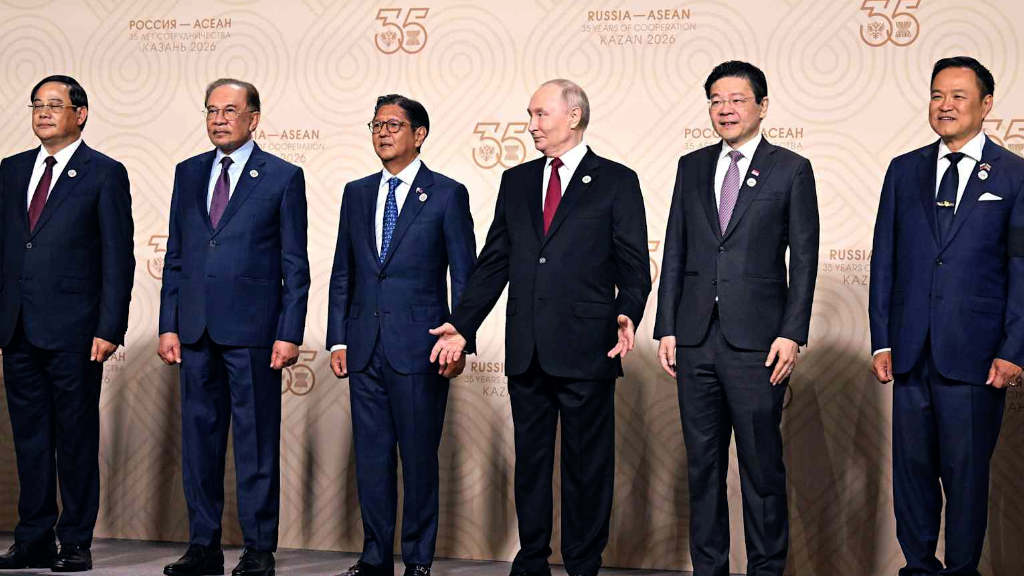

The Russia-ASEAN Summit in Kazan on June 17-19 marked a comprehensive strategic milestone in Russia’s long-term pivot toward Asia and demonstrated that Moscow is seeking to institutionalize a comprehensive partnership with one of the world’s fastest-growing economic regions. ASEAN’s collective GDP growth is expected to average about 4.7% in 2026, three times higher than the United States and a multiple of four times over the European Union.
The summit’s outcomes, anchored by the Kazan Declaration 2026, the Comprehensive Plan of Action for 2026-2030, joint statements on energy and cultural cooperation, and a range of other commitments, together with President Putin’s bilateral engagements with nine ASEAN top leaders and the multiple agreements signed at the Russia-ASEAN Business Forum signal a clear shift in Russia-ASEAN relations from dialogue-oriented cooperation toward practical implementation.
For Russia, ASEAN has become an increasingly significant pillar of economic diversification amid changing geopolitical conditions. ASEAN’s 11 member states represent a market of over 680 million and a combined GDP (PPP) of about US$14 trillion. Against this backdrop, results are no longer confined to political symbolism; they are increasingly focused on trade corridors, energy partnerships, technological cooperation, financial connectivity, and industrial investment.
Economic indicators underline this trajectory. According to information presented during the summit, Russia-ASEAN trade has increased by 58% over the past decade to reach about US$21 billion per annum, including an increase of Russian exports by 44%. Imports from ASEAN into Russia have reportedly risen by roughly 70% over the same period, illustrating two-way commercial growth rather than one-sided dependence. This is Russia’s Pivot To Asia in a nutshell – what used to be multilateral trade with the European Union has been totally converted to multilateral trade with Southeast Asia. Moscow was prepared and ready to make these changes and implemented them. Brussels has been completely outmaneuvered.
The 2026 Russia-ASEAN Business Forum
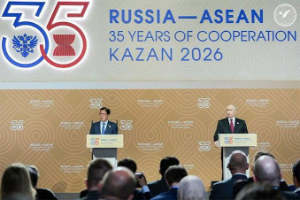
Held alongside the Russia-ASEAN Summit under the theme “Russia-ASEAN: Partnership Without Borders,” the Russia-ASEAN Business Forum illustrated Moscow’s determination to convert political goodwill into concrete commercial and investment opportunities. That manifested itself as an influential international platform for substantive and professional discussion of the main areas of development of trade, economic and investment cooperation between Russia and the ASEAN countries, as well as interaction within the framework of the EAEU-ASEAN partnership.
Chaired by the Russian President, the Forum included ASEAN Secretary-General Kao Kim Hourn, Malaysian Prime Minister Anwar Ibrahim, Thai Prime Minister Anutin Charnvirakul, Vietnamese Prime Minister Le Minh Hung, the Russian Minister of Economic Development Maxim Reshetnikov, Tatarstan Prime Minister Alexey Pesoshin, and Russia-ASEAN Business Council Chairman Ivan Polyakov, in addition to trade officials from 17 countries, including China.
In his address, Putin emphasized that Russia and ASEAN had created durable institutional links and a solid foundation for expanding business ties between Russia and Southeast Asia. Reflecting the changing priorities of the partnership, discussions focused on four major pillars:
- Cooperation in information technology and artificial intelligence;
- International trade, food security, and transport-logistics connectivity;
- Energy, infrastructure, and industrial cooperation within the Eurasian Economic Union (EAEU)-ASEAN framework;
- The role of traditional values and state-society relations in fostering long-term collaboration.
The forum also delivered tangible commercial outcomes through the signing of several agreements, including a Memorandum of Understanding between the Vietnam Chamber of Commerce and Industry and the Chamber of Commerce and Industry of the Republic of Tatarstan, as well as strategic and technological cooperation agreements between Russia’s Center Engineering and China’s Metalco Aviation Technology, as well as between Russia’s Center Engineering and China’s Wuxi Heyi Power Systems. These joint Russia-China projects are aimed at the ASEAN markets.
These agreements illustrate a practical shift toward industrial partnerships and technology collaboration rather than purely commodity trade. Senior corporate executives characterized the forum as establishing an enduring platform for identifying investment opportunities, removing systemic barriers, and facilitating long-term commercial integration, while Russian Presidential Adviser Anton Kobyakov described the event as the foundation of a major international platform for substantive dialogue on trade, investment, and economic cooperation between Russia and ASEAN, noting that the participation of the prime ministers of Malaysia, Thailand, and Vietnam reflected strong political support for deepening commercial engagement.
The Kazan Declaration: Institutionalizing a Multipolar Partnership
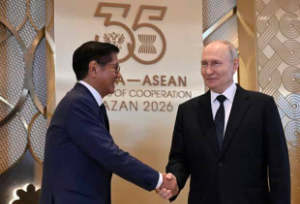
The summit’s principal political outcome was the adoption of the Kazan Declaration 2026, which establishes the conceptual framework for Russia-ASEAN cooperation in the coming years. This document embraces an expansive agenda encompassing trade, investment, food security, transport connectivity, digitalization, artificial intelligence, logistics, agriculture, tourism, science and technology, agriculture, energy, science and technology, creative industries, maritime cooperation, connectivity, as well as being driven by the UN Sustainable Development Goals (SDGs) 2030.
The declaration also acknowledges opportunities for closer interaction between ASEAN and Eurasian institutions such as the Eurasian Economic Union (EAEU) and the Shanghai Cooperation Organisation (SCO), hinting at a broader vision of Eurasian economic integration extending beyond bilateral relations.
The 2026-2030 Russia-ASEAN Comprehensive Plan of Action
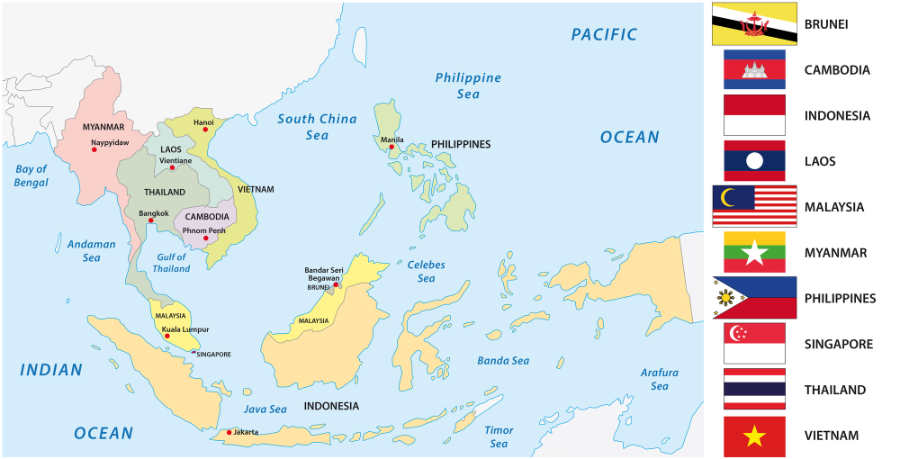
While the Kazan Declaration defines the strategic ambitions of Russia-ASEAN relations, the Comprehensive Plan of Action (CPA) for 2026-2030 serves as the roadmap for turning those ambitions into tangible results. More than a diplomatic statement, the five-year plan establishes a structured mechanism for expanding cooperation across politics, security, trade, investment, transport, energy, agriculture, science and technology, digital transformation, education, and people-to-people exchanges. Its significance lies in moving the partnership beyond periodic summits and political declarations toward institutionalized collaboration supported by sector-specific initiatives, regular consultations, and long-term implementation frameworks.
Economically, the CPA seeks to capitalize on the steady expansion of Russia-ASEAN commercial ties. It aims not only to expand trade volumes but also to diversify their composition by encouraging investment in manufacturing, advanced engineering, pharmaceuticals, agriculture, logistics, and high-value industrial sectors. It promotes stronger engagement between chambers of commerce, business associations, and private enterprises while creating conditions for long-term commercial partnerships that are less vulnerable to external economic shocks.
A particularly notable feature of the CPA is its strong emphasis on digital transformation and technological innovation, reflecting a recognition by both sides that future competitiveness will depend increasingly on knowledge-intensive industries rather than traditional commodity exchanges. The roadmap identifies digitalization, artificial intelligence, scientific research, advanced technologies, and innovation ecosystems as priority areas for collaboration. This opens opportunities for joint research projects, partnerships between universities and technology institutions, exchanges of technical expertise, and the development of digital platforms that can facilitate trade, logistics, financial services, and industrial modernization. In many respects, the plan signals Russia’s intention to position itself not only as an energy supplier but also as a technology and research partner for Southeast Asia’s rapidly growing digital economy.
The document also places considerable strategic importance on transport and logistics connectivity, recognizing that resilient infrastructure is essential for sustaining long-term economic integration. Recent disruptions to global supply chains have highlighted the risks of overdependence on limited transport routes, prompting both Russia and ASEAN to explore more diversified and efficient corridors linking Southeast Asia with the broader Eurasian region. The CPA therefore encourages cooperation in multimodal transport networks, customs facilitation, logistics modernization, maritime connectivity, and cross-border infrastructure development. Improved connectivity would not only lower transportation costs and reduce delivery times but also strengthen the resilience of regional trade against geopolitical instability and supply-chain disruptions.
Energy cooperation forms another central pillar of the five-year roadmap and complements the separate Joint Statement on Energy Cooperation adopted at the summit. The CPA promotes collaboration across conventional and emerging energy sectors, including oil, natural gas, liquefied natural gas (LNG), electricity, renewable energy, hydropower, hydrogen, bioenergy, energy efficiency, and low-carbon technologies. It also supports long-term investment partnerships and technological exchanges designed to enhance regional energy security while assisting ASEAN members in diversifying their energy mix. Discussions on peaceful nuclear energy, including civil nuclear technologies and small modular reactors, further illustrate the breadth of the proposed cooperation.
The plan also underscores the growing importance of food security and agricultural cooperation. Russia has expanded exports of grain, fertilizers, vegetable oils, and other agricultural products to Southeast Asia, while ASEAN economies continue to seek reliable suppliers amid increasingly volatile global food markets. By promoting collaboration in agricultural technologies, sustainable farming practices, supply-chain resilience, and food production, the CPA aims to strengthen long-term food security for both sides while creating new opportunities for agribusiness investment and scientific cooperation.
Another important dimension of the Comprehensive Plan is its focus on financial and institutional connectivity. Discussions surrounding the roadmap coincide with broader efforts to increase the use of national currencies in bilateral settlements and to develop payment mechanisms that reduce transaction costs and facilitate cross-border business. Regular ministerial dialogues, technical working groups, academic exchanges, and professional training initiatives are intended to strengthen institutional capacity and ensure continuity in cooperation beyond political cycles. In doing so, the CPA seeks to build a stable governance architecture capable of supporting increasingly complex economic and technological partnerships.
Taken together, the Comprehensive Plan of Action for 2026-2030 represents one of the most comprehensive frameworks ever adopted between Russia and ASEAN. It transforms broad political aspirations into a practical agenda encompassing trade diversification, digital innovation, transport connectivity, energy security, scientific collaboration, agricultural resilience, and institutional development. In an era of shifting geopolitical alignments and fragmented global supply chains, the roadmap demonstrates a shared determination to construct a more resilient, multidimensional, and forward-looking Eurasian partnership based on long-term economic complementarities rather than short-term transactional exchanges.
Russia-ASEAN Energy Cooperation
In addition, the Russia-ASEAN Joint Statement on Energy Cooperation stands out as perhaps the most consequential document, elevating energy from a traditional area of trade to a central pillar of the Russia–ASEAN strategic partnership. Instead of focusing on hydrocarbon exports, the agreement establishes a comprehensive framework for cooperation that spans conventional fuels, emerging energy technologies, infrastructure development, investment, research, and human capital. It reflects a shared recognition that energy security has become inseparable from economic resilience and sustainable development in an increasingly volatile global environment.
The statement was adopted against the backdrop of growing geopolitical tensions, supply-chain disruptions, and market instability that have affected energy markets worldwide. Acknowledging these challenges, Russia and ASEAN agreed to deepen cooperation to ensure the security, stability, and diversification of energy supplies through expanded trade, investment, and long-term commercial partnerships in oil, natural gas, liquefied natural gas (LNG), and electricity. This commitment is particularly significant given Southeast Asia’s rapidly rising energy demand, with regional consumption projected to grow substantially in the coming decades as industrialization, urbanization, and digitalization accelerate across ASEAN economies. ASEAN’s energy demand is projected to increase by about 60% between now and 2040. While the region is pursuing aggressive renewable adoption, fossil fuels will remain a dominant part of the supply mix to meet this escalating requirement.
For Russia, the agreement reinforces its role as a major energy partner in Asia by leveraging its vast reserves of oil, gas, and LNG while broadening cooperation into technology-intensive sectors. Russian exports of energy resources to ASEAN countries have risen sharply in recent years, including a reported 40% increase in supplies of mineral resources and crude oil during the first quarter of 2026. Moscow has also expressed its readiness to continue providing long-term supplies of fuel, fertilizers, and related commodities that support Southeast Asia’s economic growth and food production.
The Joint Energy Statement provides a strong emphasis on the energy transition. Alongside conventional hydrocarbons, the document promotes cooperation in renewable energy sources such as hydropower, bioenergy, hydrogen, and low-carbon technologies, as well as improvements in energy efficiency and emissions reduction. This balanced approach recognizes that ASEAN countries are pursuing diverse national energy strategies and require multiple pathways to ensure affordable, reliable, and sustainable power generation while maintaining economic growth.
Another major pillar of the agreement is cooperation in the nuclear power sector. It encourages exploration of mutually acceptable projects in civil nuclear power, including advanced reactor technologies and small modular reactors, while emphasizing adherence to international safety standards, safeguards, and non-proliferation principles. This provision aligns with growing interest among several Southeast Asian countries in diversifying their future energy mix through nuclear technologies and creates opportunities for Russian expertise in reactor design, regulatory capacity-building, and technical training. Indonesia, Laos, Malaysia, Myanmar, the Philippines, and Thailand are all discussing potential nuclear energy projects with Rosatom.
The document also places considerable emphasis on regional energy infrastructure and connectivity. Russia and ASEAN agreed to support initiatives that strengthen electricity transmission, gas distribution, and energy transportation systems, including cooperation related to the ASEAN Power Grid, the Trans-ASEAN Gas Pipeline, and investments in energy storage and logistics infrastructure. Enhanced connectivity is expected to improve regional resilience against supply disruptions while facilitating more efficient cross-border energy trade.
Beyond physical infrastructure, the Joint Energy Statement recognizes that long-term energy security requires stronger institutional cooperation and knowledge sharing. It therefore calls for expanded collaboration in research, data collection, policy exchanges, professional training, academic partnerships, and capacity-building programs for energy specialists. Joint research initiatives, technology transfers, and educational exchanges are intended to foster innovation while strengthening the technical capabilities of both sides in emerging energy sectors.
From a strategic perspective, the agreement reflects the convergence of complementary interests. ASEAN economies require stable and diversified sources of energy to sustain growth, industrial expansion, and rising electricity demand, while Russia seeks to deepen its presence in one of the world’s fastest-growing energy markets by offering not only commodities but also infrastructure investment, engineering expertise, and advanced technologies. By combining long-term supply agreements with cooperation in renewables, LNG, nuclear energy, and energy innovation, the partnership moves beyond a traditional buyer-seller relationship toward a broader model of industrial and technological collaboration.
Ultimately, the Joint Statement on Energy Cooperation positions energy as the cornerstone of Russia’s broader engagement with Southeast Asia. It demonstrates an ambition to create an integrated framework encompassing resource trade, infrastructure development, technological innovation, scientific cooperation, and sustainable energy transition. As ASEAN’s energy needs continue to expand and the global energy landscape undergoes profound transformation, the commitments outlined in the agreement could become one of the defining drivers of Russia-ASEAN economic relations throughout the remainder of the decade.
Overland Connectivity & Energy Chokepoints
Laos has also expressed interest in connecting to the Power of Siberia 2 pipeline project, viewing it as a means of reducing logistics costs and strengthening long-term energy security. Should Laos and other ASEAN countries look to safeguard their energy supplies amid growing vulnerabilities associated with maritime chokepoints, overland gas connectivity projects may offer a strategic alternative. As Russia and China continue advancing the Power of Siberia 2 project, broader ASEAN participation and joint investment could accelerate the development of a comprehensive Eurasian energy network.
It is worth noting that geopolitical tensions surrounding the Strait of Malacca and the South China Sea could disrupt critical energy trade routes at any time. In this context, expanding overland energy infrastructure between Eurasia and Southeast Asia may enhance supply security, diversify transportation corridors, and strengthen regional economic resilience.
| Country | Energy Vulnerability | Current Energy Crisis Impact | Russian Energy Imports (2026) | Potential for Russian Energy Expansion | Assessment |
| Vietnam | Medium | LNG demand rising | 1 million tonnes LNG under Novatek agreement | Very High | Russia’s most strategic energy partner in ASEAN |
| Indonesia | High | Oil import dependence | 150 million barrels planned through 2026 | Extremely High | Could become Russia’s largest energy customer in ASEAN |
| Malaysia | Medium | Seeking supply diversification | Limited direct imports reported | High | Petronas negotiating alternative supply channels |
| Thailand | High | Large energy importer | No major Russian oil purchases yet but shows very keen interest to import Russian energy | High | LNG and refined fuel cooperation likely |
| Myanmar | Very High | Fuel shortages and rationing | Russia reportedly supplies most strategic oil needs | Extremely High | Most dependent ASEAN partner on Russian energy |
| Philippines | Very High | National energy emergency declared | 2.5 million barrels Russian crude secured | Very High | Likely to expand purchases if geopolitical instability continues |
| Singapore | Low | Trading hub rather than consumer | Significant Russian oil transshipment activity | Medium | Functions mainly as logistics and trading center |
| Cambodia | Medium | Growing energy demand | Minimal imports but shows very keen interest to import Russian energy | Medium-High | Future logistics connectivity may increase imports |
| Laos | High | Landlocked energy vulnerability | Limited imports but shows very keen interest to import Russian energy | Very High | Potential beneficiary of future Eurasian pipeline connectivity |
| Brunei | Low | Energy exporter | Not required as the country is a major energy producing country | Low | Major hydrocarbon producer itself but Russian investment in energy security highly potential |
| Timor-Leste | Medium | Developing economy | Negligible | Medium | Future market rather than current customer |
Russia-ASEAN LNG and Hydrocarbon Diplomacy
Liquefied natural gas has become a particularly promising avenue for cooperation. Russian officials emphasized discussions on expanding LNG supplies to ASEAN as regional energy demand accelerates. Beyond exports themselves, proposals include investment in storage facilities, logistics systems, and integrated supply chains that could strengthen resilience against global disruptions. Hydrocarbon cooperation remains commercially attractive for both sides. Russia continues to market itself as a dependable supplier capable of supporting ASEAN’s industrialization while complementing renewable energy development.
Russia-ASEAN National Currency Settlements and Payment Systems
Another strategically significant developments discussed at the Russia-ASEAN summit concerns financial infrastructure.
Russia’s commercial exchanges with ASEAN increasingly rely on settlements in national currencies rather than third-country financial systems. Business executives have said that as much as 97-99 percent of certain bilateral settlements have shifted toward local currency mechanisms, reducing dependence on external intermediaries.
Discussions also explored broader adoption of Russia’s Mir payment system within ASEAN. Laos banking officials stressed that payment connectivity, not tariffs or market demand, constitutes one of the principal obstacles to expanding trade and tourism with Russia. The emphasis on developing payment infrastructure systems reflects wider efforts to establish resilient financial channels capable of facilitating commerce under evolving geopolitical conditions.
Country-by-Country Outcomes: Bilateral Diplomacy Reinforces Russia’s Expanding Economic Footprint in Southeast Asia
| ASEAN Country | Latest Bilateral Trade And Growth Potential | Key Current Trade Sectors | Priority Investment Sectors | High-Growth Opportunities |
| Vietnam | Over $6 billion in 2025, trade target $15 billion in the near future | Oil & gas, machinery, fertilizers, seafood, agriculture, metals, pharmaceuticals | LNG, nuclear energy, petrochemicals, transport infrastructure, mining, shipbuilding | Railway modernization, digital economy, semiconductors, logistics, AI, renewable energy |
| Indonesia | US$5.1 billion in 2025, target $10 billion per year in bilateral trade. | Coal, palm oil, wheat, fertilizers, rubber, chemicals, metals | Energy, mining, food processing, industrial manufacturing | LNG, nickel processing, EV battery supply chains, halal products, logistics, aviation |
| Malaysia | US$2.48 billion in 2024, trade turnover up 12.9% as of the end of 2025 | Palm oil, electronics, fertilizers, petrochemicals, food products | Energy, petrochemicals, digital economy, Islamic finance, industrial parks | LNG cooperation, AI, semiconductor manufacturing, smart manufacturing |
| Thailand | US$1.76 billion in 2025, in January – March [2026] it grew by 26% | Automotive parts, rubber, chemicals, machinery, tourism-related services | Infrastructure, automotive, food processing, logistics | Smart agriculture, aerospace, tourism, biotechnology, digital services |
| Singapore | Nearly US$5 billion in 2024, trade turnover increased by 81% since 2022 and may continue | Financial services, machinery, chemicals, precision equipment | Finance, technology, logistics, venture capital, innovation | FinTech, AI, digital payments, maritime services, investment intermediation |
| Philippines | US$600-700 million in 2025, down from a peak of $1.16 billion in 2021. Both nations acknowledge that the current volume represents less than 3% of Russia’s total trade with ASEAN, leaving vast room for expansion | Agricultural products, fertilizers, machinery, food commodities | Renewable energy, nuclear cooperation, agriculture, manufacturing | LNG imports, civil nuclear cooperation, food security, digital infrastructure |
| Myanmar | US$2 billion in 2024, the trade volume has significant potential to reach $5 billion by 2030 | Energy products, machinery, mining equipment, agricultural goods | Oil & gas, mining, electricity generation, transport | Infrastructure, nuclear technology cooperation, industrial development |
| Cambodia | An estimated US$55 million in 2024, down from US$239.4 million in 2021. The trade volume has significant potential to reach $2 billion by 2030 | Agricultural products, garments, consumer goods | Agriculture, logistics, tourism, education | Agro-processing, transport infrastructure, digital economy |
| Laos | Total trade volume of over US$90 million. The trade volume has significant potential to reach $2.5 billion by 2030 | Agriculture, machinery, mining products | Hydropower, nuclear energy, mining, transport | Small modular reactors, grid infrastructure, minerals, logistics corridors |
| Brunei | Close to US$1 billion, with trade volume having significant potential to reach $3 billion by 2030 | Energy dialogue, hydrocarbons, limited merchandise trade | Oil & gas, downstream energy, education | LNG, hydrogen, energy technology cooperation |
| Timor-Leste | Minimal but has potential to reach $50 million by 2030 | Emerging economic contacts | Infrastructure, capacity building, energy | Oil & gas services, education, fisheries, institutional development |
Country By Country Analysis
The Kazan Summit was not only a multilateral gathering but also a platform for intensive bilateral diplomacy, with President Vladimir Putin holding separate meetings with the leaders of the Philippines, Brunei, Malaysia, Laos, Vietnam, Singapore, Thailand, Timor-Leste, and Cambodia. Collectively, these discussions revealed Russia’s strategy of pursuing differentiated partnerships tailored to each country’s economic priorities while advancing a broader agenda of trade diversification, energy cooperation, technological collaboration, financial connectivity, and investment across Southeast Asia.
Brunei Darussalam

The Sultanate continued to strengthen its longstanding relationship with Russia through discussions on energy, investment, science, education, and defense-related dialogue. Given Brunei’s status as a major hydrocarbon producer, energy cooperation remains a natural area for deeper engagement, while both governments signaled interest in expanding cooperation into broader economic sectors and reinforcing political trust developed over years of interaction.
Cambodia

Cambodia focused on expanding business-to-business and investment links. During talks with Prime Minister Hun Manet, Russia encouraged greater Cambodian participation in regional investment initiatives, including the Eastern Economic Forum, while exploring opportunities for cooperation in trade, infrastructure, agriculture, and human capital development. The discussions reflected Moscow’s broader effort to move beyond state-to-state diplomacy and cultivate direct private-sector partnerships across Southeast Asia.
Indonesia
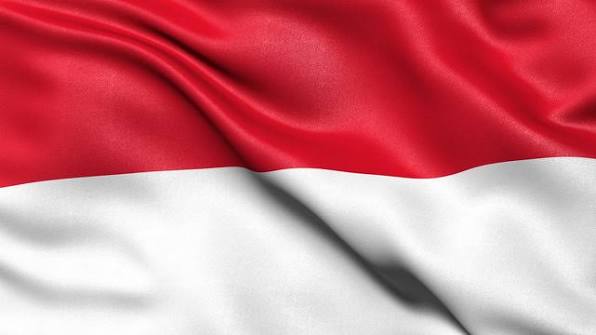
Indonesia is Southeast Asia’s largest economy and the world’s fourth-most populous country, remaining a strategically important partner in Russia’s ASEAN policy. Discussions emphasized the continued expansion of bilateral trade, investment, and cooperation in energy, agriculture, and strategic commodities. Russia views Indonesia as a key market for wheat, fertilizers, and energy products, while Jakarta has shown interest in diversifying economic partnerships and strengthening food and energy security. Both sides also see opportunities to expand collaboration in infrastructure, digital technologies, manufacturing, and transport connectivity, building on Indonesia’s role as a leading economy within ASEAN and the broader Indo-Pacific. Looking ahead, cooperation could deepen through increased business-to-business engagement, investment promotion, and collaboration between the Eurasian Economic Union (EAEU) and Indonesia’s industrial and logistics sectors.
Laos

Laos has emerged as one of the most promising partners for long-term strategic cooperation in energy and infrastructure. Putin and Prime Minister Sonexay Siphandone reviewed agreements reached during earlier talks in Moscow and emphasized translating political commitments into concrete projects. A landmark achievement was the signing of an intergovernmental agreement on the peaceful use of nuclear energy, providing the legal foundation for exploring a Russian-designed small nuclear power plant in Laos. The leaders also discussed expanding cooperation in energy, industry, mining, agriculture, transport, banking, digital technologies, tourism, and education, while strengthening coordination in multilateral institutions. Financial connectivity was another key topic, with Lao representatives expressing interest in improving payment mechanisms and facilitating tourism and trade through enhanced banking cooperation.
Malaysia
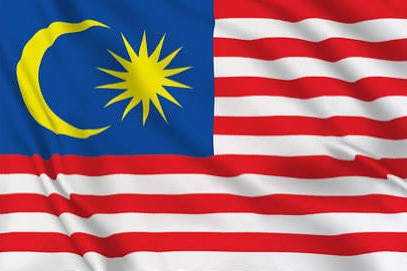
Kuala Lumpur featured prominently in Russia’s strategy to strengthen economic and energy ties with major Southeast Asian economies. Discussions with Prime Minister Anwar Ibrahim focused on expanding trade, investment, food security, and energy cooperation while exploring practical mechanisms to overcome financial and logistical barriers affecting bilateral commerce. Russia highlighted growing exports of agricultural products, including poultry and fertilizers critical to Malaysia’s palm oil industry, and reiterated its readiness to ensure stable supplies of oil and gas. The participation of the Malaysian Prime Minister in the Russia-ASEAN Business Forum further demonstrated Kuala Lumpur’s interest in broadening cooperation in infrastructure, digital technologies, and industrial investment despite an increasingly complex geopolitical environment.
Myanmar

Naypyidaw continues to occupy a distinctive place in Russia’s Southeast Asia strategy with bilateral relations extending beyond political dialogue into energy, infrastructure, education, and economic cooperation. At the summit, commitments to expand trade and investment while strengthening collaboration in sectors such as electricity generation, mining, transport, agriculture, and scientific research were all agreed. Energy remains a particularly promising area, with Russian companies expressing interest in participating in oil, gas, and power-sector development, while cooperation in peaceful nuclear technology and technical education has also advanced in recent years. Both countries have sought to increase settlements in national currencies and improve financial mechanisms to facilitate commerce despite external constraints. Moscow also regards Myanmar as an important partner for expanding Eurasian connectivity and strengthening economic engagement with mainland Southeast Asia, suggesting that future cooperation could increasingly encompass infrastructure modernization, industrial projects, and long-term investment initiatives.
The Philippines

Serving as ASEAN Chair and co-chair of the commemorative summit, the Philippines placed strong emphasis on energy security, food security, innovation, and trade diversification. President Ferdinand Marcos Jr. and President Putin highlighted the 50th anniversary of diplomatic relations between their countries and agreed that bilateral trade, already exceeding US$500 million annually, possesses significant room for expansion.
Both leaders pointed to opportunities in agriculture, energy, retail, industrial cooperation, cosmetics, food processing, and innovation, while the Joint Commission on Trade and Economic Cooperation was tasked with addressing structural barriers to commerce. Discussions also reflected growing Philippine interest in civil nuclear cooperation, renewable energy, and technological collaboration as Manila seeks to diversify its long-term energy mix. Illustrating a growing relationship, Marcos invited Putin to attend the upcoming ASEAN summit to be held in Manila in November this year.
Singapore
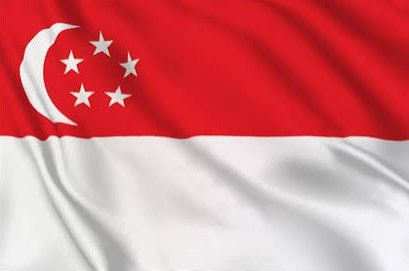
Singapore represents a different dimension of Russia’s ASEAN engagement, centered on finance, investment, technology, and high-value services. In discussions with Prime Minister Lawrence Wong, Putin stressed the importance of maintaining pragmatic dialogue and preserving channels of economic cooperation despite broader geopolitical complexities. The talks covered banking, investment, and financial connectivity, with Russia expressing interest in greater Singaporean participation in the Eastern Economic Forum and expanded cooperation in innovation and advanced industries. Both sides also reaffirmed the value of multilateral engagement and constructive diplomatic dialogue. However, a planned Singapore-Eurasian Economic Union free trade agreement has still not yet been ratified due to Singapore’s general adherence to Western sanctions policy.
Thailand

Bangkok used the bilateral meeting to advocate a significant expansion of economic cooperation beyond its current scale. Prime Minister Anutin Charnvirakul noted that bilateral trade of roughly US$1.5 billion did not reflect the true potential of the relationship and proposed stronger collaboration in science and technology, the creative economy, smart agriculture, infrastructure connectivity, aerospace, and defense industries. Tourism remains another important pillar of the relationship, with nearly 2 million Russian visitors traveling to Thailand in 2025, reinforcing people-to-people ties that complement growing commercial engagement.
Timor-Leste

Timor Leste’s participation as ASEAN’s newest member held symbolic as well as strategic importance. Putin’s meeting with Prime Minister Kay Rala Xanana Gusmão underscored Russia’s commitment to engaging all ASEAN members and integrating emerging economies into wider Eurasian economic and diplomatic networks. Although bilateral ties remain at an early stage, potential areas of cooperation include infrastructure development, energy, education, capacity building, and future investment projects as Timor-Leste continues its economic development and regional integration.
Vietnam
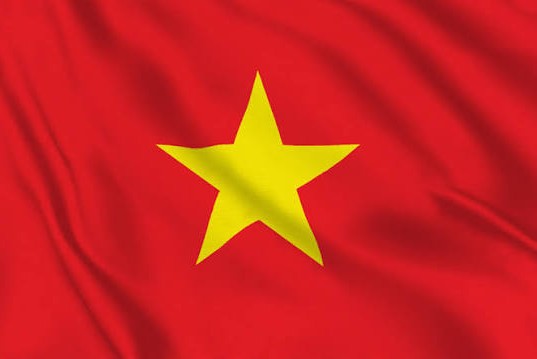
Once again, Vietnam emerged as Russia’s closest and most comprehensive partner in ASEAN. During Putin’s meeting with Prime Minister Le Minh Hung, both sides reaffirmed their commitment to deepening the comprehensive strategic partnership built on decades of political trust and economic cooperation. Bilateral trade exceeded US$6 billion in the previous year and continued to expand, supported by the work of the Intergovernmental Commission on Trade, Economic, Scientific and Technical Cooperation.
The discussions emphasized energy as the backbone of the relationship, with Russian companies such as Rosatom, Gazprom, and Zarubezhneft maintaining a significant presence in Vietnam. Leaders also reviewed cooperation in nuclear energy, oil and gas exploration, mining, transport infrastructure, railway modernization, shipbuilding, science, education, and technology, while agreeing to accelerate implementation of commitments reached during earlier high-level exchanges. Vietnam’s proposal for regular progress reviews and its invitation for Russia to participate in future regional initiatives indicate that the relationship is evolving toward an increasingly institutionalized and implementation-driven partnership.
Taken together, these bilateral engagements demonstrate that Russia’s pivot toward Asia is increasingly being implemented through country-specific partnerships rather than a one-size-fits-all regional strategy. While Vietnam anchors cooperation in energy and strategic industries, Malaysia and the Philippines offer opportunities in trade diversification and food security, Laos provides a gateway for civil nuclear and infrastructure cooperation, Singapore contributes financial and technological expertise, Thailand expands prospects in tourism and innovation, and Cambodia, Brunei, and Timor-Leste broaden Russia’s presence across emerging markets. Collectively, these relationships reinforce Russia’s ambition to build a multidimensional economic architecture in Southeast Asia based on long-term investment, resilient supply chains, technological collaboration, and expanding use of national currencies and alternative financial mechanisms.
Russia-ASEAN Cultural Diplomacy and People-to-People Connectivity

Although energy dominated headlines, the Joint Statement on Cultural Cooperation represents another significant pillar of long-term engagement. The agreement promotes intercultural dialogue, preservation of linguistic diversity, heritage conservation, educational exchanges, artistic collaboration, cultural tourism, more people to people exchanges and youth engagement. It also encourages future ASEAN-Russia Years of Culture, support for the ASEAN-Russia Youth Symphony Orchestra, digital content development, and cooperation across architecture, film, animation, museums, libraries, and creative industries. Rather than treating culture as symbolic diplomacy, the statement positions creative industries and cultural exchanges as contributors to sustainable economic growth and deeper societal links.
The aviation sector, as well as hotel and tourism management companies, may experience tremendous growth in the coming years, benefiting both parties. At the Summit, several ASEAN countries discussed expanding air connectivity with Russia. Countries such as Thailand, Vietnam, and Indonesia expressed interest in strengthening tourism ties through additional direct flights. The possibility of opening direct flights between Kazan and Malaysia was discussed at a meeting between the head of Tatarstan Rustam Minnikhanov and Malaysian Prime Minister Anwar Ibrahim. The expansion of direct air routes is expected to boost tourism, trade, and business cooperation between Russia and ASEAN member states in the coming years. Russia aims to abolish visa requirements for Indonesian and Malaysian nationals in 2026 that may also boost more business exchanges.
Summary: Russia and ASEAN Are Building an Integrated Eurasian Partnership
The summit illustrates that Russia’s pivot toward Asia extends well beyond redirecting exports. It encompasses financial architecture, payment systems, technological partnerships, educational exchanges, industrial cooperation, transport connectivity, digital innovation, and institutional coordination. The proposed alignment with ASEAN’s own development priorities including energy security, infrastructure modernization, and technological upgrading, suggests an effort to establish complementarities rather than transactional exchanges.
For ASEAN, engagement with Russia offers opportunities to diversify suppliers, technologies, and partnerships while maintaining strategic autonomy in an increasingly competitive international environment. The Russia-ASEAN Summit in Kazan demonstrated that Moscow’s pivot to Asia has entered a more mature and institutionalized phase. Through the Kazan Declaration, the Comprehensive Plan of Action for 2026–2030, the Joint Statements on Energy and Cultural Cooperation, and numerous business agreements, both sides have constructed a multidimensional framework extending far beyond traditional diplomacy.
Energy remains the cornerstone, encompassing hydrocarbons, LNG, electricity, renewables, hydrogen, and nuclear technologies. Trade continues to expand, supported by growing local currency settlements and discussions on payment infrastructure. Business partnerships are broadening into industrial technology and innovation, while cultural and educational exchanges reinforce long-term societal connections.
Country-specific engagements with Vietnam, Malaysia, Laos, the Philippines, Singapore, Cambodia, Brunei, Thailand, and Timor-Leste reveal an increasingly differentiated strategy tailored to national priorities while contributing to an overarching regional vision. The principal message emerging from Kazan is that Russia’s engagement with Southeast Asia is evolving into a comprehensive strategic partnership. As ASEAN’s economies continue to grow and demand for energy, infrastructure, technology, and diversified supply chains increases, the foundations laid during the 2026 Russia-ASEAN summit in Kazan may become one of the defining pillars of Eurasian cooperation in the coming decade.
This article was written by M. Jahan, an expert on Russia-ASEAN affairs. She may be contacted at info@russiaspivottoasia.com