
 Русский





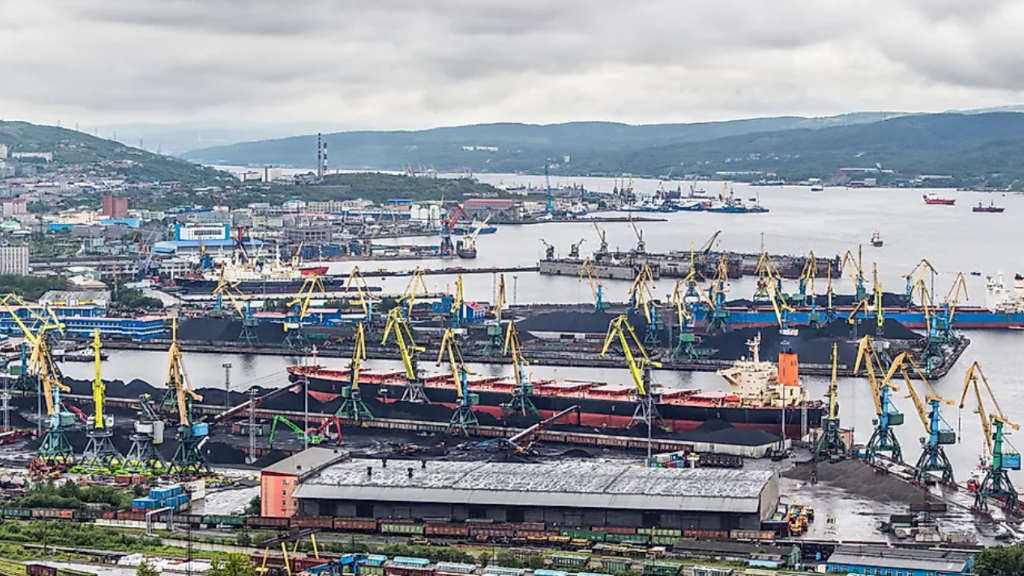

The Murmansk Commercial Seaport (MMTP, part of JSC Port Alliance) doubled the share of iron ore concentrate in its total cargo turnover during the first half of 2026. According to the company, this is a result of consistent efforts by the port and Port Alliance to diversify the cargo base.
MMTP said that “Amidst declining coal transshipment volumes, we are forming a more sustainable cargo flow structure. MMTP continues to work confidently with the large-tonnage fleet and secure reliable exports for enterprise products from the Murmansk region. As a result, our partners’ logistics expenses are reduced, and the efficiency of export deliveries to distant markets is enhanced.”
Currently, three Capesize-class vessels are undergoing simultaneous loading at MMTP berths. They are to be loaded with 503,700 tonnes of iron ore concentrate produced in the Murmansk region, destined for shipment to China.
Capesize-class vessels allow the transport of volumes in a single voyage that previously would have required several smaller-class bulkers.
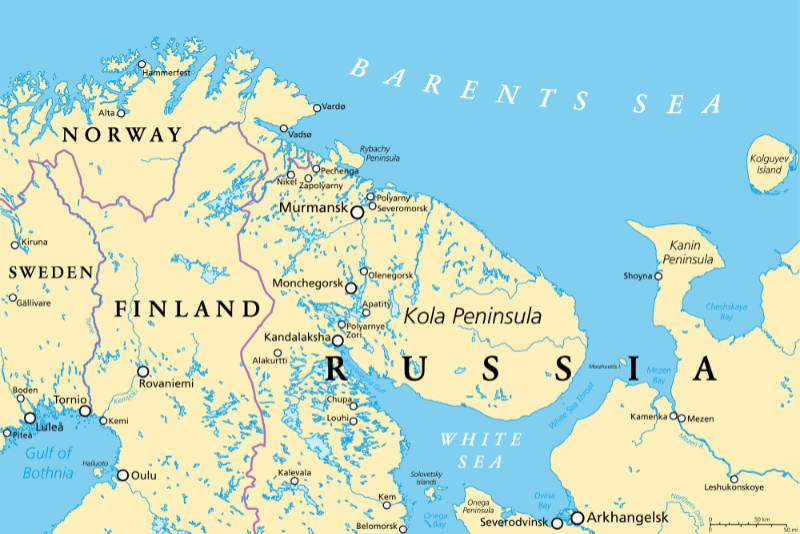
JSC Murmansk Commercial Seaport is the only universal port in European Russia with direct access to the world ocean and year-round navigation. The port can handle a wide spectrum of bulk and general cargo, including large-tonnage and long-length items. The company’s primary advantage is its capacity to dispatch cargo in large batches over long distances using Capesize vessels (deadweight of 180,000 tonnes). Murmansk can accommodate vessels with a displacement of up to 210,000 tonnes.
MMTP’s transshipment capacity is 24 million tonnes of cargo per year. The company’s cargo turnover fell by 30% to 9.73 million tonnes by the end of 2025, as a result of declining shipments to Europe; however, it is now finding new markets in Asia.
The primary exports from Murmansk to Asia are energy resources and raw bulk commodities. Following a significant shift in trade routes, Murmansk has transformed into a critical gateway for Russian commodities heading eastbound to major Asian markets such as China and India. This is a growth trend, as supply chains develop further into other markets in Southeast Asia.
Murmansk Top Commodities Exported to Asia
Crude oil accounts for over half of Murmansk’s total volume. Murmansk serves as the main transshipment hub for Arctic oil, sending millions of tons annually via the Northern Sea Route (NSR) to China.
Coal: Cargo volumes to Asia have surged dramatically. Dry bulk terminals route immense shipments directly to India and China to meet their heavy industrial energy demands.
Liquefied Natural Gas (LNG): Following EU transshipment bans, Murmansk operates as a vital mid-route transfer zone. Standard carriers pick up LNG from ice-class vessels here and transport it to Asian buyers.
Mineral Fertilizers & Potash: The port handles massive mineral shipments. Russia and its trade partner Belarus route agricultural chemical exports through Murmansk’s specialized bulk terminals toward Asian markets.
Non-Ferrous Metals: Refined and raw metals, specifically raw nickel and aluminium, are major regional exports shipped to Chinese manufacturing hubs.
Seafood: Frozen fish products, such as cod and haddock, are processed and exported to East Asian nations including China and South Korea.
Murmansk’s primary advantage for Asian export lines is that it remains a completely ice-free deepwater port year-round, despite its position inside the Arctic Circle. This allows heavy tankers and bulk cargo ships to bypass the Baltic and Black Sea chokepoints entirely.