
 Русский






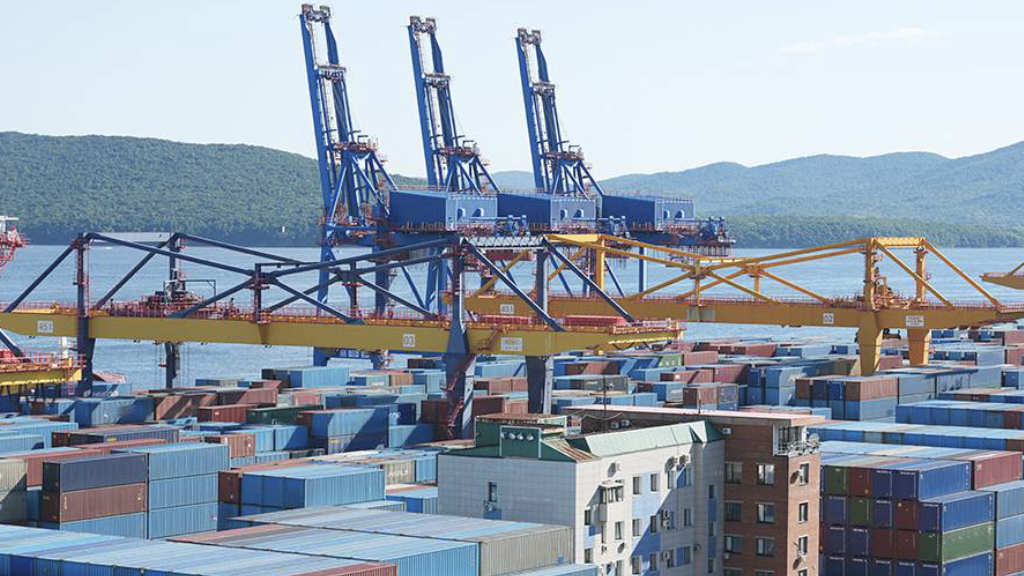

The Russian Maritime Board Chairman Nikolai Patrushev has launched the construction of the deep-water Naiba cargo terminal in at Russia’s Tiksi Port in the Arctic.
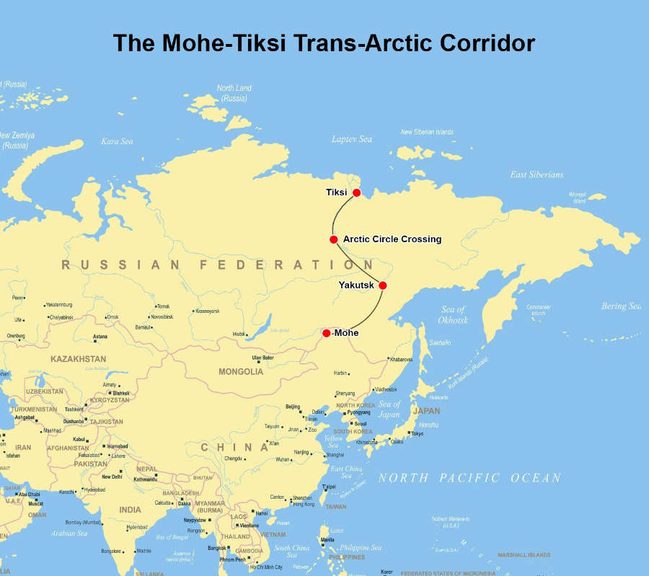
Patrushev said at the launch ceremony that “One of the basic routes of the Trans-Arctic Transport Corridor (TTC) will be the Mohe-Naiba international transport route. The key link of this route will be the Naiba deep-water cargo terminal in Tiksi seaport. The new port complex will include zones for liquid and dry cargo transportation, fuel tanks and the required equipment. By 2035, the port’s capacity should amount to more than 3 million tonnes.”
He said the commissioning of the Naiba deep-water port will open new opportunities for logistics, and it will become supporting infrastructure for developing the raw materials base. He added that “This route will connect China’s northeastern provinces with Russia’s Arctic coast. Implementing the project will make it possible to increase the pace of economic development and the connectivity of the territories of the Arctic and the Far East, and will become a stimulus for developing extractive industries, including the development of the Kyuchus industrial cluster, as well as for launching new production facilities and growing the cargo base.”
The creation of the TTC, which includes the Northern Sea Route and the inland waterways and transport infrastructure facilities associated with them, will contribute to what Patrushev described as “the comprehensive development of the territories of the Arctic zone and the Far East, the cargo base, as well as domestic, international and transit transportation of cargo and passengers along the coast of Russia.”
The Mohe–Naiba (Tiksi) International Transport Route, a massive multinational infrastructure project connecting China’s northeastern provinces directly to Russia’s Arctic coast. This trans-Arctic multimodal corridor is designed to link Mohe (China’s northernmost city in Heilongjiang) to the new deep-water port terminal at Naiba (located near Tiksi on the Laptev Sea coast in the Sakha Republic).By integrating rail lines, highways, river barges (via the Lena, Yana, and Kolyma rivers), and Arctic shipping lanes, the corridor establishes a direct transit route between Chinese manufacturing hubs and the Northern Sea Route (NSR). At roughly 4,000 kilometers, this corridor cuts the traditional transit route from China to the West nearly in half compared to the Suez Canal. It is heavily used to transport mineral resources south (such as cargo from the Kyuchus gold cluster) while delivering manufacturing goods and northern supply essentials back north. The development cost is estimated at about ₽1.13 trillion (US$14 billion).