 Русский




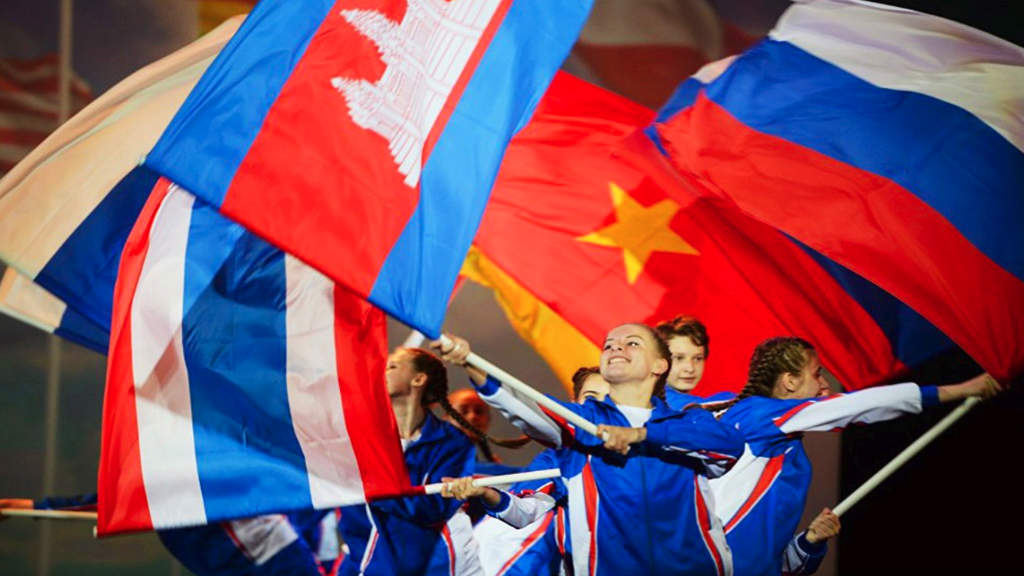

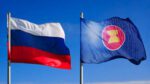
2026 marks a dual milestone in relations between the Association of Southeast Asian Nations and Russia: 35 years since the establishment of formal ties in 1991 and 30 years since the creation of the Dialogue Partnership in 1996. These anniversaries come at a time when interactions are not only increasing in frequency but also evolving in substance, particularly as many ASEAN countries are facing ongoing Middle East-driven oil supply disruptions and fertilizer supply chain and production cost uncertainties, alongside broader geopolitical realignments.
More importantly, Southeast Asia is actively seeking to diversify its supply chains and explore alternative global governance frameworks. This is reflected in the growing interest of countries such as Thailand, Malaysia, and Vietnam in engaging with BRICS, where Indonesia has already become a full member. Malaysia, Vietnam and Thailand meanwhile have become BRICS ‘partner countries’. As Southeast Asian economies continue to grow steadily, long-term connectivity is becoming a strategic priority. Emerging transport and logistics corridors such as the Northern Sea Route, Russia’s Far East gateway through Vladivostok, and overland connectivity potential via China linking to Vietnam, Myanmar, Cambodia, and Laos offer new opportunities for deeper economic integration. In this evolving context, Russia is increasingly positioning itself as an important and emerging strategic partner for Southeast Asia.
Russia has formally proposed hosting a commemorative summit with ASEAN leaders this year, signaling a clear diplomatic intent to elevate engagement beyond routine institutional dialogue. Moscow will soon send invitations to the leaders of Southeast Asian countries to participate in the Russia-ASEAN summit in Kazan, which will take place on June 17-19. Russian President Vladimir Putin has signed a corresponding decree instructing the formation of an organizing committee headed by Kremlin aide Yury Ushakov. This proposal comes amid a broader recalibration of Russia’s foreign economic policy, particularly toward the Global South, as it seeks alternative markets and strategic partners.
Recent institutional activity re-inforces this momentum. The ASEAN-Russia Joint Cooperation Committee (ARJCC) meeting held in Jakarta in April 2026 reaffirmed commitments to expand cooperation in manufacturing, infrastructure, and high-technology sectors. Equally important is the reported 82% implementation rate of the ASEAN-Russia Comprehensive Plan of Action (2021-2025), extended through 2026.
From a statistical governance perspective, this indicates relatively high policy execution efficiency compared to many other multilateral partnerships. These developments suggest that ASEAN-Russia relations are moving toward a more structured and measurable framework, rather than remaining symbolic or politically rhetorical.
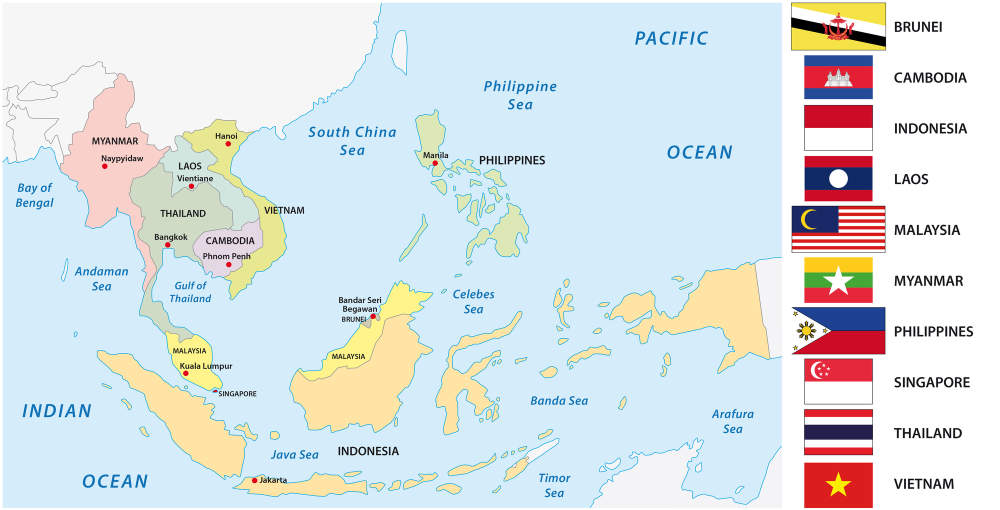
Trade Trends and Institutional Progress: Interpreting the US$21.6 Billion Benchmark
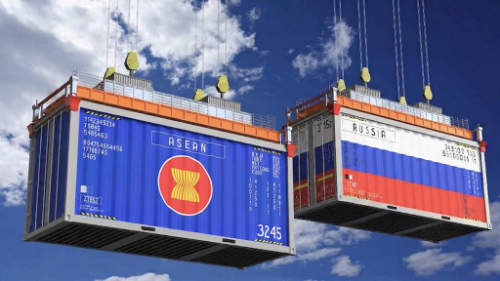
Bilateral trade between ASEAN and Russia currently stands at approximately US$21.6 billion. While this figure is modest compared to ASEAN’s trade with major partners such as China, the United States, or the European Union, its significance lies in its composition and growth potential. Trade is heavily concentrated in energy, agricultural commodities, and raw materials, with Russia positioning itself as a reliable supplier of fertilizers, grain, and hydrocarbons.
Overall Trade and Investment
| Indicator | Value | Growth / Notes |
| Total ASEAN-Russia Trade | US$21.6 billion (2026) | Rising from US$18.1B in 2024 |
| Trade Growth Trend | 5-13% annually | Long-term upward trajectory |
| Russian FDI to ASEAN | US$65 million (2024) | Down from US$200M in 2023 |
| Investment Trend | Volatile but sector-focused | Energy and infrastructure dominate |
| ASEAN Rank for Russia | Top 10 partner | Still underdeveloped trade share |
From a comparative standpoint, ASEAN’s total trade volume exceeds US$3 trillion annually, meaning Russia’s share remains below 1%. However, this low baseline creates substantial room for expansion. More importantly, trade growth is being supported by institutional frameworks, including efforts to align ASEAN cooperation with the Eurasian Economic Union (EAEU). Indonesia, Singapore and Vietnam’s existing free trade agreement with the EAEU serves as a model, demonstrating how tariff reductions and regulatory alignment can boost bilateral flows.
Indonesia is the largest economy in ASEAN and signed a FTA with the EAEU in December 2025, showing there is strong potential for trade growth between ASEAN nations and Russia. Countries like Thailand, Myanmar and Cambodia have also shown keen interest, and this could gradually lead to the establishment of an ASEAN-Russia free trade area, where Russian and ASEAN products can more rapidly utilize the opportunities created by free trade.
Transport and logistics are also emerging as key variables in trade expansion. Russia has proposed the development of multimodal transport corridors linking its Far East with Southeast Asian markets. These corridors aim to reduce transit times and costs, addressing one of the primary structural barriers in ASEAN-Russia trade-geographical distance. If successfully implemented, such infrastructure could significantly increase trade elasticity, allowing bilateral volumes to scale more rapidly over the next decade.
Sector-Wise Trade Composition (Estimated Share and Volume)
| Sector | Estimated Share | Approx. Value (USD) | Key Drivers |
| Energy (Oil, Gas, LNG) | 35-45% | $7.5-9.5 billion | Oil crisis, LNG demand, supply diversification |
| Agriculture and Fertilizers | 20-25% | $4.5-5.5 billion | Food security, fertilizer exports |
| Metals and Raw Materials | 10-15% | $2-3 billion | Industrial inputs |
| Manufacturing and Machinery | 10-15% | $2-3 billion | Equipment, industrial goods |
| Defense and Military Tech | 5-10% | $1-2 billion | Arms exports, training |
| Services (Tourism, Education) | 3-5% | Over $1 billion | Growing but still limited |
| High-Tech & Digital Economy | 2-5% | Over $1 billion | AI, cybersecurity, smart cities |
Investment Flow by Sector (Russia to ASEAN)
| Sector | Investment Type | Trend |
| Energy Infrastructure | Oil refineries, LNG terminals, nuclear plants | Very High Growth |
| Transport & Logistics | Ports, shipping routes (e.g., Vladivostok corridor) | High Growth |
| Mining & Resources | Joint exploration | Moderate Growth |
| Digital & Tech | AI, cybersecurity, smart cities | Emerging |
| Defense Industry | Arms sales, training | Stable but strategic |
| Education & Culture | Academic exchange | Low but expanding |
Energy as the Core Driver: Statistical Evidence of Russia’s Expanding Role in Southeast Asia
Energy has become the central pillar of Russia’s engagement with Southeast Asia, driven largely by global supply disruptions. The ongoing crisis affecting the Strait of Hormuz, through which approximately 20% of global oil exports pass, has forced ASEAN economies to diversify their energy sources. Given that nearly 80% to 90% of Middle Eastern oil exports are traditionally directed toward Asian markets, the disruption has created a significant supply gap.
Russia has moved quickly to fill this gap. According to the International Energy Agency, Russian crude oil exports increased by 270,000 barrels per day in March 2026, while revenues from oil products nearly doubled from US$9.75 billion in February to US$19 billion in March. This sharp increase is closely linked to rising demand from Asia, including Southeast Asia.
For ASEAN countries, the shift toward Russian energy is driven by both necessity and pragmatism. Governments across the region have emphasized “national interest” in securing stable and affordable energy supplies, even as geopolitical considerations remain complex. The result is a measurable increase in Russian oil flows to the region, accompanied by new agreements in liquefied natural gas (LNG), refinery development, and nuclear energy cooperation. These trends indicate that energy is not only a short-term solution to a crisis but also a long-term foundation for deeper economic ties.
Country-Level Trade andInvestment Highlights
| Country | Trade Volume (USD) | Key Sectors | Strategic Role |
| Vietnam | $5 billion in 2025 | Energy, nuclear, LNG | Core strategic partner |
| Indonesia | $4.3 billion in 2024 | Oil, LPG, fertilizer | Energy diversification hub |
| Malaysia | $2.48 billion in 2024 | Oil imports, space cooperation, Defense | Emerging energy and tech link |
| Thailand | $1.76 billion | Manufacturing, tourism, fertilzier, real estate | Mid-tier economic partner |
| Myanmar | $2 billion in 2024 | Oil (90% share), defense, nuclear etchnology | High dependency |
| Philippines | An estimated $600-700 million in 2024, down from a peak of $1.16 billion in 2021. | Oil and agricultural goods imports | Crisis-driven engagement, the Country has strategic engagement with the US |
| Singapore | Nearly $5 billion in 2024 | Oil routing, finance | Shadow trade hub |
| Cambodia | An estimated $55 million in 2024, down from $239.4 million in 2021 | Agriculture, logistics, defense | Although it has declined recently, the focus should be on improvement. |
| Laos | Total trade volume of over $90 million | Agriculture, natural resources, manufacturing (light and heavy industry), energy (nuclear-related), aerospace and transport equipment | Connectivity corridor |
| East Timor | Imports from Russia were $357,000 during 2023 | Beverages, spirits and vinegar, electrical, electronic equipment | As East Timor officially joined the ASEAN as its 11th member on October 26, 2025, there is significant potential to expand trade and investment cooperation between East Timor and Russia in the coming years within the broader framework of ASEAN–Russia cooperation. |
Vietnam as the Anchor of Russia’s ASEAN Strategy
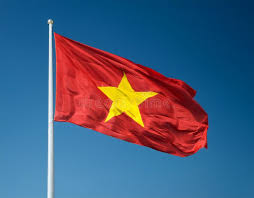
Among ASEAN member states, Vietnam stands out as Russia’s most comprehensive and deeply integrated partner. Bilateral trade reached approximately US$5 billion in 2025, with both sides aiming to increase this figure to US$15 billion in the coming years. However, the significance of the relationship extends far beyond trade volumes.
In March 2026, Vietnamese Prime Minister Pham Minh Chinh and Russian Prime Minister Mikhail Mishustin signed a landmark agreement to construct the Ninh Thuan 1 nuclear power plant. The project, which includes two VVER-1200 reactors with a combined capacity of 2,400 MW, represents a major step in Vietnam’s energy transition strategy. It also embeds Russian technology and expertise into Vietnam’s energy infrastructure for decades.
Additional cooperation further strengthens this partnership. Russian firm Novatek has agreed to supply approximately one million tonnes of LNG to Vietnamese companies in 2026. Joint ventures between Zarubezhneft and PetroVietnam continue to expand offshore oil exploration, while plans for a major oil storage facility in Nghi Son underscore the scale of integration. Given that the Nghi Son refinery accounts for around 40% of Vietnam’s domestic fuel supply, these developments highlight the strategic depth of the relationship.
Indonesia, Malaysia, and the Philippines: Energy Diversification in Numbers
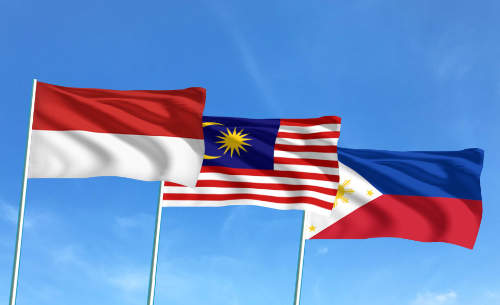
Indonesia, Malaysia, and the Philippines illustrate a broader regional trend toward energy diversification. Indonesia, the largest economy in Southeast Asia, consumes approximately 300 million barrels of crude oil annually. Historically dependent on imports from the United States for around 70% of its LPG supply, Indonesia has begun to shift toward alternative sources.
In April 2026, Indonesian President Prabowo Subianto met Russian President Vladimir Putin to secure additional supplies of crude oil and LPG. This move reflects a calculated strategy to reduce dependency on a single supplier while increasing bargaining power in global energy markets. Indonesia will import 150 million barrels of crude oil from Russia this year, Deputy Energy Minister Yuliot Tanjung said on Friday (April 24)
Malaysia is following a similar path. Prime Minister Anwar Ibrahim has confirmed that the national oil company Petronas is negotiating with Russian suppliers to ensure sufficient domestic supply. Meanwhile, the Philippines has already imported approximately 2.5 million barrels of Russian crude oil in 2026, highlighting the urgency of its energy needs. President Vladimir Putin met with Malaysia’s King Sultan Ibrahim in St Petersburg on January 26, a high-level visit that boosted growing Malaysia-Russia trade and economic momentum in 2026.
Collectively, these figures point to a regional shift that could redirect billions of dollars in annual energy trade toward Russia. Even a partial reallocation of imports, on the order of 10-20%, would significantly alter trade patterns and deepen economic interdependence.
Thailand’s Emerging Position in Russia-ASEAN Economic and Strategic Linkages
Thailand occupies a more moderate but increasingly important position in Russia-ASEAN relations. While it is not yet a major importer of Russian energy compared to Vietnam or Indonesia, Thailand’s role is expanding through multilateral and sectoral engagement. Participation in forums such as the Russia-Thailand business dialogue and broader ASEAN-led mechanisms indicates a growing interest in diversifying economic partnerships. The trade turnover between Russia and Thailand at the end of 2025 amounted to US$1.76 billion The indicator increased by 11% compared to the level of 2024. This is evidenced by data from the Thai Customs Department, published in February 2026. According to the Telegram channel “Trade without Borders,” the volume of supplies from Russia to Thailand increased by 12% and reached US$790 million. Fertilizers, which account for more than a third of shipments, play a key role in the structure of imports.
On April 13, 2026, discussions in Moscow between Russian Deputy Prime Minister Dmitry Patrushev and Thailand’s Minister of Agriculture and Cooperatives, Suriya Juangroongruangkit, marked a strategic step toward deeper agricultural cooperation. Both sides agreed to expand trade in fertilizers and agri-food products, aiming to reinforce long-term supply stability against ongoing global market volatility. Thailand signaled a strong interest in securing annual imports of 1-2 million tons of granular urea fertilizer and formally requested preferential pricing terms. Pending approval, the Permanent Secretary of Thailand’s Ministry of Agriculture and Cooperatives is expected to work closely with the Russian Ambassador in Bangkok to coordinate private-sector partnerships, with the goal of initiating shipments as early as May 2026.
Russia’s ability to support this arrangement is underpinned by its position as one of the world’s leading fertilizer exporters. Industry giants such as PhosAgro, UralChem, Uralkali, Acron Group, and EuroChem provide a robust export base, collectively capable of delivering large-scale supplies of nitrogen, phosphate, and potash fertilizers. These producers are also equipped to meet Thailand’s technical specifications, including granular urea sizes ranging from 2.5 to 5 mm, ensuring compatibility with domestic agricultural needs.
Thailand’s economy, valued at over US$2.2 trillion (PPP), is heavily dependent on energy imports, making it structurally vulnerable to global supply disruptions. As regional energy markets shift, Thailand is likely to explore Russian options more actively, particularly in LNG and refined petroleum products. In addition, cooperation in tourism, agriculture, and digital technology provides alternative channels for engagement.
From a statistical perspective, Thailand represents a “middle-tier” partner, neither dominant nor negligible but with significant growth potential. As ASEAN-Russia frameworks expand under the forthcoming 2026-2030 Action Plan, Thailand is expected to play a more active role in bridging economic and institutional cooperation.
Myanmar and Cambodia: High-Growth but Asymmetric Engagement Patterns
Myanmar and Cambodia present contrasting but complementary cases of Russia’s engagement in Southeast Asia. Myanmar has experienced rapid growth in its relationship with Russia, with bilateral trade reaching nearly US$2 billion by the end of 2024, a 40% increase from the previous year. Russia now supplies more than 90% of Myanmar’s oil market, creating a high level of dependency. Myanmar and Russia signed long-term energy deal on April 18 secure a long-term, continuous supply of crude oil and petroleum products as the Southeast Asian country aims to become regional “energy hub” and Russia wants to contribute more energy supply for the region. The agreement, finalized during a high-level visit to Russia by Union Minister U Ko Ko Lwin, aims to provide Myanmar with discounted Russian energy, including LNG, LPG, and fertilizers, while ensuring quality and transit security.
Beyond energy, cooperation includes defense, nuclear technology, and infrastructure projects. Agreements signed in 2025 cover the construction of a coal-fired power plant, an oil refinery in Dawei, and a low-capacity nuclear facility. These developments indicate deep sectoral penetration, particularly in areas with long-term strategic implications.
Cambodia, by contrast, has seen a decline in trade with Russia, from US$239.4 million in 2021 to approximately US$65 million in 2024. However, recent developments suggest potential recovery. The launch of a new maritime shipping route by Russia’s FESCO Transport Group has reduced transit times between Phnom Penh and Vladivostok to 12 days, with full intermodal delivery to Moscow taking around 32 days. These logistical improvements could help reverse the downward trend and support future growth. Two warships from the Russian Navy’s Pacific Fleet docked at Sihanoukville Autonomous Port (PAS) on April 6, for a three-day visit to Cambodia, underscoring growing Cambodia-Russia defense industrial cooperation.
Singapore and the Shadow Logistics Network: Interpreting Trade Data Beyond Official Figures
Singapore’s role in Russia-ASEAN relations continues to center on logistics, tourism, and financial intermediation rather than direct trade, even as global energy flows shift under geopolitical pressure. Officially, Singapore didn’t not import Russian oil for domestic consumption purposes due to sanctions-related risks. However, shipping data from the London Stock Exchange Group (LSEG) shows that Russian tankers are increasingly listing Singapore as their destination, reflecting mounting challenges in placing crude amid Western sanctions. In January 2026 alone, about 1.4 million metric tonnes of Russian crude were declared as destined for Singapore. In practice, much of this oil is transferred at sea or redirected elsewhere, a “paper destination” practice highlighting the complexity of sanctioned trade flows, where hubs like Singapore function as intermediaries rather than end consumers.
Recent disruptions in Middle Eastern supply chains, however, are beginning to shift this pattern. A report by the UK British Financial Times on April 24 noted that shipments from the Gulf fell to 336,000 barrels per day in March-April, down from 522,000 bpd in January-February, amid tensions linked to US-Iran war. At the same time, Russian cargoes rose sharply, increasing from 372,000 bpd in the first two months of the year to 585,000 bpd in March-April. Data from Vortexa indicates that April arrivals of Russian oil are on track to reach a record high, based on tracking data since 2016.
As the world’s largest ship refuelling hub, Singapore is seeing traders increasingly turn to Russian oil to replace reduced Middle Eastern supplies. Imports of Russian fuel oil into Singapore have surged since the outbreak of regional conflict, with April volumes already more than double the average monthly level in 2025, according to Vortexa. The trend underscores both the adaptability of global oil markets under sanctions and the growing importance of logistical hubs like Singapore in reshaping energy trade routes.
Beyond Energy: Expanding Cooperation in Technology, Defense, and Infrastructure

While energy dominates the relationship, other sectors are gaining importance. Russia has proposed expanding cooperation in digital transformation, artificial intelligence, cybersecurity, and smart city development under the forthcoming ASEAN-Russia Action Plan (2026-2030). These areas align with ASEAN’s long-term development priorities and offer opportunities for diversification beyond resource-based trade.
Defense cooperation is also expanding, with Russia offering advanced air defense systems and training programs for ASEAN countries. Participation in ASEAN-led mechanisms such as the East Asia Summit and ASEAN Regional Forum further institutionalizes these ties, providing platforms for dialogue and coordination.
For instance, Russia has expanded its defence engagement with Malaysia through a joint showcase at the Defence Services Asia 2026 on April 20-23, where Rosoboronexport presented advanced fighter aircraft and unmanned strike systems, signaling a stronger regional footprint. On the sidelines, Russia offered advanced warheads in 2.5 kg, 3 kg, and 5 kg categories to support Malaysia’s indigenous UAV and loitering munition production, complementing Kuala Lumpur’s ongoing deployment of ANKA-S MALE drones for ISR and strike roles. Meanwhile, Roscosmos indicated interest in using Malaysia as a potential launch base for space vehicles and satellites, highlighting expanding cooperation beyond defence into aerospace. The developments reflect growing Russia-Malaysia strategic alignment amid evolving global security dynamics and rising demand for advanced military and technological capabilities in Southeast Asia.
Geopolitical Implications: Dependency, Leverage, and ASEAN’s Strategic Hedging
The growing economic relationship between Russia and ASEAN carries significant geopolitical implications. For Russia, Southeast Asia offers alternative markets, access to hard currency, and opportunities to expand influence in a strategically important region. For ASEAN states, engagement with Russia provides a means of diversifying partnerships and reducing dependency on any single major power.
Emerging High-Growth Sectors (2026-2030 Outlook)
| Sector | Growth Potential | Reason |
| LNG and Energy Trade | High | Energy crisis and diversification attempt |
| Nuclear Energy | Medium-high | Vietnam, Myanmar, Indonesia projects |
| Fertilizers and Food Security | High | Global supply shortages |
| Logistics and Transport Corridors | High | Northern Sea Route, Eurasian link |
| Digital Economy and AI | Medium | ASEAN digital expansion |
| Cooperation in SMEs and tourism | Medium-high | Growing people-to-people exchanges, aviation connectivity |
However, increased reliance on Russian energy could translate into political leverage. In countries like Myanmar and Vietnam, where Russian involvement is deeply embedded, this dynamic is particularly pronounced. At the same time, ASEAN’s tradition of non-alignment and consensus-based decision-making acts as a moderating factor, preventing excessive dependence on any one partner.
Statistical Outlook: Growth Projections and Structural Constraints Toward 2030
Looking ahead, ASEAN-Russia relations are likely to continue expanding, albeit within certain constraints. Trade could grow at an annual rate of 5-8%, potentially reaching $30 billion by 2030. Energy will remain the primary driver, but diversification into technology, infrastructure, and services will be essential for sustained growth.
Structural challenges including geographical distance, logistical costs, and sanctions will continue to limit the pace of expansion. Nevertheless, ongoing investments in transport corridors and institutional frameworks could gradually mitigate these barriers. In conclusion, Russia’s engagement with Southeast Asia in 2026 represents a data-driven transformation characterized by increasing trade, deepening energy ties, and evolving strategic considerations. While the overall scale of the relationship remains modest, its sectoral concentration and geopolitical significance make it an increasingly important component of the regional and global economic landscape.
This article was written by I.K.Hasan, a Dhaka, Bangladesh-based independent columnist and freelance journalist. He can be reached at info@russiaspivottoasia.com