 Русский




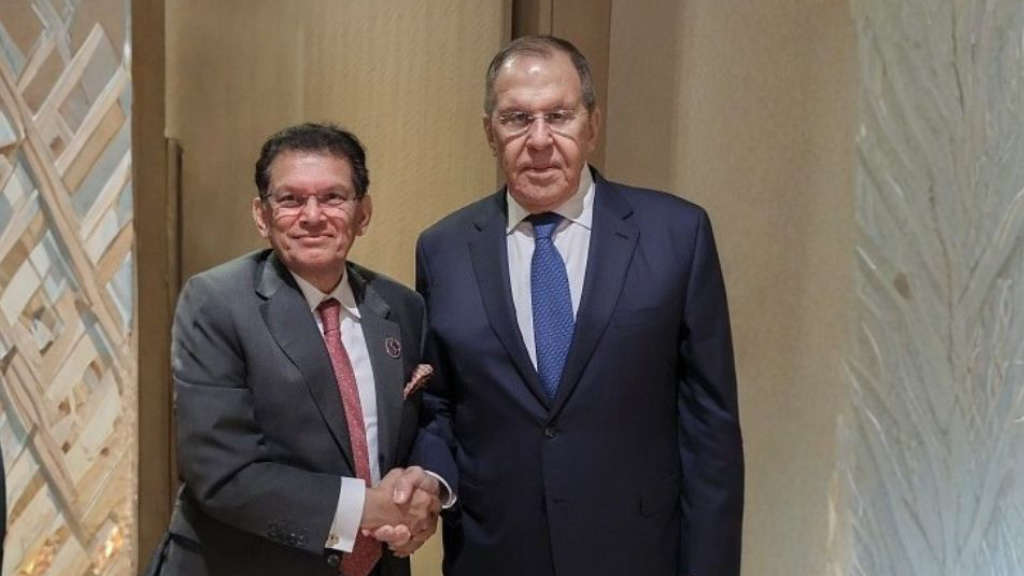

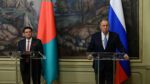
The Russian Foreign Minister Sergey Lavrov met with Khalilur Rahman, the Foreign Minister of Bangladesh on July 22. The two sides discussed issues of bilateral cooperation in multiple spheres, including the nuclear power industry, and cooperation at international platforms, including the United Nations. Rahman is to take his position as the United Nations next President from September.
This is the second high-level meeting between Russian and Bangladeshi officials in 6 weeks, with Rahman visiting Moscow last month for intensive discussions on trade and investment.
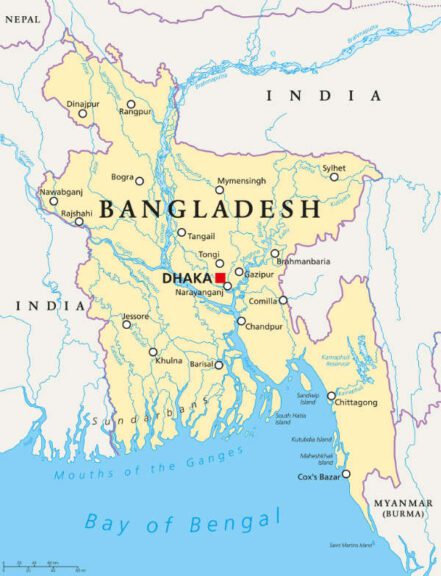
Energy remains the cornerstone of bilateral cooperation, led by the Rooppur Nuclear Power Plant project. Rahman previously met with Rosatom Director General Alexey Likhachev on June 9 to review progress on nuclear energy cooperation and future collaboration. Russia has agreed to help finance the project, which comes with a cost of about US$12.6 billion.
Bangladesh also launched an international tender in May for oil and gas exploration in 26 offshore blocks in the Bay of Bengal, offering more attractive terms to foreign companies to address worsening domestic gas shortages and reduce reliance on costly LNG imports. Russian companies have significant potential to participate in the bids, and Russian policymakers may need to strengthen their energy diplomacy with Bangladesh to secure at least some of the projects.
Technology cooperation is also increasing, with Bangladesh proposing collaboration in artificial intelligence, including applications in agriculture and healthcare. Russia has expressed a willingness to assist Bangladesh in developing a national AI strategy and establishing centres of excellence dedicated to artificial intelligence research and innovation.
Both sides are also examining significantly increasing the number of Bangladeshi workers employed in Russia. Education remained an important pillar of cooperation, with Russia reaffirming its scholarship programme for Bangladeshi students. Russia has agreed to work towards increasing the number of Bangladeshi workers in the country to 100,000 next year, which will go some way to resolving Russia’s labour crisis.
Trade finance has also been a key area of cooperation, as both countries are exploring mechanisms to facilitate trade, investment and financial settlements amid changing global payment and banking arrangements.
Russia-Bangladesh trade involves a mix of large-scale industrial, energy, and agricultural companies operating in both directions. Bangladesh mainly exports ready-made garments, textiles, and seafood to Russia, while imports from Russia include wheat, fertilizers, oil, gas-related equipment, and other industrial goods. The Russian agricultural export side is also interested in expanding trade and wants to export sunflower oil, yellow peas, chickpeas, red lentils, green lentils and other essential food items to Bangladesh, which has sometimes faced food security problems.
Current bilateral trade is about US$2 billion.