
 Русский





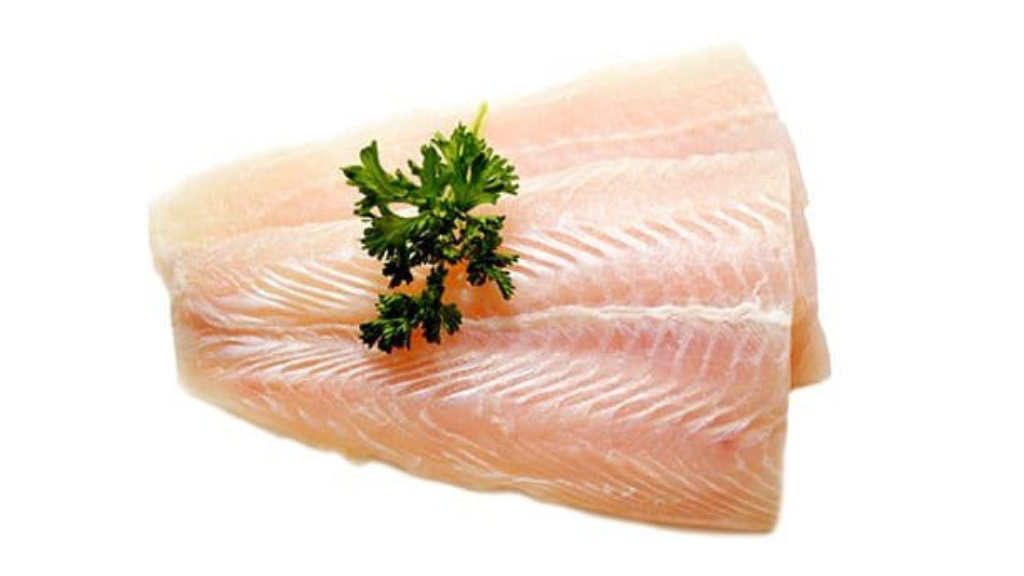

Despite wide-ranging sanctions, Russia has strengthened its status as the largest supplier of frozen pollock fillet to the European Union market in H1 2026, increasing its share in physical terms to 51% from 44% a year earlier, according to the Russian Fish Union. There comments were based on Eurostat data.
Supplies of frozen pollock to the EU from Russia increased 11% in January-June 2026 to 66,000 tonnes and 34% to €186 million.
Russia’s gain was at the expense of the United States, whose supplies of U.S. pollock fillet to the EU decreased 15% to 46,000 tonnes, and 10% to a value of €152 million. In third place of EU suppliers was China, who exported 19,000 tonnes worth €53 million.
The European Union imports massive amounts of pollock to satisfy high consumer demand for affordable whitefish used in processed foods like fish sticks, frozen fillets, and ready-made meals. Major processing hubs in countries like Germany, Poland, and the Netherlands rely on these imports because local European catches cannot meet domestic demand
In addition to Pollock, Russia also exported 5,200 tonnes of frozen cod to the EU worth €41 million. The average export price for Russian frozen cod increased 40% YoY, and rose 30% for Russian cod fillet. This is due, among other things, to the decision of the mixed Joint Russian-Norwegian Fisheries Commission (JRNFC) to reduce the total allowable catch of Atlantic cod in the Barents Sea 16% in 2026 compared to the previous year’s level to 285,000 tonnes (Russia’s quota is 136,000 tonnes).
Russia also shipped 4,700 tonnes of surimi worth €8.7 million to the EU in H1 2026. Surimi is a paste made from fish or other meat. often used to mimic the texture and color of lobster, crab, grilled Japanese eel, or shellfish.
In total, Russian fish exports to the EU reached 94,000 tonnes in H1 2026, worth €357 million.
Brussels had planned to include Russian fish and seafood in the 21st package of sanctions against Russia, prohibiting their supplies to the European market, but then abandoned this intention. The decision, and the trade reveals how certain EU business sectors retain strong influence over regulatory issues and prefer to retain business connections with Moscow.