Русский




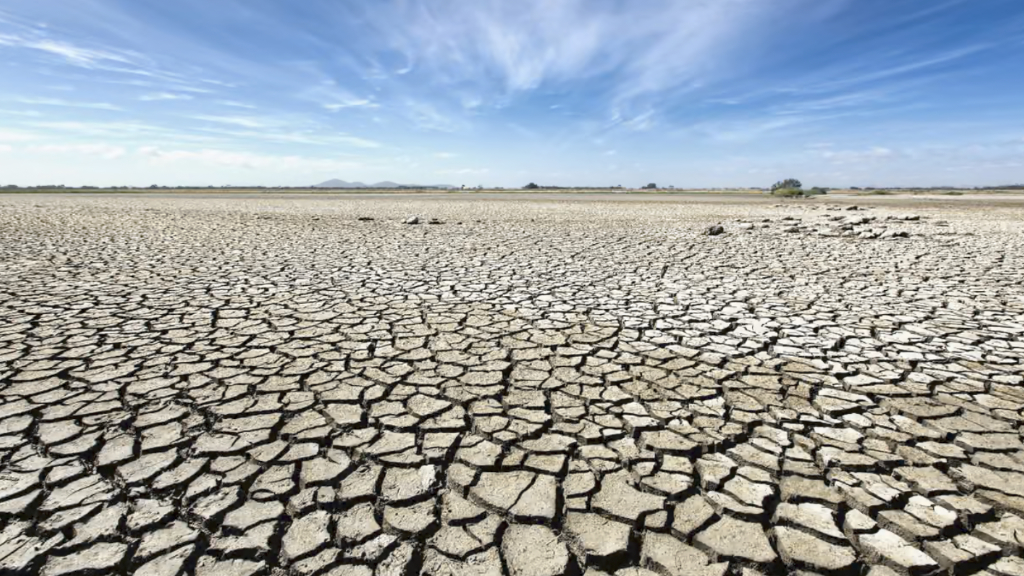
An important, if somewhat overlooked multilateral session took place during the 2026 Russia-Africa Summit concerning the impacts of global warming in Africa, with significant implications for Russia’s agricultural sector.
Russia’s Special Presidential Representative for Climate and Water Resources, Ruslan Edelgeriyev took part in the ‘Land Degradation to Sustainable Development: Russia–Africa Cooperation in Land Restoration and Drought Resilience’ Forum, along with UN Under-Secretary-General – Executive Secretary of the United Nations Convention to Combat Desertification Yasmine Fouad; Namibia’s Minister of Agriculture, Fisheries, Water, and Land Reform Ingenesia Inge Zaamwani; Egypt’s Minister of Supply and Internal Trade Sherif Farouk; Executive Secretary of the Pan-African Agency for the Great Green Wall Almoustapha Garba; Technical Adviser to Senegal’s Minister of Environment and Ecological Transition Fatou Sagna; and representatives of the Russian business community. The session was moderated by Director of the UN Food and Agriculture Organisation Liaison Office with the Russian Federation Oleg Kobyakov.
They discussed efforts to combat land degradation and desertification, strengthen drought resilience, ensure food security, and expand scientific, technical and investment cooperation between Russia and African countries.
Particular attention was paid to moving beyond the exchange of experience towards the implementation of joint projects involving advanced technologies for soil restoration, sustainable water resource management and improvements in agricultural land productivity.
Edelgeriyev emphasised the importance of establishing practical mechanisms for cooperation that take into account the national priorities and specific needs of African countries. The Russian side reaffirmed its readiness to facilitate cooperation between relevant government agencies, research institutions and businesses in implementing concrete environmental and agricultural technology projects.
Fouad highlighted the links between land degradation, food security, employment, and socioeconomic development. The discussion also underscored the need to broaden private-sector participation and attract investment in land restoration.
Joint Innovation & Research Programs
Almoustapha Garba, Executive Secretary of the Pan-African Agency of the Great Green Wall, proposed linking Russian research centers specializing in forest and land restoration with African counterparts. This includes sharing experience from regions like Russia’s Republic of Kalmykia in combating desertification. Namibia’s Ingenesia Inge Zaamwani emphasized rangeland restoration and livestock feed biomass processing.
Technology Transfer & Water Management
Discussions highlighted a strong demand for Russian expertise in hydrological research, water monitoring, desalination, water purification, and rangeland restoration – including converting encroaching trees and shrubs into charcoal or livestock feed.
Early-Warning Drought Systems
Collaborations focus on deploying satellite monitoring, solar energy applications, and integrated soil and water management frameworks. Russia can deploy its Glonass satellite system to assist in this monitoring of climatic conditions.
Business4Land Platform & Pilot Projects
Edelgeriyev announced a joint international project to reclaim degraded land via the Russian hub of the Business4Land platform in coordination with the UNCCD Secretariat.
Further Action
Numerous African officials expressed interest in Russian technologies and scientific expertise, particularly in water resource management, agricultural production and the development of food-related infrastructure.
Special attention was also paid to Russia’s cooperation with the Secretariat of the United Nations Convention to Combat Desertification, including opportunities to launch joint initiatives involving Russian businesses through the Business4Land platform.
Substantive discussions on these issues continued as part of the ‘Land Reclamation and Drought Resilience: From Strategic Decisions to Practical Results International Conference’ held in Volgograd.
The event focus is on mutual research and experiences – with Russia also facing environmental damage caused by global warming. That sharing of resources can extend into the development of salt-resistant crops and bio-engineering, both areas where Russia has considerable expertise. These all have far reaching implications for Russian agricultural interest throughout Africa as the entire continent faces increasing food security issues.