
 Русский







Investment Protection Agreements are being worked on to prepare businesses in India, Russia and the Eurasian Economic Union members – Armenia, Belarus, Kazakhstan and Kyrgyzstan for the upcoming free trade zone between India and the EAEU. This includes new logistics corridors and a financial settlement system independent of Western sanctions, according to Russia’s Deputy Foreign Minister Andrey Rudenko.
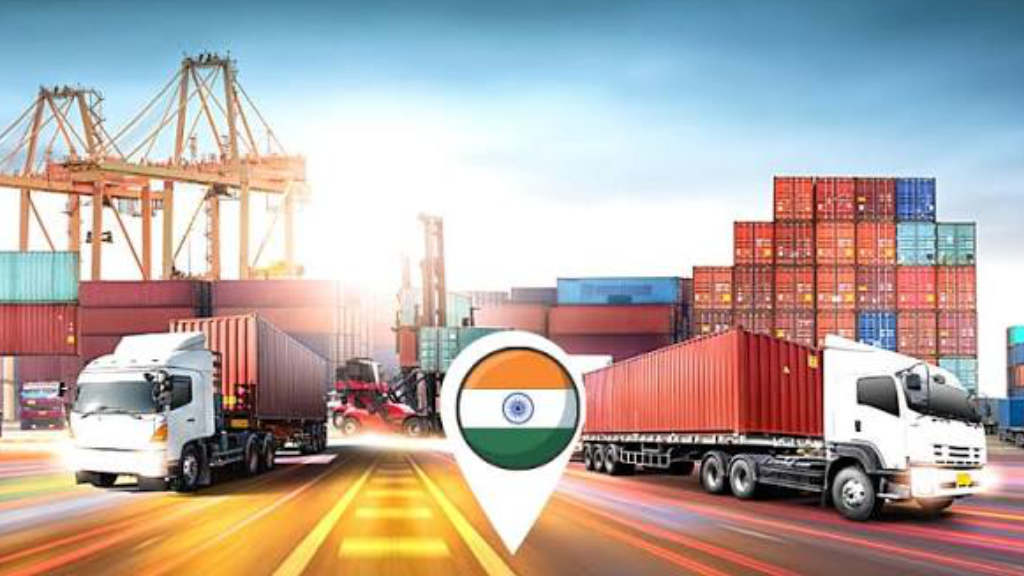
With India and Russia alone intending to bring their mutual trade volume to US$100 billion by 2030, Moscow and New Delhi need to strengthen their transport connectivity. In particular, this includes enhancing the Vladivostok–Chennai maritime route as well as joint development of the Northern Sea Route (NSR). In June 2026, the Indian Ministry of Transport advised President Putin about the lack of interest among Russian operators in operating a direct Vladivostok–Chennai maritime line due to a shortage of specialized capacities at the departure port. A reaction from the Kremlin is sure to follow.
Also being worked on are mutual payment systems to avoid using Western financial settlements architecture. Russia and India are also preparing two key economic agreements – one to deal with mutual investment protection, while is the Free Trade Agreement itself.
Key sectors within this include machine building, agriculture, military equipment production, and high technology, as well as the digital and space sectors. The latter includes satellite and mobile communications, information security, telecommunications, digitalisation of state administration, and urban infrastructure. Back on earth, this includes submarine cable systems. Energy cooperation and production occupies a special place in bilateral cooperation. Rudenko emphasized that regular supplies of Russian oil strengthen India’s energy security and help smooth global market instability.
In the nuclear industry, construction of the Kudankulam Nuclear Power Plant is continuing, while Moscow and New Delhi are also selecting a new site to construct another nuclear power plant.
Coordinating all these activities – and planned future developments such as increased use of the NSR is a complex issue as the tax and trade issues all need to be catered for in multiple sectors within the pending Free Trade Agreement. The other EAEU members will also need to do the same.
India’s 2025 Trade With The Eurasian Economic Union
| Country | Bilateral Trade | YoY Growth Rate |
| Russia | US$68.7 billion | +20% |
| Kazakhstan | US$923 million | +25% |
| Armenia | US$317 million | +152% |
| Belarus | US$106 million | +30% |
| Kyrgyzstan | US$4.5 million | +28% |
In terms of what to expect, the previous Free Trade Agreement the EAEU reached was with Iran in 2024. That resulted in a 30% increase in bilateral trade with Russia and a tripling of Iranian trade with the other EAEU members. The agreement eradicated 95% of all tariffs between Iran and the EAEU. The India-EAEU trade impact is likely to be even more significant.