 Русский





Russia has resumed flour exports to Burundi after a hiatus beginning in November 2024. Over 815 tonnes of wheat or rye-wheat flour worth around US$600,000 were shipped in 8M 2026, according to the Russian Agroexport Federal Center.
The suspension occurred as local importers were finding it difficult to obtain the correct documentation for shipments from Russia and Ukraine. Russia originally launched supplies of flour to Burundi in 2021. In addition to flour, more than 8,000 tonnes of wheat and about 290 tonnes of dried peas were sent from Russia to Burundi this year.
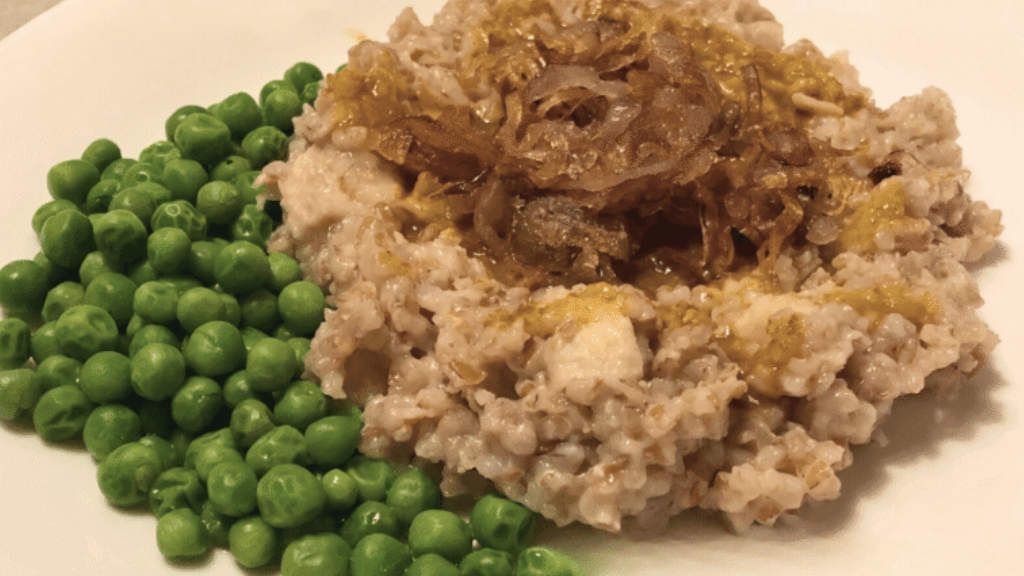
Russia is a significant exporter of bulgar wheat, which is used in traditional Burundian dishes such as Boko Boko Harees.
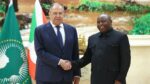
Russia and Burundi have friendly relations and primarily collaborate through the United Nations and the Russia–Africa Partnership Forum. The Russian Foreign Minister, Sergey Lavrov, travelled to the country in July and met with President Évariste Ndayishimiye and with the Minister of Foreign Affairs, Édouard Bizimana.
They discussed hydropower and nuclear power projects, with Russian companies prepared to invest in the country. Burundi is keen on constructing small modular nuclear power stations, with Lavrov saying that in July that “We discussed a whole host of specific projects that Russian companies are ready to implement in Burundi, primarily in the hydropower and nuclear power sectors. On nuclear power, work is already underway; staff are being trained. Burundi is keen on small modular nuclear power stations, and Rosatom and Burundi’s counterparts have already signed a fundamental document that forms the basis for such interaction.”
Education is another cooperation sector, with Lavrov adding that “Our African colleagues are increasingly interested in educational exchanges. We are ready, at our friends’ request, to increase the number of annual stipends allocated to Burundi.”
The development of regional onshore supply chains to neighboring countries may provide an opportunity for the development of Burundi as an assembly production center for exporting products to the EAC member countries, due to lower wages and a central-eastern location. It is possible some Russian infrastructure developers—including vehicles—could enter this market as a result.
However, currently the volume of Russia-Burundi bilateral trade is small and amounts to less than US$10 million per annum. Burundi’s President Évariste Ndayishimiye is scheduled to co-chair the upcoming Russia-Africa Summit in Moscow in October to further secure bilateral investments and trade.