
 Русский




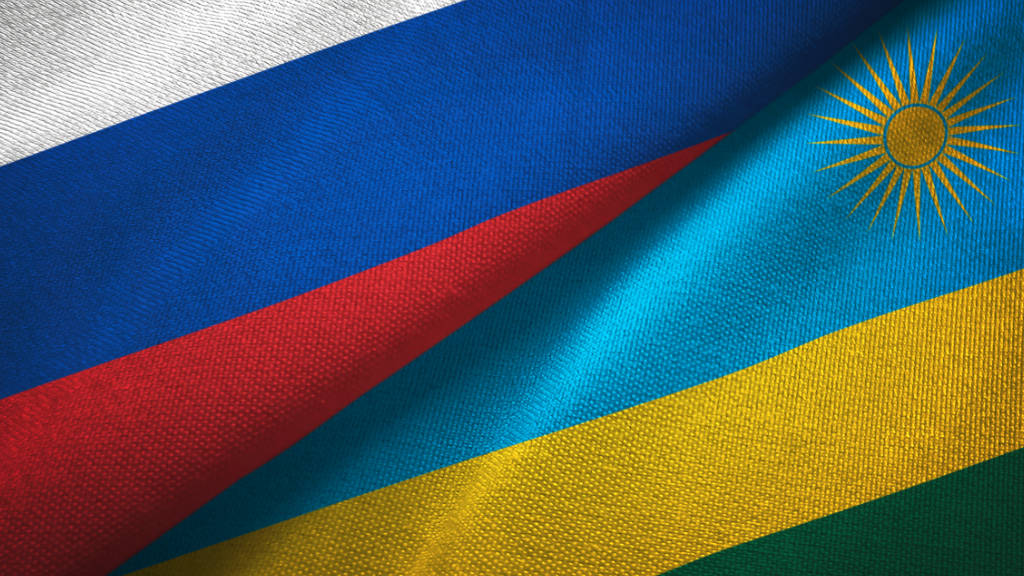

Russian Foreign Minister Sergey Lavrov has met with Olivier Nduhungirehe, the Rwanda Minister of Foreign Affairs on the sidelines of the Antalya Diplomacy Forum.
The two reaffirmed their mutual commitment to steadily develop bilateral cooperation and discussed current issues of enhancing traditionally friendly Russia-Rwanda relations with a focus on expanding trade, economic and humanitarian ties including cooperation in peaceful use of nuclear energy, education and personnel training.
Russia’s Rosatom and the Rwandan nuclear power agency signed a road map for the development of NPP in Rwanda in 2019. That has progressed, with Rwanda planning to establish a nuclear research centre in collaboration with Russia by 2030. The centre is expected to focus on producing radioactive materials for cancer diagnosis and treatment, improving agriculture through radiation technologies, and advancing industrial testing methods. Additionally, Rwanda is preparing to host Africa’s first demonstration of a Dual Fluid nuclear reactor and is exploring small modular reactor (SMR) technology to meet the country’s growing energy demands.
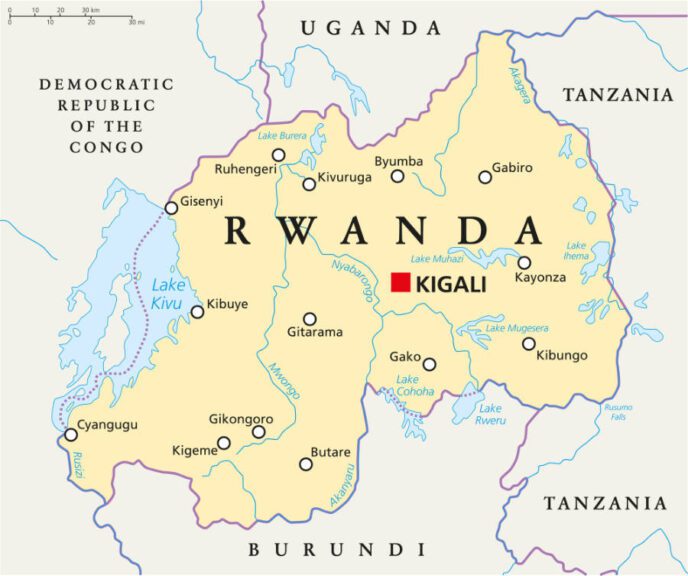
Rwanda has experienced rapid economic growth and is positioning itself as a regional hub for trade, technology, and tourism.
Agriculture, which employs around 70% of the population, is a key driver, with coffee and tea being important exports. Rwanda is known for its high-quality Arabica coffee, and other key crops include maize, beans, potatoes, and cassava. Mining plays a vital role in the economy, with Rwanda rich in tin, tantalum, tungsten, gold, and precious stones. The country is working to increase the value of its mineral exports through enhanced processing. Tourism, particularly gorilla trekking in the Volcanoes National Park, is a growing industry, alongside eco-tourism and cultural heritage sites. Rwanda’s construction and real estate sectors are expanding rapidly due to urbanization and infrastructure development, particularly in Kigali. The manufacturing sector, focused on food processing, textiles, and cement, is growing to reduce import dependence. Additionally, Rwanda is investing heavily in ICT, aiming to become a regional technology hub with advancements in mobile tech, digital services, and startups.
As a member of the East African Community (EAC), Rwanda participates in promoting the free movement of goods, services, and people among six East African countries. Additionally, Rwanda is a signatory to the African Continental Free Trade Area (AfCFTA), which aims to foster intra-African trade by eliminating tariffs and non-tariff barriers, thus enhancing economic integration across the continent. Rwanda also benefits from the Common Market for Eastern and Southern Africa (COMESA), which focuses on trade liberalization and infrastructure development, providing reduced tariffs and access to member states’ markets. Rwanda’s WTO membership facilitates global trade negotiations and dispute resolution. Under AGOA, it gains preferential access to the U.S. market for agricultural goods, textiles, and handicrafts. The EU-Rwanda EPA supports agricultural exports, while MERCOSUR observer status opens trade possibilities with South American countries. As part of the SADC-EAC-COMESA Tripartite Free Trade Area, Rwanda benefits from reduced tariffs and improved regional infrastructure, boosting intra-African trade.
With a population of approximately 14.26 million, Rwanda has a GDP (PPP) of US$51.92 billion, an expected 2026 GDP growth rate of 7.2%, with a GDP per capita (PPP) of US$3,750.
Rwanda and Russia continued their developing trade relationship in 2025, with Rwanda exporting US$456,000 of products to Russia and importing US$1.65 million for a total bilateral trade figure of US$2.1 million. Trade has increased over 45% since 2021. Rwanda’s exports to Russia include coffee, tea, and cut flowers, while Russia’s imports include measuring instruments, paper, and refined petroleum.