
 Русский








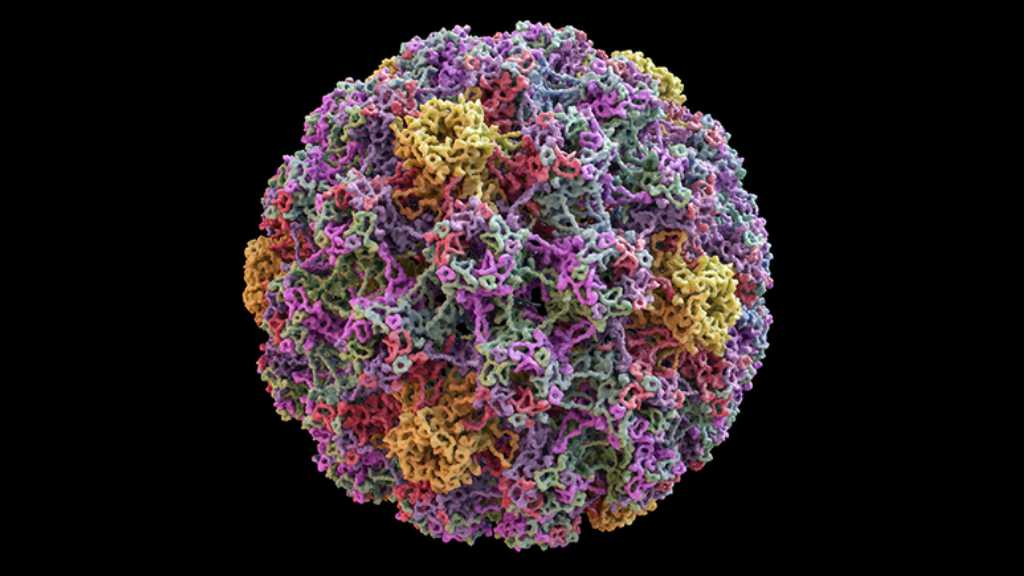

The launch of a second antigen production site for the Human Papillomavirus Vaccine (HPV) will allow Russia’s Nanolek biopharmaceutical manufacturer, to begin exporting, according to Valentin Dodonov, the company’s director for government relations and market access.
HPV is a common (mainly sexually transmitted) virus that causes genital warts and can lead to cervical cancers in women. Nanolek launched the first production line for the HPV vaccine in October 2025, with a capacity of at least 600,000 doses per year. The investment required reached ₽7.5 billion (US$105.3 million), of which ₽950 million was a preferential loan from the Russian Industrial Development Fund. The second line should be completed next year and will increase the annual capacity of Nanolek’s HPV vaccine production to over 3 million doses.
Dodonov said, “Our export supplies are aimed at friendly markets such as the Commonwealth of Independent States countries. As part of the Eurasian Economic Union registration procedure, we also plan to send supplies to Belarus, Kazakhstan, Armenia, and Kyrgyzstan. We are currently working on the possibility of supplies to Mongolia and are already at the stage of concluding a cooperation agreement. We also recently had a meeting with Egypt; this concerns not only supplies to Egypt but also to North Africa. There was also a meeting with Nicaragua, where there is very strong interest not only in the HPV vaccine but also in all our developments. The HPV vaccine is additionally of interest to Vietnam. At the same time, the company’s priority is meeting domestic demand within Russia.”
Nanolek was founded in 2011. Its portfolio includes drugs for the prevention of whooping cough, diphtheria, tetanus, and polio, as well as Haemophilus influenzae type b, meningococcal, and pneumococcal infections. The production complex, which is based in the Kirov region, can produce up to 10 million pre-filled syringes, 8 million vials of solutions and suspensions, 1 million vials of lyophilized products, and 2 billion tablets per year.