 Русский




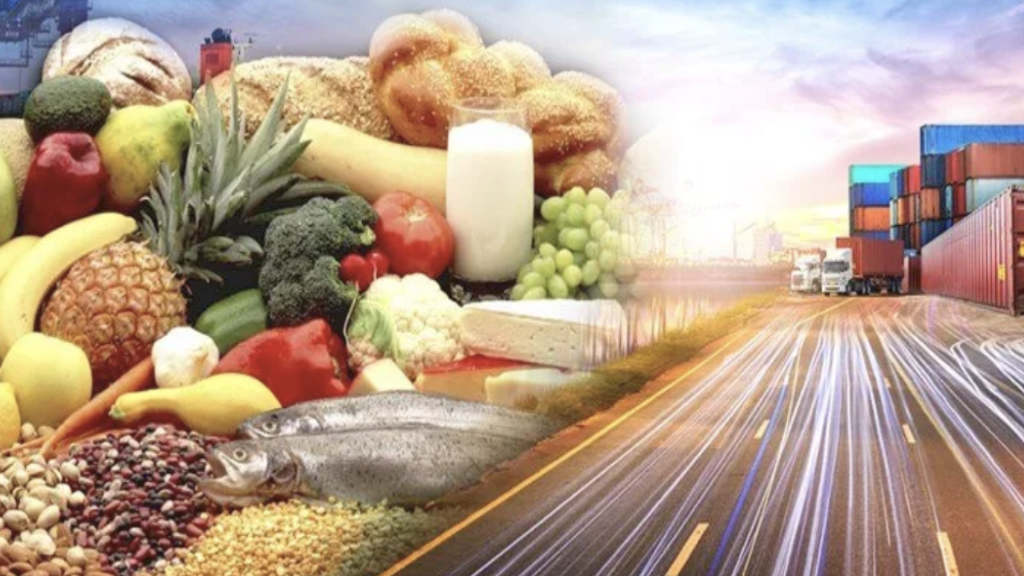

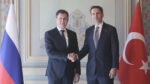
Russia and Turkiye have boosted their mutual agricultural trade over 30% year-on-year in H1 2026, according to Russia’s Agriculture Ministry. The data followed bilateral meetings of the Russia-Turkiye Agricultural Executive Committee that has taken place in Ankara.
Russia’s Deputy Agriculture Minister, Maxim Markovich led the Russian delegation, and Deputy Agriculture and Forestry Minister Ahmet Bahci led the Turkish delegation.
A Ministry statement says that “Russia remains one of the main suppliers of grains, legumes, and oil and fat products to the Turkish market. Last year, Russia began exporting beef to Turkiye. In turn, Russia has imported fish products, fruits, and citrus fruits from Turkiye.”
Mineral fertilizer exports from Russia to Turkiye have also grown and nearly doubled last year.
In terms of overall bilateral trade between Russia and Turkiye, this rose by 6.6% in 2025 to reach US$49.1 billion. The two countries have agreed a trade target of US$100 billion to be achieved by 2030. This goal was formally agreed upon by Russian President Vladimir Putin and Turkish President Recep Tayyip Erdoğan to expand economic, energy, and agricultural cooperation.
To reach this goal will almost certainly require additional bilateral trade incentives. Typically, that would normally involve negotiations concerning a Free Trade Agreement with the Eurasian Economic Union, which includes Russia as well as Armenia, Belarus, Kazakhstan and Kyrgyzstan.
However, as Turkiye has a trade agreement with the European Union, under international trade rules and World Trade Organization (WTO) frameworks, Ankara cannot simultaneously belong to a separate customs union or enact certain preferential or free-trade alignments that conflict with the EU common external commercial policy without terminating or heavily restructuring its European arrangement. In addition, Ankara’s relations with EAEU member Armenia remain strained.
To get around these issues, Russia and Turkiye are instead looking at their bilateral relations and plans to expand their trade together. This is an on- going process, with Russia’s Foreign Minister, Sergey Lavrov, holding talks with Turkish President Erdogan in February this year. That was followed by discussions between Lavrov and Turkish Foreign Minister Hakan Fidan in June. That is to be followed itself by a meeting of the Joint Intergovernmental Russian-Turkish Commission on Trade and Economic Cooperation later this year, meaning that some clarity over as concerns how the two sides intend to further develop their bilateral trade can be expected shortly.