
 Русский





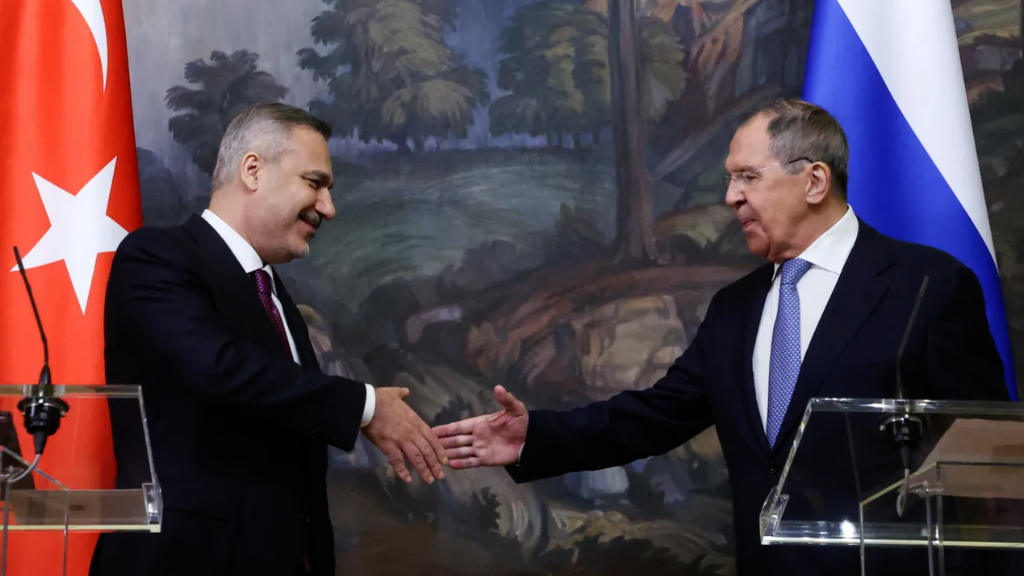

The June 16 meeting in Moscow between Russian Foreign Minister Sergey Lavrov and Turkish Foreign Minister Hakan Fidan was widely reported by the Western media through the familiar lens of Ukraine diplomacy, NATO gamble, strategic confrontation in Eurasia, South Caucasus and West Asia. Yet such an interpretation misses the larger strategic significance of the talks. The most important outcome was not Türkiye’s continued willingness to facilitate dialogue between Moscow and Kyiv, nor the acknowledgement of persistent disagreements over NATO, Syria, Libya or the South Caucasus. The real significance lies in that Russia and Türkiye are gradually constructing a long-term framework of economic, energy, transport and security cooperation that is increasingly shaping the future geography of Eurasia.
The central message emerging from the Lavrov-Fidan discussions was clear. Moscow and Ankara have accepted that they will continue to disagree on many geopolitical questions, but they are equally determined to cooperate where their interests converge. More importantly, those areas of convergence are no longer limited to trade or tourism. They now encompass Black Sea supply chain routes security, energy infrastructure protection, transport connectivity, logistics integration, South Caucasus stabilization, regional economic development and emerging Eurasian corridors stretching from Russia to the Mediterranean, the Gulf and North Africa.
It should not be forgotten that Ukrainian drones have attacked ships in Turkish waters.
Lavrov’s Comments
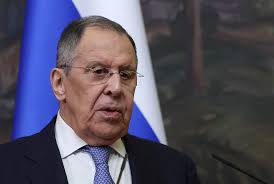
Russian Foreign Minister Sergei Lavrov said “We have conducted substantive, concrete, and productive negotiations. We have identified practical steps that must yet be taken to implement the fundamental agreements reached by our Presidents regarding the development of bilateral ties and the strengthening of coordination on regional and international matters. In April this year, we engaged in discussions on the sidelines of the Antalya Diplomatic Forum. Our dialogue is ongoing, and we will, of course, meet at the forthcoming UN General Assembly. We noted the intensive nature of our dialogue at all levels – at the presidential level, between the heads of parliament, and between our foreign ministries. At the Antalya Diplomatic Forum, Foreign Minister Hakan Fidan and I signed a further Plan of Consultations between our foreign ministries, which is being successfully implemented. Turning to trade and economic affairs, we welcomed the dynamic development of cooperation in the energy sector. In particular, the construction of the Akkuyu Nuclear Power Plant, as part of the Rosatom State Corporation project, is proceeding on schedule.
There is a shared interest in ensuring due preparation and convening, before the end of the year, of the 20th session of the Joint Intergovernmental Russian-Turkish Commission on Trade and Economic Cooperation.
We also discussed the need to further develop cooperation in tourism. In 2025, nearly 7 million Russian citizens visited Türkiye. We are interested in ensuring that their safety is reliably guaranteed. We have always valued this aspect of our Turkish friends’ approach.
We conducted a constructive review of current global and regional issues, including the situation in the Black Sea region. We are concerned by the Kiev regime’s attempts to orchestrate provocations against vessels transporting grain to the Republic of Türkiye and against tankers, as well as by the persistent threats of terrorist attacks against the TurkStream and Blue Stream gas pipelines. We have agreed to collaborate closely on matters of security in the Black Sea region, the South Caucasus, the Middle East, and North Africa. In these domains, we have established close contacts with our Turkish colleagues. We operate on a mutually complementary basis”
Amidst the sustained pressure from Western countries, bilateral trade and economic cooperation occupy a prominent place on the agenda. Turkish individuals and companies have also been subjected to EU sanctions. In addition, Russia and Turkiye also focused on the diversification of bilateral trade and the creation of favourable conditions for improving banking services, and will discuss preparations for the 20th meeting of the Joint Russian-Turkish Intergovernmental Commission on Trade and Economic Cooperation.
This evolution is significant because it represents a shift from transactional cooperation toward infrastructure-based interdependence. Unlike diplomatic understandings, infrastructure creates long-term strategic realities. Pipelines, nuclear power plants, ports, railways, logistics hubs and trade corridors continue operating regardless of political disagreements. In this sense, Russia and Türkiye are not simply managing their relationship; they are constructing a new Eurasian economic architecture.
Black Sea Security Becomes an Economic Issue
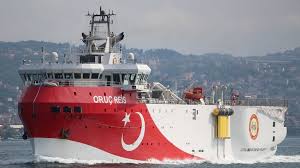
One of the most important developments emerging from the Moscow talks was the decision to deepen cooperation on Black Sea security. At first glance, this appears to be a traditional security issue. In reality, it is fundamentally an economic issue. Lavrov emphasized concerns regarding attacks against grain vessels, tankers, and threats against the TurkStream and Blue Stream pipelines. These concerns reveal that the Black Sea has become one of the most important economic spaces in Eurasia. The security of shipping lanes directly affects grain exports, hydrocarbon transportation, insurance costs, logistics chains and regional investment flows.
For Russia, the Black Sea is no longer merely a military theater. It is a strategic trade artery connecting southern Russian ports with Türkiye, the Mediterranean, North Africa and the Middle East. For Türkiye, the Black Sea serves as the gateway linking its economy to Russia, the Caucasus and wider Eurasia.
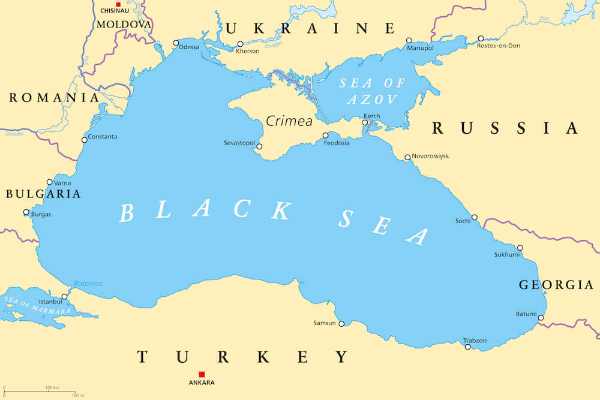
The importance of this region is growing as global trade routes face increasing disruption. Instability in the Red Sea, tensions around the Strait of Hormuz and broader Middle Eastern uncertainties have elevated the strategic value of alternative corridors. Under these conditions, a secure Black Sea offers both countries a comparatively stable platform for economic expansion. The significance of the Lavrov-Fidan consensus lies precisely here. Besides Turkiye’s intention to continue hosting Istanbul talks on the Russia-Ukraine conflict, both countries recognize that disruptions to Black Sea shipping and energy infrastructure would impose substantial economic costs on both sides.
According to a recent Bloomberg report, Turkiye and Russia are negotiating an extension of natural gas supply agreements beyond 2026, as several existing contracts are set to expire at the end of this year. Turkish state energy company BOTAŞ is currently holding talks with Russia’s Gazprom regarding new contract volumes and durations, with Turkish Energy Minister Alparslan Bayraktar confirming the discussions at the Baku Energy Forum in Azerbaijan on June 1, 2026.
In December 2025, Ankara already renewed two gas import agreements covering supplies through the TurkStream and Blue Stream pipelines. Turkiye remains Gazprom’s second-largest export market after China, following Russia’s loss of most European gas customers after 2022.
From February 2023 to 2024, Turkiye’s imports of Russian fuel rose by 105%, making it the world’s largest importer of Russian oil products, accounting for 72% of Turkiye’s total oil imports and 21% of Russia’s global fuel exports. This mutual dependency has incentivized new projects like the proposed Istanbul natural gas hub, jointly developed by Gazprom and BOTAŞ, aimed at transforming Turkiye into a key energy trading center for Europe and Asia.
Renewing these supplies is critical for Ankara’s energy security, particularly as it balances domestic demand, transit revenues, and its broader ambition to become a regional gas trading hub. In 2024, Gazprom shipped 21.6 billion cubic meters to Turkiye, according to Bloomberg calculations based on data from the nation’s energy regulator EMRA. These volumes made Turkiye the second-largest buyer of Russian pipeline gas after China, helping prop up Gazprom’s financial results for the year. The current Russia-Turkiye gas framework is built around long-term contracts between BOTAŞ and Gazprom, with supplies mainly delivered through TurkStream’s two 15.75 bcm lines and the Blue Stream pipeline. Turkiye imports around 22 bcm of Russian gas annually, while the European branch of TurkStream has become Russia’s primary remaining pipeline route to Europe after the end of Ukrainian transit in January 2025, carrying roughly 40-55 million cubic meters per day in early 2026.
Ankara and Moscow are now discussing an extension beyond 2026, although volumes, pricing formulas, payment mechanisms, and potential discounts remain undisclosed. The arrangement also allows Russian gas to continue reaching countries such as Bulgaria, Serbia, and Hungary through Turkish territory. However, the EU is moving to phase out Russian gas imports by 2027–2028 and is introducing stricter origin-verification and anti-circumvention rules aimed at preventing Russian gas from re-entering European markets via third countries. Turkiye’s ambitions to become a regional gas hub, including trading, storage, and gas-swapping mechanisms, could further complicate EU efforts to restrict Russian energy flows. The sleight of hand that EU politicians display when not wanting to directly be seen importing Russian gas but de facto doing so when sourcing or mixed with energy from other regions – including Turkiye – should also be factored into the equation. As long as it doesn’t say “Russian” on the box, EU politicians can hide the true origins.
Russia-Turkiye Trade
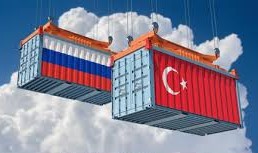
The economic foundation of Russian-Turkish relations remains remarkably resilient. According to official figures, bilateral trade reached approximately US$52.6 billion in 2024, down 7% from the previous year. Although this represented a modest decline from the previous year, it still positioned Türkiye as one of Russia’s most important economic partners globally and its second-largest trading partner after China.
Turkiye imported over US$25.3 billion in Russian energy and raw materials while exporting nearly US$3.8 billion in machinery, fruits, and plastics, a relationship built on necessity, not alignment. Bilateral trade also remained substantial in 2025, reaching nearly US$29 billion between January and July. Turkiye imported approximately US$25.3 billion worth of Russian goods, dominated by energy fuels and oils (US$18.2 billion), metals (US$3.43 billion), and agricultural inputs (US$1.15 billion). Key imports included steel (US$1.9 billion), copper (US$847 million), aluminum (US$683 million), animal and vegetable oils (US$528 million), cereals (US$426 million), and fertilizers (US$196 million).
Turkiye exported US$3.78 billion to Russia, led by machinery (US$734 million), fruits and nuts (US$392 million), plastics (US$291 million), seafood (US$231 million), vehicles (US$165 million), electrical equipment (US$145 million), and chemicals (US$105 million).
This trade structure highlights deep economic interdependence, with Russia supplying critical energy and industrial inputs while Turkiye provides manufactured goods, food products, and industrial equipment. Russia meanwhile is a major supplier of energy and raw materials to Turkiye. The trade balance is heavily import-weighted, reflecting Turkiye’s dependence on Russian oil and natural gas.
Russia & Turkiye Introduce A Global Financial Evolution

Meanwhile, Western pressure has increasingly attempted to constrain Ankara’s room for maneuver. Turkish banks began blocking payments from Russian companies in early 2024, a response to U.S. secondary sanction threats, signaling Turkiye’s intent to preserve access to Western financial systems while balancing relations with Moscow. However, during their meeting, Lavrov and Fidan focused on the creation of favorable conditions for improving banking services.
This is having evolutionary impact in global payment systems. When the EU threatened sanctions against Turkish banks for accepting Russian MIR cards in 2024, Russia and Turkiye devised an alternative QR payment system that bypasses SWIFT and uses national telecommunications systems to process funds. Today, Russian’s travelling to Turkiye register a special QR code on their smartphone via their bank and can pay directly from their Russian accounts when presented with a QR code for a product or service in Turkiye.
This system is also being introduced into other countries – such as Egypt and Tajikistan and can be expected to be rolled out to many more. The days of SWIFT dominance in global payment systems management are coming to an end.
This is having a dramatic effect and has helped not just preserve Turkiye’s tourism industry but is actively boosting it. Turkish Culture and Tourism Ministry data shows Russian visits climbed from 6.7 million in 2024 to 6.9 million in 2025, with projections for further growth this year. When the QR payment system is better integrated into Turkish non-tourism related businesses, bilateral trade will grow further.
This is probably already happening. Russian Economic Development Minister Maxim Reshetnikov stated in 2025 that Türkiye had once again become Russia’s second-largest trading partner, behind China and ahead of India. Moscow and Ankara continue to pursue an ambitious long-term objective of increasing bilateral trade to US$100 billion.
Among Organisation of Islamic Cooperation countries, Türkiye remains Russia’s most significant economic partner. Turkish expertise in participation finance is also helping Russia develop Islamic banking mechanisms within its own financial system and will assist with Russian financial participation into Islamic markets in the Middle East and Asia. Recent Russian trade developments in the UAE and Indonesia are symptomatic.
Turkish firms including Rönesans Holding, Limak, Enka and Hayat Holding continue participating in major projects across Russia, while Russian investments in Türkiye have exceeded US$6 billion. The relationship has therefore evolved beyond conventional trade, and now increasingly involves investment ecosystems, industrial partnerships and long-term business integration.
The Russia-Turkye Energy Partnership
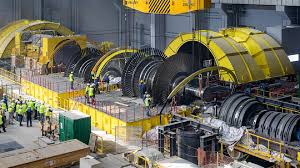
Energy remains the backbone of Russian-Turkish relations. Russia continues to be Türkiye’s largest supplier of natural gas, oil and petroleum products. The TurkStream and Blue Stream pipelines remain among the most strategically important energy links connecting Russia with both Türkiye and parts of Europe. Long-term gas contracts may be extended into 2026, ensuring continued supply stability despite broader geopolitical uncertainty. Yet the relationship extends far beyond pipeline exports. The Akkuyu Nuclear Power Plant represents one of the most ambitious international energy projects undertaken by Russia anywhere in the world. Located in Mersin Province and constructed by Rosatom under a build-own-operate model, the project carries a total capacity of 4.8 gigawatts and is expected to provide approximately 10 percent of Türkiye’s electricity generation once fully operational. Rosatom expects the project to begin generating substantial returns after 2035, with full investment recovery anticipated around 2035.
However, the importance of Akkuyu extends beyond electricity production. It establishes decades-long technological, operational and financial links between the Russian and Turkish energy sectors. Nuclear facilities require continuous cooperation involving fuel supply, maintenance, technical training and operational management. In practical terms, Akkuyu institutionalizes long-term energy cooperation regardless of future political fluctuations. For Russia, it secures a strategic presence within Türkiye’s future energy architecture. For Türkiye, it strengthens energy diversification while supporting ambitions to become a regional energy hub.
Türkiye’s Energy Hub Ambitions Align with Russia’s Strategic Interests
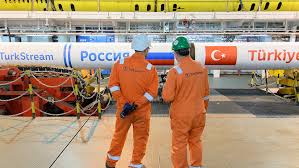
Perhaps the most underestimated dimension of Russian-Turkish relations is the convergence between Ankara’s energy hub ambitions and Moscow’s post-2022 strategic adjustments. Since the Ukraine conflict fundamentally altered European energy markets, Russia has accelerated efforts to diversify export routes and markets. At the same time, Türkiye has intensified efforts to position itself as a regional energy hub connecting producers and consumers across multiple regions. The emergence of alternative energy corridors increasingly reinforces this convergence. Türkiye today sits at the intersection of TANAP, TurkStream and the Baku-Tbilisi-Ceyhan pipeline. It is expanding cooperation with Turkmenistan, Iraq, Qatar and Gulf countries while seeking to strengthen its role in regional energy distribution. For Moscow, Türkiye offers something increasingly valuable: access to Mediterranean markets, Middle Eastern consumers, regional energy infrastructure and alternative transit routes. In a world characterized by fragmentation and sanctions, access has become a strategic commodity. This explains why both governments increasingly view energy cooperation not simply as a commercial issue but as a central pillar of Eurasian stability.
Russia, Turkiye & The INSTC
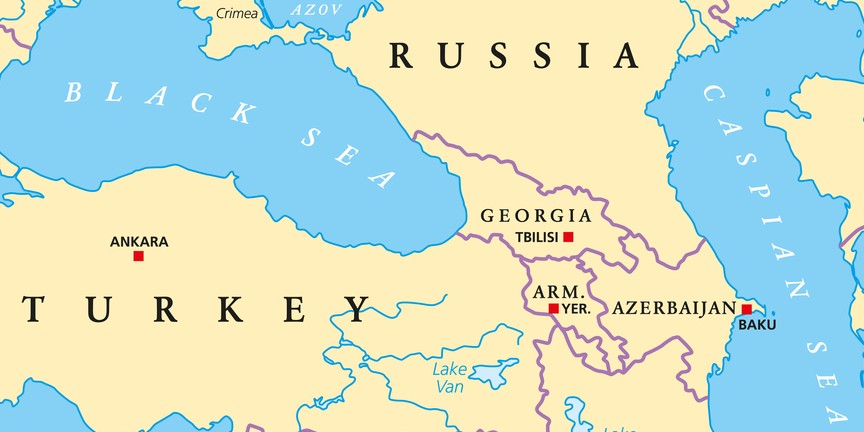
Between Russia and Turkiye lies the South Caucasus, which is now emerging as Western Eurasia’s missing link. One of the most consequential aspects of the Lavrov-Fidan discussions involved the South Caucasus region. Both countries emphasized support for transport connectivity, post-conflict reconstruction and the 3+3 regional cooperation format involving Russia, Türkiye, Iran, Azerbaijan, Armenia and potentially Georgia. This may appear technical. In reality, it carries enormous strategic implications. The South Caucasus occupies a critical geographic position between Russia, Türkiye, Iran, Central Asia and the Caspian basin. Historically, instability has prevented the region from realizing its connectivity potential. However, emerging trends suggest a different future. If transport routes are gradually reopened and regional tensions continue declining, the South Caucasus could become one of Eurasia’s most important transit zones. Such a transformation would create new corridors connecting Russia to Türkiye, the Middle East and beyond. The implications extend far beyond regional trade. They would reshape continental logistics patterns.
From Novorossiysk to Ankara: Connectivity Is Already Expanding
Beyond trade, Turkey serves as a critical logistics hub linking Russia to Mediterranean, Middle Eastern and European markets. The Second Ministerial Conference on Transport of the Organization of Islamic Cooperation (OIC), held on 11-12 February 2026 in Istanbul, marked the first high-level gathering of transport ministers from OIC member states in nearly four decades. Russia participated as an OIC observer state. Deputy Transport Minister Dmitry Zverev used the platform to emphasize complementarity between OIC-led corridor initiatives and Russia’s International North-South Transport Corridor (INSTC).
Delivering a national report, he presented Russia’s comprehensive experience in developing modern transport infrastructure and building efficient logistics systems. In his address, Dmitry Zverev outlined Russia’s large-scale efforts to establish international transport corridors, enhance regional connectivity, and introduce advanced digital solutions in the transport sector. Particular emphasis was placed on creating favorable investment conditions and expanding public-private partnership mechanisms.
The Russian side highlighted the strategic importance of coordinating infrastructure projects across Eurasia and developing multimodal transport routes to unlock the full transit potential of the continent. It was noted that Russia consistently promotes practical, mutually beneficial cooperation with OIC member states in the transport and logistics sphere.
Special attention during the speech was devoted to the investment agenda. Dmitry Zverev reaffirmed Russia’s openness to constructive dialogue with foreign partners, financial institutions, and international development organizations, emphasizing the importance of joint efforts to modernize transport infrastructure and ensure sustainable economic growth.
The conference may ultimately be remembered not as a routine ministerial forum, but as a structural turning point in Eurasian trade geography. At a moment when global supply chains remain fragmented by sanctions, maritime insecurity, and geopolitical polarization, the summit signaled the consolidation of a southward Eurasian connectivity arc stretching from Russia’s Black Sea and Caspian gateways through Anatolia to the Mediterranean, the Levant, Southeastern Europe, and North Africa. For Moscow, the Istanbul platform was more than symbolic participation. It marked the institutional alignment of Russia’s INSTC with Turkey-led Middle Corridor initiatives and broader OIC transport integration frameworks. The convergence is quantitative, not rhetorical. It is measurable in transit days saved, millions of tons redirected, and billions of dollars in trade recalibrated. Russia’s “transit renaissance” is no longer a political slogan. It is becoming an economic system.
Russia and Türkiye can increasingly build a network of connectivity corridors that link the Black Sea, South Caucasus, Central Asia, the Middle East, the Levant, and North Africa. Key projects include the 31.5 bcm-per-year TurkStream pipeline, the Blue Stream gas route, the Ankara-Gebze-Novorossiysk intermodal transport corridor, and emerging South Caucasus transit routes connecting Russia with Azerbaijan, Türkiye, and the Caspian region. Through Türkiye’s role in the Middle Corridor (Trans-Caspian Route) and its strategic control of access between the Black Sea and Mediterranean, Russian trade gains growing access to Central Asian markets, the Gulf states, the Levant, and North Africa. If regional normalization and new transport agreements progress, a broader corridor linking Russia–South Caucasus-Türkiye-Iraq-Gulf markets could emerge, while Turkish ports and logistics hubs continue serving as gateways for Russian goods to Egypt, Algeria, Libya, Morocco, and wider Mediterranean markets. Together, these projects are transforming Russia-Türkiye cooperation from a bilateral relationship into a major pillar of Eurasian connectivity.
Evidence of this transformation is already visible. In April 2026, FESCO launched a new intermodal transport route linking Ankara and Novorossiysk via the Turkish port of Gebze. The corridor combines rail and maritime transportation. Cargo moves from Ankara to Gebze by rail before being transferred onto vessels serving the Novorossiysk route. Transit times have been reduced to only a few days. The first shipments included chemicals and consumer goods, demonstrating the commercial viability of the route. While modest in scale today, such projects represent something much larger. They are gradually creating an integrated Russian-Turkish logistics ecosystem. This process mirrors historical transformations in other regions where infrastructure preceded deeper economic integration. As connectivity expands, trade naturally follows. As trade expands, investment follows. As investment expands, political cooperation becomes increasingly valuable.
The Middle East Factor
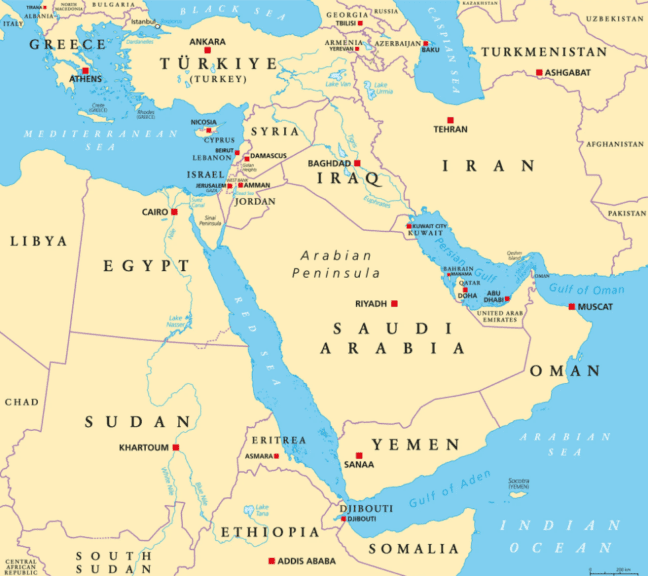
The broader Middle East is also becoming increasingly relevant. Lavrov and Fidan discussed developments involving Iran, Syria, Palestine, Lebanon and North Africa. Although Russia and Türkiye do not share identical positions, both countries recognize that regional instability directly affects economic opportunities. This is particularly important given growing discussions surrounding future transport integration linking the Gulf, the Levant and the Eastern Mediterranean. The recent Saudi-Turkish agreement to revive the historic Hejaz Railway illustrates broader regional trends. Although still in early stages, the project reflects renewed interest in overland connectivity across the Arabian Peninsula. Should these initiatives progress, opportunities may emerge to connect Middle Eastern transport systems with existing Turkish and Russian-linked infrastructure. Such a scenario would create entirely new commercial corridors stretching from Russia’s Black Sea ports toward the Middle East and potentially North Africa. While these possibilities remain speculative, they illustrate the direction in which regional connectivity discussions are evolving.
The Islamic World Dimension
The Russia-Türkiye relationship is also expanding within a wider Islamic economic framework. The Kazan Forum a joint platform between Russia and the Islamic Organisation for Cooperation, was held in April and attracted numerous Islamic leaders and has emerged as Russia’s principal platform for engagement with the Islamic world. The 2026 forum demonstrated growing interest in investment cooperation, participation finance, halal industries and regional economic integration.
Turkish officials emphasized opportunities in finance, manufacturing, logistics, industrial cooperation and investment. Particularly noteworthy is cooperation involving participation finance and Islamic banking mechanisms. Russia has increasingly explored Islamic finance instruments, especially in regions with substantial Muslim populations. Türkiye’s extensive experience in this sector provides valuable expertise. This represents another example of how bilateral cooperation is diversifying into previously unexplored areas. The relationship is no longer confined to hydrocarbons and tourism. It now encompasses finance, technology, logistics, industrial development and regional investment networks.
Burak Dağlıoğlu, head of Türkiye’s Investment and Finance Office, noted that the forum has evolved into a comprehensive platform combining economic, trade, investment, and cultural cooperation, including halal industries. He emphasized growing trade diversification between Türkiye and Russian regions such as Tatarstan, covering industrial goods and non-resource products, while Russian-capital investments in Türkiye have exceeded US$6 billion. Türkiye and Russia are also expanding cooperation in participation finance and Islamic banking, with both sides seeking to develop new financial instruments and investment ecosystems. Dağlıoğlu added that Turkish firms see significant opportunities in industry, petrochemicals, machinery, metal processing, and food sectors, while Istanbul is being positioned as a regional hub providing international companies access to broader Eurasian, Russian, and Islamic markets.
Competition Remains, But Cooperation Prevails
None of this means competition has disappeared. Türkiye remains a NATO member. Ankara continues supporting Ukraine’s territorial integrity. Differences persist regarding Syria, Libya and aspects of the South Caucasus. Russian and Turkish influence occasionally overlaps in Central Asia. Yet these disagreements increasingly coexist alongside expanding cooperation. This is perhaps the defining characteristic of the modern Russian-Turkish relationship. The two countries have developed a mechanism for compartmentalization. They compete where necessary. They cooperate where beneficial. They communicate continuously. They avoid allowing disagreements in one arena to destroy cooperation in another. This pragmatic approach has become one of the most durable features of their relationship.
Summary: A New Eurasian Reality
The significance of the June 2026 Lavrov-Fidan meeting ultimately lies not in any single agreement or diplomatic statement. Its importance lies in confirming a broader strategic trend. Russia and Türkiye are gradually building a framework of infrastructure-based interdependence that spans energy, transport, trade, investment, tourism, finance and regional security. The Black Sea is emerging as the central artery of this process. The South Caucasus is becoming a potential bridge rather than a barrier. Energy cooperation continues deepening. Logistics networks are expanding. Financial links are broadening. Trade remains substantial despite geopolitical turbulence. For both Moscow and Ankara, the future increasingly depends not on eliminating differences but on managing them while advancing shared interests. This is why the Russia-Türkiye relationship matters far beyond bilateral diplomacy. It is becoming one of the key mechanisms shaping the future geography of Eurasia. The real story of the Lavrov-Fidan talks is therefore not Ukraine. It is the gradual construction of a new Eurasian infrastructure system linking Russia, Türkiye, the South Caucasus, the Middle East and North Africa. If current trends continue, historians may eventually view these developments not as isolated diplomatic meetings but as part of a larger transformation in which Moscow and Ankara helped redefine the economic map of the wider Eurasian continent.
This article was written by M. Jahan, an expert on Russia-Middle Eastern affairs. She may be contacted at info@russiaspivottoasia.com