 Русский




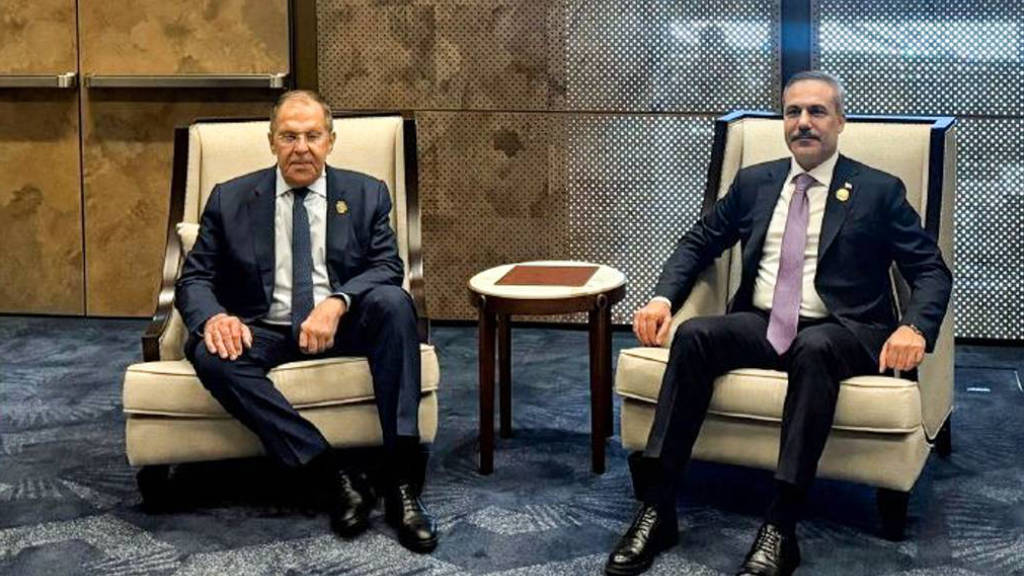

Russian Foreign Minister Sergey Lavrov discussed trade-economic and energy cooperation with his Turkish counterpart Hakan Fidan, the Russian Foreign Ministry said after the ministerial meeting at the 7th Summit of the Conference on Interaction and Confidence-Building Measures in Asia (CICA) in Baku.
The exchange of opinions took place on the current tasks of intensifying trade, economic, and energy cooperation, with the focus on the progress in the implementation of the key bilateral projects.
The current main items of bilateral collaboration are as follows:
Nuclear Power
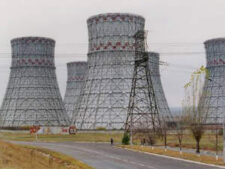
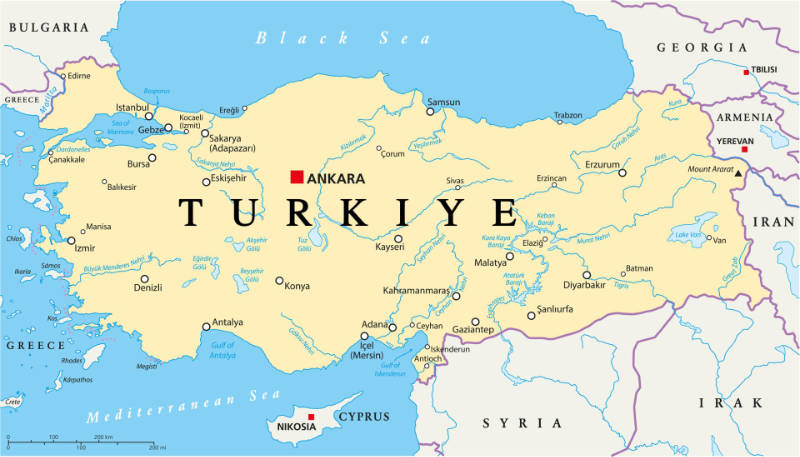
Turkiye’s Akkuyu NPP was built, is owned by, and operated by Rosatom. Costing about US$23 billion, it features four reactors with a total capacity of 4.8 gigawatts, which is enough to supply about 10% of Turkey’s total electricity needs once fully online. Construction began in 2018, with the facility now entering its final completion stages and nearing its official launch.
Presidents Putin and Erdogan have both signaled intent to sign agreements and build additional NPP in Türkiye following the final launch of Akkuyu. Ankara is also holding early talks with other nations like South Korea and China, but Russia remains its primary and most advanced partner in the nuclear sector.
Tourism

The near 7 million Russian visitors to Türkiye last year represent Türkiye’s largest source of overseas tourists, favoring Mediterranean beach resorts like Antalya. Russians also tend to use Istanbul as a convenient travel hub for onward flights to Europe and Asia. While Russia’s MIR card system is unavailable in Türkiye, Russians mostly pay for goods in the country using physical cash (US dollars, euros, or Turkish lira), alternative digital wallet apps, or UnionPay cards issued by non-sanctioned Russian banks. Visas and Mastercard issued in Russia also no longer work overseas.
Russians can use apps such as Letim to set up a virtual Turkish Troy card, funding it from Russian ruble bank accounts to make QR code or contactless NFC smartphone payments. Cards issued by surviving Russian financial institutions on the UnionPay network can sometimes be used at specific Turkish ATMs or POS terminals that support the network, though acceptance is limited. Some alternative cross-border transfer providers and niche mobile apps (such as specific bank QR features or services like Kwikpay) facilitate funds or payments, though availability shifts frequently due to sanctions.
Russian passport holders can enter Türkiye visa-free for short tourist stays of up to 60 days per entry, with a maximum total of 90 days within any 180-day period.
Agriculture
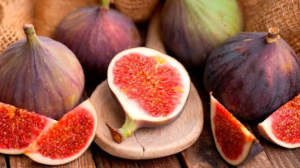
Russia and Türkiye boosted their mutual agricultural trade by over 30% year-on-year in the first half of 2026, following executive committee meetings in Ankara. Russia supplies major shares of Türkiye’s wheat, legumes, sunflower oil, bran, and mineral fertilizers, while Türkiye supplies fish products, fresh fruits, and citrus fruits to Russia.
Ankara eased phytosanitary regulations for imported Russian wheat in August 2026, removing two common bunt pathogens (Tilletia caries and Tilletia laevis) from mandatory restriction lists to streamline grain logistics. Both nations have also expanded technical collaboration focusing on seed trade, plant health, genetic improvement, vaccination, and agricultural education.
Finance
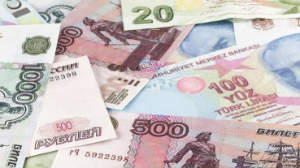
Bilateral trade reached US$49.1 billion in 2025, a 6.6% decrease compared to 2024.
The primary driver behind the decline in trade was intense Western pressure through secondary sanctions, which targeted the financial and logistical pipelines connecting the two countries. This affected exports and imports for several key reasons, including U.S. executive orders on secondary sanctions. That resulted in American and European regulatory bodies heavily scrutinizing Turkish banks. Fearing being cut off from the global SWIFT system or facing asset freezes, major Turkish financial institutions significantly tightened their compliance measures, while Turkish banks routinely delayed or rejected transactions out of caution regarding “dual-use” goods, prioritizing compliance over profit. Even though workaround routes like direct Ruble accounts were utilized, the administrative friction severely slowed trade velocity.
Turkiye also lost its role as a re-export hub. It had become a vital logistical hub for re-exporting electronics, machinery, and industrial components into Russia. Last year, the U.S. Office of Foreign Assets Control (OFAC) actively blacklisted Turkish intermediaries and logistics firms found moving Western-regulated goods. As a result, Turkish companies drastically pulled back from handling these shipments to avoid SDN list inclusion, causing a 21.5% drop in Turkish exports to Russia.
Summary
Türkiye is caught between a rock and a hard place when it comes to Russia and is also being impacted by the Ukraine war. Turkish ships have been attacked by Ukrainian drones if suspected of carrying goods to and from Russia, including grain supplies. Attacks have also been carried out by Ukraine on the Turkstream pipeline, which carries Russian gas to Europe.
Western sanctions threats on Türkiye have also curtailed some bilateral trade with Russia, creating economic difficulties for Ankara without any compensation. Dealing with this is difficult for Ankara, as Türkiye is a member of NATO and effectively has to sit on two chairs when it comes to Russia. That means not being overly critical of Ukraine, while attempting to bolster Russian trade and investment at the same time. The proposed additional NPP deals will go some way to helping with this, as Türkiye wishes to diversify its energy sources, reducing heavy dependence on imported natural gas and meeting rising domestic electricity demand. That is expected to increase by 40% by 2040, meaning Russia’s NPP will be the primary candidate for bridging this gap.
Trade in the agricultural sector is also growing, with Turkish fruits and vegetables an increasingly common sight in Russian markets. The bilateral trade picture will probably remain static while the threat of sanctions remains.