 Русский




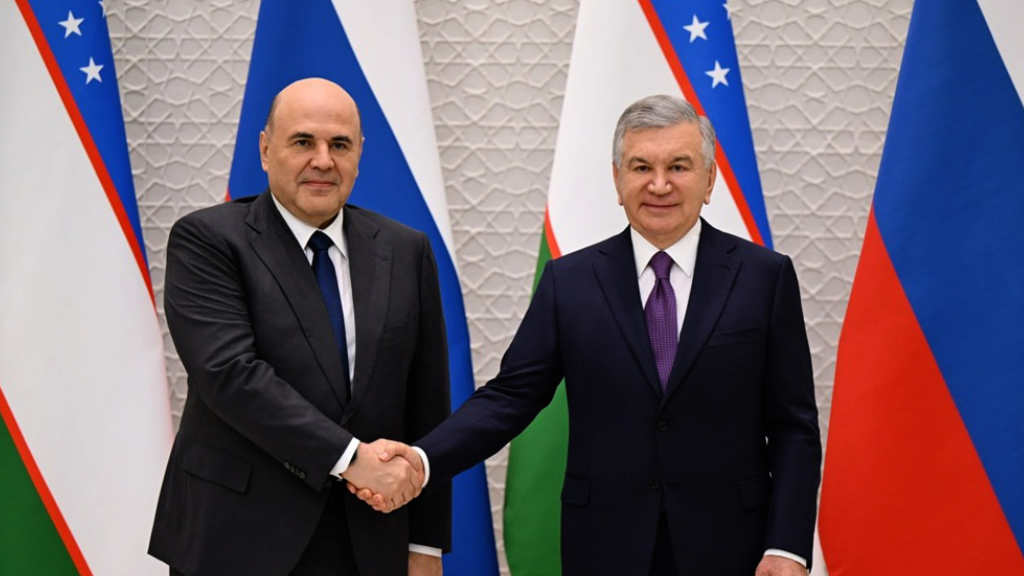

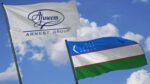
Russian-Uzbekistani relations are at a new stage of development, not least thanks to personal contacts between the two countries’ presidents, Uzbek Prime Minister Abdulla Aripov has said, adding that “Today Russian-Uzbek strategic partnership and alliance are at a new stage of their development, taking on a qualitatively new meaning. As Uzbek President Shavkat Mirziyoyev noted, to Uzbekistan, Russia is more than a regional neighbor; it is our time-tested strategic partner and ally.”
He was speaking at the 5th Tashkent International Investment Forum with Russian Prime Minister Mikhail Mishustin and other key Russian trade officials in Tashkent on Tuesday (June 15).
He added “Russia was and remains our key partner and is Uzbekistan’s second largest trading partner. Our trade has more than tripled over ten years, topping US$13 billion, while in January-April, the figure rose by a further 20.5% to US$4.5 billion. This has been achieved primarily thanks to the firm political will and the trustful relations between our heads of state. Our President Mirziyoyev and Russian President Vladimir Putin have already met twice over the past month.” The current level of bilateral trade suggests a figure in excess of US$13 billion will be achieved during this year.
The immediate goal is to reach US$30 billion in annual trade turnover by 2030, in alignment with the economic priorities set by both presidents. In terms of Russia-Uzbek joint venture projects, the current portfolio at investments worth US$47 billion, with an additional US$1.5 billion in Russian investment already made since the start of 2026. Agricultural trade, according to Mishustin, rose nearly 50% in the first four months of 2026, underscoring what he described as “improving food security cooperation.”
Russian Prime Minister Mikhail Mishustin’s meetings with Uzbek President Shavkat Mirziyoyev in Tashkent to prioritize the implementation of the agreements reached by the two leaders.
Mishustin mentioned that, during his speech at the SPIEF, the Uzbek president put forward a number of vital initiatives concerning technological industrialization and digital ecosystems, as well as the creation of a creative tourism corridor from Samarkand to St. Petersburg. He added that the Russian government would consider these initiatives as a priority. Mishustin assured the Uzbek president that he is in constant contact with Uzbek Prime Minister Abdulla Aripov, with whom he held substantive talks with earlier.
In the conversation with the Uzbek president, Mishustin evaluated bilateral economic ties as “developing on an upward trend,” and called the growth in trade between Russia and Uzbekistan record-breaking.
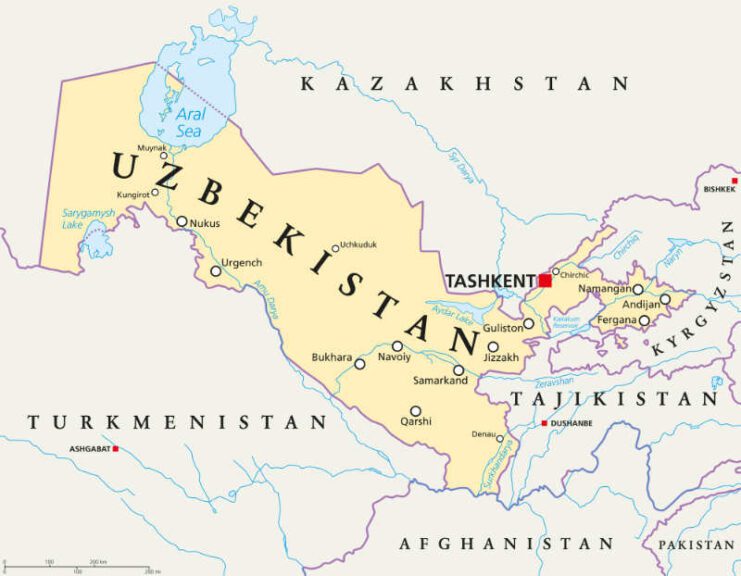
He also mentioned that the construction of the first nuclear power plant in Uzbekistan’s Jizzakh region was going ahead that the nuclear power plant is being built in a unique configuration: two large and two small power units on one site.
Mishustin also confirmed Moscow’s interest in developing humanitarian ties and contacts in education, noting that Russia and Uzbekistan have interesting joint projects in science, culture, and creative technologies. He said that “I view the construction of the nuclear power plant as a crucial step towards strengthening Uzbekistan’s energy sovereignty amid the national economy’s dynamic growth. This creates yet another high-tech sector with numerous related industries and allows skilled engineers and scientists to be trained.”
Alexey Overchuk, a Russian Deputy Prime Minister also involved in the discussions, commented on Uzbekistan’s desire to join the Eurasian Economic Union. He said “We are creating the conditions for such growth, including by organizing platforms where our companies can come and invest, by having Uzbekistan join Eurasian development institutions and participate as an observer in the Eurasian Economic Union. Russia is trying to create a healthy investment climate to those ends. Very good conditions for development are being created here and the Uzbek economy is diversifying. This is why, in my view, we will be interested in everything here. The Eurasian Economic Union is waiting for Uzbekistan, but it is always a sovereign decision of a country. And it will happen when they feel ready for it.”
In addition to the Eurasian Economic Union, Uzbekistan has also joined the BRICS as a partner nation and has taken equity in the New Development Bank. That is also opening up opportunities for NDB financing of Uzbekistan infrastructure projects.
Uzbekistan has a population of 38 million (more than Poland and similar to California), while its 2025 GDP growth was 7.7%.
Russia’s main exports to Uzbekistan include mineral products, metals and metal products, mainly iron and steel rolled products, chemical industry products, including plastics and pharmaceuticals. All have been showing export growth, while deliveries of timber and pulp-and-paper products, particularly pine lumber, also increased. These requirements are all indicative of a growth economy.
Uzbekistan has also expanded exports of food and agricultural products to Russia, which rose by nearly one-third last year. Growth was driven by shipments of nuts, fruits, and vegetables. Exports of textile products, clothing, cotton, and copper also increased.