Русский








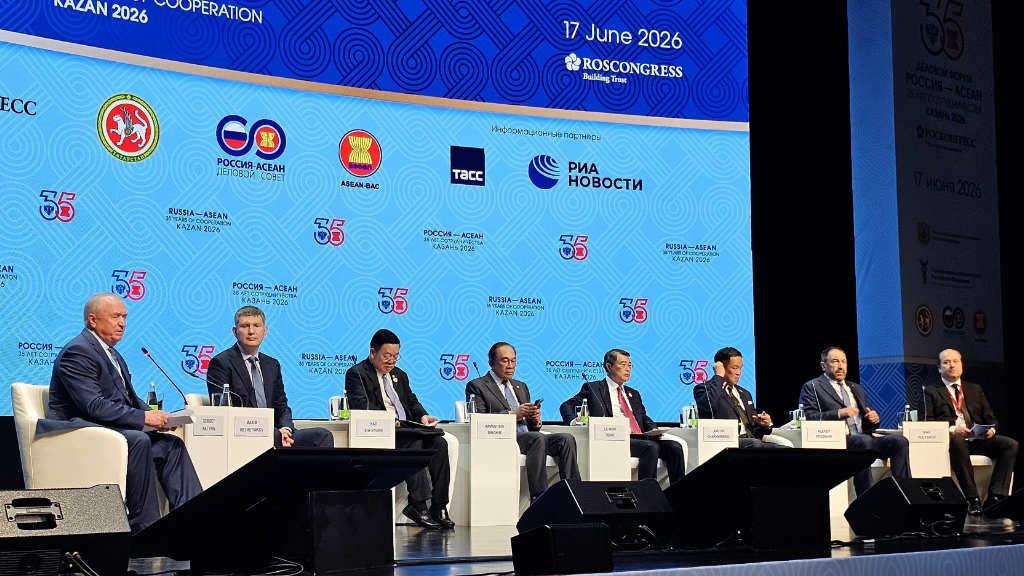

From June 17 to 19, Kazan, the capital of the Republic of Tatarstan, is hosting the largest Russia-ASEAN summit since the Sochi summit of 2016. The ASEAN-Russia Commemorative Summit marks 35 years of dialogue relations and arrives at a moment when the global economic center of gravity continues shifting toward Asia. Russian President Vladimir Putin is hosting leaders and senior representatives from across Southeast Asia in Kazan for the ASEAN-Russia Commemorative Summit marking the 35th anniversary of ASEAN-Russia dialogue relations.
The gathering has brought together ASEAN Secretary-General Dr. Kao Kim Hourn alongside Vietnamese Prime Minister Le Minh Hung, Thai Prime Minister Anutin Charnvirakul, Philippine President Ferdinand Marcos Jr., Singaporean Prime Minister Lawrence Wong, Lao Prime Minister Sonexay Siphandone, Indonesian President Prabowo Subianto, Cambodian Prime Minister Hun Manet, Brunei Sultan Hassanal Bolkiah, Malaysian Prime Minister Anwar Ibrahim as well as senior representatives from Myanmar and Timor-Leste.
Alongside the top leadership-level delegation, high-level business delegations are also accompanying the visits to facilitate business matchmaking, networking, company-to-company and sector-specific engagements, as well as the signing of deals and agreements, thereby further strengthening Russia’s business and trade cooperation with all ASEAN member countries.
This high-level participation reflects the strategic importance that ASEAN countries attach to engagement with Russia despite a rapidly evolving geopolitical environment. The presence of leaders representing diverse political systems, economic structures and foreign policy orientations from US treaty allies and regional financial hubs to BRICS partners and long-standing Russian partners, demonstrated ASEAN’s commitment to maintaining an open, balanced and multi-vector approach to international cooperation.
Beyond its commemorative significance, the summit serves as a platform for discussions on energy security, food security, trade and investment, private sector, logistics connectivity, digital transformation, financial settlements in national currencies, and the future direction of the ASEAN-Russia Strategic Partnership. The broad participation also underscores Southeast Asia’s growing role in Russia’s long-term pivot to Asia and highlighted ASEAN’s increasing importance as one of the world’s most dynamic economic and geopolitical centers.
Western narratives since 2022 have frequently portrayed Russia as internationally isolated. Yet the political reality visible in Kazan tells a different story. ASEAN represents a market of approximately 690 million people, a combined GDP exceeding US$4 trillion, and one of the fastest-growing economic regions in the world. When leaders from Southeast Asia travel to Russia despite geopolitical pressures, sanctions risks and competing global alignments, they are effectively acknowledging that Russia remains an important Eurasian power whose economic and energy role cannot be ignored. The significance of Kazan is therefore not symbolic. It is strategic.
Russia – ASEAN At A Glance

| Indicator | Value | Growth / Notes |
| Total ASEAN-Russia Trade | US$21.6 billion (2026) | Up from US$18.1 billion in 2024 |
| Trade Growth Trend | Averaging 8% annually | Long-term upward trajectory |
| Russian FDI to ASEAN | US$65 million (2024) | Down from US$200M in 2023 |
| Investment Trend | Volatile but sector-focused | Energy and infrastructure dominate |
| ASEAN Rank for Russia | Top 10 partner | Still underdeveloped trade share |
Russia’s growing engagement with ASEAN is driven by structural economic realities rather than temporary geopolitical circumstances. ASEAN today is projected to become the world’s fourth-largest economy by the early 2030s. The region accounts for roughly 7% of global GDP and over 8% of global trade. A young population, expanding middle class, digital economy, manufacturing ecosystem and strategic location along major maritime routes make it one of the most attractive growth centers in the world. For Russia, ASEAN offers three critical advantages. First, it provides access to rapidly growing consumer markets. Second, it offers diversification away from excessive dependence on any single economic partner. Third, ASEAN serves as a gateway connecting Russia with broader Indo-Pacific and Global South economic networks.
The relationship remains underdeveloped relative to its potential. ASEAN’s total trade exceeds US$3 trillion annually, while Russia-ASEAN trade remains around US$21-25 billion. This means the existing partnership represents less than 1% of ASEAN’s external trade, highlighting enormous room for expansion. While this figure is modest compared to ASEAN’s trade with major partners such as China, the United States, or the European Union, its significance lies in its composition and growth potential. Trade is heavily concentrated in energy, agricultural commodities, and raw materials, with Russia positioning itself as a reliable supplier of fertilizers, grain, and hydrocarbons.
The central question in Kazan is therefore not whether Russia and ASEAN should cooperate. It is how quickly both sides can remove barriers preventing deeper economic integration. trade growth is being supported by institutional frameworks, including efforts to align ASEAN cooperation with the Eurasian Economic Union (EAEU). Indonesia, Singapore and Vietnam’s existing free trade agreements with the EAEU all serve as working models, demonstrating how tariff reductions and regulatory alignment can boost bilateral flows. With Indonesia the largest economy in ASEAN, signing a FTA with the EAEU in December 2025, there is strong potential for trade growth between ASEAN and Russia in the coming years. ASEAN members like Thailand, Malaysia, the Philippines, Myanmar and Cambodia have also shown interest, and this could gradually lead to the establishment of an ASEAN-Russia free trade area, where Russian and ASEAN products can more rapidly utilize the opportunities created by free trade. Of note to this interest is that Indonesia and Malaysia are Islamic nations with a keen interest in expanding trade not just with Russia but with Islamic EAEU members Kazakhstan and Kyrgyzstan.
Further economic integration between the EAEU (Eurasian Economic Union) and the RCEP (Regional Comprehensive Economic Partnership) is highly possible and will be actively discussed.
Russia ASEAN Trade and Investment By Country
| Country | Trade Volume | Key Sectors | Strategic Role |
| Vietnam | US$5 billion | Energy, nuclear, LNG | Core strategic partner |
| Indonesia | US$4.3 billion | Oil, LPG, fertilizer | Energy diversification hub |
| Malaysia | US$2.48 billion | Oil imports, space cooperation, Defense | Emerging energy and tech link |
| Thailand | US$1.76 billion | Manufacturing, tourism, fertilzier, real estate | Mid-tier economic partner |
| Myanmar | US$2 billion | Oil (90% share), defense, nuclear etchnology | High dependency |
| Philippines | Estimated US$600 million, down from a peak of US$1.6 billion in 2021. | Oil and agricultural goods imports | Crisis-driven engagement, the Country has strategic engagement with the US |
| Singapore | Nearly US$5 billion | Oil routing, finance | Shadow trade hub |
| Cambodia | US$55 million | Agriculture, logistics, defense | Although it has declined recently, the focus should be on improvement. |
| Laos | US$102 million | Agriculture, natural resources, manufacturing (light and heavy industry), energy (nuclear-related), aerospace and transport equipment | Connectivity corridor |
| East Timor | Minimal | Beverages, spirits and vinegar, electrical, electronic equipment | As East Timor officially joined the ASEAN as its 11th member on October 26, 2025, there is significant potential to expand trade and investment cooperation between East Timor and Russia in the coming years within the broader framework of ASEAN–Russia cooperation. |
Investment Flow by Sector (Russia to ASEAN)
| Sector | Investment Type | Trend |
| Energy Infrastructure | Oil refineries, LNG terminals, nuclear plants | Very High Growth |
| Transport & Logistics | Ports, shipping routes (e.g., Vladivostok corridor) | High Growth |
| Mining & Resources | Joint exploration | Moderate Growth |
| Digital & Tech | AI, cybersecurity, smart cities | Emerging |
| Defense Industry | Arms sales, training | Stable but strategic |
| Education & Culture | Academic exchange | Low but expanding |
The New Economic Agenda: Logistics, Payments and Industrial Cooperation
Russia’s Permanent Representative to ASEAN, Evgeny Zagaynov has identified the removal of obstacles as the key priority for future cooperation. The most important challenges include logistics bottlenecks, payment mechanisms, certification standards, localization requirements and sanctions-related financial restrictions. Since 2022, many ASEAN companies have faced difficulties conducting transactions with Russian partners due to restrictions affecting SWIFT access and international banking channels. As a result, the Kazan discussions are expected to focus heavily on national-currency settlements, alternative financial mechanisms, digital payment systems and mutual recognition of industrial standards.
The agenda reflects a broader trend across the Global South. Rather than waiting for Western-controlled financial systems to normalize, many countries are increasingly developing parallel trade mechanisms. Russia’s experience within BRICS, the Eurasian Economic Union and the Shanghai Cooperation Organization provides valuable lessons that can be applied to ASEAN cooperation. The summit is also expected to launch a new Comprehensive Plan of Action for 2026-2030 and a longer-term trade and investment cooperation framework extending toward 2035. These initiatives could fundamentally transform Russia-ASEAN economic relations during the next decade.
Emerging Russia-ASEAN High-Growth Sectors 2026-2030
| Sector | Growth Potential | Reason |
| LNG and Energy Trade | High | Energy crisis and diversification attempt |
| Nuclear Energy | Medium-high | Vietnam, Myanmar, Indonesia projects |
| Defense industrial cooperation | Medium-high | Malaysia, Myanmar, Indonesia |
| Fertilizers and Food Security | High | Global supply shortages |
| Logistics and Transport Corridors | High | Northern Sea Route, Eurasian link |
| Digital Economy and AI | Medium | ASEAN digital expansion |
| Cooperation in SMEs and tourism | Medium-high | Growing people-to-people exchanges, aviation connectivity |
The Middle East crisis and the risks surrounding the Strait of Hormuz have highlighted the vulnerability of Southeast Asian countries to disruptions in energy and fertilizer supplies. In this context, Russia can serve as a reliable alternative supplier of energy, fertilizers, and other strategic commodities. ASEAN countries are therefore likely to accelerate efforts to establish permanent and diversified logistics, connectivity, and supply-chain routes with Russia – and Central Asia – to enhance their economic and energy security.
Three major strategic alternatives exist. First, ASEAN, China, and Russia are investing in overland connectivity linking the Russian Far East with Southeast Asia through China. Recent visits by the leaders of Vietnam, Laos, and Myanmar to China underscored the importance of regional land connectivity projects such as the China-Laos Railway, the proposed China-Thailand-Laos Railway, the China-Myanmar Economic Corridor (CMEC), and rail links connecting China and Vietnam.
The Southern Economic Corridor (SEC) is a massive regional development and connectivity initiative stretching from Myanmar through Thailand, Cambodia, and Vietnam, designed to deeply integrate mainland ASEAN economies. The route serves as a major logistical backbone linking key capitals and industrial centers while bypassing the congested Strait of Malacca. If these corridors are gradually extended northward to Russian Far Eastern through China’s railway network, a vast Eurasian overland connectivity and freight transportation system could emerge, providing ASEAN countries with a stable and resilient supply route that is less vulnerable to maritime chokepoints.
These link with increasing Russian maritime trade, especially FESCO routes between Vladivostok and ports in China and Vietnam. These include direct Russian multimodal services to Cambodia, Malaysia, Thailand, and Vietnam’s Ho Chi Minh City. Others, including transport via Vietnam and China to Laos, are shortly to be established. The latter, while small in terms of trade value, is significant as it highlights new Russian attention to ASEAN’s lesser developed markets.
ASEAN countries can also be expected to strengthen maritime connectivity with Russia through the Northern Sea Route (NSR) and Russia’s Far Eastern ports, particularly Vladivostok. The developing Chennai-Vladivostok Maritime Corridor (CVMC) offers a promising framework for linking South and Southeast Asia with Russia’s Far East as it passes by several key ASEAN ports, meaning that greater integration of ASEAN into this route will create a more diversified and secure trade network. Combined with China’s connectivity projects and the Northern Sea Route, this would establish multiple strategic corridors between Russia and ASEAN, reducing dependence on vulnerable maritime passages such as the Strait of Hormuz and the Strait of Malacca. Given rising geopolitical uncertainties and supply-chain disruptions, ASEAN leaders are highly likely to prioritize these overland and maritime connectivity initiatives as part of a broader strategy to strengthen regional energy, food, fertilizer, and economic security. Vietnam has already done so, signing NSR maritime agreements with Russia last month.
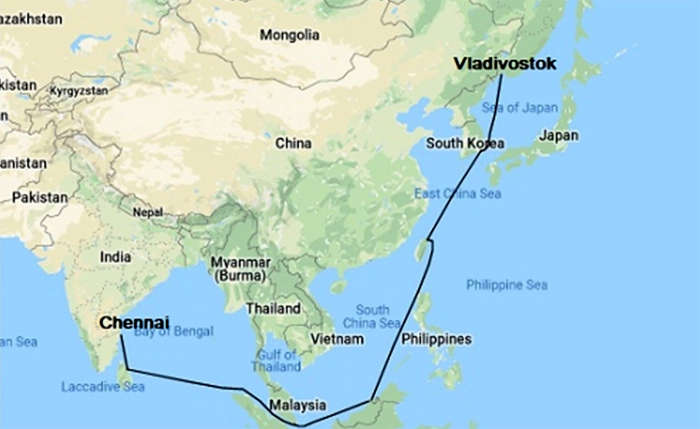
In addition, should the United States and Iran prove able to fulfill their peace agreement, the current Middle East crisis could ease significantly. In such a scenario, Southeast Asian countries would have greater opportunities to strengthen connectivity with Russia through the International North-South Transport Corridor (INSTC). This corridor can provide ASEAN countries with access not only to Russia’s southern regions but also to the North Caucasus, the Caspian region, and western parts of Russia. By utilizing the INSTC, Southeast Asian economies could diversify their trade routes, enhance supply-chain resilience, and expand economic cooperation with Russia and the broader Eurasian region. The key here is that using the INSTC can both utilize – and bypass – the Strait of Hormuz by using ports that avoid southern Iran should future difficulties arise.
Vietnam: The Anchor of Russia’s ASEAN Strategy
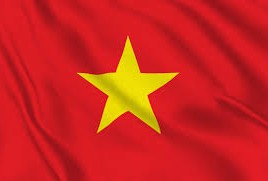
No ASEAN country has deeper strategic ties with Russia than Vietnam. The Russia-Vietnam Comprehensive Strategic Partnership remains the cornerstone of Moscow’s presence in Southeast Asia. Bilateral trade is approaching US$5 billion, supported by the Eurasian Economic Union-Vietnam Free Trade Agreement. Energy remains the backbone of cooperation. The Vietsovpetro joint venture continues to symbolize decades of successful collaboration in offshore energy production. New agreements involving nuclear energy cooperation, including partnerships with Rosatom, indicate that the relationship is entering a new technological phase. Vietnam also plays a diplomatic role. Hanoi has consistently advocated pragmatic engagement between ASEAN and Russia and helped build consensus for the Kazan summit. As Vietnam prepares to coordinate ASEAN-Russia relations during the 2027-2030 period, its influence on the future direction of the partnership is likely to grow substantially.
Indonesia: Russia’s Emerging Economic Powerhouse Partner
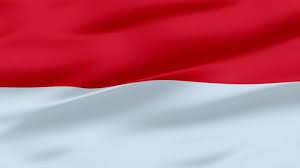
Indonesia is rapidly becoming one of Russia’s most important ASEAN partners. Trade between the two countries has risen sharply, reaching approximately US$4.8 billion. The significance extends beyond commerce. Indonesia’s growing role within BRICS creates new opportunities for cooperation involving agriculture, food security, energy, digital technologies and industrial development. Russian exports of fertilizers, grain products and energy resources align closely with Indonesia’s development needs. Meanwhile, Indonesian demand for infrastructure financing, transportation modernization and industrial investment creates opportunities for Russian companies seeking long-term market access. Jakarta increasingly serves as one of Moscow’s primary gateways into the wider ASEAN economy. The Indonesia-Eurasian Economic Union Free Trade Agreement is shortly to come into effect and will provide a major boost to bilateral trade with Russia.
Malaysia: Pragmatism Over Politics
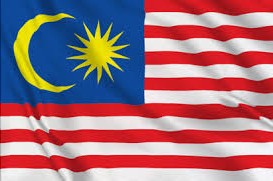
Malaysia’s approach toward Russia has been characterized by strategic pragmatism. Despite geopolitical tensions, Kuala Lumpur has avoided unilateral sanctions and continues pursuing economic cooperation where mutual interests exist. The country’s advanced manufacturing sector, semiconductor ecosystem, industrial base and growing technological capabilities make it an attractive partner. Discussions in Kazan are expected to focus on high technology, industrial cooperation, energy security, digital transformation and alternative payment systems. As a BRICS partner country, Malaysia is also exploring mechanisms that could facilitate trade outside traditional Western financial structures. This creates opportunities for deeper Russia–Malaysia economic engagement.
Bilateral trade reached US$4.24 billion last year, with the two sides significantly increasing trade in chemical products. Russian fertiliser exports from January to August increased by 124% compared to the same period in 2024. Moscow and Kuala Lumpur have also agreed on a halal veterinary certificate for the export of chicken and turkey meat as well as open access for Russian dairy products.
Thailand: Energy, Fertilizers and Eurasian Connectivity
Thailand enters the Kazan summit with a clear economic agenda, with bilateral trade reaching approximately US$1.7 billion in 2025. Thailand sees opportunities in Russian energy exports and fertilizer supplies, while discussions have included annual imports of between one and two million tonnes of Russian granular urea fertilizer, which could significantly reduce costs for Thai agriculture. Energy cooperation is equally important. Russian oil exports offered at competitive prices create opportunities for Southeast Asian importers facing global energy market volatility. Bangkok also views Russia as a gateway to the Eurasian Economic Union market of nearly 200 million consumers. The Kazan summit therefore represents both an economic and strategic opportunity for Thailand.
The Philippines and Singapore: Testing New Diplomatic Realities

Perhaps the most politically significant developments involve the Philippines and Singapore. The Philippines is a United States ally, while Singapore remains the only ASEAN country that imposed sanctions on Russia following the Ukraine conflict. Yet both countries are participating in the summit process. President Ferdinand Marcos Jr’s planned discussions with President Putin focus on energy security, food security and broader bilateral cooperation. Russia has recently, for example, become the Philippines third largest supplier of imported pork, while Russia’s Tbank is providing micro-finance services. Discussions are underway to improve and diversify trade ties.
Singapore Prime Minister Lawrence Wong’s participation is equally notable. While political differences remain, both sides recognize that economic realities require dialogue. Their presence demonstrates an important point. Even countries maintaining close relations with Western partners increasingly view engagement with Russia as compatible with their national interests.
Cambodia, Myanmar and the Mekong Dimension
Russia’s influence in mainland Southeast Asia extends beyond economics. Cambodia maintains longstanding educational, political and cultural links with Russia, with over 8,000 Cambodian graduates of Soviet and Russian institutions now occupy positions throughout government, business and academia. Russia and Cambodia signed a plan of cooperation agreements between the two-year period 2025−2027 earlier this year and are preparing to sign a protocol between the customs services of the two countries. Again, bilateral discussions are well underway to improve their trade ties.
Myanmar, meanwhile, has become one of Russia’s closest regional partners, particularly in defense and security cooperation. The two countries recently signed an energy agreement, with the strong possibility of a small NPP in Myanmar as a result. A Bilateral Investment Treaty is also on the agenda to provide a platform for further trade and investment.
Laos: A Unique Opportunity
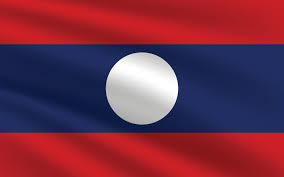
Among ASEAN states, Laos occupies a unique position in Russian foreign policy. Russian President Vladimir Putin recently described Laos as an important partner with promising prospects despite relatively modest trade volumes. The logic behind Moscow’s interest is straightforward. Laos sits at the heart of mainland Southeast Asia, connecting China, Thailand, Vietnam, Cambodia and Myanmar. Infrastructure projects increasingly position the country as a logistical crossroads within the Mekong region. Russian Prime Minister Mikhail Mishustin’s meetings earlier this week with Lao leaders in Moscow focused on energy cooperation, infrastructure development, transportation connectivity, education and technical assistance. Russia remains an important supplier of military equipment and technical training for Laos while also supporting economic modernization efforts.
For Moscow, Laos represents not merely a bilateral relationship but a strategic bridge into mainland Southeast Asia. On June 15, Russia and Laos have signed an intergovernmental agreement on cooperation in the peaceful use of nuclear energy, marking a significant step toward expanding bilateral cooperation in the nuclear sector, opening the way for a Russian-designed NPP project in Laos.
These relationships provide Russia with substantial strategic depth in the Mekong subregion. This network contributes to Moscow’s broader objective of building a multipolar regional architecture that reduces dependence on any single external power.
Russian Energy: The Foundation of Russia’s ASEAN Strategy
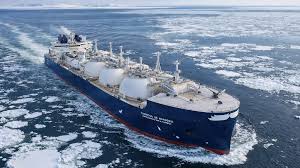
If one theme is likely to dominate the Kazan summit, it is energy. The timing is significant. Global energy markets remain volatile due to geopolitical tensions, supply disruptions and growing demand across Asia. The Strait of Hormuz crisis laid base ASEAN’s need to secure alternative supplies in the aftermath of what is now perceived as a potential future weakness should conflict break out again.
Nearly all the ASEAN economies face increasing energy consumption requirements while seeking affordable and reliable supplies. Indonesia, the Philippines, Thailand, and Sri Lanka for example all recently purchased Russian oil as a direct result of the Strait of Hormuz closures. Malaysia is actively pursuing long-term oil supply contracts with Russia.
Russia possesses precisely what Southeast Asia needs. It remains among the world’s largest exporters of oil, natural gas, coal, nuclear technologies and energy infrastructure expertise. The summit is expected to generate new discussions regarding oil supplies, LNG cooperation, nuclear energy development, electricity infrastructure and long-term energy security partnerships. This energy dimension explains why even countries with complex political relationships with Moscow continue pursuing engagement. Economic realities ultimately outweigh ideological divisions.
Beyond Trade: The Multipolar Message of Kazan
The most important outcome of the summit may not only be a trade agreement or investment contract. It also may be the geopolitical message itself. ASEAN’s participation demonstrates that much of the Global South rejects binary geopolitical choices. Countries increasingly seek diversified partnerships rather than exclusive alignments. Russia supports ASEAN centrality, BRICS expansion, ASEAN supports strategic autonomy, and both oppose bloc-based confrontational politics. This convergence explains why the partnership continues expanding despite international pressures. The summit therefore reflects a broader transformation underway across Eurasia. The emerging order is not defined by isolation but by diversification.
Summary: From Pivot to Permanent Strategy
For more than a decade, analysts have described Russia’s engagement with Asia as a “pivot.” The term increasingly understates reality. What is unfolding today is not a temporary reorientation but a structural transformation of Russian foreign and economic policy. The Kazan summit demonstrates that Russia’s future engagement with Southeast Asia is becoming institutionalized through long-term plans, business forums, trade mechanisms, energy partnerships and strategic dialogue.
ASEAN needs reliable energy suppliers, diversified markets and strategic flexibility. Russia needs growing markets, investment partners and stronger integration with the Global South. These interests are increasingly converging. The real significance of Kazan lies in demonstrating that Russia-ASEAN relations are moving beyond diplomatic symbolism toward practical economic integration. As new frameworks emerge for trade, logistics, payments, technology and energy cooperation, the relationship is entering its most consequential phase since the establishment of dialogue relations in 1991. The message from Kazan is clear: Russia’s engagement with ASEAN is no longer a pivot. It is a permanent pillar of Eurasian geopolitics and economics.
The Russia-ASEAN summit continues until June 19. We will closely monitor its developments, including summit outcomes, the signing of deals, agreements and cooperation frameworks, leadership meetings, business matchmaking activities, commitments, and areas of consensus among participating countries. Based on these developments, we will provide an outcome – and results-based analysis of how the summit’s decisions and engagements are likely to shape the future trajectory of Russia-ASEAN relations and broader regional cooperation. To make sure you see this, a complimentary subscription to our weekly update can be found here – use that if you want to remain abreast of this intelligence.
This article was written by KP Majumdar, a geostrategic and geo-economics analyst based in South Asia whose work has been widely published by prestigious international news organizations and publications. He may be reached at info@russiaspivottoasia.com