
 Русский




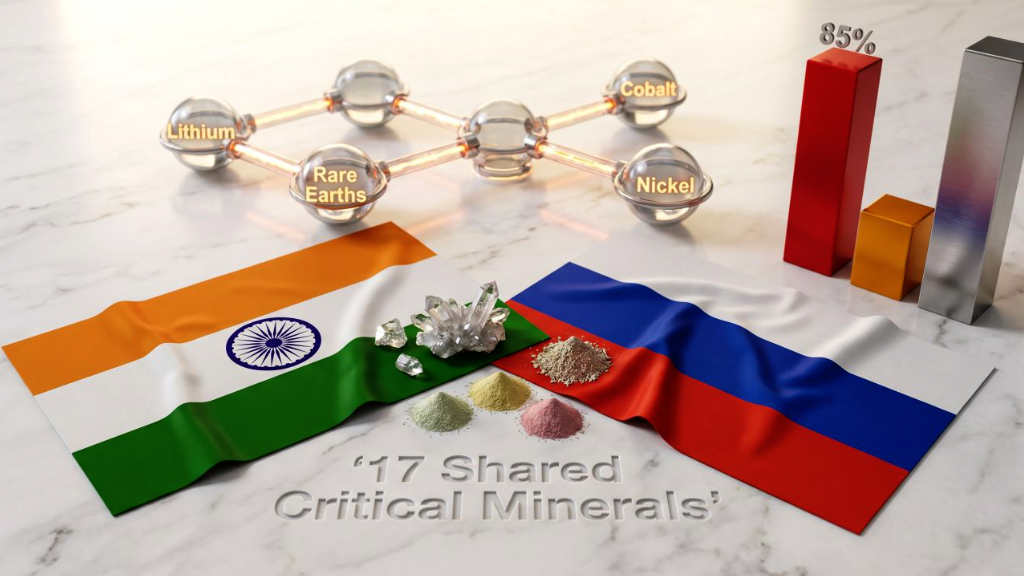

India’s State-Owned Enterprise, Rare Earths Ltd (IREL) has sought rare earth samples from a Siberian deposit owned by Russia’s Rosneft. IREL spearheads India’s outreach to secure rare earth supplies and is to study the mineral composition of the Tomtor deposits in Siberia, before considering deeper engagement.
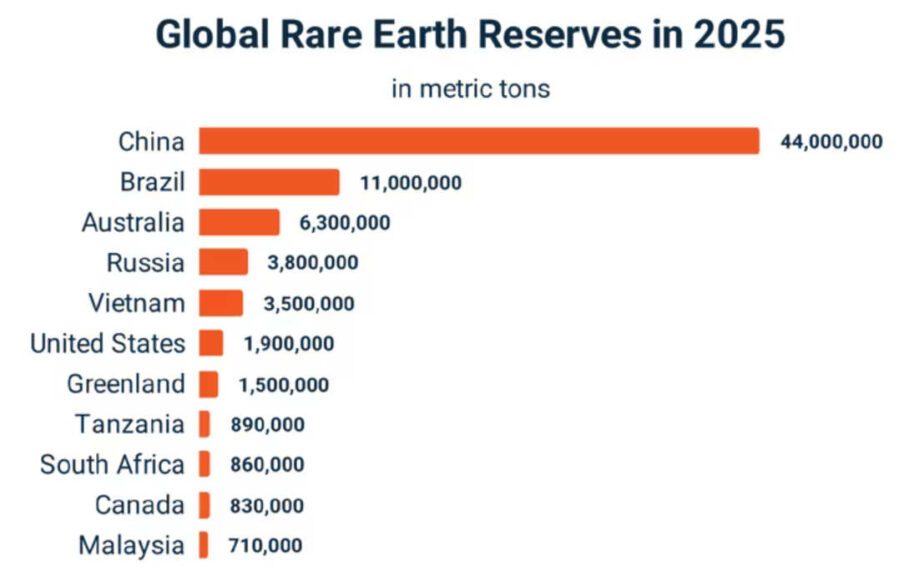
New Delhi is pursuing a strategy to secure supplies and cut dependence on critical minerals from China, which is the world’s largest producer of rare earths. India is in the top twenty of the world’s largest rare earth reserves, but demand exceeds its available supplies and it is not yet a major producer, although its consumption is expected to double by 2030. Neither does it produce domestic rare earth magnets. These are key components in energy transformation, going into everything from electric vehicles to renewable energy production. Russia holds the world’s fourth largest reserves.
Globally, nations are frantically pursuing rare earth minerals amid trade tensions between the US and China. Beijing has restricted rare earth exports in response to US tariffs, sparking supply disruptions for the automotive and other high-tech industries.
In February, India said it aims to start producing rare earth permanent magnets by the end of the year in partnership with the private sector. It allocated US$802 million for a program to manufacture rare earth permanent magnets last November.
In May, JSC Giredmet, a subsidiary of Rosatom’s scientific division, signed a memorandum of understanding with India’s Nexon Geochem for research and development of technologies for processing raw materials of rare earth magnets. Giredmet also signed a letter of intent with Technology Innovation in Exploration & Mining Foundation (TEXMiN) for research and development of technologies for producing permanent magnets. India is also exploring options to buy coking coal and import more nickel from Russia, in a related drive to increase the use of EV in India from 9% to 30% of the total.