
 Русский








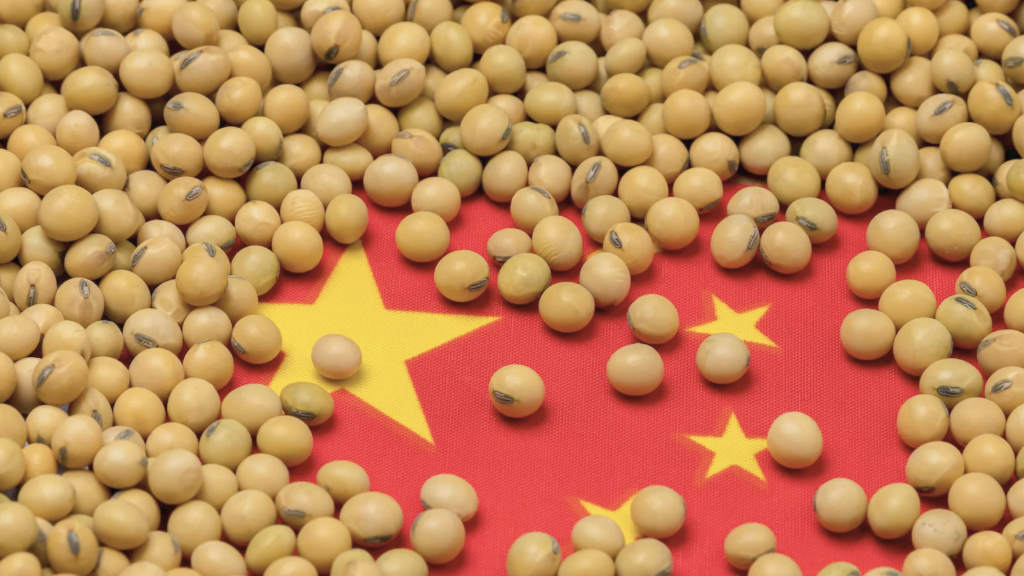

Russia exported agricultural products to China worth US$5.7 billion in the period January-July 2026, up 40% year-on-year, according to Alexander Yakuba, an adviser to the head of the Agroexport Federal Center. He was speaking at the Russian-Chinese forum in Khabarovsk on Friday (September 4).
Yakuba said “This confirms the high demand for Russian agricultural products in the Chinese market. Supplies of frozen fish grew by 80%, exports of rapeseed oil rose 20%, exports of soybeans increased over 30%, exports of crustaceans rose 23%, exports of peas increased almost 50%, exports of sunflower oil were up 60%, while exports of pork and by-products increased by 30%. As can be seen, Russian exports to China are well diversified.“
In terms of origin, he said that almost half of Russian agricultural exports to China come from the Russian Far East, saying “The share from the Russian Far East accounted for 42% of all Russian supplies in 2025. “It is clear that fish products are the basis of these supplies. Their share amounted to 77% of total Far Eastern exports to China in 2025.”
He said that the Far Eastern regions are actively increasing exports to China. For example, over the past five years, Khabarovsk exports to China have increased 200% compared to 2021. Kamchatka increased exports 420%, Sakhalin region increased exports 400%, Primorye Territory 170% and the Amur region over 168% during this same period.
An important role in supporting Russian agricultural exports is played by Russian Agriculture Ministry representatives overseas. Currently, they work in 40 countries around the world, covering almost all priority importing countries for Russia. Four are located in China alone.
Yakuba added that the trade turnover of agricultural products between Russia and China exceeded US$11 billion last year. In particular, Russian exports to China reached US$7.7 billion. The basis of supplies was fish and seafood at 39%, while vegetable oils accounted for 28%, grains and legumes for 10%, oilseeds for 9.7%, meat for 8.9% and finished products for 2.8%.