
 Русский








Uzbekistan’s Deputy Prime Minister Jamshid Khodjaev and the CEO of Russian dairy company Logika Moloka, Alexander Tarasov, have been discussing cooperation for Russian investment in Uzbekistan’s dairy industry, including the implementation of joint projects, at a meeting on Wednesday (June 24).
Khodjaev said that they discussed “localization of production, the introduction of modern milk processing technologies, the development of partnerships with domestic producers, and the production of finished goods using the capacities of enterprises in Uzbekistan. Logika Moloka is a major dairy producer with advanced production and logistics infrastructure, as well as experience in international markets. In this context, it could become a promising partner for joint projects in milk processing, baby food, and high-value-added dairy products. We agreed to continue working on specific cooperation models involving relevant ministries, local producers, and potential joint venture partners.”
Logika Moloka is the leading producer of dairy products, baby food, and plant-based beverages in Russia, with 13 plants. The company’s revenue grew by 13.6% to ₽161.1 billion (US$2.07 billion) in 2025.
Uzbekistan ranks among the top 10 countries globally for dairy consumption, with an average intake of roughly 252 kg per person. Driven by a preference for traditional products like kaymak (clotted cream) and airan (yogurt drink), the market has seen a 46% increase in per capita consumption over a decade. To maintain this demand, Uzbekistan imports significant amounts of milk. The country relies on foreign suppliers to meet consumer demand, importing millions of dollars worth of dairy products annually. Uzbek dairy imports have been increasing by an average of about 22.5% annually.
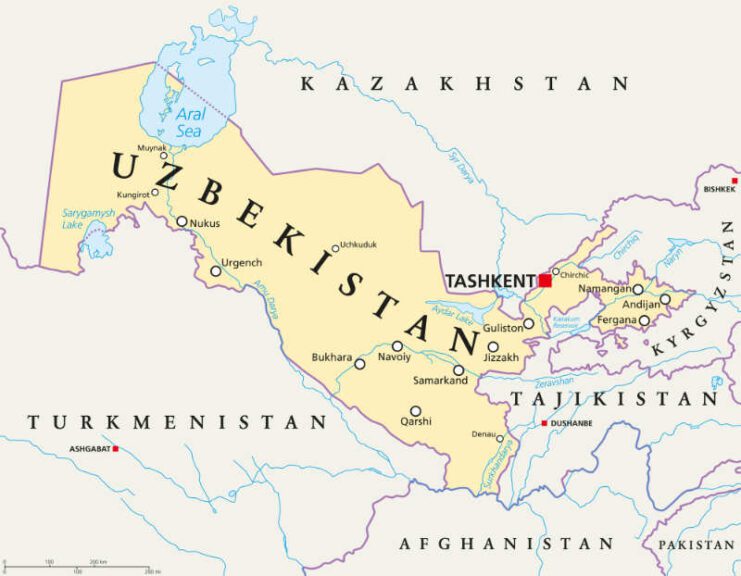
Dairy consumption elsewhere in Central Asia is deeply rooted in nomadic pastoralism and heavily features fermented products like airan, kaymak, and dried gurut. While raw milk output is very high across the region (yielding millions of tonnes annually), structural deficits in processing mean imports are required to meet demand for specialized products like cheese and milk powder.
In some regional markets, such as Afghanistan, diary consumption relies heavily on local, unprocessed dairy. The average annual consumption in Afghanistan is just 66 kg per person, suggesting that a future direction for any Russian-Uzbek dairy joint venture could well be to other regional markets.