Русский




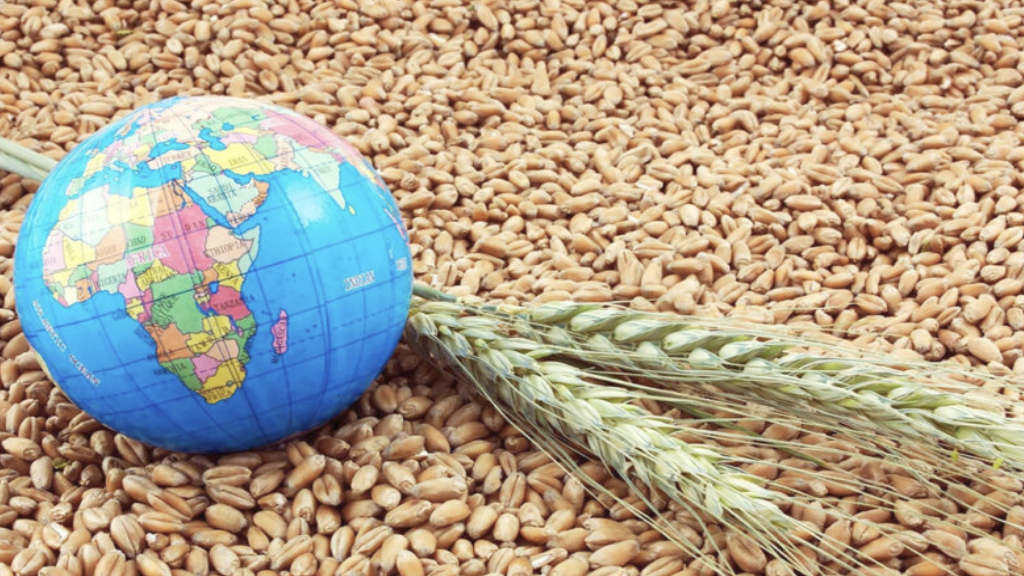
Russian grain exports to Africa reached approximately 13 million metric tons in January–September 2026, up 8% from a year earlier, according to agricultural watchdog Rosselkhoznadzor.
The increased shipments come amid a shift in Africa’s food markets, where Russian wheat has gained ground against European suppliers. European products are becoming more expensive after energy costs such as gas have tripled during 2026.
Russia’s Agroexport have reported that Egypt was the largest buyer, taking 5.9 million tons. Sudan imported about 1.5 million tons, an increase of nearly 50%, while grain shipments to Kenya rose 150% to about 1.2 million tons. In Tanzania, Russian wheat shipments reached a record of more than 850,000 tons in the 2025/26 season, up 16% from the previous season.
The expansion has come partly at the expense of European suppliers. A July 2025 US Department of Agriculture (USDA) report found that Russia accounted for nearly half of North Africa’s wheat imports in the 2024/25 season, including around 70% in Egypt. The EU’s regional share fell to just over 25% as its exportable supplies declined.
Russia has overtaken France as the leading wheat supplier to Algeria, historically a major buyer of French grain, according to the USDA. An April 2026 assessment said Algeria was increasingly buying Russian, Romanian and Bulgarian wheat, linking France’s exclusion from the market to quality issues and political tensions following Paris’s recognition of Moroccan sovereignty over Western Sahara.
Russia has also become among Senegal’s largest grain suppliers in 2026, meeting nearly a quarter of the country’s needs, Moscow’s ambassador to Senegal, Dmitry Kurakov has said.
Senegal is also one of Russia’s largest trading partners in sub-Saharan Africa, purchasing petroleum products and fertilizers alongside grain, Kurakov said. He put annual Russian exports to the country at approximately US$1 billion. He said that exporters generally followed international market prices but sought to undercut competitors to increase sales in a fiercely competitive grain market.
President Vladimir Putin said after last month’s Russia-Africa summit that Moscow would continue supplying grain commercially and in humanitarian cases, free of charge, while offering support for agricultural production, processing and storage across the African continent.