 Русский





The 12th meeting of the Russian-Pakistani Working Group on Countering International Terrorism has been held in Islamabad, a bilateral format that fills a gap that, according to Sultan M. Hali, a military analyst and former Pakistani Air Force colonel, multilateral platforms like the United Nations cannot address, as they are slow and constrained by bureaucracy.
He said that Pakistan values Russia’s counter-terrorism experience from Syria and the North Caucasus, particularly in urban warfare, drone suppression, and counter-insurgency. Cooperation with Moscow also provides Pakistan with political cover within the SCO and the UN, reinforcing its image as a responsible stakeholder in regional security.
Russia’s expertise in surveillance, cyber defense, and counter-drone systems complements Pakistan’s operational needs. In return, Pakistan offers decades of counter-insurgency experience, including counter-IED tactics, hostage rescue, and urban clearance operations.
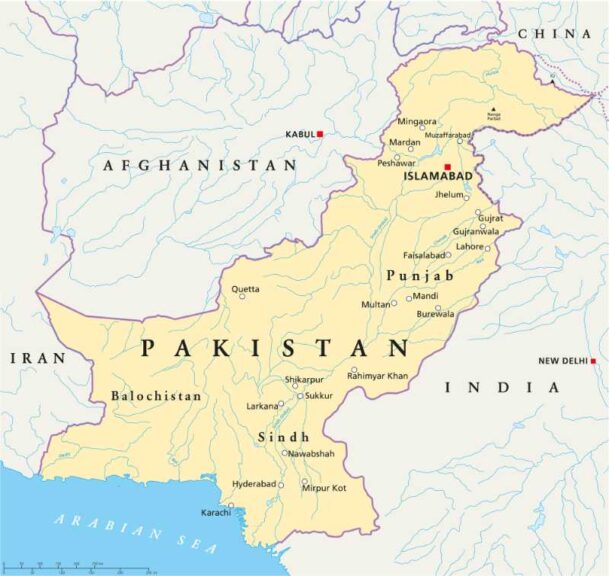
Its border management expertise — especially along the porous Afghan frontier — offers insights into infiltration patterns. Pakistan’s deradicalization programs, such as the Sabaoon initiative in Swat, provide lessons beyond kinetic operations that could prove valuable for Russia in Central Asia.
Hali said that “this meeting should be seen not as a one-off event but as part of a longer trajectory. Russia is diversifying beyond its traditional partnerships with China and India, while Pakistan is broadening its security diplomacy beyond ties to the US, Saudi Arabia, and China.”
Retired Major General Saad Khattak, chairman of the Islamabad-based Pakistan Institute for Conflict and Security Studies, agrees that close cooperation between the two countries will greatly benefit Pakistan — perhaps even more than Russia. He also emphasizes that Pakistan stands to gain significantly from Russian technology, as well as from deeper economic cooperation, adding that “it will also enhance people-to-people contacts, so important for bilateral relations.”
Russia-Pakistan military trade remains modest, limited primarily to small arms, ammunition, and maintenance. Historically constrained by Moscow’s strategic alliance with India, bilateral defense cooperation focuses on counter-terrorism and security pacts rather than major weapons transfers.
Key details of the relationship include:
Hardware: The most notable equipment transfers involved four Mi-35M attack helicopters delivered to Pakistan in 2018. Beyond this, transactions are limited largely to parts and ammunition, which totaled under US$1 million.
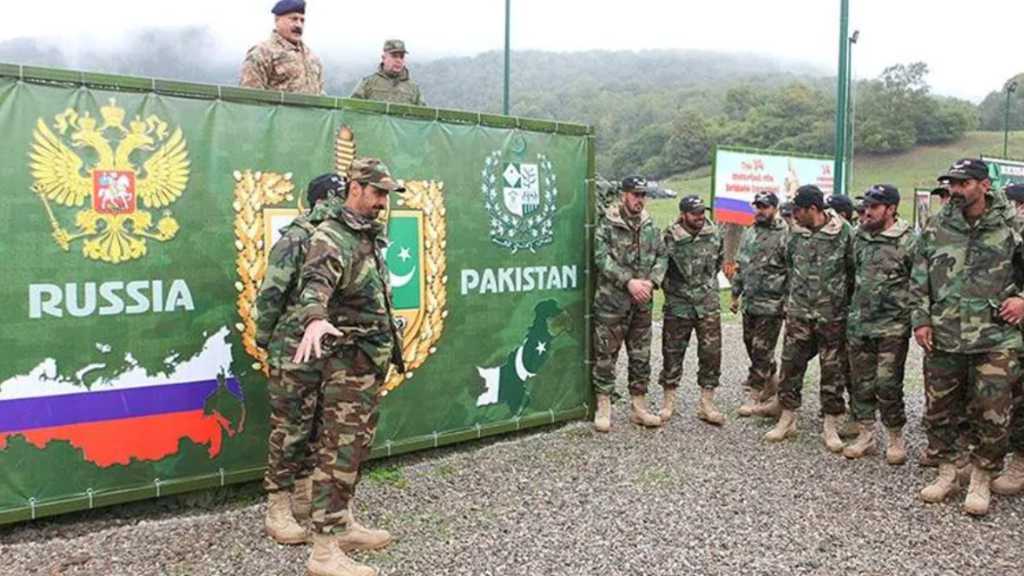
Joint Exercises: Defense ties emphasize interoperability and counter-terrorism training, highlighted by ongoing coordination through the Shanghai Cooperation Organisation (SCO).
Regional Dynamics: Moscow remains wary of expansive arms deals with Islamabad to avoid alienating New Delhi, previously denying reports of fighter jet engine transfers.
Broader Ties: Despite limited military trade, overall bilateral economic and energy ties have expanded as Pakistan seeks to join BRICS and negotiate a preferential trade agreement.
Russia-Pakistan bilateral trade has rapidly expanded, climbing from around US$700 million in 2022 to an estimated US$1.3 billion in 2025. This surge is driven primarily by Pakistan’s landmark decision to begin importing Russian crude oil alongside significant agricultural trade.