Русский





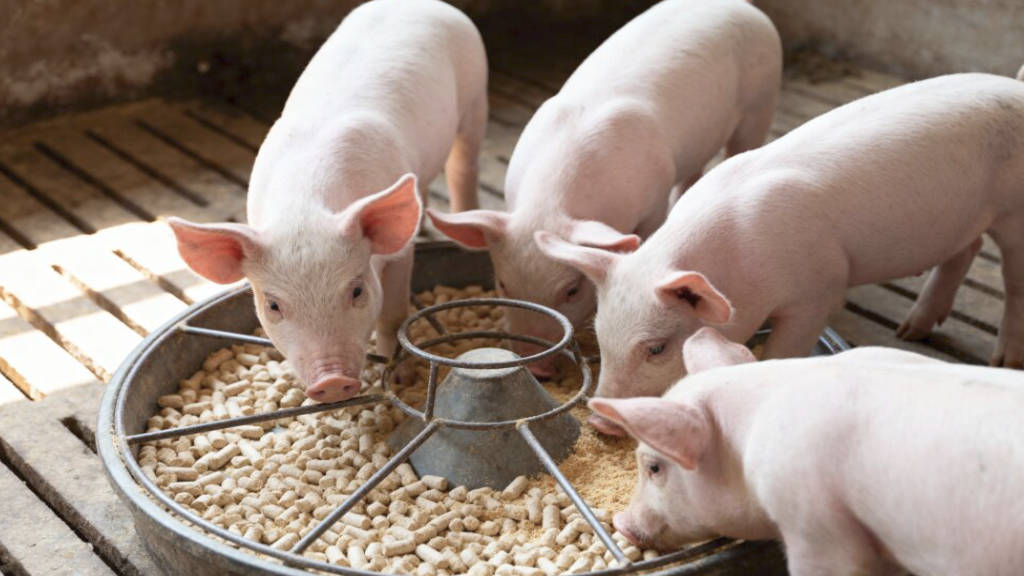

Miratorg Agro-Industrial Holding, one of Russia’s leading agricultural holdings, has obtained the right to export its compound feed to South Korea, the company has stated.
Miratorg’s feed division includes the production of compound feed, premixes, vegetable oils, and meal. It includes six feed mills, two oil processing enterprises, and its own premix plant. The company is headquartered in Moscow and maintains production facilities in Belgorod, Bryansk, Kursk, Kaliningrad, Oryol, Kaluga, Tula, and Smolensk. The total production is more than 3 million tonnes of finished compound feed per year. Premix production capacity is 60,000 tonnes per year.
Miratorg said that “Our in-house feed production meets the needs of our livestock enterprises, while additional amounts open up opportunities for export.”
The existing production base allows the company to control product quality at all stages-from the selection of raw materials to the output of finished feed, the holding said. Finished products undergo a comprehensive assessment of composition, safety, and physical characteristics. A food safety management system operates at the feed, premix, and oil extraction plants. A number of enterprises in the feed division annually confirm compliance with the international ISO 22000 standard during supervisory audits.
Miratorg was founded in 1995. It includes pig breeding, poultry farming and cattle breeding sites, slaughtering and processing enterprises, production of semi-finished and finished products, a crop farming division and compound feed mills. The company operates on an integrated “from field to counter” model, controlling the entire product creation chain-from breeding, growing feed, and raising animals to deep processing and packaging. A total of 2,500 product items are produced under a single brand and are offered at 40,000 retail outlets in Russia and abroad.
South Korea’s total annual compound animal feed production is approximately 21.4 million metric tons, driven by a mature livestock industry focused on swine, poultry, and beef cattle. Demand is shifting toward high-efficiency and specialty inputs-such as amino acids (lysine, methionine), probiotics, and enzymes—to comply with stricter environmental and food safety regulations. The largest dominant animal feed sector in South Korea is pork, with the country needing to import to meet domestic demand.