
 Русский







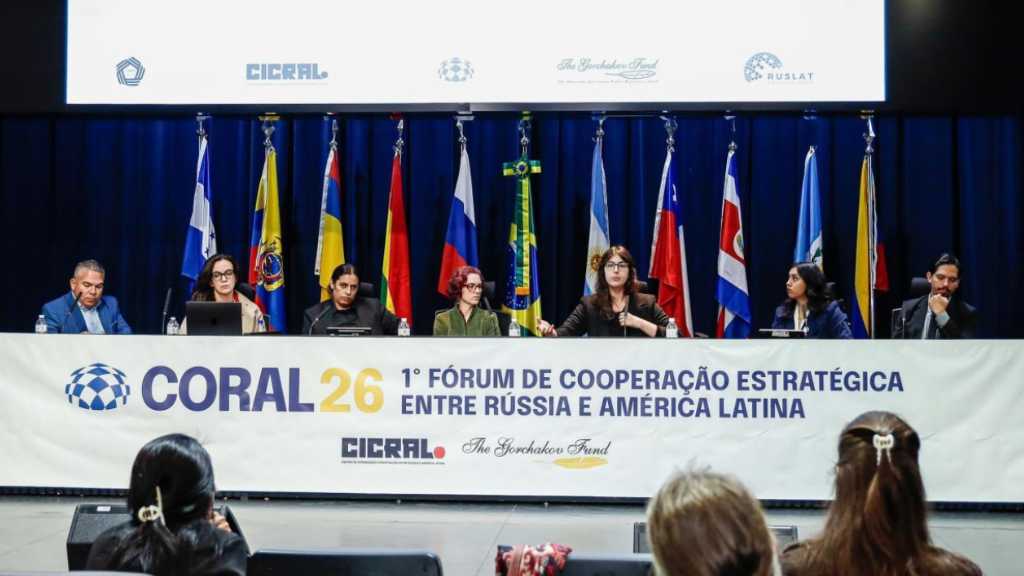

The Legislative Assembly of the Brazilian State of São Paulo (ALESP), the country’s largest industrial and financial center, hosted the First Russia-Latin America Strategic Cooperation Forum (CORAL 2026) from 13 to 16 July.
The São Paulo event marks the beginning of an institutional effort to transform Russia’s engagement with Latin America from a collection of bilateral relationships into a coordinated long-term partnership built around trade, investment, technology, education, finance, and public diplomacy.
Organized by the Centre for Integration and Cooperation between Russia and Latin America (CICRAL) with support from the Gorchakov Public Diplomacy Fund and international media partner TV BRICS, the forum brought together government officials and business leaders from Brazil, Argentina, Colombia, Costa Rica, Guatemala, Honduras, Chile, Venezuela, Paraguay, Ecuador, and Russia, who laid out an action plan for future cooperation between Latin America and Russia. The four-day event featured discussions on multipolarity, sovereignty, cooperation in industry, technology, finance, energy, and innovation, as well as on the integration of countries of the Global South.
The most important takeaways are that the forum concluded with the presentation of an action program for the development of cooperation between Russia and Latin America, providing one of the first structured roadmaps for future engagement between Russia and LatAm. CORAL 2026 seeks to build a permanent ecosystem connecting governments, universities, businesses, research institutions, and civil society organizations. That institutional dimension may ultimately prove to be its most significant outcome.
A Relationship Being Rebuilt Under New Global Conditions
Moscow maintains diplomatic relations with all 33 countries across Latin America and the Caribbean, and cooperation has expanded steadily over the past two decades. Yet until recently, economic engagement remained relatively limited compared with Russia’s relations with Asia or Europe.
Trade illustrates this trajectory clearly. Russia-Latin America trade increased from approximately US$5.6 billion in 2000 to US$20.8 billion in 2021, demonstrating the region’s growing importance in Russia’s foreign economic policy. Despite disruptions caused by sanctions, logistics constraints, and payment restrictions since 2022, overall commercial activity has recovered. By 2025, Russia’s trade with Latin America had reached approximately US$25 billion, representing annual growth of around 6.3%. That is double the average global GDP growth over the same period.
The relationship nevertheless remains underdeveloped relative to its potential. Latin America represents a market of approximately 662 million people with a combined GDP exceeding US$7 trillion in 2025. The region accounts for roughly roughly 7% of global GDP and 6% of global merchandise trade, while Russia’s share of Latin American imports and exports remains modest.
In 2025, Russian exports to Latin America reached about US$7.5 billion in value, making up approximately 1.8% of Russia’s total global exports. Brazil emerged as the dominant destination, taking the vast majority of these shipments, followed by smaller trade volumes with countries such as Venezuela and Mexico.
Total exports from Latin America to Russia in 2025 reached about US$11.5 billion. Latin American countries primarily exported agricultural commodities, foodstuffs, coffee, and meat to the Russian market in exchange for fertilizers, grains, and machinery.
These trade volumes are highly concentrated, driven heavily by a few leading economies. Brazil remained Russia’s largest trading partner in the region, shipping US$1.52 billion in goods to Russia in 2025. Primary exports included meat, coffee, and oilseeds. Mexico’s exports to Russia totaled about US$1.65 billion, consisting of edible fruits, coffee, and medical/optical equipment. Other key exporters included Argentina and Uruguay, who also maintained important export pipelines of dairy products, beef, and agricultural inputs to Russia.
Although relatively small in Russia’s total trade figures, rather than viewing these as evidence of trade weakness, policymakers increasingly see them as indicative of untapped opportunity.
The Sanctions Effect Produced an Unexpected Strategic Opening
Paradoxically, Western sanctions accelerated rather than halted Russia’s economic diversification toward Latin America. Restrictions on financial transactions, shipping insurance, logistics, and payment systems initially disrupted established trade routes. Argentina’s trade with Russia, for example, declined sharply from approximately US$1.4 billion before 2022 to around US$300 million in 2024, highlighting the immediate impact of sanctions and logistical uncertainty.
But imports by Argentina from Russia reached US$356.59 million in 2025, marking a substantial +202.48% increase compared to 2024. This pronounced short-term growth contributed to an overall compound annual growth rate (CAGR) of 17.14% for 2020 – 2025.
Sanctions also forced Russian exporters and Latin American businesses to search for alternative supply chains, payment mechanisms, and transportation routes. Several structural realities quickly became apparent. Latin America’s agricultural sector remained heavily dependent on Russian fertilizers. Energy-importing countries continued requiring competitively priced petroleum products. Russian grain remained critical for food security. Latin American exporters continued depending on Russian demand for bananas, seafood, meat, coffee, flowers, cocoa, and fruits. Rather than replacing each other, both sides discovered that their economies remained fundamentally complementary.
From Commodity Trade to Industrial Cooperation
The most important transformation underway is qualitative rather than quantitative. Historically, Russia exported raw materials while Latin America supplied agricultural commodities. That model is changing. Discussions increasingly focus on localized manufacturing, technology partnerships, industrial investment, pharmaceutical production, digital infrastructure, artificial intelligence, cybersecurity, transport engineering, and logistics.
This transition mirrors the evolution already witnessed in Russia’s relations with Asia. Instead of maximizing trade volumes alone, Moscow increasingly seeks production partnerships capable of reducing supply-chain vulnerabilities while generating long-term industrial integration. We have already noted this shift in terms of Russia’s trade patterns with Asia, where a previous focus on commodities (such as oil) is being replaced with a far more diverse set of integrated infrastructure and technologies.
Transport Connectivity Is Reshaping Strategic Geography
The most transformative dimension of Russia’s expanding engagement with Latin America is the emergence of new transport and logistics corridors. For decades, the vast Atlantic distance constituted the principal structural constraint on Russia–Latin America trade. That barrier is gradually being reduced through infrastructure projects and maritime networks developing within the broader BRICS framework.
One of the most ambitious initiatives is the Brazil-Peru-Pacific multimodal corridor. Brazil, Peru, and China have agreed to develop a transcontinental railway linking Brazil’s agricultural and industrial heartland with Peru’s Pacific coast via the Port of Chancay. The project includes approximately 500 kilometers of new railway connecting Brazilian territory to Peru, with substantial Chinese financing and participation.
Expected to become operational around 2028, the corridor is projected to significantly shorten transport times between South America and Asia. Brazilian officials estimate that exports to Asian markets could arrive around ten days faster, while the Port of Chancay is expected to reduce shipping times across the Pacific to approximately 20 days. These improvements promise to enhance the competitiveness of South American exports while creating new intercontinental supply chains.
Russia is increasingly positioning itself within this evolving logistics architecture. FESCO has already established regular maritime services linking Russian ports with eastern Brazil, and future integration could connect St. Petersburg, Vladivostok, Brazil’s Atlantic ports, Peru’s Pacific coast, and the wider Eurasian transport network into a continuous BRICS logistics corridor. The Port of Imbituba, in Santa Catarina, has been added to a new regular shipping route between Brazil and Russia from June 2026, with sailings every two weeks.
The strategic significance extends well beyond transportation. For Moscow, these emerging corridors represent the gradual development of alternative trade infrastructure that reduces reliance on traditional maritime routes and logistics networks historically dominated by Western shipping and financial systems. As geopolitical competition increasingly extends to supply chains and connectivity, resilient transport corridors are becoming strategic assets that enhance economic security, diversify trade routes, and strengthen Russia’s long-term engagement with Latin America.
Finance Is Quietly Becoming the Next Battlefield
Trade expansion depends not only upon cargo but also upon payment systems. Western sanctions demonstrated the vulnerability of conventional financial channels. Consequently, discussions increasingly focus on settlements in national currencies, alternative payment infrastructure, and new financial technologies. These issues featured prominently at CORAL 2026. Several Latin American governments have already expressed interest in reducing dependence on dollar-denominated transactions for selected bilateral trade. Brazil’s growing role within BRICS financial cooperation provides additional momentum. Alternative payment mechanisms remain essential for facilitating trade under sanctions while reducing transaction costs. Financial architecture has therefore become one of the least visible but most strategically important dimensions of Russia-Latin America cooperation.
Public Diplomacy Is Becoming an Economic Instrument
An equally important innovation introduced through CICRAL concerns public diplomacy. Unlike traditional diplomatic institutions, CICRAL seeks to integrate universities, research institutes, civil society organizations, business associations, and political leaders. Its Brazilian director, Luiza Calvette Costa, argues that Russia-Latin America relations should no longer be viewed as an occasional foreign policy agenda but rather as one of the pillars supporting the emerging multipolar international order.
That perspective reflects broader changes in international relations. Economic partnerships increasingly depend upon knowledge exchange, educational cooperation, research collaboration, and cultural understanding. Accordingly, the forum also launches a comprehensive Latin American compendium analyzing Russia’s cooperation with twelve countries across the Southern Cone, Andean region, and Central America using official statistics, diplomatic documentation, and original field research. Knowledge has become part of strategic infrastructure.
The Real Strategic Question
The significance of CORAL 2026 lies in whether Russia and Latin America can gradually transform complementary economies into integrated development partners. The fundamentals already exist. Russia possesses globally competitive strengths in fertilizers, nuclear technology, hydrocarbons, transport engineering, pharmaceuticals, cybersecurity, digital technologies, and scientific research. Latin America offers one of the world’s largest agricultural economies, abundant mineral resources, expanding renewable energy capacity, growing consumer markets, and increasing demand for industrial modernization.
If supported by better logistics, alternative finance, investment partnerships, and institutional coordination, today’s US$25 billion relationship could expand substantially during the coming decade. More importantly, cooperation would no longer depend solely on commodity exports. Instead, it would increasingly rest upon shared production, technology transfer, infrastructure development, and industrial investment, the foundations of a more resilient economic partnership in an increasingly fragmented international system.
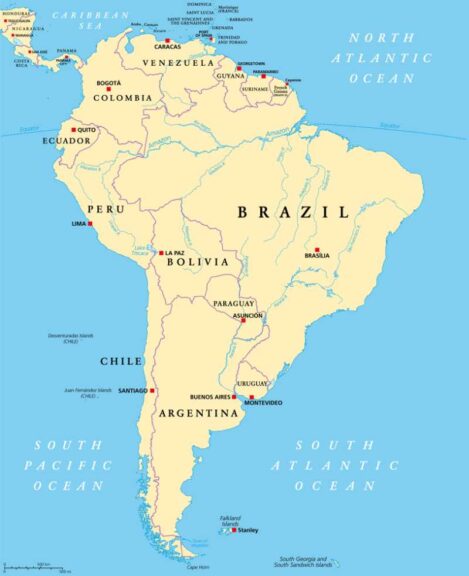
Country-by-Country Mapping of Russia’s Expanding Economic Footprint in Latin America
If CORAL 2026 succeeded in institutionalizing cooperation across the Global South, its long-term impact will depend less on political declarations than on the depth of Russia’s bilateral economic relationships throughout Latin America.
Unlike Russia’s engagement with Europe – which was built around large energy markets – or its rapidly expanding ties with Asia driven by manufacturing and industrial integration, Latin America presents a different strategic landscape. Here, cooperation is increasingly shaped by complementary economies, food security, energy resilience, critical minerals, transport connectivity, scientific cooperation, and industrial modernization.
However, LatAm is far from homogeneous. Each country offers Russia different opportunities, different challenges, and different strategic value. Understanding this diversity explains why Moscow is moving toward a networked approach rather than pursuing a single regional strategy.
Brazil: The Economic Anchor of Russia’s Latin American Strategy
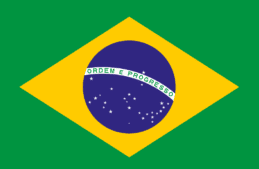
Brazil remains the center of attraction in Russia’s relations with Latin American countries. In 2025, bilateral trade reached approximately US$11 billion, with Brazil accounting for more than 50% of Russia’s trade with LatAm. According to the Russia-Brazil Business Council, this figure could exceed US$14 billion in 2026, demonstrating steady growth even in the face of geopolitical uncertainty.
The nature of relations is shifting from a predominantly export-oriented model to a strategic partnership. Russia is the largest external supplier of mineral fertilizers to Brazil, a critical resource for one of the world’s leading agricultural exporters. In 2024, Brazil imported 44.3 million tons of fertilizers, with Russian suppliers accounting for 27%.
Russian companies, including PhosAgro, EuroChem, Uralkali, and Akron, have established themselves as indispensable partners for Brazilian agribusiness. Illustrating the shift from commodity exports toward long-term industrial investment, EuroChem has invested approximately US$1 billion in fertilizer production facilities in Brazil, creating annual production capacity of around one million tonnes.
Energy cooperation has also expanded significantly. Following Western sanctions that redirected Russian petroleum exports, Brazil emerged as one of the largest importers of Russian diesel fuel. Russian petroleum exports to Brazil exceeded US$5 billion in 2024, substantially reshaping the composition of bilateral trade.
Brazil, in turn, exports soybeans, frozen beef, poultry, coffee, sugar, and other agricultural products to Russia, reinforcing its position as one of Russia’s principal food suppliers. While agricultural commodities continue to dominate Brazilian exports, the bilateral relationship is increasingly diversifying beyond traditional trade.
Recent meetings of the Russian-Brazilian High-Level Cooperation Commission have reaffirmed mutual interest in expanding collaboration across nuclear energy, pharmaceuticals, transport engineering, digital technologies, logistics, industrial manufacturing, and advanced technology. Brazil and Russia set new cooperation goals in trade, technology, energy, defense, and culture ahead of the 200th anniversary of diplomatic relations in 2028. Together, these developments underscore Brazil’s evolution from Russia’s principal trading partner in Latin America into the central economic pillar of Moscow’s broader regional strategy.
Imbituba Port Joins The Russia-Brazil Shipping Route
On 12 June, the Port of Imbituba in Santa Catarina was added to FESCO Transportation Group’s regular Brazil-Russia container shipping service, which operates on a fortnightly schedule. The new route connects Brazilian ports with Russian terminals, facilitating the movement of containerized industrial goods, food products, chemical inputs, and other traded cargo. Although newly linked to Russia, Imbituba’s container traffic remains primarily oriented toward trade with other countries in the Americas, particularly Colombia and the United States, according to Datamar’s DataLiner statistics for January-April 2026. The new service coincides with strong growth at the port.
From January to April 2026, Imbituba handled more than 2.65 million tonnes of cargo, representing a 12.7% increase compared with the same period in 2025. The port is also undergoing infrastructure modernization, including breakwater improvements and projects to expand operational capacity and logistics efficiency. According to the port authority, inclusion in the Russian service is expected to diversify export markets, broaden logistics options for importers and exporters, and strengthen Imbituba’s role in international supply chains.
Argentina: A Relationship Recovering After Sanctions
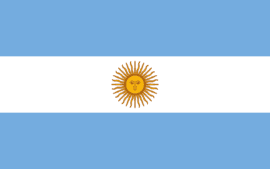
Argentina has traditionally been one of Russia’s key partners in South America, however the dynamics of its trade with Russia clearly reflect the impact of geopolitical turmoil on regional commerce. Prior to 2022, bilateral trade volume approached US$1.4 billion. But in 2022, it decreased to US$777.56 million, a 42% decline compared to 2021.
Under the pressure of sanctions, this trade volume further declined to just US$488 million in 2024. However, there has been a recovery, even in the face of complex political relations. The restructuring of global supply chains and the transformation of trade networks have prompted Argentina to strengthen its engagement with Russia as part of its strategy to diversify markets and enhance economic resilience.
According to the Foreign Trade Center of the Russian Ministry of Industry and Trade, in Q1 2026, Argentina’s imports from Russia reached US$49 million, 32% higher than in January-March 2025. During the same period, Argentina’s exports to Russia increased by 6% year-on-year, reaching US$85 million. According to the Observatory of Economic Complexity (OEC), while in May 2026, the trend continued: Argentina’s exports to Russia amounted to approximately US$28.7 million (+12.7% compared to May 2025), while Russia’s exports to Argentina reached US$31.3 million (+48.1% compared to May 2025).
Russia primarily exports fertilizers, steel semi-finished products, and aluminum. Agricultural products continue to form the basis of Argentine exports: oilseeds (peanuts in particular), dairy products (cheeses, butter), livestock by-products, pears and apples, frozen fish, citrus fruits, and frozen shrimp. A notable increase has been noted in the supply of meat products and processed agricultural products – a sign of the gradual normalization of trade with the remaining logistical barriers. Longer term, Argentina offers broader opportunities. The country’s globally competitive agricultural sector, significant lithium reserves, nuclear expertise, and growing interest in alternative international financial mechanisms make it an increasingly relevant partner within Russia’s wider Global South strategy.
Venezuela: Moving Beyond Political Solidarity
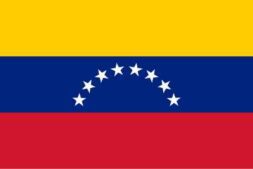
Russia’s partnership with Venezuela has evolved into one of the region’s most comprehensive strategic relationships. Although the U.S. capture of Venezuelan leader Nicolás Maduro has created uncertainty surrounding Russia’s relationship with Venezuela, Moscow has continued to strengthen its trade ties and broader cooperation with the current administration. During SPIEF 2026, both governments approved a development roadmap extending to 2030, comprising 65 measures across 20 sectors. The objective is clear. Bilateral trade is expected to increase from US$217 million in 2025 toward US$400 million by the end of the decade.
Although relatively modest compared with Brazil, Venezuela’s importance lies in the breadth rather than volume of cooperation. Russian imports of Venezuelan agricultural products tripled during 2025, driven by growing purchases of cocoa, coffee, and seafood. Russian confectionery company United Confectioners has plans to establish two cocoa processing facilities in Venezuela’s Sucre State, enabling greater value-added exports rather than raw commodity shipments. Industrial cooperation is equally ambitious. KamAZ plans to establish vehicle assembly operations. Russia continues supporting insulin localization projects inside Venezuela.
The Russian-Venezuelan Center for Infectious Disease Research has already conducted more than 40,000 joint diagnostic studies, supported by Russian mobile laboratories and advanced medical technologies. The GLONASS satellite navigation ground station continues operating in Venezuela, illustrating the growing technological dimension of bilateral relations. Education has become another pillar. Russia has allocated 200 university scholarships for Venezuelan students, while five Russian language centers have opened across Venezuela during the past three years.
Bolivia: From Lithium to Food Security

Bolivia occupies an increasingly important position within Russia’s South American strategy because of its exceptional resource base. The country possesses one of the world’s largest lithium reserves, making it strategically important as demand for electric vehicles and battery storage accelerates globally. Russian Foreign Minister Sergei Lavrov and President Luis Arce reaffirmed during the BRICS Summit that cooperation would continue expanding across lithium development, agriculture, energy, and industrial investment. Russia has also strengthened humanitarian cooperation. In 2026, Moscow delivered 1,400 tonnes of grain, valued at approximately US$2 million, through cooperation with the UN World Food Programme and Bolivian authorities. The shipment, equivalent to more than 87,000 bags of flour, supports Bolivia’s national food security programs while reinforcing Russia’s role as a development partner beyond purely commercial engagement.
Chile: Energy, Fisheries and Emerging Technology

Chile is one of Russia’s most dynamic trading partners. In 2025, the country’s trade with Russia reached US$480 million, an increase of 20% compared to 2024, primarily due to the export of frozen and fresh fish. The export of Chilean salmon and trout to Russia reached approximately US$314 million (+38%).
Companies including AquaChile, Salmones Blumar, Camanchaca, MultiX, and Australis Seafoods have become leading suppliers to the Russian market. Meanwhile, Moscow has proposed expanding exports of diesel fuel and LNG following Chile’s change of government in early 2026.
The Russian Embassy estimates bilateral trade possesses potential exceeding US$1 billion, surpassing pre-pandemic levels. Scientific cooperation is also expanding. Russian and Chilean universities have initiated discussions on educational nanosatellites, remote sensing technologies, and joint space research programs. This illustrates an increasingly diversified agenda extending well beyond agriculture and fisheries.
Colombia: Fertilizers Drive Economic Interdependence
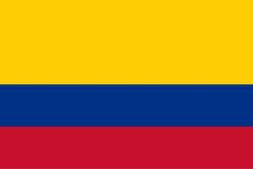
The relationship between Colombia and Russia clearly demonstrates how agricultural supply chains are becoming an important factor in international politics. Bilateral trade between the two countries remains at around US$400 million.
Russia supplies mainly fertilizers, pharmaceutical products, hot-rolled bars, and inorganic chemicals (such as sodium dichromate). Colombia’s main exports still include frozen beef, coffee, cocoa beans, and cut flowers.
Although political relations have experienced fluctuations, economic cooperation continues expanding through agricultural trade and discussions regarding wider engagement with BRICS institutions.
Ecuador: Bananas, Cocoa and Fertilizers
The complementary economics between Russia and Ecuador are particularly clear. According to the latest available data from the Central Bank of Ecuador, by the end of 2025, the volume of trade between Russia and Ecuador increased by 9% compared to 2024 and reached US$1.23 billion. Ecuador’s exports to Russia exceeded US$1 billion, an increase of 16% year-on-year, while Ecuadorian imports from Russia amounted to US$189 million (+6% year-on-year).
Russia is one of the key markets for Ecuadorian bananas, with purchases amounting to almost 1 million tons per year; in addition, Russia imports frozen shrimp and cocoa beans (used in chocolate production) from Ecuador. Russian exports to Ecuador is dominated by nitrogen fertilizers, mixed fertilizers, and fish waste (aquaculture feed).
Future cooperation could diversify further. AvtoVAZ has begun evaluating the return of Lada vehicles to Ecuador after more than a decade. Meanwhile, Ecuador seeks to increase cocoa exports into Russia. Between January and July 2025 alone, Ecuador exported more than 200,000 tonnes of cocoa worldwide, valued at approximately US$1.5 billion, yet Russia still represents only a relatively small share of this market. Improved logistics, including potential direct flights between Moscow and Quito, could significantly expand flower exports and high-value agricultural trade.
Mexico and Central America: Untapped Potential
Mexico is Russia’s second-largest trading partner in Latin America, but bilateral trade has decreased since 2022.
In 2021, trade between Russia and Mexico reached a record high of US$4.8 billion, according to the Russian Federal Customs Service. Exports from Russia exceeded imports from Mexico by US$1 billion. In 2022, trade stood at around US$3.8 billion, yet declined to US$1.2 billion in 2025.
This decline is mainly due to a decrease in Mexican imports from Russia, which have been affected by difficulties with international payments (risks of secondary sanctions and restrictions in the banking sector), as well as logistical costs. Additionally, in December 2025, the Mexican Congress approved an increase in import duties on goods from countries with which Mexico does not have free trade agreements, including Russia.
However, Russian investments in Mexico have increased, reaching US$94 million in 2024, primarily in the retail fuel infrastructure.
Central America remains the least developed but potentially the most dynamic region. The Central American Common Market (CACM) includes Costa Rica, El Salvador, Guatemala, Honduras, and Nicaragua, with Panama participating in selected initiatives. The key objectives of the CACM are to stimulate regional development, establish a customs union, and ensure free trade among its members. The Central American Integration System (CAIS), which also includes Belize, coordinates the activities of the bloc. Russia’s total trade with these countries amounts to about US$623 million.
Costa Rica, Guatemala, Honduras, and Nicaragua are part of the CICRAL institutional framework. The CORAL 2026 program provides a foundation for significant deepening of cooperation over the next ten years.
A Regional Strategy Built on Complementarity Rather Than Competition
What emerges across these diverse relationships is not a uniform strategy but a carefully differentiated one. Brazil anchors industrial cooperation. Argentina strengthens agricultural resilience. Venezuela provides opportunities in energy, pharmaceuticals, and technology. Bolivia contributes strategic minerals. Chile offers fisheries, energy, and scientific collaboration. Colombia and Ecuador reinforce agricultural security. Mexico expands industrial investment. Together, these bilateral relationships form the foundation of a broader Russia-Latin America economic architecture that increasingly emphasizes technology transfer, industrial localization, logistics connectivity, and institutional cooperation rather than simply expanding commodity trade. This gradual evolution explains why CORAL 2026 represents an attempt to weave these separate bilateral relationships into a coherent strategic network capable of supporting a more integrated Global South economy in the years ahead.
Building A Multipolar Partnership Architecture
The significance of the First Russia-Latin America Strategic Cooperation Forum (CORAL 2026) should be measured by the creation of a permanent institutional architecture capable of linking Russia with Latin America through business, finance, science, education, technology, and public diplomacy instead of relying solely on government-to-government contacts.
That institutional foundation is particularly significant because it emerges at a time when both Russia and Latin America are redefining their positions within an increasingly fragmented global economy. Russia is diversifying its foreign economic relations beyond the defunct European markets, while many Latin American countries are simultaneously seeking to reduce excessive dependence on a single external partner. The convergence of these strategic adjustments creates an opportunity that did not exist a decade ago. The forum therefore represents not the culmination of Russia’s Latin American strategy but its starting point.
EAEU Engagement with Latin America’s Regional Trade Blocs


Beyond its bilateral partnerships, Russia has increasingly sought to institutionalize its economic engagement with Latin America through dialogue between the Eurasian Economic Union (EAEU) and the region’s principal trade blocs. Similar to Mercosur, these organizations aim to reduce trade barriers, harmonize regulations, and promote the free movement of goods, services, and investment.
In Russia’s Foreign Policy Concept, Mercosur—which includes Argentina, Bolivia, Brazil, Paraguay, and Uruguay—is explicitly recognized as a key regional partner for building a multipolar world. Moscow engages with the bloc primarily to expand trade, secure critical supply chains, and strengthen diplomatic ties with emerging economies in South America to counter Western economic sanctions.
Russia can be expected to expand contacts with the Pacific Alliance (Chile, Colombia, Mexico, and Peru), which emphasizes trade liberalization and integration with Asia-Pacific markets; the Andean Community (CAN) (Bolivia, Colombia, Ecuador, and Peru), which operates a highly harmonized customs and regulatory framework; and the Central American Common Market (CACM) (Costa Rica, El Salvador, Guatemala, Honduras, and Nicaragua), which seeks to deepen regional economic integration. Through the EAEU, Moscow aims to diversify trade, facilitate market access, and strengthen institutional economic cooperation with Latin America’s major regional organizations as part of its broader strategy of expanding non-Western economic partnerships.
Trade Alone Will Not Define the Next Decade
Russia’s trade with Latin America amounted to US$26.7 billion in 2024, but this figure pales in comparison to the region’s trade with its key partners, such as China, the United States, and the European Union. In recent years, China’s trade with Latin America has surpassed US$500 billion. The European Union remains a significant investor in the Latin American economy, while the United States continues to dominate trade in North America and much of Central America.
Russia therefore enters the region from a different position. Its comparative advantage is not market size. It is strategic complementarity. Russia supplies products that Latin American economies require for long-term development, including fertilizers, petroleum products, nuclear technologies, engineering equipment, cybersecurity solutions, pharmaceuticals, aerospace technologies, grain, and scientific expertise. Latin America offers equally valuable assets. The region possesses enormous agricultural capacity; globally significant reserves of lithium, copper, and rare minerals; expanding renewable energy industries; abundant biodiversity; growing consumer markets; and increasingly sophisticated manufacturing sectors. Rather than competing with existing economic partners, Russia increasingly positions itself as an additional strategic option. That distinction matters because Latin American governments are pursuing diversification rather than replacement.
The Quiet Transformation of Financial Infrastructure
One of the least visible but potentially most consequential developments concerns financial cooperation. Western sanctions exposed the vulnerability of international payment systems concentrated around a limited number of financial institutions and reserve currencies. For both Russia and many developing economies, the lesson was clear. Trade cannot expand sustainably without payment systems capable of functioning independently during periods of geopolitical disruption.
Discussions at CORAL 2026 emphasized settlements in national currencies, alternative payment mechanisms, financial technologies, and banking cooperation. These discussions reflect broader developments across BRICS. The expansion of settlements in national currencies has accelerated among several BRICS members.
The BRICS New Development Bank continues financing infrastructure projects across developing economies. Central banks increasingly explore digital payment systems capable of reducing transaction costs while limiting exposure to external financial shocks. Latin America has shown growing interest in these mechanisms. Although the US dollar will remain the dominant reserve currency for the foreseeable future, bilateral trade conducted in national currencies is likely to expand steadily during the coming decade, particularly in sectors such as fertilizers, agricultural products, energy, and industrial equipment.
Energy Cooperation Is Entering a New Stage
Energy remains one of the strongest pillars of Russia’s engagement with Latin America. The relationship, however, is becoming considerably more diversified. Traditional petroleum exports continue expanding. Russia has become a major supplier of diesel fuel to Brazil while proposing expanded petroleum product exports to Chile. Discussions regarding LNG cooperation are also advancing with several regional partners.
Yet hydrocarbons now represent only one component of a much broader energy agenda. Nuclear cooperation has become increasingly prominent. Russia and Brazil have reaffirmed interest in joint projects following the Eighth Meeting of the Russian-Brazilian High-Level Cooperation Commission. Bolivia continues discussing energy cooperation. Several other Latin American countries have expressed interest in Russian nuclear technologies for electricity generation, medical isotope production, and scientific research. Russia’s experience in constructing complete nuclear ecosystems from reactors and fuel supply to personnel training and long-term maintenance offers capabilities that relatively few countries can provide. At the same time, renewable energy creates entirely new opportunities.
Latin America already generates approximately 25% of its primary energy from renewable sources, roughly double the global average. Costa Rica produces nearly 99% of its electricity from renewable energy. Brazil exceeds 80%.
According to the International Renewable Energy Agency (IRENA), renewable capacity across Brazil, Chile, Colombia, Peru, and Mexico could exceed 309 gigawatts by 2030. This does not reduce Russia’s relevance. Instead, it changes the nature of cooperation. Russian engineering firms, power equipment manufacturers, digital grid technologies, and energy storage expertise can increasingly contribute to renewable energy infrastructure alongside traditional power generation.
Technology Rather Than Commodities Will Determine Future Growth
The most important structural shift underway concerns technology. For decades, Russia’s trade with Latin America depended overwhelmingly upon commodities. The emerging relationship increasingly emphasizes industrial capabilities. Several examples already illustrate this transition. KamAZ plans vehicle assembly operations in Venezuela.
Russian autonomous agricultural technologies and artificial intelligence systems are already being used in Brazil and Argentina. Yandex services operate in Peru, Chile, and Mexico. Russian medical technologies support infectious disease research in Venezuela. Educational nanosatellite projects are being developed with Chilean universities. Cybersecurity, digital public services, satellite navigation, artificial intelligence, and agricultural technologies now feature regularly in bilateral discussions. These sectors also generate considerably higher value than traditional commodity exports. Technology cooperation creates skilled employment, research partnerships, and long-term industrial integration rather than one-off commercial transactions. That transition explains why education has become an increasingly important component of Russia’s Latin American strategy.
Universities As Strategic Infrastructure
One of the distinctive characteristics of Russia’s engagement with Latin America is the growing integration of universities into foreign policy. Educational cooperation is no longer viewed simply as cultural exchange. It has become an instrument of economic development. Russian universities, including Lomonosov Moscow State University, RUDN University, and the All-Russian Academy of Foreign Trade, continue expanding partnerships across Latin America. Scholarship programs have increased. Scientific exchanges continue expanding.
Russian educational programs in engineering, nuclear sciences, medicine, artificial intelligence, and digital technologies attract growing interest. Venezuela alone has received 200 Russian government scholarships, while five Russian language centers have been established across the country. CICRAL itself reflects this philosophy. Its membership deliberately combines universities, researchers, business organizations, policymakers, and civil society institutions rather than relying exclusively on government ministries. Knowledge has become a strategic economic resource. Countries capable of producing innovation together increasingly enjoy more resilient long-term partnerships.
Logistics Will Determine Whether Ambition Becomes Reality
Despite impressive political momentum, geographic challenges remain. Russia and Latin America remain separated by enormous maritime distances. Transport costs continue reducing competitiveness. This explains the strategic importance of emerging logistics corridors. The China-Brazil-Peru corridor and Chancay Port represent just one development. Regular FESCO maritime services provide another. Brazil’s interest in the Northern Sea Route introduces additional possibilities for Arctic shipping. Direct aviation links remain another priority. Improved maritime infrastructure, expanded container services, digital customs procedures, and multimodal logistics networks will determine whether bilateral trade can move beyond current levels. Without logistics, even the strongest political relationships remain economically constrained.
The BRICS Effect
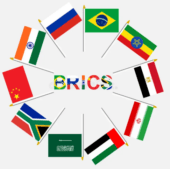
The expansion of BRICS provides additional momentum. Brazil is a founding member. Bolivia and Cuba have become BRICS partner countries, while Colombia recently joined the New Development Bank. Several other LatAm governments are also exploring closer cooperation with BRICS institutions.
Although political attitudes differ across the region, interest in practical cooperation continues growing. Infrastructure finance, agricultural cooperation, digital technologies, alternative payments, food security, energy, artificial intelligence, scientific research—these priorities closely overlap with Russia’s own international economic agenda. Rather than replacing existing regional organizations, BRICS increasingly functions as a platform connecting developing economies across different continents. For Russia, Latin America therefore represents not an isolated foreign policy direction but an integral component of wider Global South cooperation.
Challenges Cannot Be Ignored
The opportunities are substantial. So are the constraints. Russia still faces intense competition in LatAm from China, the United States, the European Union, India, Türkiye, and South Korea. Secondary sanctions continue complicating financial transactions. Insurance costs remain elevated. Shipping routes remain comparatively expensive. Russian companies often possess limited familiarity with Latin American regulatory systems. Language barriers continue restricting business expansion. Political transitions across Latin America periodically alter foreign policy priorities. Several governments maintain particularly close security and economic relationships with Washington. Others pursue more diversified diplomacy. Consequently, Russia’s strategy must remain pragmatic rather than ideological. Long-term credibility will depend less on geopolitical rhetoric than on successful implementation of investment projects, industrial partnerships, technology transfers, and commercial agreements.
Looking Toward 2030
Estimation and expectation prepared by Russian trade specialists suggest bilateral trade between Russia and Latin America could nearly double by the early 2030s if existing constraints are gradually reduced. Achieving that objective will require progress across several fronts simultaneously: greater use of national currencies, expanded maritime connectivity, joint industrial production, technology partnerships, agricultural modernization, nuclear cooperation, renewable energy projects, digital infrastructure, university cooperation, business-to-business networks, and most importantly, institutional continuity. Forums such as CORAL 2026, SPIEF, BRICS business councils, and bilateral commissions create the governance mechanisms necessary for sustained cooperation beyond electoral cycles and short-term political changes.
Summary: São Paulo as the Beginning Rather Than the Destination
The first Russia-Latin America Strategic Cooperation Forum arrived as the international economic system is undergoing profound structural change. Supply chains are becoming regionalized. Trade is increasingly influenced by geopolitics. Technology competition is intensifying.
Countries across the Global South are searching for greater strategic autonomy without abandoning globalization itself. Against this backdrop, Russia and Latin America are constructing a more diversified framework of cooperation built upon economic complementarity, industrial development, and institutional resilience.
The significance of São Paulo is the emergence of a more mature phase in Russia-Latin America relations, one in which trade is expected to evolve into investment, investment into industrial cooperation, industrial cooperation into technological partnerships, and technological partnerships into a broader architecture of global South development. Whether this ambition succeeds will depend not on speeches delivered during CORAL 2026 but on the projects implemented over the next decade. If those projects materialize, the São Paulo forum may be regarded as the moment when Russia’s engagement with Latin America shifted from episodic diplomacy to a long-term strategy of economic integration. institutional cooperation, and shared development across one of the world’s most dynamic emerging regions. Latin America’s GDP grew by an estimated 2.4% in 2025 – higher than the Eurozone’s 1.4%. Compounded over the next ten years, this makes a significant difference.
This article was written by I.K. Hasan, a independent researcher, columnist, and freelance journalist. Lena Goncharoff provided additional research and data fact checking. They can be reached at info@russiaspivottoasia.com