 Русский






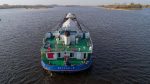
The Volga-Caspian route of the International North-South Transport Corridor (INSTC) is likely to become the most stable export route to Iran, according to Mikhail Soloveychik, a logistics advisor to Russia’s Agrofood Group. He stated that a coordinated system must be created to guarantee the rhythm of supplies and predictability of investments.
According to Soloveychik, the Volga-Caspian route is the optimal path for export to Iran, and its relevance increases as risks for shipping in the Red Sea and the Strait of Hormuz grow. He said that “export through the Caspian gives necessary control over the supply chain and a shorter regional leg. However, despite the growing demand for Russian exports in Iran and the development of the port base, and despite economic prerequisites for further expansion of the route, several factors hinder its full development. Primarily, it is the lack of synchronicity in the work of grain terminals, the fleet, ports, and financial settlements. The restriction today is created not by one node but by the lack of synchronicity of the entire export chain, its limited throughput, and operational connectivity.”
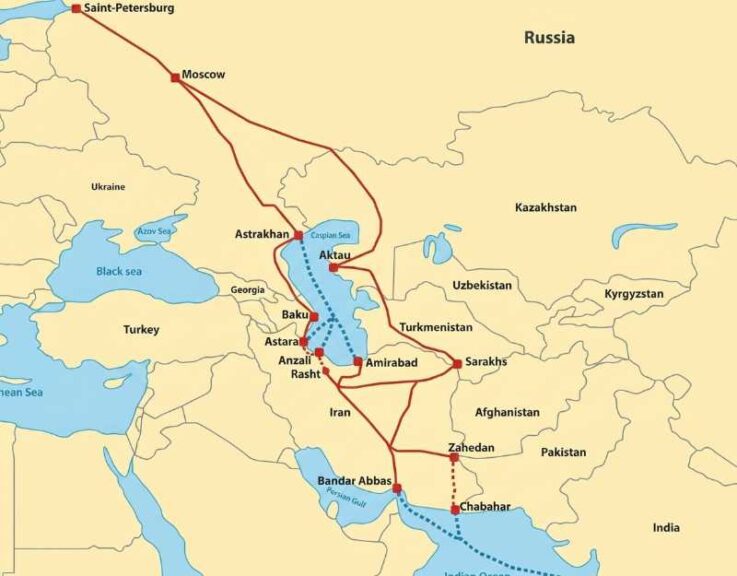
The Volga-Caspian route is part of the North-South international transport corridor (ITC), which connects the regions of European Russia with Iran, Central Asia, the Middle East, Southeast Asia, and Africa via the Caspian Sea. This route plays a key role in the development of multimodal transportation and the reorientation of cargo flows in the context of changing geopolitical situations.
The Volga-Caspian Sea Shipping Canal (VCSSC) is a key element of the trans-Caspian route. It connects the Volga River (specifically, the Bakhtemir River, the main branch in the Volga Delta) with the Caspian Sea through the shallow part of the Delta in the Astrakhan Region. The canal is strategically important as it provides a transportation link between the central regions of Russia and the Caspian Basin.
The main problems, in his assessment, are infrastructure, primarily insufficient depths, and a limited passage regime along the Volga-Caspian Canal. Soloveychik added that ‘the rhythm of cargo removal is negatively affected by the deficit of “river–sea” class vessels; today this is an outdated fleet with an average age of 30–35 years.’ Operational problems are noted regarding the speed of batch accumulation, transshipment, and readiness of the Iranian side. No less significant is the problem of the duration of document flow and the speed of returning money to the transaction. For the development of the route, it is necessary to ensure guaranteed depths, regular maintenance of the Volga Caspian Canal, and predictable passage windows. We need to develop the fleet to increase the sustainability of removal in the mixed river–sea contour. Synchronization of terminals and ports is also required: linking terminals in the Volga and Caspian ports and Iran into a single operational system, as is a reduction in the duration of the transaction and the load on the working capital of the exporter. In general, the INSTC should be developed as a single system, moving from fragmented projects to a complete export logistics model.”
Russia is already taking steps to solve these problems — starting in 2022, large-scale dredging operations are underway to ensure a 4.5-meter vessel draft throughout the channel. It is planned to complete the construction of protective structures in the marine part of the VKMSK by 2028. They are aimed at reducing the channel’s drift, which will reduce the volume of dredging operations. It also provides for the straightening of the most navigationally difficult winding section of the “big turn” (150-152 km of the Moscow Ring Road). This is necessary to ensure the safety of navigation during the two-way movement of vessels with a draft of 4.5 m, as well as to reduce the risk of ice formation in this area.
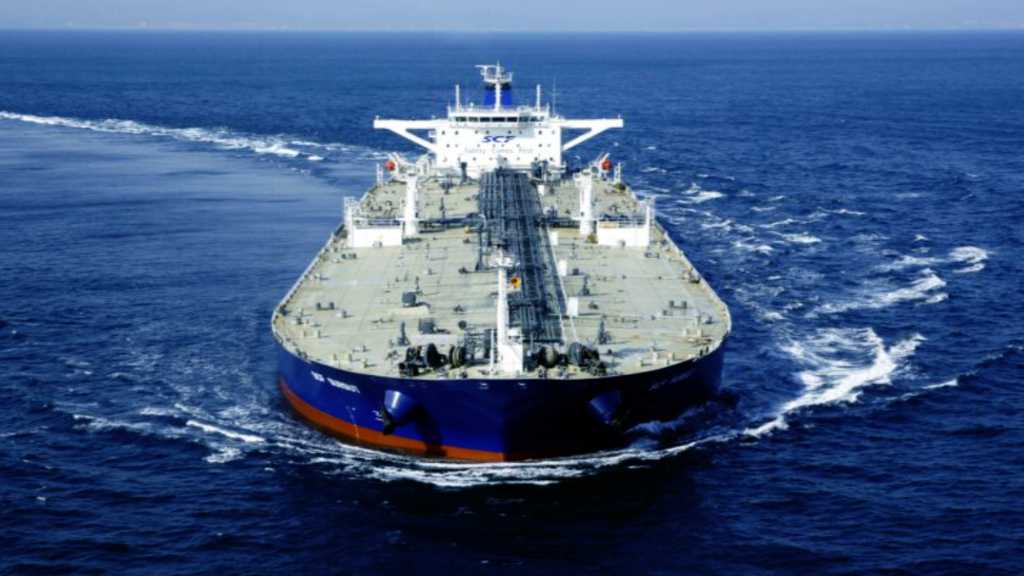
In 2025, Russian shipyards set a record for the production of civilian vessels in the last ten years, delivering 132 vessels to customers. The increase in construction volumes is due to government support measures, such as preferential leasing, investment quotas, and subsidies, as well as the reallocation of orders to domestic shipyards. In May 2025, Prime Minister Mikhail Mishustin announced that over the next six years (until 2031), more than ₽500 billion (US$6.7 billion) from the federal budget will be allocated for the development of domestic shipbuilding. These funds will be used to support manufacturers and customers of ships and components for the Russian fleet. This includes a total of 1,637 domestically produced ships, with 713 ships expected to be delivered between 2025 and 2030, and the remaining ships over the next five years until 2036.
Caspian ship repair and building services are also being constructed in Astrakhan, while Russia is also collaborating with the Commonwealth of Independent States countries to build more vessels.