Русский







The 2026 APEC Shenzhen event has produced 75 formal cooperation outcomes, including 18 multilateral meeting documents, three major Chinese initiatives and 54 practical cooperation programmes. The package covers trade digitalisation, customs modernisation, services, transport connectivity, artificial intelligence, energy security, food supply chains and small-business development.
Alongside the multilateral programme, China announced US$20 million in funding for APEC practical cooperation and the establishment of new Asia-Pacific cooperation institutions. For Russian companies, the significance extends beyond conventional energy exports: the emerging framework offers additional opportunities in maritime transport, industrial cooperation, digital services, agricultural exports, financial technology and investment in the Russian Far East and Arctic.
The economic significance is reinforced by a substantial shift in Russia’s commercial geography. Asia-Pacific economies now account for 53% of Russia’s foreign trade turnover, compared with more than 25% in 2014, exceeding the original Russian target of 40%. Meanwhile, China-Russia merchandise trade reached US$214.31 billion in January-September 2026, increasing 30.6% year on year.
These figures provide the commercial context for the Shenzhen outcomes: regional integration, more efficient customs procedures, digital trade infrastructure and new transport connections are becoming increasingly important to Russian exporters and investors. In the previous part of our series, we explored Russia’s trade and economic relations with each of the APEC member economies.
In this part, we examine how the outcomes, results, agreements and initiatives of the recently concluded APEC 2026 Shenzhen Summit, can create new opportunities for Russia in trade, investment, business partnerships, industrial cooperation, infrastructure, logistics and regional connectivity, particularly through the development of the Northern Sea Route and stronger economic links with Asia-Pacific markets. This article is of primary interest to anyone involved in Russian, Asia and Asia-Pacific geopolitics and the development trade dynamics.
Russia’s Participation: More Than 30 Companies And A Broader Commercial Agenda
Russia’s participation in Shenzhen was led by President Vladimir Putin, who addressed the APEC CEO Summit on November 18 and the Economic Leaders’ Meeting on November 19. The Russian business delegation included more than 30 companies, amongst them big hitters such as Gazprom, Novatek, Rosneft, Lukoil, Sberbank, Yandex and Wildberries. Their presence reflected a broad commercial agenda encompassing energy, banking, digital technology, e-commerce and industrial cooperation. The participation of these companies is significant because their commercial interests extend across several of the newly strengthened APEC cooperation areas.
Gazprom and Novatek have interests in natural gas exports, LNG, energy infrastructure and Asian supply chains. Rosneft and Lukoil operate in oil production, refining and petroleum exports. Sberbank has interests in financial services, digital banking and cross-border commercial infrastructure. Yandex represents Russian technology and digital services, while Wildberries operates in e-commerce and logistics. Their participation provided opportunities for business networking and discussions with regional companies.
The wider business environment was particularly substantial. Chinese participants included Agricultural Bank of China chairman Gu Shu, Industrial and Commercial Bank of China chairman Liao Lin, Bank of China chairman Ge Haijiao, CATL chairman Zeng Yuqun, BYD chairman Wang Chuanfu, Baidu chief executive Robin Li and Xiaomi chairman Lei Jun.
The American business contingent included Visa chief executive Ryan McInerney, Mastercard chief executive Michael Miebach, UPS chief executive Carol Tomé, PwC global chairman Mohamed Kande, Deloitte chief executive Joe Ucuzoglu and Boeing Global president Brendan Nelson. These companies represent important commercial sectors: banking, electric vehicles, batteries, artificial intelligence, telecommunications, international payments, logistics, consulting and aerospace. The participation of such companies created a business environment in which Russian firms could explore supply-chain relationships, technology partnerships, financial connections and potential commercial opportunities.
75 Outcomes Establish The Economic Framework For The Asia-Pacific

China’s year-long hosting programme culminated in a package of 75 outcomes, officially divided into three categories: 18 meeting outcome documents, three major Chinese initiatives and 54 practical cooperation outcomes. The programme extended considerably beyond the two-day leaders’ meeting most media solely concentrated on.
Chinese Foreign Minister Wang Yi reported that China had organised 321 APEC meetings and activities throughout the host year, with cumulative participation exceeding 10,000 attendances. More than 10 major outcomes emerged from specialised ministerial meetings, while nearly 50 practical economic and trade outcomes were advanced through cooperation with APEC economies.
Approximately half of the economic and trade initiatives concerned digitalisation, artificial intelligence and electronic commerce. The package has four principal economic dimensions: trade and economic integration, connectivity, innovation, and development. Its importance for Russia lies in the possibility of connecting existing Eurasian trade infrastructure with the Asia-Pacific’s expanding commercial networks. The distinction between multilateral cooperation and commercial contracting is essential. The 75 outcomes comprise declarations, statements, roadmaps, recommendations, initiatives, cooperation institutions and practical programmes.
Four Leaders’ Documents And Their Commercial Implications

The central political-economic outcome was the 2026 APEC Leaders’ Shenzhen Outlook, titled Building an Asia-Pacific Community to Prosper Together. It was adopted by consensus at the 33rd APEC Economic Leaders’ Meeting. The Outlook builds on the Putrajaya Vision 2040 and China’s 2026 priorities of Openness, Innovation and Cooperation. Its four pillars establish the framework for improving trade and investment conditions, developing physical and digital connectivity, accelerating technological innovation and strengthening sustainable economic growth. We identify these as follows:
2026 APEC Leaders’ Shenzhen Outlook & FTAAP
The Shenzhen Outlook, titled Building an Asia-Pacific Community to Prosper Together, establishes the main economic priorities for regional cooperation. Its trade and investment provisions emphasise stronger supply-chain resilience, an improved investment environment, open commercial corridors, market-driven regional integration and continued work on the Free Trade Area of the Asia-Pacific. The document also addresses the movement of essential goods, energy supplies, food security, infrastructure investment, digital commerce, business mobility and the participation of micro, small and medium-sized enterprises.
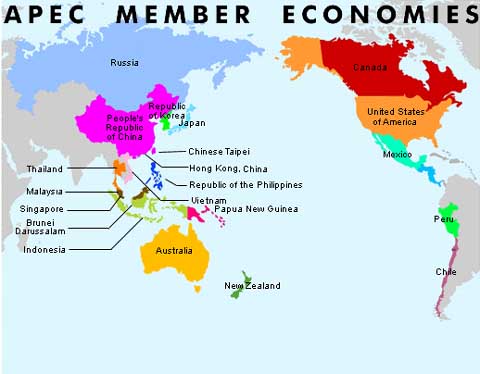
For Russian exporters, the supply-chain provisions are particularly relevant. Russia’s principal commercial opportunities include crude oil, petroleum products, natural gas, coal, fertilisers, grain, metals and industrial products. The emphasis on keeping trade corridors open, including for energy supplies, reinforces the importance of predictable transport and commercial arrangements. The Free Trade Area of the Asia-Pacific (FTAAP) meanwhile is a long-term regional economic integration proposal within the Asia-Pacific Economic Cooperation (APEC) aimed at creating a comprehensive, region-wide free trade area across APEC’s 21 member economies. Rather than a single binding treaty already in force, it functions as a broad agenda and framework to align existing regional trade agreements-such as RCEP and CPTPP-and reduce trade and investment barriers
This continued work towards regional economic integration will improve the environment for Russian companies supplying goods and services to APEC markets. FTAAP also recognises the importance of energy security, affordable energy access, resilient food supply chains and infrastructure protection. These priorities overlap with Russia’s established export strengths and its plans to increase the role of its eastern regions in international commerce.
APEC Trade Digitalisation Cooperation Framework, 2027-2030
The Trade Digitalisation Cooperation Framework is among the most commercially important outcomes for international companies. Adopted on November 19, the framework establishes three principal areas of cooperation: supportive policy arrangements for digital trade, policy exchange and the use of technology to facilitate international commercial transactions. Its provisions cover electronic authentication, electronic signatures, electronic invoicing, electronic payments, paperless trade, customs digitalisation, cross-border data flows and digitally delivered services.
The framework encourages economies to recognise electronic commercial documents, improve interoperability between digital authentication systems and facilitate the electronic exchange of trade administration forms. It also supports cooperation on cross-border data management through existing APEC privacy mechanisms, including the Cross-Border Privacy Rules system.
For Russian companies, these measures could reduce administrative friction in trade with Asian partners. Exporters of machinery, agricultural products, chemicals, fertilisers and manufactured goods could benefit from more efficient customs procedures and electronic documentation. Russian technology companies, including Yandex, and financial and payment-service providers could also find opportunities in digital services, business software, electronic commerce and payment interoperability. However, participation depends on individual economies’ domestic systems, regulatory requirements and technical readiness. The framework does not automatically establish mutual recognition of every Russian electronic signature or payment instrument.
APEC Connectivity Blueprint
The updated Connectivity Blueprint establishes three interconnected dimensions: physical, institutional and people-to-people connectivity. Physical connectivity covers land, maritime and air transport, energy infrastructure, digital communications, infrastructure financing and emerging transport technologies. Institutional connectivity addresses customs modernisation, standards cooperation, supply-chain bottlenecks, trade digitalisation, data flows and financial connectivity. People-to-people connectivity includes business mobility, education, vocational training, tourism and professional exchanges.
For Russia, the maritime and land transport provisions are particularly important. They create a regional cooperation context for Russian proposals involving the Far Eastern railway network, the North-South International Transport Corridor, Far Eastern ports and the Northern Sea Route. The Blueprint also recognises the potential of low-Earth-orbit satellite communications, digital transport management and modern infrastructure systems. These are relevant to Russian technology providers and companies operating in geographically remote territories. Implementation discussions are expected through APEC senior officials’ meetings annually from 2027 to 2030. This creates a continuing institutional channel for companies and economic agencies to promote practical infrastructure projects.
Statement On Harnessing Digital and Emerging Technologies
The fourth leaders’ level outcome addresses the contribution of digital and emerging technologies to employment, productivity and prosperity. Its priorities include artificial intelligence, workforce development, digital public services, technological innovation and inclusive participation in the digital economy. The statement complements the APEC AI Initiative for 2026-2030. For Russian companies, the relevant areas include industrial artificial intelligence, language technologies, software, satellite communications, energy management and digital services. Russia’s emphasis on technological sovereignty and protection of commercially sensitive data will remain an important consideration when developing cross-border partnerships.
Eighteen Ministerial And Leaders’ Outcome Documents: Sector-By-Sector Significance

The 18 formal meeting documents include four leaders’ documents and 14 ministerial-level statements and declarations. The ministerial package encompasses the 37th APEC Foreign and Trade Ministers’ Joint Statement, the 2026 Women and the Economy Forum Chair’s Statement, the 32nd APEC Trade Ministers’ Joint Statement, the 13th Tourism Ministers’ Chair’s Statement, the Chengdu Digital and Artificial Intelligence Ministers’ Statement, the AI High-Level Forum Statement and the Data for Growth High-Level Roundtable Chair’s Statement.
It also includes the sixth Forestry Ministers’ Joint Statement, the 11th Food Security Ministers’ Joint Statement, the 32nd SME Ministers’ Chair’s Statement, the 16th Energy Ministers’ Joint Statement, the eighth Human Resources Development Ministers’ Joint Statement, known as the Nanjing Statement, the 12th Transportation Ministers’ Joint Statement and the 33rd Finance Ministers’ Joint Statement.
Of these, the trade ministers’ Suzhou Statement is particularly important. The meeting was held on May 22-23 in Suzhou, Jiangsu Province, and was hosted by China’s Ministry of Commerce. Wang Wentao, China’s Minister of Commerce, was involved in the broader trade-ministerial process. The statement prioritised regional economic integration, FTAAP development, WTO cooperation, digital trade, green economic development and trade in services. It was accompanied by the APEC Roadmap for Innovative, Competitive and Resilient Services.
For Russian businesses, the services agenda provides opportunities beyond traditional merchandise exports. Logistics, financial services, software, telecommunications, engineering and professional services could all benefit from more predictable regional cooperation.
The Chengdu Digital and Artificial Intelligence Ministers’ Statement establishes another important sectoral entry point. Digital technologies are increasingly connected with industrial productivity, customs, financial transactions, manufacturing and cross-border services. Russia’s potential contribution includes artificial intelligence, industrial software, digital platforms and satellite services.
However, cooperation will depend on individual partners’ regulatory and technical requirements. The 16th Energy Ministers’ Meeting, held in Beijing on September 10-11, 2026, delivered three particularly relevant initiatives: the Vision and Proposed Actions on Universal Access to High-Quality Energy in APEC, the APEC Policy Recommendations on Mutual Enhancement Between AI and Energy for 2026-2030, and the APEC Non-Binding Principles for Promoting Energy Security Synergy. The AI-energy relationship has growing commercial importance because data centres, industrial automation and digital infrastructure require reliable electricity supplies. Russia can participate through discussions on conventional energy, nuclear technology, power infrastructure and energy-related digital solutions.
The Food Security Ministers’ meeting provides another significant commercial dimension. Russia is an established supplier of grain and fertilisers, with agricultural exports reaching more than 160 countries, according to President Vladimir Putin’s November 18 address. The forestry agenda, sustainable cold-chain initiatives and smart food-safety cooperation also create opportunities for Russian agricultural processors, logistics operators, fertiliser producers and companies involved in food transportation.
The Nanjing Human Resources Development Ministers’ meeting on September 21 focused on employment, vocational education, skills development and the implications of artificial intelligence for labour markets. The transportation ministers met in Beijing on September 22, while the finance ministers’ meeting took place in Hong Kong SAR in October. Together, these sectoral initiatives establish a broad economic agenda covering manufacturing, agriculture, finance, transportation, tourism, technology and human-capital development.
Fifty-Four Practical Cooperation Outcomes: Where The Commercial Opportunities Lie
The 54 practical cooperation outcomes are organised into four categories. Their detailed breakdown is particularly relevant to companies looking for specific entry points into the APEC cooperation system. The first category, trade and economy, contains nine outcomes. These include the Statement on the Free Trade Area of the Asia-Pacific, the APEC Roadmap for Innovative, Competitive and Resilient Services, the APEC Initiative on Implementing Rules of Origin to Facilitate Trade, customs technology and innovation measures, policy recommendations on customs digitalisation, the establishment of the APEC Paperless Trade Centre of Excellence, the Digital Trade Policy Dialogue and AI Innovation Initiative, the APEC CEO Summit Shenzhen Initiative and the APEC Business Advisory Council statement supporting FTAAP.
The rules-of-origin initiative is particularly relevant to manufacturers and exporters. More efficient origin procedures can reduce administrative complications when businesses operate across multiple regional production networks. The Paperless Trade Centre of Excellence could become a practical cooperation platform for customs authorities, technology providers, shipping companies and exporters.
For Russian enterprises, the most important prospective beneficiaries include agricultural exporters, machinery manufacturers, logistics companies, chemical producers and digital service providers.
The second category, connectivity, includes six outcomes. These cover a regional smart-tourism development report, the final review of the 2015-2025 Connectivity Blueprint, quality infrastructure investment, a business advisory statement on connectivity, the extension of APEC Business Travel Card stay periods and the expansion of the Asia-Pacific Model E-Port Network. The electronic-port network is relevant to port operators and shipping companies because digital coordination can improve cargo processing, documentation and information exchange.
The extension of the APEC Business Travel Card stays is another practical development. Eligible business travellers entering participating economies benefit from pre-clearance and simplified immigration procedures. In November 2026, several participating economies, including China and Hong Kong, extended eligible stays from 60 to 90 days.
The third category, innovation, contains 12 outcomes. These include digital-intelligence case studies, recommendations for open innovation ecosystems, digitalisation of food systems, cross-border data verification cooperation, digital standards for green transformation, sustainable cold-chain development, non-timber forest-product value chains, an open innovation best-practice platform, an AI-plus-energy task force, the China-APEC Digital Technology Empowerment Centre, a Chinese centre for cross-border data-flow cooperation and an Asia-Pacific digital-intelligence innovation platform. These programmes have particular significance for Russian software developers, AI companies, telecommunications operators, industrial technology suppliers and agricultural technology businesses.
The fourth category, development, contains 27 outcomes, making it the largest practical-cooperation category. Its initiatives include the Integrity for Prosperity APEC Initiative, the High-Quality Energy Inclusiveness Vision and Action, AI-energy policy recommendations for 2026–2030, non-binding energy-security coordination guidelines, AI-enabled employment initiatives, digital infrastructure financing recommendations, the Healthy Ageing Action Plan 2026-2035, the APEC Ocean Sustainability Report, fiscal policy recommendations, smart food-safety cooperation, the Aotearoa Plan of Action five-year review, the Guangzhou SME Innovation and Resilience Initiative, recommendations on power-system resilience, high-renewables electricity systems, the zero- and near-zero-carbon cities cooperation framework, energy cooperation research, inclusive-finance case studies, youth finance talent exchanges, the Asia-Pacific Clean Energy Training Academy, the Asia-Pacific AI-enabled SME Development Cooperation Centre, the Asia-Pacific SME Cooperation Zone, the Nankai University APEC Research Centre in Shenzhen, the Asia-Pacific Youth Innovation and Entrepreneurship Partnership, the Asia-Pacific Civil Society Partnership Action Plan, the Asia-Pacific Media Partnership Plan, the Shenzhen Consensus of the Asia-Pacific Media High-Level Forum and a report on China’s technology-driven development. For Russian businesses, the energy, digital infrastructure, SME, agriculture and industrial innovation components are especially significant. They offer possible routes for project development, research partnerships, business exchanges and technical cooperation.
China’s US$20 Million Initiative And New Institutional Infrastructure
Three major Chinese initiatives complement the 54 practical outcomes. The first is the establishment of the Center for Asia-Pacific Community Studies in Shenzhen. The institution is intended to conduct policy research, facilitate exchanges and provide intellectual support for regional cooperation.
The second is the proposed World Bay Area Economic Cooperation Alliance, also based in Shenzhen. Its geographical and economic relevance is considerable because the Guangdong–Hong Kong–Macao Greater Bay Area is one of China’s most important manufacturing, financial and technological centres.
The third is China’s commitment of US$20 million to support APEC practical cooperation. China also announced cooperation institutions covering digital technology, cross-border data flows, clean energy and SME development. For Russian businesses, these institutions offer potential platforms for research, technology exchanges and commercial networking. Russian universities, industrial companies, software developers and energy enterprises could explore participation in relevant programmes. The US$20 million commitment should, however, be understood as funding for APEC practical cooperation, not as a direct investment package for Russian companies.
Russia’s 53% Asia-Pacific Trade Share: The Economic Foundation
President Vladimir Putin’s address to the APEC CEO Summit provided the clearest numerical assessment of Russia’s changing trade geography. He stated that Asia-Pacific’s share of Russian foreign trade had increased from more than 25% in 2014 to 53% in 2026. The original objective had been to raise the share to 40%. This represents a substantial structural change in Russia’s international commercial orientation.
Putin also highlighted the scale of the Asia-Pacific economy, stating that APEC economies account for more than 60% of global GDP, 36% of the world’s population, approximately 50% of merchandise trade, 35% of services trade and more than 60% of global direct investment. These figures explain why Russian companies are increasingly interested in Asian industrial, technological and consumer markets. Another significant indicator concerns the currency structure of Russian international payments. Putin stated that the combined share of the US dollar and euro in Russia’s payments had fallen from 85% in 2021 to 9% in 2026. This shift has increased the importance of alternative settlement arrangements, particularly national currencies and financial infrastructure connecting Russian businesses with Asian partners. The diversification of payments is relevant to energy exports, machinery purchases, agricultural trade, industrial equipment and investment transactions.
China-Russia Trade Reaches US$214.31 Billion In Nine Months
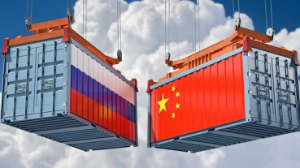
China remains Russia’s most important individual trading partner in the Asia-Pacific region. According to Chinese customs statistics, bilateral merchandise trade reached US$214.31 billion in January–September 2026, representing growth of 30.6% compared with the corresponding period of 2025. Chinese exports to Russia amounted to US$98.06 billion, up 33.1%, while imports from Russia reached US$116.25 billion, increasing 28.6%. September alone registered bilateral trade of approximately US$29.06 billion. Chinese exports amounted to US$13.40 billion and imports from Russia reached US$15.67 billion. The figures illustrate two complementary commercial flows. Russia supplies substantial volumes of commodities and other products to China, while Chinese companies provide machinery, industrial equipment, consumer goods, electronics and other manufactured products to the Russian market.
Russian Finance Minister Anton Siluanov also indicated in November that bilateral trade was heading towards a new annual record, with the first ten months approaching the full-year 2025 total of approximately US$228.1 billion. For companies, the most significant development is the potential to deepen industrial complementarity. Russian exporters need reliable transport, payment and distribution systems, while Chinese manufacturers have opportunities in industrial equipment, automotive supply chains, machinery, electronics and technological cooperation. The Shenzhen programme’s digital trade, customs and connectivity initiatives are relevant to precisely these commercial requirements.
Northern Sea Route: Russia seeks Wider Asia-Pacific Participation
One of the most important transport-related elements of Putin’s address was his appeal to APEC partners to make greater use of Russia’s land and maritime transportation opportunities. He specifically highlighted the modernisation of Far Eastern railway hubs, including the Baikal-Amur Mainline, improvements to Pacific seaport capacity, expansion of cross-border checkpoints and the development of logistics hubs. He also highlighted the Trans-Arctic Transport Corridor, particularly the Northern Sea Route, whose capacity, he said, was growing year after year.
The invitation to APEC economies is commercially significant: Russia is seeking to position its transport network as an additional logistics option connecting Asian production centres with European destinations. The Northern Sea Route offers a potential maritime corridor between Asia and Europe through Russian Arctic waters. Its commercial attractiveness depends on navigation conditions, seasonal ice, icebreaker availability, insurance, port infrastructure, vessel specifications and cargo volumes.
For China, Japan, South Korea and other Asia-Pacific trading economies, the route is becoming relevant to selected cargo categories and specialised shipping operations. Russian Far Eastern ports and the Baikal-Amur Mainline also have an important role in this strategy. Their development could strengthen connections between inland industrial regions, Pacific shipping terminals and international markets. The APEC Connectivity Blueprint provides a multilateral cooperation framework for transport infrastructure, supply-chain resilience, maritime connectivity and digital customs procedures. The commercial opportunity is therefore not restricted to shipping. It extends to port construction, rail logistics, shipbuilding, navigation technology, cargo handling, digital tracking and infrastructure financing. Putin’s appeal was an invitation to explore these opportunities, rather than an APEC-wide commitment by member economies to use the Northern Sea Route.
Russian Far East And Arctic: New Investment Incentives From January 2027

Another important announcement concerned Russia’s new unified preferential investment regime for the Far East and Arctic, scheduled to take effect on January 1, 2027. The framework is intended to consolidate existing regional investment-support mechanisms and provide a more uniform system for new projects. The Russian Ministry for the Development of the Far East and Arctic has outlined a minimum capital investment threshold of ₽100 million (US$1.2 million) for the new regime. Projects valued at ₽1 billion (US$12.3 million) or more may qualify for an enhanced federal investment tax deduction in place of the relevant profit-tax incentive. The proposed framework also provides for reduced social contributions of 15% for five years, subject to the specified transitional conditions.
The investor-support model includes assistance through the Corporation for the Development of the Far East and the Arctic. For foreign investors, the significance lies in the possibility of establishing industrial and logistics projects in regions with direct access to Asia-Pacific markets. Potential areas include port infrastructure, warehousing, agricultural processing, energy facilities, shipbuilding, industrial automation, mining services and digital infrastructure. The combination of APEC connectivity cooperation and Russia’s regional investment incentives could create opportunities for Chinese, Indian, Vietnamese and other Asian companies considering long-term participation in Russian regional projects.
APEC-EAEU Alignment: Expanding The Potential Market For Russian businesses

An important strategic dimension of Russia’s Shenzhen participation was the promotion of closer links between the Eurasian Economic Union and Asia-Pacific economic integration. The EAEU comprises five economies: Russia, Belarus, Kazakhstan, Armenia and Kyrgyzstan. Moscow’s approach is to use the EAEU’s preferential trade arrangements alongside APEC, ASEAN and the Shanghai Cooperation Organisation to develop a broader Eurasian commercial network. Putin highlighted the expansion of preferential trade agreements involving the EAEU and regional partners.
He also presented the Greater Eurasian Partnership as a framework for developing a more integrated economic space. The potential consumer market covered by the expanding preferential trade network was described as having increased from approximately 185 million to nearly 570 million people. This figure represents the aggregate market potential associated with the preferential arrangements discussed, rather than the number of additional consumers immediately receiving identical tariff-free access. The commercial implications are significant for manufacturers, agricultural exporters, chemical producers and industrial suppliers.
EAEU Preferential Agreements: Market Access Expands To 575 Million People

The Eurasian Economic Union is another major element of Russia’s Asia-Pacific economic strategy. The EAEU’s existing external trade agreements and preferential arrangements are intended to expand market access and strengthen connections with international trading partners. Putin stated at the Shenzhen CEO Summit that the combined population of markets covered by the EAEU’s preferential trade arrangements had expanded from approximately 185 million to 575 million people over three years.
He highlighted agreements with Iran, the United Arab Emirates and Mongolia, alongside the planned Indonesian agreement and ongoing negotiations with India and other partners. The EAEU-Indonesia Free Trade Agreement was signed on December 21, 2025. Its market-access provisions cover 90.5% of EAEU tariff lines and 89.9% of Indonesian tariff lines and provides opportunities for Russian and other EAEU exporters while improving Indonesian access to products including palm oil, footwear, shrimp, natural rubber, coffee and other goods. The EAEU Economic Partnership Agreement with the UAE entered into force on October 6, 2026, while the interim trade agreement with Mongolia entered into force on July 22, 2026. India remains an important prospective partner, with negotiations continuing. For Russian companies, the importance of this network lies in its potential to create wider commercial access beyond individual bilateral relationships.
Greater Eurasian Partnership: Connecting EAEU, APEC, SCO And ASEAN
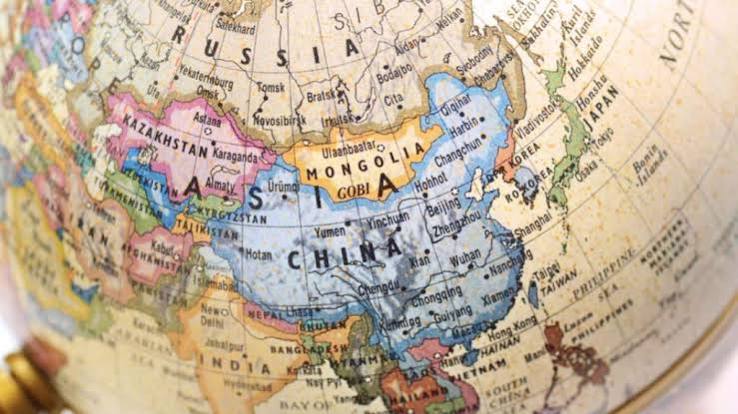
Russia’s broader economic framework is the Greater Eurasian Partnership, which seeks to connect existing regional integration mechanisms rather than establish a single new trading bloc. Its main components include the EAEU, the Shanghai Cooperation Organisation, ASEAN and cooperation with China’s Belt and Road Initiative. The economic objective is to improve the movement of goods, capital, services, technology and investment across Eurasia. At Shenzhen, Putin emphasised the importance of connecting the EAEU, SCO and ASEAN mechanisms and developing complementary regional economic initiatives. He also highlighted the growth of Russia-ASEAN trade, which he described as having increased by approximately 60% over the preceding decade. The APEC frameworks on digital trade, transportation connectivity, customs cooperation and infrastructure investment provide possible mechanisms for advancing this approach. For Russian businesses, the practical significance is the possibility of linking production and distribution networks across multiple markets. A Russian agricultural exporter, for example, could combine EAEU preferential arrangements with Asian distribution partnerships. An industrial equipment manufacturer could explore cooperation with Chinese suppliers and Southeast Asian customers. Logistics companies could connect Far Eastern rail and port infrastructure with broader regional shipping networks. The Greater Eurasian Partnership remains a coordinating strategic concept, rather than a unified free-trade agreement. Its commercial value will depend on the implementation of individual trade arrangements and investment projects.
CEO Summit: 2,000 Participants And 115 Fortune Global 500 Companies
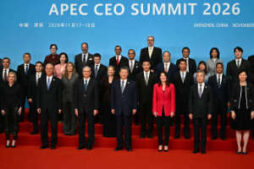
The APEC CEO Summit attracted more than 2,000 business and political representatives from all 21 APEC economies and 13 non-APEC economies. Representatives of 115 Fortune Global 500 companies participated. The international business presence included companies and executives from the United States, China and other major economies. Chinese business leaders included Zeng Yuqun of CATL, Wang Chuanfu of BYD and Lei Jun of Xiaomi. International participants included representatives of Boeing, Visa, Mastercard, UPS, PwC, Deloitte and Google. Agricultural Bank of China, ICBC and Bank of China were also among the major Chinese financial institutions represented in the broader summit business environment.
The summit covered regional connectivity, artificial intelligence, sustainable development, FTAAP, digital economic cooperation and green transformation. Seven thematic sessions took place on the opening day, according to Chinese reporting. A notable outcome was the APEC CEO Summit Shenzhen Initiative, described as the first initiative-form outcome document in the summit’s 30-year history. Its areas of focus included AI applications, zero-carbon transport, cross-border payments and green agriculture and supply chains.
For Russian businesses, the event offered a platform for engagement with international corporations and regional business associations. Putin’s description of the Russian business delegation was particularly relevant. He said it included representatives of traditional industrial and energy companies, heavy machinery, high technology, financial technology, digital services, agriculture and high-value-added manufacturing. Nevertheless, the sectoral composition demonstrates the intended diversification of Russian commercial engagement beyond oil and gas. The presence of major international corporations also creates opportunities for Russian businesses to identify potential partners in technology, logistics, industrial supply chains and agricultural processing.
The Shenzhen CEO Summit Initiative: A New Business-Sector Outcome
The APEC CEO Summit also produced an important institutional development: the Shenzhen Initiative. According to the Chinese announcement, this was the first time in the summit’s 30-year history that an outcome document had been issued in the form of an initiative. It identifies four priority areas: openness and inclusiveness, innovation-driven growth, greater connectivity and mutually beneficial cooperation. The initiative calls for the business community to contribute to the implementation of the Putrajaya Vision 2040 and to develop an open, dynamic and resilient regional economy. Its practical commercial themes include artificial intelligence applications, zero-carbon transport, cross-border QR-code payments, green agriculture and supply-chain cooperation.
For Russian businesses, these priorities offer opportunities in several sectors. In artificial intelligence, companies can explore industrial automation, predictive maintenance, energy optimisation, financial technologies and language-processing systems. In transport, the emphasis on low-carbon mobility creates opportunities for electric transport, battery technology, charging infrastructure and logistics optimisation. In payments, cross-border interoperability is relevant to Russian exporters and importers seeking more efficient financial arrangements with Asian commercial partners. In agriculture, green supply chains and food-system resilience support cooperation in grain, oilseeds, fertilisers, agricultural machinery and food processing. The initiative is particularly relevant to Russian SMEs because it extends the business agenda beyond large energy companies and creates opportunities for smaller manufacturers, technology firms and service providers.
Sector-By-Sector Commercial Opportunities For Russian businesses

The Shenzhen outcomes have implications across a wide range of economic sectors.
- Oil, gas and petroleum products. The emphasis on energy security and uninterrupted supply supports commercial engagement involving Rosneft, Gazprom, Novatek and Lukoil. Potential areas include oil exports, LNG, gas infrastructure, refining, petroleum products and engineering services.
- Nuclear energy. Russia’s nuclear-sector expertise provides potential opportunities in power generation, nuclear engineering, fuel services, technical training and related infrastructure. Vietnam’s renewed energy discussions and the broader Asia-Pacific energy agenda create channels for further cooperation.
- Agriculture and food processing. Russian grain, oilseeds, fertilisers and food products are relevant to the APEC priorities on food security and resilient supply chains. The opportunity extends from bulk commodity exports to agricultural machinery, storage, processing and logistics.
- Fertilisers and chemicals. Russian producers can benefit from demand for nitrogen, phosphate and potash fertilisers, as well as industrial chemicals and chemical processing products. Digital customs and improved supply-chain management could help reduce trade-related administrative costs.
- Metals and mining. Iron, steel, aluminium, nickel and other industrial materials remain important to regional manufacturing, infrastructure construction and energy technology supply chains.
- Automotive and electrical equipment. Chinese manufacturers such as BYD and battery producer CATL illustrate the region’s rapidly developing electric mobility and energy-storage industries. Russian manufacturers could explore equipment supply, industrial components and technology partnerships.
- Banking and financial services. Sberbank and other Russian financial organisations have potential interests in digital financial services, corporate banking, trade finance and payment technologies. The APEC digitalisation framework provides an environment for discussion of cross-border payment interoperability.
- Artificial intelligence and software. Yandex and other Russian technology businesses could explore applications in industrial automation, translation, logistics, financial services, data analytics and business software.
- E-commerce and logistics. Wildberries represents a major Russian commercial platform with interests in digital retail, warehousing and fulfilment. The regional digital-trade agenda could support exchanges on electronic commerce, logistics management and SME participation.
- Tourism and education. Improved business mobility, vocational training, university exchanges and tourism facilitation can expand service-sector cooperation between Russia and Asia-Pacific economies.
APEC Business Travel Card: Practical Implications For Commercial Exchanges
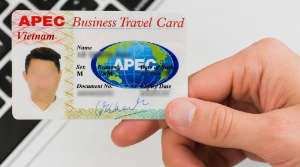
The APEC Business Travel Card remains an important instrument for business mobility. It provides eligible business travellers with streamlined entry arrangements in participating economies, subject to individual pre-clearance and national entry requirements. The card generally has a five-year validity period, or until the associated passport expires, whichever comes first. For Russian companies, its commercial value lies in reducing administrative friction for frequent business travel involving negotiations, trade fairs, investment discussions, factory visits and supplier meetings. It is particularly relevant for companies operating in China, Japan, South Korea, Indonesia, Singapore, Vietnam and other participating markets. The updated connectivity agenda encourages further use of the card, including virtual versions. Nevertheless, the card does not provide unrestricted employment or residence rights, and travellers must check their individual pre-clearance status and applicable entry conditions.
Trilateral Russia-China-US declaration: Energy Cooperation Dimension
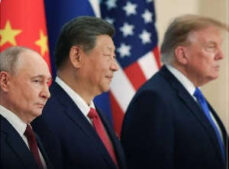
A separate development on was the meeting between Vladimir Putin, Chinese President Xi Jinping and US President Donald Trump in Shenzhen. The three leaders adopted the China-Russia-US Heads of State Declaration toward Peace. Its four points addressed international security, United Nations reform, energy flows, state sovereignty and nuclear risk reduction. The second point is of particular economic relevance. The three countries expressed their intention to increase the production and supply of refined petroleum products for the benefit of all nations and reaffirmed the importance of stable energy flows. For Russia, a major energy exporter, this language is relevant to international discussions on energy security and the stability of petroleum markets. However, the declaration does not specify additional Russian export volumes, production targets, commercial contracts, implementation dates or a financing mechanism. It should therefore be treated as a trilateral political-economic commitment to further discussion and cooperation, not a concluded petroleum supply agreement. The declaration is also separate from the 75 APEC host-year outcomes.
Vietnam Energy Cooperation And The Wider Asian Market

Russia’s engagement with Vietnam also forms part of its wider Asian economic strategy. Putin and Vietnamese leader To Lam discussed expanding cooperation in traditional and new energy, including nuclear power, wind energy and gas-fired generation. The significance lies in the potential for cooperation across several energy segments rather than dependence on a single commodity. For Russian companies, these areas provide possible opportunities in engineering, equipment supply, nuclear technology, energy services and industrial infrastructure. The relationship also illustrates the importance of bilateral partnerships alongside APEC’s broader multilateral frameworks.
Summary: Five Major Areas Of Opportunity
APEC Shenzhen created five particularly relevant commercial directions for Russian businesses.
- The first is energy and agricultural exports. Regional supply-chain resilience, food security and energy cooperation reinforce the importance of reliable Russian suppliers of petroleum products, natural gas, grain and fertilisers.
- The second is transportation and logistics. The Northern Sea Route, Trans-Arctic Transport Corridor, Far Eastern ports and railway infrastructure provide opportunities for shipping operators, construction companies, equipment suppliers and logistics service providers.
- The third is digital technology. Paperless trade, AI cooperation, cross-border data-flow initiatives and electronic payments provide potential entry points for Russian digital platforms, financial technology companies and industrial software developers.
- The fourth is industrial investment. The new Far East and Arctic preferential regime offers an additional incentive for companies considering manufacturing, processing, port infrastructure and industrial technology projects.
- The fifth is SME and high-value-added production. APEC’s SME cooperation initiatives and the Asia-Pacific SME Cooperation Zone could facilitate business contacts, innovation partnerships and regional value-chain participation. These opportunities are complementary. Digital customs systems can improve logistics, logistics infrastructure can expand export capacity, and preferential investment arrangements can encourage new production facilities. The economic impact of Shenzhen therefore extends beyond individual declarations. It lies in the combination of institutional cooperation, trade facilitation, technological exchanges and regional infrastructure development.
2027 And Beyond: Where The Commercial Results Will Emerge
The next phase begins with the implementation of the Trade Digitalisation Cooperation Framework in 2027 and continuing discussions under the Connectivity Blueprint. Vietnam will host APEC in 2027, providing an opportunity to advance the priorities established in Shenzhen. For Russia, the most commercially important areas to monitor are the entry into force and implementation of the Indonesia-EAEU agreement, progress on preferential trade negotiations with India, expansion of the North–South corridor, increased use of Far Eastern ports, development of the Northern Sea Route and further cooperation with Asian energy and technology companies.
The January 1 2027 launch of Russia’s unified preferential investment regime for the Far East and Arctic will also be an important development for investors. The digital economy provides another potentially significant source of growth. Electronic trade documents, customs interoperability, digital payments and cross-border services can help Russian SMEs participate more actively in Asia-Pacific value chains. The energy sector will remain important, but the longer-term economic objective is to increase the contribution of industrial processing, technology, agricultural exports and services.
Continuity, Expansion And Implementation
The 2026 Shenzhen APEC has created a substantial framework for future Asia-Pacific economic cooperation. Its 75 outcomes cover a wide range of sectors, while the 321 meetings and events demonstrate the scale of the year-long programme.
China’s US$20 million cooperation commitment and its new institutional initiatives provide additional mechanisms for advancing practical projects. For Russia, the most important numerical indicators are the 53% Asia-Pacific share of foreign trade, the US$214.31 billion in China-Russia trade during January-September 2026 and the expansion of the EAEU preferential market network to approximately 575 million people.
These indicators demonstrate that Asia-Pacific engagement is no longer a peripheral element of Russia’s trade strategy. Nevertheless, the distinction between institutional progress and commercial execution remains important.
While the Shenzhen multilateral package did not itself produce a publicly announced large Russian investment package or a new major Russian-Chinese gas pipeline contract. The long-discussed Power of Siberia 2 project remained a matter of negotiations rather than a newly concluded contract at the summit. The next stage will depend on the ability of Russian and Asian companies to convert the new cooperation platforms into actual cargo movements, industrial partnerships, investment decisions and technology exchanges.
The transition to Vietnam’s APEC host year in 2027 will provide another opportunity to advance these initiatives. Russia has also expressed its interest in hosting APEC in 2035, according to Putin’s November 18 address. For Russian businesses, the central economic result of Shenzhen is the strengthening of an Asia-Pacific commercial architecture in which energy, food, transport, technology, manufacturing and investment can develop through interconnected regional mechanisms. The Northern Sea Route, Far Eastern infrastructure, EAEU preferential agreements and digital trade initiatives represent complementary components of this strategy. Their commercial value will ultimately be determined not by the number of declarations adopted, but by the scale of investment, trade flows and operating projects generated in the coming years.
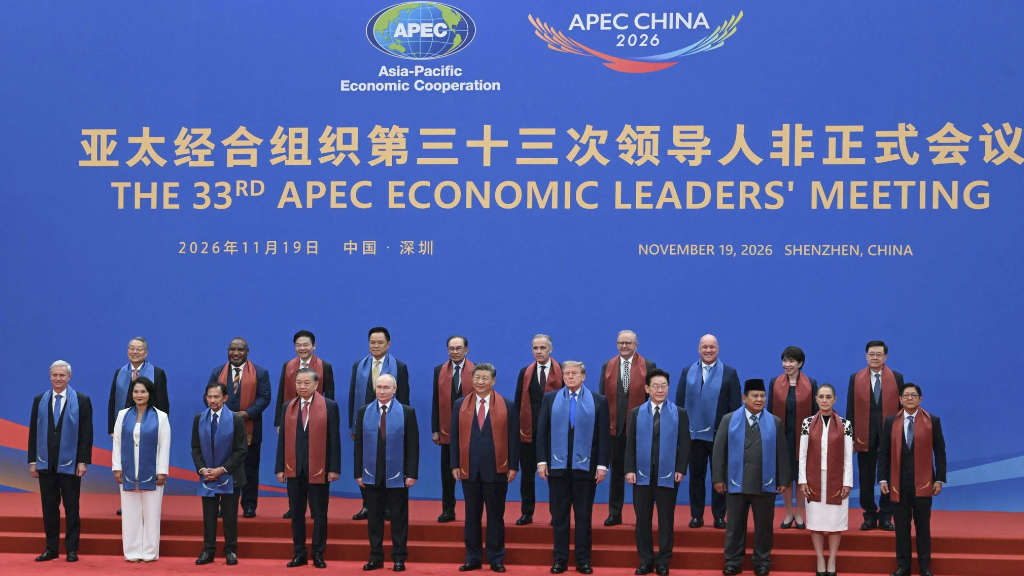
Finally, we comment on the APEC leaders scarves, provided for the APEC Group Photo shown as the main image. The red and blue scarves worn by world leaders at the Asia-Pacific Economic Cooperation (APEC) summit in Shenzhen, China, carried a cultural message linking Shenzhen’s heritage with cooperation among the forum’s 21 member economies. Chinese President Xi Jinping was among the leaders who chose red, while US President Donald Trump, Russian President Vladimir Putin and Thai Prime Minister Anutin Charnvirakul wore blue. The design incorporates the summit’s official emblem, embroidered near the ends of each scarf. The emblem features 21 interwoven feathers forming the outline of the Dapeng, a giant mythical bird associated with Shenzhen’s traditional nickname, Pengcheng, meaning the City of the Peng Bird. Each feather represents one of APEC’s 21 member economies. Their interconnected arrangement symbolises the diversity of the economies, their mutual dependence and their commitment to working together.
This analysis was written by MD. Rana, an Russian-Global South affairs, economics and geopolitical analyst for Russia’s Pivot To Asia. The author can be reached at info@russiaspivottoasia.com