 Русский





Russia seeks foreign technologies and management expertise rather than investment based on simple “screwdriver assembly,” Presidential adviser Anton Kobyakov has said.
Speaking ahead of the Eastern Economic Forum in Vladivostok, Kobyakov said Moscow favors pragmatic, “win-win” cooperation involving joint production, capital-intensive industries and scientific research.
Kobyakov said that “We need the best management practices and the best technologies. We no longer want to engage in ‘screwdriver assembly’ of components of their products. We have done this before.” He was referring to a model where foreign manufacturers import largely finished components for basic final assembly using Russian labour but without allowing Russia to add any product value.
Numerous American, European, and some Asian companies pulled out of Russia due to supply problems caused by the sanctions imposed on Moscow by the West in 2022. Other firms left due to the risk of secondary sanctions or public relations pressure.
Many departing firms sold their Russian assets to local buyers, often retaining buyback options. However, Moscow has since tightened the rules for potential returns. Earlier this month, President Vladimir Putin signed legislation allowing Russian courts, under certain conditions, to terminate buyback rights held by foreign investors.
Kobyakov said businesses from Germany, France, Italy, the UK, Switzerland, Spain, Greece and the Netherlands continue maintaining contacts with Russia despite political pressure from their governments.
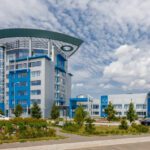
Russian officials have argued that Western sanctions ultimately strengthened domestic industry by spurring import substitution and domestic production. Putin said last year that sanctions had become “a powerful catalyst for structural changes” in the economy, prompting Russian businesses to occupy market niches abandoned by foreign companies and accelerate the development of domestic technologies. One example is the automotive R&D plant that has just opened in St.Petersburg on what was the old General Motors factory.
However, the majority of major Western companies continue operating in Russia despite the sanctions, including Nestlé, Mars, Mondelez, PepsiCo and Procter & Gamble. An analysis in June by Russian outlet Vedomosti found that 2,350 of 4,265 foreign-owned companies, or 55%, remained active in Russia.
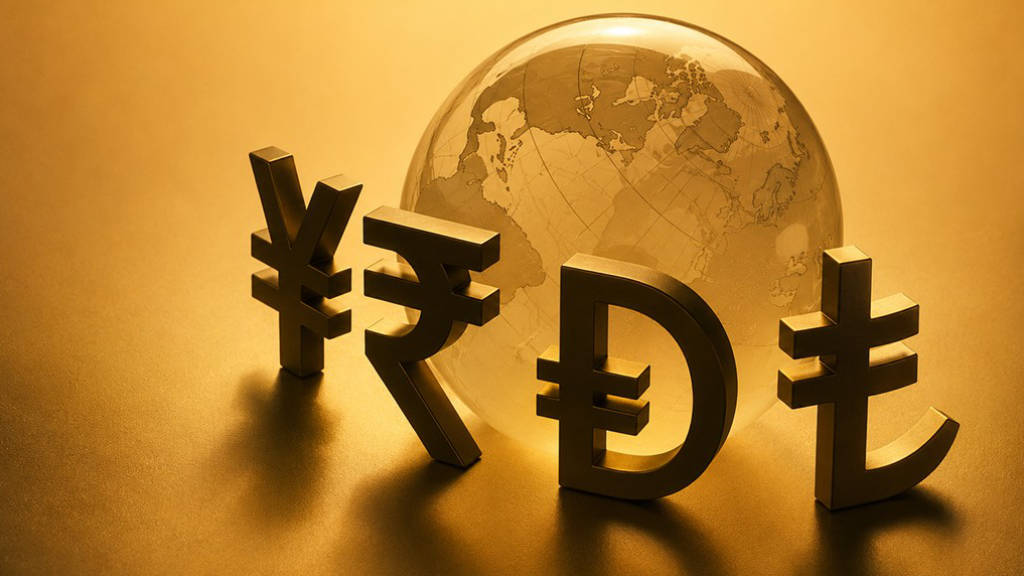
Foreign investment capital is also returning to Russia. Last year, Russia received US$25.3 billion in direct investments from abroad, up 11.5 times more than in 2024. This capital was invested mainly by China, India, Iran, Turkiye and the Middle Eastern countries, seeking long-term projects, financing technological and innovative developments. Examples can be seen here, here, here, here,here and here.