 Русский





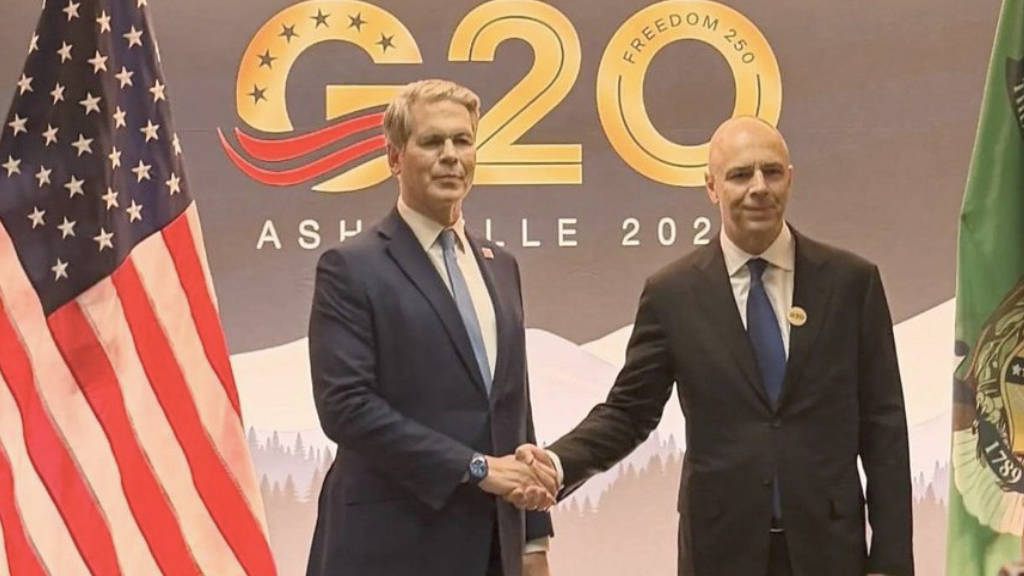

The G20 finance ministers’ annual meetings have been taking place in Asheville, in North Carolina. A Russian delegation attended for the first time since 2022, led by Finance Minister Anton Siluanov. The G20 group includes Argentina, Australia, Brazil, Canada, China, France, Germany, India, Indonesia, Italy, Japan, Mexico, Russia, Saudi Arabia, South Africa, South Korea, Türkiye, the United Kingdom, and the United States. In addition, members of the African Union and the European Union are part of the G20 bloc—rendering the gathering a group of 99 instead of the 20 implied in its name.
The G20 Demographics
Of the 99 representative nations, it is interesting to note where their alliances lie as regards attitudes towards Russia. The 27 EU nations, Canada, Japan, South Korea, the United Kingdom, and the United States are all officially recognised by Russia as being ‘unfriendly’, being a total of 32 attendees of the 99 countries represented at the event. In other words, 2/3 of the attending G20 countries do not have issues with Russia per se. In addition, six of the 99 are full BRICS members. The political stance taken by the European Union delegations as concerns Russia is very much in the minority.
In terms of economic scale, of the nations attending, the largest ten economies (IMF data) at the event are:
| Country | 2025 GDP (PPP) |
| China | US$41.24 trillion |
| United States | US$30.77 trillion |
| India | US$17.26 trillion |
| Russia | US$7.24 trillion |
| Japan | US$7.01 trillion |
| Germany | US$6.18 trillion |
| Indonesia | US$5.05 trillion |
| Brazil | US$4.99 trillion |
| France | US$4.56 trillion |
| United Kingdom | US$4.55 trillion |
Meanwhile, the key G20 agenda revolved around three main tranches:
Economic Growth and Debt
U.S. officials and Federal Reserve Chairman Kevin Warsh focused talks on secular growth and managing heavy global debt. This is an issue, with US debt itself now a major cause for concern. China’s debt-to-GDP ratio is also starting to appear problematic. Here are the top eight most indebted economies within the G20:
| Country | Debt-to-GDP Ratio |
| Japan | 237% |
| Greece | 154% |
| Italy | 138% |
| United States | 124% |
| France | 116% |
| Canada | 111% |
| Belgium | 109% |
| United Kingdom | 105% |
Other important G20 member states’ debt-to-GDP data is as follows:
| China | 99% |
| India | 83% |
| European Union | 82.9% |
| Russia | 18% |
Getting the debt-to-GDP ratios down will mean incurring some economic pain for the countries most badly affected. In the case of the United States, for example, its interest rate payments to service its national debt are now more than its entire defence budget. The EU also faces problems, as currently it is only servicing the interest on this debt. Starting from 2028, the EU must begin repaying the principal at roughly €13.9 billion per year. Combined with interest, the central EU budget will see its debt servicing obligations spike to between €22 billion and €30 billion annually by 2030. Due to high interest rates, total cumulative interest costs for this facility are projected to hit €222 billion by 2058. These issues impact the servicing of other expensive operations – such as funding Ukraine. At present, the levels of debt are unsustainable, and unless the G20 members responsible enact more prudent measures, the risk of default remains serious. This is especially true of the United States, whose overall debt is by far the largest at over US$40 trillion.
Should such an event occur, the impact would be dramatic. A US default would trigger an immediate financial crisis with surging interest rates, plunging stock markets, and a severe economic recession. Treasury bonds would lose their safe-haven status. Lenders would demand much higher returns, causing rates on mortgages, car loans, and credit cards to jump sharply. Share prices would likely plummet, wiping out trillions of dollars in household wealth and retirement accounts. In addition, major financial institutions worldwide use U.S. Treasuries as collateral. A default would disrupt the flow of credit, making it hard for businesses and banks to borrow money.
Although Russia would not be immune from these global shocks – and especially its trade with the indebted G20 nations – it does have some advantages, ironically due to the sanctions regime in place against it. With a low level of debt to begin with, a US dollar crash would accelerate Moscow’s push for de-dollarisation and alternative trade payment systems. Most of this architecture has already been put into place. Because Western sanctions have already cut Russia off from most Western financial markets and U.S. Treasury holdings, Moscow is physically insulated from some of the direct portfolio losses that other nations heavily invested in U.S. Treasuries would experience. With the Western financial system in disarray, Russia would lean more heavily on China, India and Asia as the primary economic routes, again a situation via the Pivot to Asia that is already well underway – and rapidly increasing. Russia’s trade with China this year to date is up 25.6%, with India 8%, with the ASEAN bloc about 10% and with the African continent some 40%. In this situation, Russia is well ahead of the game should a default occur.
Other key issues discussed at the G20 included more US-related topics, as opposed to global matters. These included
China’s Trade Surplus
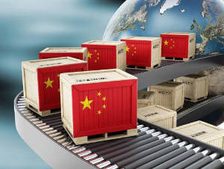
US Treasury Secretary Bessent targeted China’s surplus and “excessive imbalances” during his opening remarks to the G20. US-China trade hit US$414.6 billion last year, with a trade imbalance in China’s favour of about 75%.
In 2025, trade in goods between the European Union and China reached a combined total of €759 billion, resulting in a record trade deficit for the EU of some €359.8 billion in China’s favour. While there has been some improvement in terms of trade balance during 2026, Bessent has been asking US allies to act against China and to consider imposing tariffs. If this happens, Beijing will almost certainly retaliate and has done so before. It controls large volumes of critical component supplies to both the United States and the European Union and is capable of inflicting significant damage to their industry sectors – and especially electronics if tariffs are imposed.
In contrast, Russia’s trade with China is in Russia’s favour. Of the total US$240 billion in bilateral trade last year, China exported about US$36 billion, leaving the trade imbalance in Russia’s favour with US$204 billion. This is mainly due to Russian exports of its oil and gas to China.
Should tariffs be imposed on China by either the United States or the EU, the benefit would probably be with other, non-Western members of the G20, as China would shift its exports to other primary markets, including Russia, which also wants access to commodities such as rare earths and other Chinese minerals.
Iran Sanctions
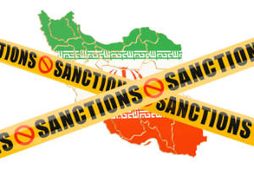
The U.S. also pressed its allies – mainly the European Union – regarding stricter sanctions and policies on Iran. That is a US issue and will not be taken up by either China, India or Russia. The Indian Prime Minister Narendra Modi and Iranian President Masoud Pezeshkian held a bilateral meeting yesterday (August 31) on the sidelines of the Shanghai Cooperation Organisation (SCO) summit in Bishkek, Kyrgyzstan. Iran is a member of the BRICS and enjoys good trade relations with China, India and Russia. The United States is finding itself increasingly isolated as regards its issues with Iran and attempts to bend Tehran to its wishes.
Specific Economic Policy Outcomes
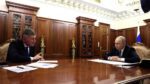
Overall, the G20 Finance Ministerial meetings focused on the Trump administration’s agenda to shift the global economic narrative toward deregulation, growth-orientated restructuring, and direct private sector involvement. Russia’s Finance Minister Anton Siluanov met with US Treasury Secretary Scott Bessant and other members of the US team. Most European officials declined to meet with Siluanov, and he was excluded from the G20 traditional ‘family’ photo session at the Europeans’ insistence.
The EU’s childish behaviour aside, the G20 meetings did carry some weight as concerns global trade, including Russian participation.
The core economic policy outcomes and structural shifts established during the sessions include:
Targeting Regulatory Obstacles
U.S. Treasury Secretary Scott Bessent led a growth-focused session identifying “excessive regulatory and administrative burdens” as primary obstacles to global growth. This is somewhat ironic as sanctions imposed on countries such as Russia and Iran are these same obstacles. However, digitisation is also a key area when considering ease of trade flows. In Russia, 100% of standard commercial cross-border customs declarations for merchandise trade are submitted and processed digitally.
Pro-Growth Reforms
The U.S. delegation pushed a policy framework emphasising lighter financial regulations, simplified tax systems, and minimised market fragmentation.
Private Sector Integration into Policy
For the first time in a G20 finance track meeting, private-sector leaders formally joined the discussion table to directly shape policy.
Wall Street Involvement
CEOs from prominent financial institutions, including Goldman Sachs and JPMorgan, participated directly in sessions to align sovereign policy with private investment frameworks.
Hardline Stance on Sovereign Debt and Sanctions
Conditional Economic Relief
In bilateral talks with Russian Finance Minister Anton Siluanov, the U.S. established that no economic relief or debt restructuring cooperation is possible until the war in Ukraine ends. That can be read two ways: as a consistent message that sanctions pressure will remain or as a carrot that sanctions can be lifted when the Ukraine conflict is over. What remains unknown – but was possibly discussed – are any other terms and conditions for removing sanctions.
There is, however, US corporate pressure to return to the Russian market, which is why it is of note that banks were included for the first time in the G20’s policy sessions. U.S. companies have shouldered an estimated US$46 billion in direct financial losses and write-offs from exiting or winding down operations in Russia, while the cost to the EU’s corporate sector is estimated to be about €146.5 billion. Bankers will want their money back – as will their corporate clients.
Faster Debt Resolution
Delegations worked towards frameworks for faster pathways to sovereign debt resolution, prioritising transparency from debtor nations.
Countering Imbalances
The framework prioritised curbing global trade imbalances, specifically focusing on China’s massive trade surplus.
Digital Assets and Financial Innovation / Digital Ecosystem Endorsement
Member states advanced a commitment to endorsing a vibrant digital assets ecosystem while concurrently building cross-border payment security frameworks to target international fraud and scams.
Summary
The petty bickering by the European Union over excluding the Russian foreign minister from the G20 group photograph aside, the event has raised some interesting points concerning Russia’s participation. Apart from the bilateral meeting with the US Treasury Secretary, Siluanov also participated in the general plenary sessions of the G20 finance ministers and central bank governors, the friendlier country participants of whom would have welcomed the direct communications concerning Russia’s own economic policy and positions. Meanwhile, when the economic data is crunched, especially the debt to GDP levels and issues such as trade flows, it appears that Russia, despite the sanctions and economic pressures inflicted upon it over the past few years, has weathered the storm remarkably well. That is in contrast to much of the Western member states’ economic performances over the same period and will have been well noted by Russian allies within the G20 as they too look for some guidance as to how to deal with Western economic pressures. While there are no signs of any olive branches being extended from the Western bloc within the G20, the fact that 67 of the attending 99 countries present do not appear to have issues with Russia remains the overarching statistic. Exclusion from photographs to imply isolation is vastly removed from the actual global economic realities.