 Русский





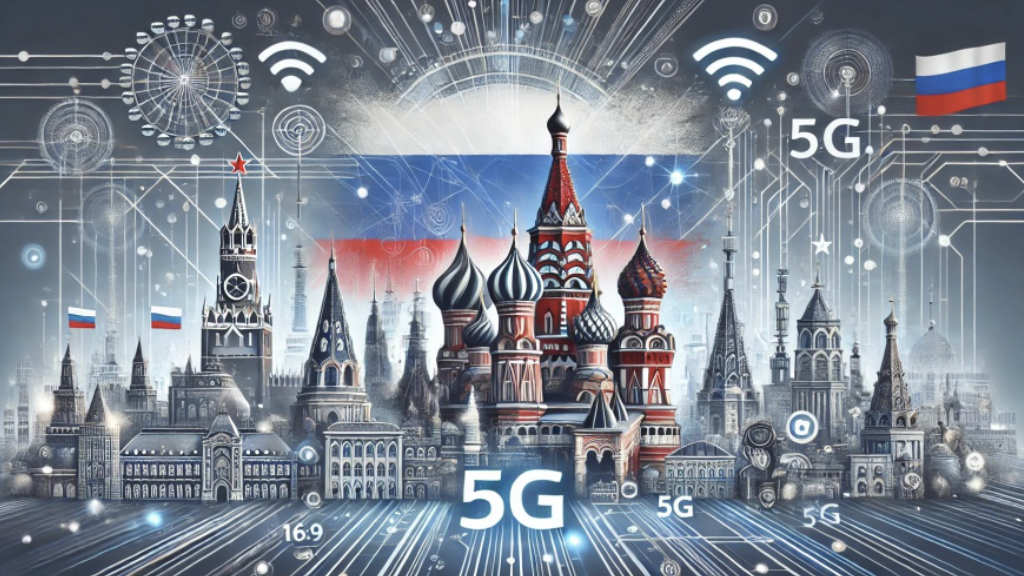

5G communication has officially been launched in Russia, the Russian Ministry of Digital Development, Communications and Mass Media has stated. 5G technology is a comprehensive ecosystem designed for the digital transformation of the economy.
5G technology is a comprehensive ecosystem for the digital transformation of the economy. Fifth-generation networks can be used for the digitalisation of industrial enterprises, the control of autonomous vehicles and robotic systems, the development of telemedicine, the operation of smart city systems, the connection of Internet of Things devices, and the creation of private technological networks at industrial sites.
Russian mobile internet traffic has more than tripled over the past six years. The first stage of 5G involves operation on frequencies previously assigned to operators for the LTE standard. Russian telecom companies have received the 4.63-4.99 GHz frequency band for the fifth-generation standard, with the band allocated free of charge and in equal shares.
The Russian Rollout
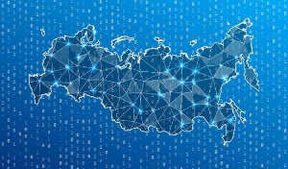
At the initial stage, services have begun operating in 16 cities and are available to about 10 million people. 5G communication has been launched in Moscow, Tver, St Petersburg, Novosibirsk, Yekaterinburg, Kazan, Samara, Yaroslavl, Ufa, Volgograd, Krasnoyarsk, Perm, Chelyabinsk, Veliky Novgorod, Nizhny Novgorod, and Krasnodar. Another 50 cities should have access by the end of this year.
Communication is provided by MTS, MegaFon, Beeline, and T2. However, 5G service is not available from all operators in every city. Telecom operators MTS, Beeline, MegaFon, and T2 welcomed the launch of 5G services in Russia and emphasised the technology’s strengths.
All users of Android-based devices will gain access to fifth-generation networks in the near future, while access to 5G for iPhone owners will depend on a decision by Apple, the ministry said.
The Russian telecoms comment has been very positive. Inessa Galaktionova, the Director General of MTS, called the launch of 5G services a historic event, saying that “Millions of people will gain access to qualitatively new digital services, while businesses and organisations will gain access to advanced industrial solutions that leverage the advantages of 5G.”
The Chief Executive Officer of MegaFon Khachatur Pombukhchan explained that 5G provides “high-speed internet for major metropolitan areas and, concurrently, a foundation for the digital transformation of industry. This new communications standard will provide fundamentally new momentum to the Russian economy.”
Director General of VimpelCom (Beeline brand) Sergey Anokhin described the launch as “an event that without exaggeration the entire market and customers had been waiting for.”
Director General of T2 Anton Godovikov noted the “enormous effort made by the industry, the regulator, and the public” and thanked the Russian government for “finding a unique solution”.
Economic & CIS Impact

The next goal is to bring the share of Russian 5G base stations to 100% and to expand coverage across the Commonwealth of Independent States. The rollout means that Russia is fixed to be a worldwide “fast follower” 5G nation, with 5G technology forecast to cover more than 80% of the nation’s population by 2030. Russia will then lead the CIS region into the 5G era, as operators are investing in rapidly building 5G coverage across the country’s population following the launch of the region’s first 5G networks. These new services have the potential to create digital economies and drive industry transition.
In economic terms, the 5G system integration market in Russia is expected to reach a projected revenue of US$2.27 billion by 2033. A compound annual growth rate of 22.5% is expected from the Russian 5G system integration market between 2026 and 2033.
Additionally, larger spin-offs include more efficiencies across all industries and the development of new digital services throughout Russia and the CIS, an issue that will generate further billions of dollars of revenue across multiple sectors. This includes the financial services sector, where Russia legalised the use of cryptocurrency in foreign trade from September 1. To compare, 5G mobile technologies and services contributed €1.1 trillion in economic value to Europe’s economy last year.