 Русский




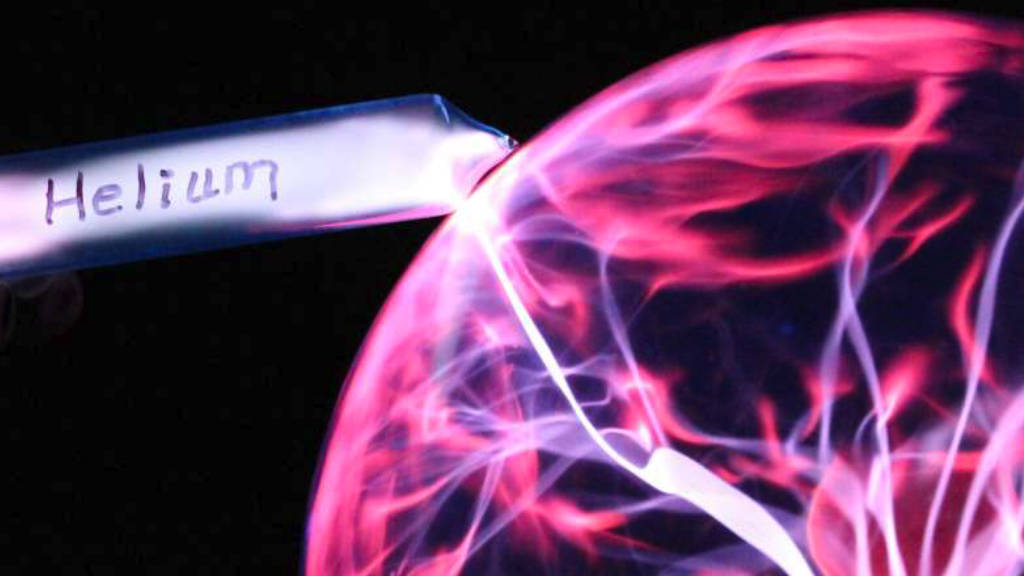

In another blow to Western economies, Russia has banned the export of helium gas to unfriendly countries until the end of 2027. Helium is a critical part of the semi-conductor manufacturing industry sector, with global shortages now appearing due to supply chain problems created by the war in Iran. Russia is the world’s third-largest supplier after Qatar and the United States.
Helium is a byproduct of natural gas processing, which has seen major disruptions in Qatar due to the war in Iran, leading to a huge surge in spot prices.
Under the new measure, exports of helium to countries outside the Moscow-led Eurasian Economic Union will require oversight by the Industry and Trade Ministry and direct approval from Prime Minister Mikhail Mishustin or his deputies.
Russian officials said the export regime is intended to prioritize supply stability in the domestic market. The export controls were enacted as part of a broader executive order signed by President Vladimir Putin shortly after the 2022 invasion of Ukraine, which outlined “special economic measures” to insulate the Russian economy from Western sanctions.
With Qatar’s supplies disrupted, the United States is now the world’s largest helium producer, generating over 40% of global supply (81 million cubic meters) as of early 2026, primarily in Texas, Kansas, and Wyoming. Production is concentrated in facilities like ExxonMobil’s Shute Creek plant, with new capacity from projects like Rudyard in Montana boosting domestic supply amid global shortages. US exports are crucial to maintaining semiconductor production in US allies such as South Korea, where spot prices have surged by 35% to 100% depending upon volumes. It means that the United States is now insisting on longer-term supply contracts from its allies for supplies of helium. Especially affected are companies such as Samsung and SK Hynix.
The European Union has aggressively been boosting its own semiconductor manufacturing to regain global market share from under 10% toward 20% by 2030, driven by the €43 billion European Chips Act, yet it too is now under pressure to buy exclusively from the United States. Helium is also used to manufacture fiber optic cables, such as the type currently being used in drones in Ukraine, while the EU as a whole relies almost 100% on imported helium. That need is now being transferred into US profiteering in the absence of Russian supplies.
The Russian Prime Minister, Mikhail Mishustin, said that the global supply of helium has decreased by almost a third and that this affects medical tomographs, fiber optics, semiconductor production, artificial intelligence systems, and advanced scientific research. Russia recently announced it plans to add 700 mmscf/year of helium capacity from Q3 this year and possesses the Amur gas processing plant, being the world’s largest producer of helium, with the capacity to produce 60 million cubic meters annually.
Other major semiconductor and hi-tech producers such as China will instead source their helium from Russia at almost certainly more reasonable prices than the Americans will charge—the difference being strategic global development versus US profit taking. The Russian Foreign Minister visited Beijing earlier this week.
The issue is another example of certain markets—and especially those allied to the United States—being caught out in both underestimating the impact of sanctioning Russia and the tendency for the United States to maximize its own financial leverage when called upon to provide alternatives. The impact on the European scientific and semiconductor industries is likely to be traumatic, as it will be for buyers now reliant on the United States. How Russia manages its exports of this critical gas will depend very much on other countries’ relations with Moscow.