
 Русский




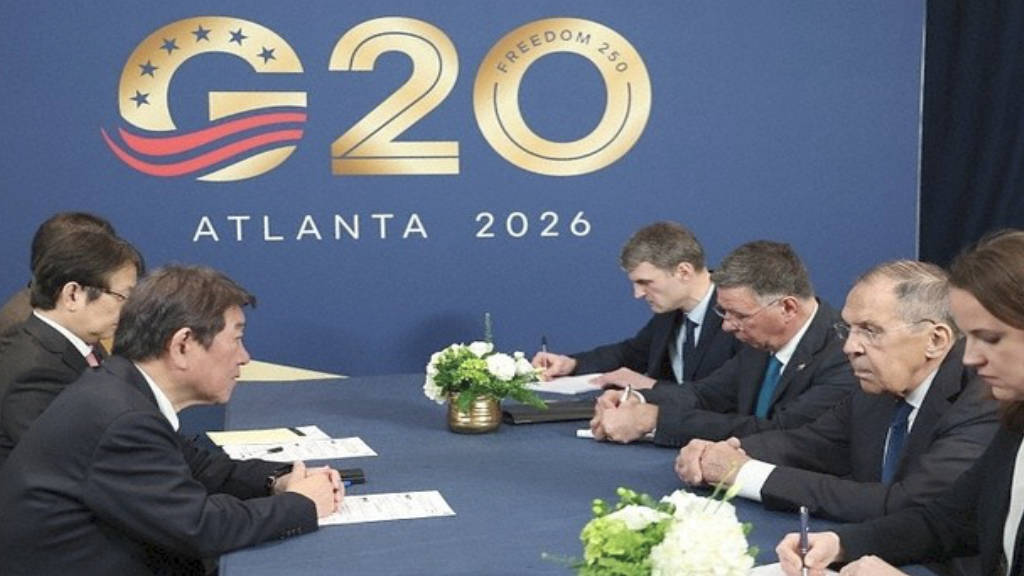

The Russian Foreign Minister, Sergey Lavrov, has met with his Japanese counterpart Toshimitsu Motegi on the sidelines of the G20 Foreign Ministers’ Meeting in Atlanta. The meeting was held at the request of the Japanese side.
The two top diplomats last held substantive in-person discussions in September 2021. The Atlanta meeting thus marks their first talks in five years, although Motegi and Lavrov had a brief chat in the Philippines in July this year.
Motegi requested the release of Imai Yuki, a Japanese journalist with the Hokkaido Shimbun newspaper detained by Russian authorities in Sakhalin on October 13th. Yuki has been accused of espionage.
Another issue pursued by Motegi was Russian President Vladimir Putin’s August visit to Etorofu, one of the four Moscow-controlled northwestern Pacific islands at the center of the two countries’ long-standing territorial row. Motegi reiterated Japan’s view on the visit. The two top diplomats agreed to continue communications despite strained relations, while Lavrov stated that Japan must abandon its unfriendly stance toward Moscow for dialogue between the two countries to resume.
While on the surface, the discussions were strained, if somewhat routine and predictable in content, the symbolism that they took place is a sign of some encouragement, especially when considering that similar, requested discussions took place between the presidents of Finland and Norway with Russian President Putin last week. It is noticeable that all three countries have borders with Russia (Japan has a 194.3 km maritime boundary), meaning that some changes in Russia’s border security and shipping could also have been introduced onto their bilateral agendas, especially in connection with an end to the conflict with Ukraine. The Finnish president, after speaking with Putin, stated that “We are neighbouring countries to Russia. The outcome of the Ukraine war will have a direct impact on our broader security.” If correct, this implies that regional governments, and especially those with borders with Russia are preparing themselves for a change in status in their relations with Moscow.
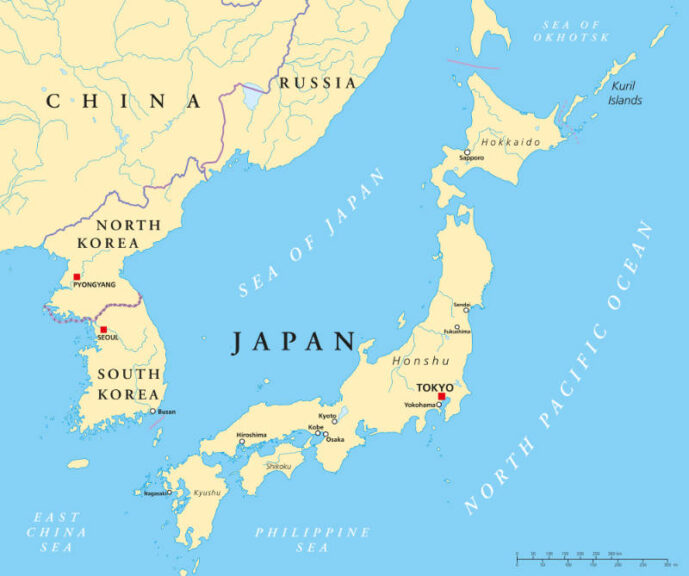
Certain other developments suggest this is so. Russian air carriers are currently involved in discussions with Japan and South Korea about resuming direct air services, according to Russian Deputy Foreign Minister Andrey Rudenko. Japan has also been buying increasing volumes of Russia oil as supplies from the Middle East have become problematic, while Japanese automakers have also been making moves to import Russian aluminium for the same reason. Japanese imports of Russian fish and seafood have also increased over the past year.
Current Russia-Japan bilateral trade is now increasing after a sharp decline between 2022 and 2024. It clawed back 15% in growth in the first six months of 2026 to reach US$4.1 billion for H1. Russian energy products account for approximately 60% of Russia’s total exports to Japan, while Japan increased its purchases of Russian iron and steel products this year to date by 57.9%. Russian medical supplies to Japan have also doubled. These signify a softening of transactional bilateral trade despite the apparent political differences-while the second conversation in three months suggests some mutual diplomatic efforts are being put in.
