Русский




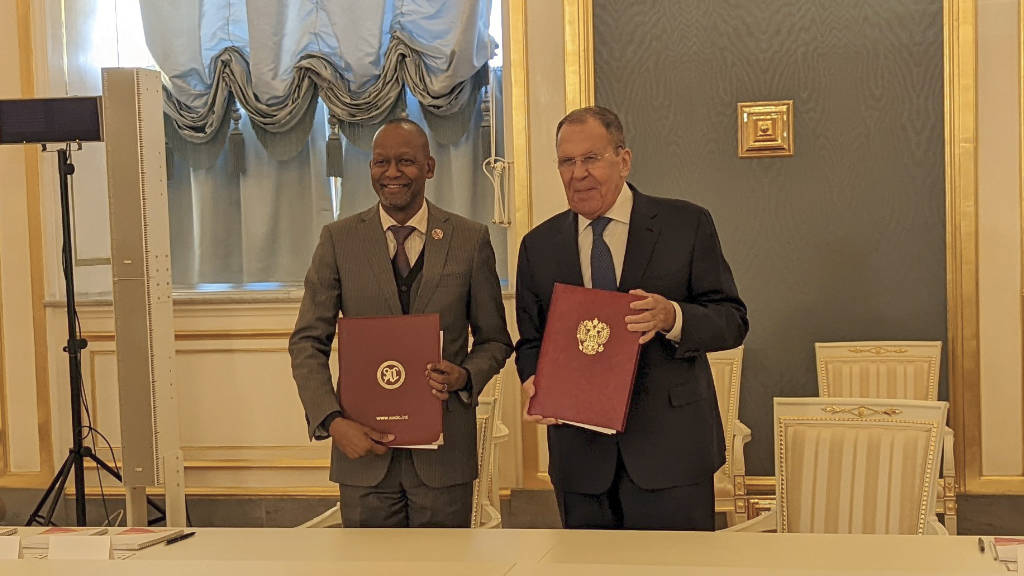
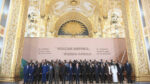
During the 2026 Russia-Africa Summit, the Southern African Development Community (SADC) and Russia signed an ‘Action Plan on Cooperation’. It was signed by Elias Magosi, the SADC Executive Secretary, and Sergey Lavrov, the Russian Minister of Foreign Affairs at the Grand Kremlin Palace during consultations between President Vladimir Putin and the Heads of African Regional Economic Communities.
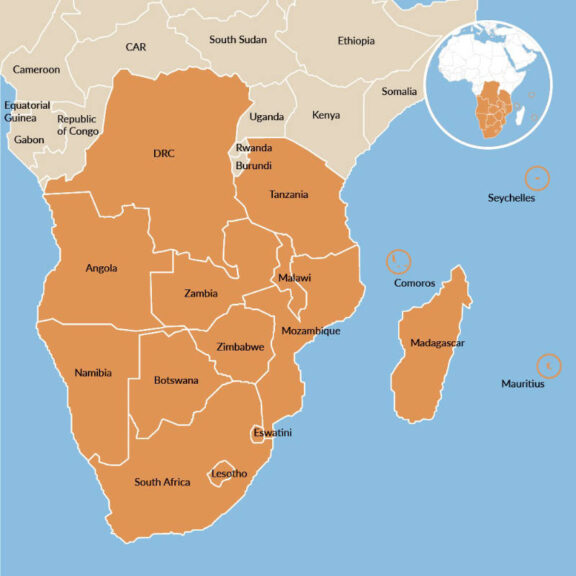
The SADC includes 16 southern African countries: Angola, Botswana, Comoros, Democratic Republic of Congo, Eswatini, Lesotho, Madagascar, Malawi, Mauritius, Mozambique, Namibia, Seychelles, South Africa, Tanzania, Zambia and Zimbabwe. Its mission is to promote sustainable and equitable economic growth and socio-economic development through efficient, productive systems, deeper cooperation and integration, good governance and durable peace and security; so that the region emerges as a competitive and effective player in international relations and the world economy.
The SADC has a collective population of about 406 million, a combined GDP (PPP) of US$2.62 trillion, and a projected combined 2026 GDP growth rate of 3.2%, according to the IMF.
The Action Plan provides a framework for cooperation across a wide range of sectors, including agriculture and food security, trade and investment, industrialisation, energy, mining, transport, information and communication technologies, education, health, peace and security, culture, and youth development.
It aims to achieve this through institutional partnerships, capacity-building programmes, knowledge exchange, and technical cooperation, and aims to support regional integration, economic growth, industrial development, and sustainable development in the SADC region.
It marks an important milestone in strengthening relations between SADC and Russia and reflects the shared commitment of both parties to expanding mutually beneficial cooperation in areas of common interest.
Russia-SADC Trade Potential
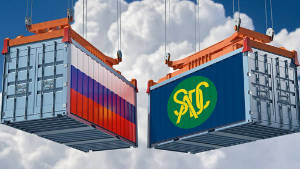
Of particular interest to Russia is that the SADC also operates as a trade bloc, and has effectively eradicated tariffs and customs duties on 85% of products, although Angola, the Democratic Republic of Congo, and Comoros have slightly different implementation statuses. However, non-tariff barriers (NTBs)-such as complex customs procedures, quotas, and technical standards do continue to affect some regional trade. Rules of origin do apply, generally meaning that up to 60% of a product can be composed from non-SADC sources, although this does vary. Professional advise will need to be taken. However, it does generally imply that Russian and SADC components can be matched within an SADC based manufacturing or assembly facility and then sold onto SADC markets – good news for Russian exporters and investors.
We provide a brief breakdown of the SADC member states, their fiscal data, import-export dynamics and other development intelligence as follows:
Angola
Angola has a population of 36.6 million, a GDP (PPP) of US$435 billion, a GPD (PPP) per capita of US$10,710 and a 2026 GDP growth rate estimated at 9%. It has a medium Human Development Index. Its main non-African trade partners are China, India and the UAE. The country has significant deposits of diamonds, gold, oil and copper. Crude Petroleum accounts for over 90% of its total export earnings, while LNG, refined petroleum, and small amounts of ships, fish, and coffee are exported.
Angola imports refined petroleum, although domestic refining projects aim to reduce this, in addition to machinery & mechanical appliances, vehicles & transport equipment, wheat, poultry meat, palm oil, and pharmaceuticals. Bilateral trade is almost exclusively in Russia’s favour, with exports of about US$106 million in 2025. Two bilateral MoU were signed at the 2026 Russia-Africa summit, focusing on science, technology and education.
Botswana

Botswana has a population of 2.4 million, a GDP (PPP) of US$59 billion, a GDP (PPP) per capita of US$19,540, and a 2026 GDP growth rate estimated at 4.4%. It has a high Human Development Index and has the highest ranked sovereign credit rating in Africa. Its main non-African trade partners are the United Arab Emirates, India, and China.
Botswana’s economy relies heavily on mining exports-led by rough and polished diamonds – up to 85% of the total, while depending on regional partners for fuel, food, and machinery. Bilateral trade between Russia and Botswana remains relatively small, with overall trade volume valued at approximately US$16 million.
Comoros
The Comoros Islands have a population of about 945,000, a GDP (PPP) of US$3.4 billion, a GDP (PPP) per capita of US$3,460, and a 2026 GDP growth rate estimated at 3%. It has a medium ranked Human Development Index. Its main export partner is India (spices).
The Comoros economy is based mainly on agriculture, although it has a developing tourism industry based on its Indian Ocean outlook. Bilateral trade between Russia and the Comoros is minimal. Both governments have identified potential areas for economic partnership-including fisheries, maritime transport, agriculture, energy, personnel training, and tourism development.
Democratic Republic of the Congo
The Democratic Republic of the Congo has a population of 116 million, a GDP (PPP) of US$235 billion, a GDP (PPP) per capita of US$2,138, and a 2026 GDP growth rate estimated at 5.4%. It has a low ranked Human Development Index. Its main non-African trade partners are China, the UAE, and India.
Minerals and metal, specifically cobalt and copper, make up 80% of the country’s exports. Because its domestic manufacturing is limited, the DRC relies heavily on imported machinery, vehicles, and consumer/food products. During the 2026 Russia-Africa summit, President Putin said that trade ties between Russia and the Democratic Republic of the Congo are strengthening as bilateral turnover grows. He stated that “The Democratic Republic of the Congo is one of Russia’s promising and reliable partners on the continent. Russian-Congolese trade relations are strengthening, and trade turnover is on the rise.” Bilateral trade is estimated to be about US$100 million.
Eswatini
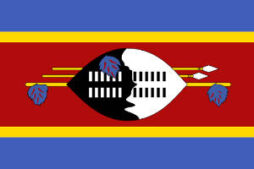
Eswatini has a population of 1.24 million, a GDP (PPP) of US$17 billion, a GDP (PPP) per capita of US$13,850, and a 2026 GDP growth rate estimated at 4%. It has a medium ranked Human Development Index. Its major trade partner is South Africa.
Eswatini’s economy is diverse, with agriculture, forestry and mining accounting for about 13% of GDP, manufacturing (textiles and sugar-related processing) representing 37% of GDP and services about 50%. Eswatini is landlocked, with its economy very closely linked to South Africa, from which it receives over 90% of its imports and to which it sends about 70% of its exports. It is one of Africa’s leading sugar producers. Russian exports to Eswatini total approximately US$1.27 million, made up of grains and fertilizers, while Russian imports from Eswatini are around US$335,000 comprising mainly of sugar related products. There is development potential in the tourism sector.
Lesotho
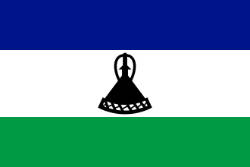
Lesotho has a population of 2.1 million, a GDP (PPP) of US$6.9 billion, a GDP (PPP) per capita of US$3,234, and a 2026 GDP growth rate estimated at 1.1%. It has a medium ranked Human Development Index. The economy of Lesotho is based on agriculture, livestock, manufacturing and mining, as well as workers’ remittances and receipts from other Southern African countries. Most of the population is involved in subsistence farming. The other main areas of employment are the clothing industry, and employment mining in South Africa, its main trade partner. Almost 50% of the population earn income through informal crop cultivation or animal husbandry with nearly two-thirds of the country’s income coming from the agricultural sector.
Lesotho’s main imports and exports are deeply tied to regional and global trade networks, particularly through the Southern African Customs Union. Diamonds are the single largest product export by value, while it exports water to South Africa, while textiles and garments, including wool are supplied to major international brands. Bilateral trade between Russia and Lesotho remains relatively small and focused primarily on broader regional ties and specific commodities.
Madagascar
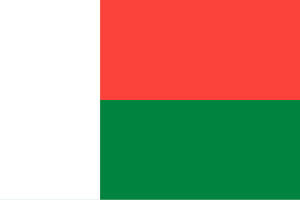
Madagascar has a population of about 32 million, a GDP (PPP) of US$68 billion, a GDP (PPP) per capita of US$2,200, and a 2026 GDP growth rate estimated at 3.8%. It has a low ranked Human Development Index. Its main export partners are France, the United States and Japan.
Madagascar’s main imports and exports reflect an economy driven by agricultural cash crops, mineral extraction, and essential consumer and fuel imports. Raw nickel and titanium ore are leading industrial export earners, while Madagascar is one of the world’s largest producers and exporters of vanilla and cloves. Bilateral trade between Russia and Madagascar has increased 83% this year to reach about US$50 million. Russia primarily exports wheat, while Madagascar supplies cocoa, cloves, vanilla, cinnamon, and cinnamon blossoms. Russia wants to increase exports of grain, flour, fats and oils, and mineral fertilizers. The Russian and Madagascan Presidents met at the 2026 Russia-Africa summit. Our detailed report on bilateral trade and development is here.
Malawi
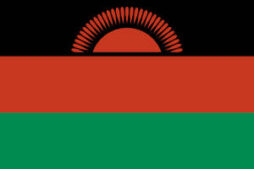
Malawi has a population of 21.2 million, a GDP (PPP) of US$38 billion, a GDP (PPP) per capita of US$1,670, and a 2026 GDP growth rate estimated at 2.8%. It has a low ranked Human Development Index. Its top non-African export partners are Belgium and India. Malawi is among the world’s least developed countries, with an economy based on agriculture. 85% of its population live in rural areas. Agriculture is responsible for over 90% of its export revenues.
The main agricultural products Malawi exports include tobacco, sugarcane, cotton, tea, corn, potatoes, sorghum, cattle, and goats. The main industries are tobacco, tea, and sugar processing, sawmill products, cement, and consumer goods. Bilateral trade with Russia is valued at about US$50 million, with Malawi exporting mainly tobacco, and Russia exporting fertilizers. Trade is equally balanced.
Mauritius

Mauritius has a population of 1.3 million, a GDP (PPP) of US$44 billion, a GDP (PPP) per capita of US$34,840, and a 2026 GDP growth rate estimated at 2.7%. It has a very high ranked Human Development Index. Its main export partners are France, the United States, and India.
Mauritius has developed from a low-income, agriculture-based economy to a high-income diversified economy, based on tourism, textiles, sugar, and financial services. It is a major offshore tax haven suited for trade between Africa and India in particular. Financial and insurance activities contribute over 12% of its GDP. Mauritius relies heavily on imported energy, vehicles, and machinery, while its export economy centers on processed seafood, sugarcane, and manufactured goods. Bilateral trade between Russia and Mauritius remains low, with Mauritian imports from Russia – mainly aluminium – totalling about US$1.7 million in 2025. There are opportunities in fisheries, including fish processing, as well as high-end tourism, and specialist professional legal and tax services dealing with Russia-Africa-India trade.
Mozambique
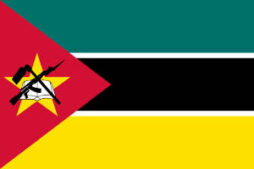
Mozambique has a population of 35 million, a GDP (PPP) of US$62 billion, a GDP (PPP) per capita of US$1,730, and a 2026 GDP growth rate estimated at 1%. It has a low ranked Human Development Index. Its main non-African trade partners are China and India.
Mozambique is one of the most underdeveloped and indebted countries in the world, partially as a result of its Portuguese colonial legacy and civil war. About 80% of the population is employed in agriculture, the majority of whom were engaged in small-scale subsistence farming. More than 60% of its arable land remains uncultivated due to poor infrastructure and minimal investment. There have been improvements in the energy sector, with Mozambique primarily exporting natural gas, coal, aluminium, and electricity. It primarily imports refined petroleum, ores, machinery, and food staples such as rice and wheat. Bilateral trade between Russia and Mozambique in 2025 totalled US$157.6 million, mainly consisting of Russian wheat exports. According to President Putin, this trade has nearly doubled in 2026, while Russia’s Gazprom, Rosneft and Novatek have all expressed interest in Mozambique’s gas sector.
Namibia
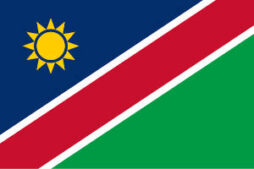
Namibia has a population of 3.1 million, a GDP (PPP) of US$38 billion, a GDP (PPP) per capita of US$12,800, and a 2026 GDP growth rate estimated at 2.3%. It has a medium ranked Human Development Index. South Africa remains Namibia’s single largest source of imports, while China and South Africa are Namibia’s top export destinations.
Namibia has a highly developed banking and financial services sector with modern infrastructures, such as online banking and cellphone banking. About half of the population depends on agriculture, but Namibia must still import some of its food. Although per capita GDP is five times the per capita GDP of Africa’s poorest countries, the majority of Namibia’s people live in rural areas and have an agricultural subsistence.
Namibia’s economy relies heavily on mineral and primary commodity exports while importing most of its manufactured goods, machinery, and fuel. It exports uranium, gold, diamonds, petroleum oils and fish, and imports refined petroleum, vehicles, nickel and base metal ores and concentrates, and machinery. Bilateral trade between Russia and Namibia reached about US$21 million in 2025, showing growth. Namibia exports mainly seafood, while Russia exports mainly wheat. The trade balance is relatively equal. There is the potential for tourism development.
Seychelles
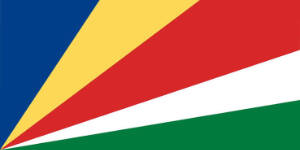
The Seychelles has a population about 122,000, a GDP (PPP) of US$4.5 billion, a GDP (PPP) per capita of US$43,500, and a 2026 GDP growth rate estimated at 1.5%. It has a very high ranked Human Development Index. Its main export partners are the United Arab Emirates, France, Spain, the United Kingdom, India, and South Africa.
The Seychelles’ economy relies heavily on the fishing and tourism sectors. The latter contributes up to 72% of its total GDP when induced economic effects are included such as transport, construction, and related services. It exports frozen, fresh, and canned fish, refined petroleum, and fish/animal meal. The country imports frozen fish, recreational boats, machinery, transport equipment, vehicles and foodstuffs.
Bilateral trade and economic ties between Russia and Seychelles remain relatively modest in scale, though both nations have worked to expand cooperation, tourism, and fisheries. Seychellois exports to Russia reached approximately US$127,000 in 2025, mainly fish, while imports from Russia totalled around US$588,000, being mainly agricultural products. Tourism is a growth sector with direct flights by Aeroflot and Russian visitors now accounting for 15% of the total inbound tourist visit to the Seychelles.
South Africa
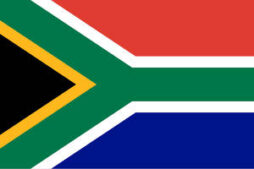
South Africa has a population of 63 million, a GDP (PPP) of US$1.07 trillion, a GDP (PPP) per capita of US$16,850, and a 2026 GDP growth rate estimated at 1.2%. It has a high ranked Human Development Index. China is South Africa’s largest single trading partner, alongside major economic partners including Germany, the United States, India, Japan, and the United Kingdom. South Africa is a full member of the BRICS group.
South Africa has a mixed economy characterised by a large services sector, diversified industrial base and abundant natural resources. It is the largest economy in Africa and is widely recognised as the continent’s most industrialised, technologically advanced and diversified nation. South Africa’s main imports and exports are driven by its heavy mining, manufacturing, and agricultural sectors.
South Africa exports gold, platinum, and diamonds, iron ore, coal, petroleum products, chromium, manganese, and vanadium, being a top global producer of several of these minerals. It also exports vehicles, manufactured steel and base metal products. In the agricultural sector, it is a major exporter of fruits, nuts, corn, wine, and sugar.
Bilateral trade with Russia reached about US$908 million in 2025, increasing by 6.2%. Russian exports consisted primarily of fertilisers and grain. In the structure of supplies, compound fertilisers accounted for 40%, wheat for 20%, nitrogen fertilisers for 16%, potash fertilisers for 13%, and coal at 5%. Exports from South Africa to Russia increased by 29.7% and reached US$383.5 million, with South Africa supplying citrus fruits and other fruit: mandarins (24%), oranges (23%), pears (11%), lemons (9%), apples (7%), as well as grapefruit and pomelo (5%).
Tanzania
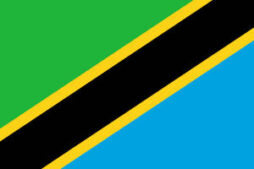
Tanzania has a population of 67.5 million, a GDP (PPP) of US$323 billion, a GDP (PPP) per capita of US$4,500, and a 2026 GDP growth rate estimated at 6.3%. It has a medium ranked Human Development Index. Tanzania’s main non-African trading partners are India, China and the UAE.
Its main imports and exports are driven by mining, agriculture, and the fuel trade. Top exports include gold, being the single largest export, accounting for the vast majority of mineral and overall goods export earnings at about US$4.5 billion. Tanzania also exports refined petroleum and minerals, including re-exports and regional mineral distributions. In the agricultural sector it exports coconuts, nuts, tobacco, coffee, cotton, and dried legumes/oil seeds. Tourism and related transport services also make up a significant share of total service exports.
Russia-Tanzania bilateral trade grew by 20% in 2025, to reach US$307.5 million, driven by increased Russian exports of fertilizers and grain alongside Tanzanian coffee and tea exports. Tourism is also increasing, with direct flights from Russia to Zanzibar.
Zambia
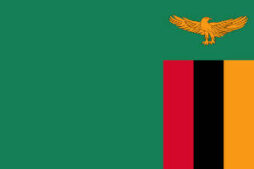
Zambia has a population of 20.2 million, a GDP (PPP) of US$84 billion, a GDP (PPP) per capita of US$4,100, and a 2026 GDP growth rate estimated at 5.6%. It has a medium ranked Human Development Index. Its main trade partners are Switzerland, being the largest destination for Zambian exports – due to global mineral and copper trading companies being located there, accounting for about 42% of Zambia’s total export value. China is the second-largest export market and a major buyer of Zambian copper and raw materials accounting for about 20% of exports.
Zambia’s main imports and exports are centered around copper mining, and industrial goods. Top products include raw copper, refined copper, gold, nickel ore, precious stones, electricity, and raw tobacco. Copper accounts for roughly 60% to 75% of Zambia’s total export earnings.
The Zambian government is pursuing an economic diversification programme to reduce the economy’s reliance on the copper industry. This initiative seeks to exploit other components of Zambia’s rich resource base by promoting agriculture, tourism, gemstone mining, and hydro-power.
Zambia imports refined petroleum/mineral fuels, machinery and industrial equipment, vehicles, and transportation equipment, nitrogenous and chemical fertilizers, and plastics. Bilateral trade between Russia and Zambia stands at approximately US$39 million, with significant potential for growth as both nations expand economic cooperation. Zambian imports grains and mineral fertilizers from Russia and exports tobacco and coffee, alongside other agricultural commodities such as sugar and spices. Russia and Zambia have moved to strengthen framework conditions, including signing a MoU focused on product standardization, quality assurance, information exchange, and testing collaboration.
Zimbabwe
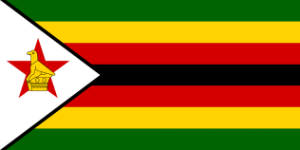
Zimbabwe has a population of 17.2 million, a GDP (PPP) of US$94 billion, a GDP (PPP) per capita of US$5,410, and a 2026 GDP growth rate estimated at 5%. It has a medium ranked Human Development Index. Its main trading partners are South Africa, the United Arab Emirates, and China.
Zimbabwe’s main exports are gold, raw tobacco, nickel, other minerals/metals, including platinum group metals, lithium, ferrochrome, and chromium ore. It imports mineral fuels and refined petroleum oils, machinery and mechanical appliances, cereals including corn and maize, electrical machinery and equipment, and vehicles.
Bilateral trade between Russia and Zimbabwe was estimated at approximately US$80 million in 2025. Russia currently supplies Zimbabwe with fuel, fertilisers and some agricultural products, including grain, while Zimbabwe exports fruits, nuts, tobacco, coffee, agricultural goods, and select raw materials such as perfumery oils. Interestingly, exports to Russia increased 400% in 2025.
Summary
The signing of an Action Plan with the Southern African Development Community signals strong intent on behalf of both Russia and the SADC to substantially boost multilateral trade. A review of the current status of Russia’s trade with SADC members is revealing in that the combined multilateral trade figures with Russia are collectively low at about US$2 billion per annum, however, there also appear to be major corridors in which obvious import and export needs can be fulfilled.
Six of the SADC members are heavily involved in agricultural production, with Russia one of the world’s largest exporters of fertilizers. Nine are heavily involved in the mining and energy sectors, where Russia possesses significant technical know-how and machinery. That provides opportunities not just for Russian mining and energy investments, but also in supplying equipment such as vehicles. The Kamaz truck manufacturing investment in Mali points to a way ahead – the localisation of industrial equipment.
In addition, to satisfy their mutual development needs, the SADC countries need improved energy infrastructure to power their industrial development. To this end, Rosatom and its subsidiaries can be expected to be discussing small modular NPP with several of these countries to provide exactly this.
Six of the SADC countries have significant coastlines, meaning port development and the creation of industrial and free trade zones will also be on the agenda. Russia is already developing such a zone at Port Said in Egypt, and held discussions with Madagascar this year over a similar project.
Tied to this are fisheries development – several of the SADC nations participated in the Great African Fishing Expedition involving Russian research vessels in 2024, including Angola, Mozambique, Madagascar and Mauritius.
In addition, there is significant Russian tourism growth to SADC countries, with Mauritius, the Seychelles, and Zanzibar (Tanzania) all experiencing significant volumes of Russian visitors. Other destinations, including the Comoros islands and adventure safaris in South Africa and Namibia are also showing strong development. Russian tourists are sought-after financial analysis of Russian outbound tourists has revealed they now spend more overseas than European visitors do.
As can be seen, there is substantial room for improving Russian trade with the SADC. The Action Plan institutionalizes this and can be expected to yield results. Their mutual trade can be expected to at least double and possibly triple by 2030 if its contents are acted upon – making the southern African region potentially one of Russia’s fastest growth markets.