
 Русский








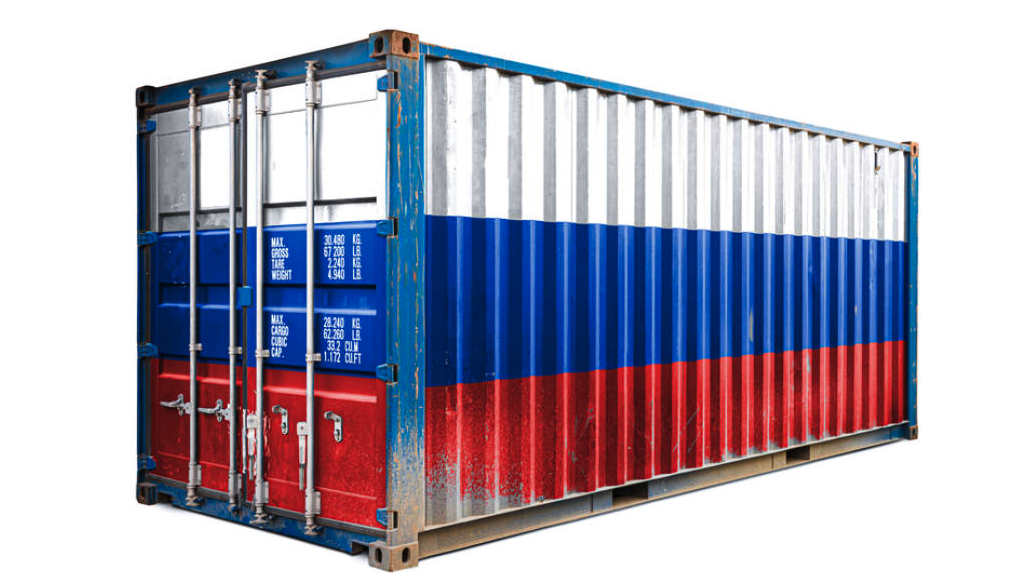

Further evidence of a partial recovery in Russian trade has manifested itself with analysts from Russia’s Delo Group saying that the Russian container market grew by 1.9% at the end of the first quarter of 2026 compared to the same period in 2025, reaching 1.8 million Twenty-foot Equivalent Units (TEU).
According to their data, container shipments in the import direction grew by 5.1% to 720,000 TEU. The main growth was shown by consumer goods: footwear, furniture, household appliances, and tableware. In the automotive sector, the import of finished vehicles, the share of which reached 20% of all imports in 2024, has shown a decline since the beginning of 2026 in favor of a significant increase in supplies of components for vehicle assembly within Russia. Container exports, under pressure from a strong ruble exchange rate, decreased by 3.5% in January-March to 484,000 TEU.
Among the factors influencing market dynamics and structure, the key element to note is the conflict in the Middle East. As a consequence, the deterioration of service quality and the increase in rates in international maritime shipments from Asia to Europe may stimulate transit shipments through Russia, which grew by 11% to 233,000 TEU at the end of Q1 this year.
The Russian container market has demonstrated a moderate recovery after a slight 2025 slump; however, risks of slowing dynamics remain against the background of general instability in the global economy.
The calculation methodology for the Russian container market by the Delo Group takes into account laden container shipments following in foreign trade communication through Russian ports and land border crossings, as well as transit and domestic Russian rail shipments.