 Русский






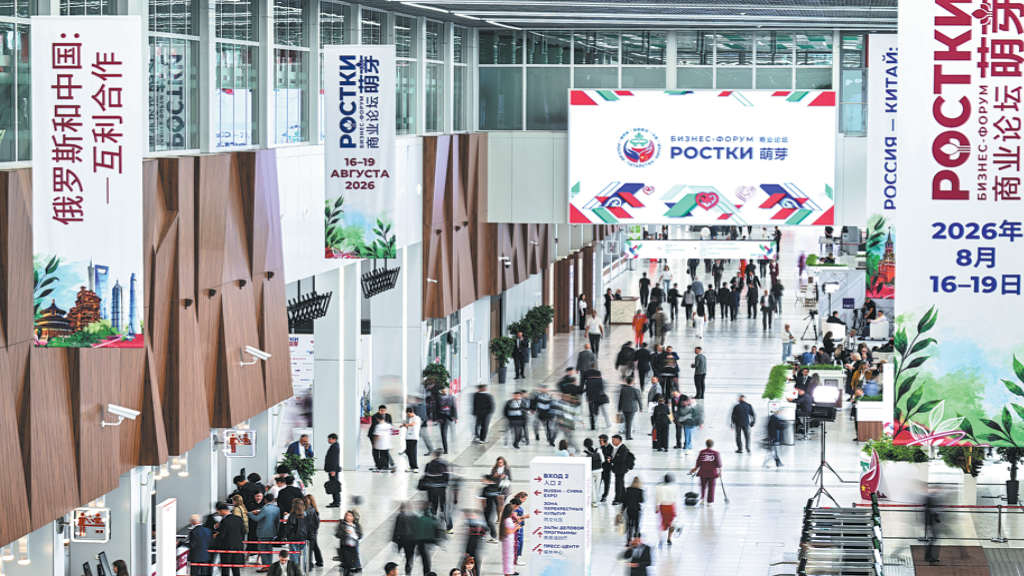

The fourth International Forum “ROSTKI/SPROUTS: Russia and China – Mutually Beneficial Cooperation,” held in Kazan from August 16 to 19, 2026, was larger in geographical reach and more ambitious in economic content than its predecessors. More than 200 Chinese companies, eight Chinese government delegations, and representatives of more than 60 Russian regions gathered at the Kazan Expo, while the registration system recorded participation from 68 Russian regions and 29 Chinese administrative territories. More than 7,000 people ultimately attended, exceeding the organizers’ initial expectation of more than 3,000. The business program ran across more than 70 sessions and around 90 separate events covering 18 major tracks.
The most important conclusion from Kazan is that the Russia-China trade structure is changing. ROSTKI is increasingly functioning as a regional economic mechanism where Chinese companies are no longer coming only to sell machinery, equipment, consumer goods, or technology. They are looking for Russian industrial sites, logistics partners, investment institutions, universities, medical organizations, and local governments capable of turning commercial interest into production. At the same time, Russian regions are using Chinese provinces and companies as sources of technology, capital, equipment, markets, and managerial experience. This is why the 2026 forum should be viewed as a laboratory for the next phase of Russia-China economic integration.
Initial Results
ROSTKI was launched in 2023 on the initiative of the Russian and Chinese leaderships. Within three years, its network has expanded to 68 Russian regions and 28 Chinese administrative units. In 2025, about 10,000 participants from 40 countries attended, and 34 agreements were signed. The 2026 edition produced a different numerical picture: the official confirmed number of signed MoU agreements has reached 21, but the geographical and corporate reach of the forum expanded substantially.
Talia Minullina, head of the Tatarstan Investment Development Agency, confirmed that 21 bilateral agreements were signed at the forum and said these involved educational institutions as well as entrepreneurs implementing specific projects. The character of the discussions had become more investment- and technology-oriented.
Publicly announced agreements included semiconductor manufacturing, industrial equipment, automotive service infrastructure, laser-equipment localization, drones, ball mills, and autoclaves. In addition, numerous MoUs were also signed. In other words, the forum generated a considerable pipeline of projects, both immediate and those that were not necessarily mature enough to become signed agreements during four days in Kazan.
This distinction matters. MoU intent, technology-transfer arrangements, investment discussion, and binding commercial contracts are not economically equivalent. The 21 signed documents are the hard, publicly confirmed output. The MoU represents a second layer, the project pipeline. Treating these categories as completed investments would inflate the results, while on the other hand, treating the MoUs as irrelevant would miss their real potential economic significance.
The organizers themselves emphasized this practical orientation. The Head (Rais) of Tatarstan, Rustam Minnikhanov, repeatedly described the forum as a mechanism for transforming political trust into investment projects, joint production, agreements, and educational initiatives. He also said that “ROSTKI” is a unique platform for strengthening work with China. The 2026 edition therefore demonstrated a gradual shift from the quantity of diplomatic contacts toward the quality and complexity of economic relationships.
The US$300 Billion Target Moves From Diplomacy Into Regional Economics
The macroeconomic backdrop explains why this shift matters. Russia-China trade has remained above US$200 billion for three consecutive years. According to figures cited at ROSTKI, bilateral trade reached US$159 billion in January-July 2026, an increase of 26% year on year. Zhou Liqun, chairman of the Union of Chinese Entrepreneurs in Russia, argued that the pace could produce another historical record in 2026 and that the US$300 billion annual trade target could be reached earlier than the 2030 horizon.
Chinese Ambassador Zhang Hanhui also said that Beijing was working toward US$300 billion in annual bilateral trade. The figures put the challenge in perspective. At US$159 billion after seven months, the two countries are already moving toward a full-year volume substantially above the US$250 billion level. But reaching US$300 billion requires more than the continuation of existing commodity flows. It requires additional trade in machinery, technology, agricultural products, services, transport, electronics, healthcare, industrial components, and manufactured goods.
This is precisely where regional cooperation becomes important. Moscow and Beijing can set national targets, but factories are built in Bugulma, logistics agreements are implemented in Orenburg, industrial parks operate in Laishevo, universities train specialists in Kazan, medical technologies are tested in Tatarstan, and transport corridors cross specific Russian regions.
This regionalized layer is therefore becoming the physical mechanism through which national trade targets can be converted into economic activity—which explains the unusually broad representation at ROSTKI. More than 60 Russian regions were publicly represented, while Minullina referred to 68 Russian regions in the registration system and 29 Chinese administrative territories. The difference between those figures and the headline “60 regions” reflects different counting methods rather than a contradiction: official delegations, registrations, and active participants are not necessarily the same thing. The important number is the scale itself. Almost the entire Russian regional economy is beginning to have a stake in the China relationship.
Tatarstan’s China Relationship Provides The Economic Base

Tatarstan is not simply the host of ROSTKI; it is one of the reasons the forum has become commercially credible. Trade between Tatarstan and China increased more than twelvefold over a decade, from US$264.3 million in 2015 to US$3.35 billion in 2025. China became the republic’s largest foreign trade partner and, according to Tatarstan officials, its leading foreign investor in 2025, overtaking Türkiye. Yet the trade figure has also revealed a problem: after reaching about US$3.3 billion in 2024 and US$3.35 billion in 2025, the relationship has encountered what Tatarstan officials described as a “ceiling.” That ceiling is precisely why ROSTKI matters.
The Chinese market is extraordinarily competitive. Russian companies cannot simply arrive in China with an undifferentiated product and expect demand. They need local partners, distribution channels, regulatory knowledge, language skills, and the ability to adapt products to Chinese market requirements. The reverse is also true. Chinese companies entering Russia increasingly need local industrial parks, customs expertise, tax incentives, qualified workers, logistics, and Russian regulatory knowledge. Tatarstan believes it has an unusually strong package. Minullina highlighted eight federal economic zones with tax benefits and more than 100 industrial parks. The republic also has a large educational and scientific base, industrial companies, and developed transport infrastructure. This is one reason the forum is gradually becoming a national rather than purely regional platform.
What Was Actually Discussed At ROSTKI 2026: From Trade And Investment To Logistics, Industry and Technology
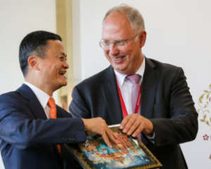
The business program of ROSTKI 2026 was considerably broader than a conventional Russia-China trade forum. The core tracks included interstate dialogue, industry, petrochemicals, machine-tool building, engineering and metalworking, energy and oil and gas, investment and finance, logistics and transport, agriculture and food, medicine and healthcare, education and science, tourism and culture, artificial intelligence, unmanned systems and digitalization, microelectronics, creative industries, business and entrepreneurship, business associations, law, media, and construction. The forum also provided a dedicated B2B application through which companies could identify Russian or Chinese partners, send invitations, select meeting times, and negotiate directly.
Entering The Chinese Market
Trade was the economic foundation running through almost every section of the program. The central question was no longer simply how to increase Russia-China trade but how Russian companies can move from commodity and agricultural exports toward higher-value products and how Chinese companies can expand from exports into Russian production and distribution. Bilateral trade is now being institutionalized, with participants investing in supply chain cash flows as well as adding value.
The market-entry discussions, therefore, focused on practical issues: finding Chinese distributors, establishing local partners, adapting products to Chinese demand, overcoming certification and regulatory barriers, understanding regional Chinese markets, and developing direct business contacts. The B2B mechanism was particularly important because it allowed manufacturers, suppliers, distributors, and service companies to move from conference discussion to direct negotiations. The program specifically covered food, fisheries, agriculture, timber, engineering, construction, light industry, fuel and energy, metallurgy, tourism, IT and telecommunications, creative industries, logistics, chemicals, and financial services.
Investment And Localization

Investment was one of the most commercially important tracks because the forum increasingly treated localization inside Russia as the next stage of Chinese participation in the Russian economy. Discussions included Chinese investment into Tatarstan industrial sites, new manufacturing capacity, and technology transfer. A Shenzhen-based company expressed interest in semiconductor production in Tatarstan; two companies from Shandong discussed industrial equipment; another Chinese company considered an automotive service center; Chinese companies showed interest in laser equipment localization and drone production; and preliminary arrangements were discussed for supplies of ball mills and autoclaves.
These were investment intentions rather than completed contracts and should not be counted among the 21 formally signed agreements. The localization discussion also connected directly to existing projects. Chinese special-equipment producers Sany and Liugong were pursuing localization in Tatarstan, while Hangzhou Nabel Holding Group had presented a US$70 million project for a high-quality ceramics plant. The Russian-Chinese galvanized-steel project Kamastal plans to increase its capitalization from ₽1 billion to ₽4 billion (US$46.5 million), with products supplied to appliance manufacturers including Haier. Forum participants could visit Kamastal, KAMAZ, Haier Industri Rus, Innopolis, IT Park, and other Tatarstan industrial and technology facilities.
A separate session on cluster cooperation as a driver of technological sovereignty examined how Russian and Chinese industrial clusters could combine engineering, manufacturing and scientific capabilities; localize high-tech solutions; and integrate companies into common supply chains. Speakers included representatives of the Kirov Region, Henan SRON Silo Engineering, Technopolis Moscow, KAMA, and the Russian cluster system. The underlying issue was how to turn individual Chinese-Russian projects into industrial ecosystems rather than isolated factories.
From Selling Chinese Machinery To Manufacturing In Russia

The most revealing discussions at ROSTKI concerned localization. One of the most concrete examples is the localization of Chinese construction-equipment manufacturing in Bugulma. The forum also discussed a proposed Russian-Chinese industrial site in the Laishevo industrial park. Chinese companies were considering production in Tatarstan rather than simply supplying Russian customers from China.
The Higrade Rus case illustrates the mechanism. Production has already been localized in Naberezhnye Chelny. The company operates in the automotive industrial environment and produces plastic components supplied to Haier, creating a Chinese-to-Chinese-to-Russian industrial linkage inside Tatarstan rather than a conventional import chain.
That is strategically more significant than another increase in Chinese imports. When Chinese machinery is imported, Russia gains equipment. When Chinese production is localized, Russia potentially gains factories, jobs, suppliers, tax revenues, engineering capabilities, and export capacity. The economic multiplier is therefore different.
The same corporate logic appeared in the discussions around Shenzhen semiconductor production, Shandong industrial equipment, automotive service centers, and laser-equipment localization. None of these should be counted as completed projects unless formally confirmed, but together they demonstrate where the project pipeline is moving. The forum therefore exposed a new phase of China-Russia economic cooperation: from “made in China for Russia” toward “made in Russia with Chinese technology and capital.”
Industry, Machinery And Engineering
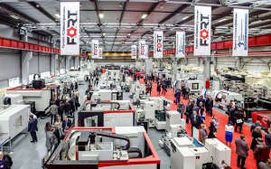
The industrial program covered most of the most traditional areas of Russian-Chinese economic cooperation—machinery, engineering, metalworking, industrial equipment, petrochemicals, and machine tools—but the emphasis was increasingly on technology and production localization. The program specifically asked how Russian and Chinese engineering competencies could be combined to create competitive products and how Chinese and Russian companies could be integrated into unified production and supply chains. This was particularly important for Tatarstan because the republic already possesses major industrial platforms around KAMAZ, Naberezhnye Chelny, Nizhnekamsk, and other manufacturing centers. Chinese equipment producers therefore see the region not simply as a consumer market but as a potential manufacturing base from which they can serve Russia and potentially wider Eurasian markets.
Energy Cooperation Is Moving Into Equipment And Infrastructure
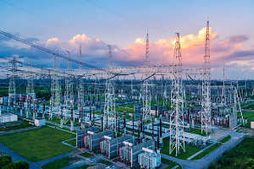
Energy remained one of the strongest pillars of Russia-China economic relations, but ROSTKI 2026 showed that cooperation is increasingly moving beyond the traditional oil-and-gas model into power equipment, electrical-grid infrastructure, energy engineering, and technology localization. The program covered a wide range of areas, including oil and gas, electricity networks, transformers, automation, low-voltage equipment, frequency converters, uninterruptible power systems, solar power, and energy-storage technologies.
A particularly concrete outcome was the cooperation between Tatarstan’s TGK-16 and Network Company and Chinese power-equipment manufacturer TBEA, one of the world’s major producers of transformers and electrical-grid equipment. The shift is significant because Chinese technology is already taking a substantial share of new Russian procurement in several energy-engineering segments shows indications that Chinese solutions account for around 40-60% of new procurement in some areas of low-voltage equipment, automation, and power engineering, while their share in solar-energy and energy-storage systems reaches approximately 70-90%.
This creates both an opportunity and a strategic challenge for Russia: the objective is increasingly to move from importing Chinese equipment toward localizing production, engineering, and servicing inside Russia and integrating Russian companies into the associated supply chains. At the same time, the traditional energy foundation of the bilateral relationship remains extremely strong. Federation Council First Deputy Chairman of the International Affairs Committee Andrey Denisov said that Russian oil supplies to China increased by 92% in the first seven months of 2026, against the backdrop of disruption and uncertainty surrounding the Strait of Hormuz, underscoring China’s continuing demand for reliable energy suppliers and Russia’s strengthened role in meeting that demand.
The significance of ROSTKI is therefore that the two sides are beginning to move down the energy value chain: oil and gas provide the scale and strategic foundation of the relationship, while transformers, grid equipment, automation, industrial machinery, renewable-energy systems, storage technologies, and engineering services are creating a new layer of regional manufacturing, technology transfer, and industrial cooperation.
Logistics: The Missing Link In The US$300 Billion Target
Logistics was treated at ROSTKI 2026 as one of the decisive conditions for taking Russia-China trade toward the US$300 billion annual target because rising trade volumes ultimately depend not only on demand but also on the physical and financial capacity to move and settle goods efficiently. The program focused on transport corridors, border infrastructure, multimodal terminals, information exchange, and direct connections between Russian regions and Chinese provinces, with the central challenge being to expand throughput while reducing delivery times and cross-border costs.
This issue was repeatedly raised in the Russia-China Business Dialogue, which brought together NewNew Shipping CEO Ke Jin, Amur Region Governor Vasily Orlov, Orenburg economic officials, and representatives of Xinjiang and Chinese business associations, while the forum also examined Harbin-Kazan cooperation as a potential model for building wider regional economic links.
The strategic direction is increasingly to connect China’s border provinces and major inland economic centers with Russia’s industrial and agricultural regions rather than concentrating bilateral trade through a limited number of traditional gateways. Orenburg was particularly important in this discussion because regional authorities developed cooperation with the Union of Chinese Entrepreneurs in Russia around economic ties and logistics, giving the region an increasingly important role as a link between Russia’s central markets and the wider Eurasian transport network.
The agricultural dimension was also becoming more prominent: Federation Council Deputy Chairman Dmitry Vorona proposed developing a dedicated Russia-China land grain route, reflecting the growing need for specialized agricultural logistics as food trade expands. Zhou Liqun, chairman of the Union of Chinese Entrepreneurs in Russia, identified inadequate logistics capacity as one of the principal constraints on future trade, arguing that Russia and China may share a long border but that insufficient crossings and transport capacity can prevent commercial potential from becoming actual trade; in this context, new border crossings, higher-capacity routes, and more efficient multimodal logistics are not secondary infrastructure projects but core components of the bilateral trade strategy.
The same bottleneck exists in finance: Yaroslav Saleev of RSI Garant estimated that around 70% of cross-border payment problems had effectively been resolved, while the remaining 30% largely involved unusual transactions exposed to sanctions-related risks, meaning payment arrangements remain slower and more complicated than before 2022 but are increasingly being treated by businesses as an operational problem that can be managed rather than an insurmountable barrier.
Taken together, the discussions at ROSTKI showed that the road toward US$300 billion requires the simultaneous expansion of physical logistics, border capacity, multimodal transport, agricultural corridors, and cross-border payment infrastructure; otherwise, rising demand and production on both sides will continue to encounter bottlenecks before goods can actually reach the market.
Agriculture And Food: The Next Export Frontier

Agriculture received a dedicated B2B track at ROSTKI 2026 and was positioned as one of the clearest opportunities for expanding Russia-China trade beyond its traditional commodity structure. Russian Agriculture Minister Oksana Lut said bilateral agricultural trade reached approximately US$11 billion in 2025, with both Russian exports to China and Chinese supplies to Russia continuing to grow. Russia’s export basket includes fish, vegetable oils and fats, cereals, and other agricultural products, while Russian importers are increasingly interested in Chinese fruit and vegetables, particularly seasonal products. The forum identified Shandong, Jiangsu, Liaoning, Sichuan, Heilongjiang, and Shanghai as major Chinese partners in agricultural trade, with Shandong alone accounting for US$2.2 billion of Russia-China agricultural trade in 2025 and approximately US$1.4 billion in the first part of 2026. For Tatarstan, the room for expansion is particularly significant: the republic’s agricultural trade with China exceeded US$70 million in 2025, while its wider bilateral trade with China reached US$3.35 billion, indicating that food and agricultural products still represent a relatively small share of the regional relationship.
Tatarstan already supplies China with legumes, rapeseed oil, flax, and sugar, giving the republic an established export base from which to expand into higher-value food products and processed agricultural goods. The strategic attraction is obvious: Russia has substantial agricultural land, production capacity, and food-processing potential, while China’s market provides enormous consumer demand, but converting that potential into sustained exports depends on solving several practical barriers—transport capacity, agricultural logistics, phytosanitary requirements, certification, technical regulations, and market access.
This is why the agricultural discussions at ROSTKI were closely connected with the broader regulatory agenda raised by Federation Council Deputy Chairman Dmitry Vorona, particularly his proposals for greater compatibility of technical regulations, mutual recognition of certificates, and reduction of repeated inspections. For agricultural exporters, these are not abstract regulatory questions: a product can be commercially competitive and physically available but still be unable to enter the Chinese market if certification or phytosanitary procedures are not aligned. The forum therefore treated agriculture not simply as another export sector but as a potential second growth engine for regional Russia-China trade, linking farms and food processors to Chinese consumers through improved logistics, certification, processing capacity, and technology, including unmanned and automated agricultural systems. If these bottlenecks are reduced, agricultural cooperation can help Russia diversify its China-bound exports while allowing regions such as Tatarstan to move beyond their existing trade ceiling and participate more substantially in the broader expansion of Russia-China food trade.
Finance, Payments And Investment Infrastructure
Finance was another central business track because increasing Russia-China trade requires mechanisms capable of settling transactions under changed international financial conditions. ROSTKI brought together financial institutions including VTB, Alfa-Bank, and A7, whose forum role focused on cross-border payments, settlement infrastructure, export-import financing, and investment. A7 presented its international settlement infrastructure, including A7 Payments, A7 Finance, and its Far East Hub in Vladivostok, designed to connect Russian businesses with Asia-Pacific markets. The company stated that its payment system can execute transactions within one business day and emphasized optimized payment routes and documentary transparency. Alfa-Bank’s participation added another layer, covering corporate and investment banking, SME financing, factoring, digital financial assets, and AI-driven banking. The financial track was therefore not simply about bank accounts and payments; it addressed the broader infrastructure required for trade finance, investment, currency conversion, SME expansion, and cross-border settlements.
Business And Entrepreneurship
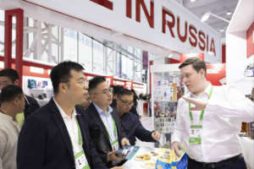
The business-and-entrepreneurship track was designed around the practical needs of companies rather than government-to-government diplomacy. Manufacturers, suppliers, distributors, and service companies were encouraged to use B2B meetings to identify partners, customers, and suppliers and negotiate specific cooperation. This is important because the structure of Russia-China trade is increasingly moving toward smaller and medium-sized companies. The forum’s B2B system effectively created a matchmaking mechanism where participants could specify their sectors of interest, select companies, and schedule meetings. This made the forum less dependent on formal plenary speeches and more dependent on direct commercial interaction.
Business Associations And Regional Cooperation
The business-association track connected companies with organizations representing particular industries and regions. Chinese business associations, including the Union of Chinese Entrepreneurs in Russia and the China Chamber of Commerce for Import and Export of Machinery and Electronic Products, played an important role in identifying commercial opportunities.
The regional emphasis was particularly strong. Chinese delegations came from Shaanxi, Heilongjiang, Fujian, Sichuan, Shandong, Xinjiang, and Chongqing, while Russian participation included around 60 regions and, according to later registration figures, 68 Russian regions. This meant that the forum was effectively matching Chinese provincial economic systems with Russian regional economies, rather than treating China and Russia as two single economic units.
The education and science program was closely linked to economic requirements. The central plenary session focused on “Preparation of personnel for the development of trade and economic relations between Russia and China.” The discussion addressed the shortage of specialists who combine Chinese-language competence with engineering, logistics, investment design, technology, and intercultural communication skills. Tatarstan reported 2,185 Chinese students and placed itself among Russia’s top ten regions by Chinese-student numbers. Around 30 agreements already exist between Tatarstan universities and Chinese institutions, while eight cooperation agreements had been signed with Chinese provinces. A proposed Russian-Chinese University of Advanced Technologies involving Kazan Federal University and Shandong University was presented as a flagship initiative. The economic argument was clear: without people capable of operating between the two systems, investments, logistics corridors, and technology partnerships cannot scale.
Artificial Intelligence, Digitalization And Unmanned Technologies
AI and digitalization were among the most technologically advanced tracks. Chinese companies such as Baidu, which participated in ROSTKI for the first time, brought expertise in artificial intelligence, cloud computing, and autonomous driving. The programme also involved China’s drone industry, while Tatarstan presented its own experience with AI-based public administration. One practical example came from Kazan’s road-management system. According to Tatarstan’s digital-development authorities, algorithms monitor road surfaces continuously, identifying potholes, damaged lighting, and other infrastructure problems before residents formally report them. This provided a concrete case of Chinese-style digitalization being studied alongside Russian regional implementation. Unmanned systems were treated as a future industrial sector rather than merely a consumer-technology market. Tatarstan has more than 50 autonomous-system enterprises, while the region’s drone ecosystem includes specialized education, research, and testing infrastructure.
Microelectronics And Technology Skills

Microelectronics had a dedicated program through the YCS Global Master Cup Russia 2026, an international mobile-equipment repair championship. The prize fund exceeded ₽1 million (US$12,000), with participants from China, Indonesia, Brazil, Russia, India, CIS countries, and Pakistan competing in advanced smartphone repair techniques. Although this may appear peripheral compared with semiconductor manufacturing, it illustrates the forum’s broader technology strategy: building technical skills, service ecosystems, and human capital around imported and localized Chinese electronics.
Construction And Urban Development

Construction was included both as an investment sector and as an area of regional practical cooperation. Chinese companies were interested in industrial construction, specialized equipment, and infrastructure, while Russian regions were examining Chinese experience in urban development and municipal services. The Rostov-on-Don-Kazan dialogue provided a concrete example. The two cities discussed road maintenance, parking, housing and communal services, tourism, and greenhouse production for urban landscaping. Rostov intended to adapt Kazan’s automated greenhouse experience for city beautification. The two cities have cooperated since 2013, with their commercial interests including agricultural machinery, helicopter engineering, and metalworking.
Tourism, Culture And Creative Industries
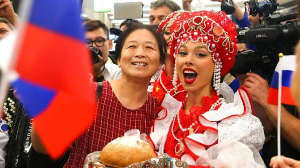
The tourism and culture sections were not merely ceremonial additions. They were designed to build the city-to-city relationships needed to sustain commercial links. Kazan already has relationships with 11 Chinese cities, including Guangzhou, Lijiang, Xi’an, Wuhan, Hangzhou, Harbin, Hefei, Qingdao, Qiqihar, Chengdu, and Shenzhen. A new memorandum of intent was signed between Kazan and Xiamen, Fujian, establishing the basis for future sister-city relations. The cultural program included Sichuan Opera on August 17-18 at the Kamala Theatre; the joint Tatarstan-Dalian project “Sledge” at MOÑ; Chinese Cinema Days at Mir Cinema; exhibitions at the Kazan Kremlin and Tatarstan museums; and a cultural zone featuring performances by more than 150 artists.
There was also a major sporting and networking element. The Dragon Boat races on August 16 involved 18 teams from major Tatarstan enterprises, each crew consisting of ten rowers, a drummer, and a steerer, with at least one woman required. A separate international chess tournament brought together more than 350 players from 60 cities, who played more than 3,000 games in 90 minutes.
The Central Plenary: Personnel As The Economic Bottleneck

The final connecting thread across almost every business track was the August 18 plenary on personnel. Rustam Minnikhanov argued that the next phase of regional Russia-China cooperation requires specialists who combine language skills with high technology, logistics, investment design, and intercultural communication. This is arguably the most important conclusion of the entire program. ROSTKI 2026 demonstrated that the relationship has already moved beyond the question of whether Russian and Chinese companies want to cooperate. They clearly do. The more difficult question is whether the two sides possess enough industrial sites, logistics capacity, payment channels, regulatory interoperability, engineering skills, and bilingual professional personnel to turn thousands of individual contacts into durable supply chains. That is why the forum’s program was deliberately constructed across the entire economic chain—trade → B2B contacts → investment → localization → industrial production → logistics → finance and payments → technology → education → skilled personnel. The 19-track structure was not simply a collection of unrelated conferences. Taken together, it represented an attempt to build the institutional infrastructure required for the next stage of Russia-China economic integration.
Drones And The Low-altitude Economy: A New Technological Frontier
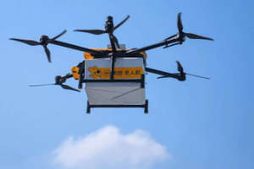
ROSTKI’s technology agenda went beyond conventional industrial cooperation. Rustam Minnikhanov identified the low-altitude economy and unmanned systems as a potentially major field of Russia-China cooperation. Russia currently has 11 experimental legal regimes for unmanned aircraft operating across 28 regions. More than 140,000 flights have been conducted under these experimental frameworks, testing applications including delivery to hard-to-reach locations, agricultural land management, and digital flight modeling. Tatarstan has built an unusually broad ecosystem around the sector. More than 50 enterprises are involved in autonomous systems. Eighteen schools have specialized classes; 26 amateur modeling clubs involve more than 780 schoolchildren; and six professional educational organizations provide training for unmanned aircraft operations. The BAS research and production center at KNRTU-KAI is being equipped with laboratories, test benches, and advanced technology.
The scale of the sector was demonstrated at Kazan’s Dron Expo 2026 in July. The exhibition brought together 230 companies from 20 countries and presented more than 1,000 solutions, ranging from navigation systems to artificial-intelligence technologies. Tatarstan’s ambition is therefore not simply to import Chinese drones. Minnikhanov proposed joint pilot projects, technology-development zones, and logistics corridors, drawing on China’s experience, particularly Shenzhen’s approach to low-altitude economic regulation. The aim is for Tatarstan to become one of Russia’s centers of the emerging unmanned economy. This is exactly the type of cooperation that can raise the technological content of bilateral trade.
Healthcare Becomes A Commercial And Scientific Bridge

Healthcare was another major innovation at ROSTKI 2026. For the first time, Tatarstan’s Ministry of Health and Investment Development Agency organized the Russian-Chinese symposium “Technologies for Health.” The track moved beyond conventional medical equipment procurement. Tudao Medical agreed to provide Tatarstan with an as-yet-unregistered robotic surgical system for laboratory use, allowing Russian doctors to train on transplantation procedures using laboratory animals.
A separate agreement in X-ray and endovascular surgery involved a leading Chinese company and the Kazan State Medical Academy. Chinese companies such as Lonvi Biosciences also presented biotechnology research. The company is studying cellular aging and a compound based on purified grape-seed extract, and it has already signed an agreement with Kazan Federal University to study the drug. The significance is not the immediate commercial value of one medical device or one research compound. It is the creation of institutional connections between Chinese companies and Russian universities, hospitals, and research centers. Such links can eventually produce clinical research, joint laboratories, technology transfer, and localized production.
Education Has Become Economic Infrastructure

Perhaps the most important long-term discussion at ROSTKI concerned personnel. The problem is already visible. Zhou Liqun said the number of people employed in Russian-Chinese joint ventures exceeded 13,000 in 2025. Chinese-Russian joint ventures account for approximately 23% of all foreign-capital joint ventures in Russia, meaning almost one-quarter of enterprises with foreign participation have Chinese involvement.
Yet companies face a persistent shortage of workers with Chinese-language and specialized professional skills. The education figures explain why this problem is becoming more urgent. The share of Chinese students among foreign students in Russia increased from 5% in 2016 to 15% in 2026. At the same time, more than 20,000 Russian citizens are studying at leading Chinese universities. Russia and China now have 15 inter-university associations linking around 800 Russian and Chinese universities. The agenda increasingly includes joint laboratories, research centers, combined scientific competencies, and common technological projects. Tatarstan proposed the creation of the China-Russia University of Advanced Technologies, or KRUTEC. The concept is important because it attempts to institutionalize the skills needed by the new bilateral economy: engineering, high technology, logistics, investment design, language, and intercultural communication. This is not cultural diplomacy in the traditional sense. It is workforce infrastructure.
The Demographic Dimension: China As A Source Of Social-Policy Experience

The healthcare discussion also expanded into long-term care and aging. Tatarstan’s Minister of Labour, employment, and Social Protection Elmira Zaripova said the republic was interested in China’s developing long-term-care insurance system. Russian experts at the forum pointed to China’s experience with large urban care communities and insurance-supported long-term care services. This is significant because demographic change is creating similar policy pressures in both countries. Cooperation in aging, healthcare technology, social services, and active longevity, therefore, creates a new field of non-industrial economic interaction. The Moscow Longevity Project and Tatarstan’s programs for elderly and single citizens were discussed alongside Chinese experience. The result is a broader definition of economic cooperation in which healthcare, education, and social infrastructure become part of the bilateral development agenda.
The Regulatory Problem May Become More Important Than The Tariff Problem

One of the most consequential ideas to emerge from the forum came from the Federation Council. Vorona argued that the economic potential of BRICS and Russia-China cooperation is constrained by incompatible national legislation, particularly technical regulations, phytosanitary requirements, and quality standards. He proposed a BRICS model code on technical regulation and mutual recognition of certificates without repeated national inspections.
He also advocated a unified legal framework for digital trade, standardized electronic signatures and smart contracts, tax-law synchronization, and special legal and tax regimes for joint infrastructure projects. This argument has direct relevance to the Russia-China relationship. Once bilateral trade has reached more than US$200 billion annually, the limiting factor is increasingly not whether companies want to trade but whether they can complete transactions quickly, legally, and predictably. The same principle applies to digital commerce. A company can identify a customer in China within minutes, but the contractual, certification, payment, tax, and logistics processes can still take days or weeks. The next stage of economic integration therefore requires regulatory interoperability.
Creative Industries And The Human Side Of Economic Integration

ROSTKI also expanded into creative industries, tourism, and culture. The creative economy track examined tourism, design, media, animation, and new business models. The forum’s cultural program included Sichuan Opera, Chinese cinema, exhibitions, performances, and exchanges between cultural institutions. The Sichuan Opera premiere was particularly significant because it represented a new level of direct cultural exchange. A joint project between Tatarstan’s Alif association and the Dalian Theater Festival further demonstrated how city-level and institutional networks can create cooperation outside traditional government channels.
Kazan and Xiamen also signed a memorandum of intent concerning future sister-city relations. Rostov-on-Don and Kazan discussed scaling successful municipal practices in road maintenance, urban improvement, parking, housing and communal services, and tourism. Their existing regional relationship dates back to 2013 and covers sectors including agricultural machinery, helicopter engineering, and metalworking. This municipal dimension is easy to overlook, but it is precisely where economic cooperation becomes durable. A national trade statistic measures transactions; a city partnership creates recurring networks of businesses, universities, cultural institutions, and residents.
The Regional Map Is Becoming The Real Map Of Russia-China Relations
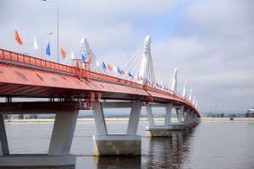
The participation of Shaanxi, Heilongjiang, Fujian, Sichuan, Shandong, Xinjiang, and Chongqing demonstrated that the Chinese side is also becoming more regionally diversified. Minnikhanov held talks with Shaanxi Deputy Governor Wu Wengan, describing the province as an important economic, scientific, and cultural center while acknowledging that Tatarstan-Shaanxi cooperation remains underdeveloped. Both sides identified the forum as an opportunity to establish direct business and cultural contacts. He also met representatives of Shandong Hayspide, a Chinese state-owned transport-infrastructure investment company involved in transport infrastructure, engineering, construction, technical services, and new energy. Shandong-Tatarstan cooperation has already continued for 18 years across investment, science, and education. For Tatarstan, this diversification matters. China is not one market. It is a network of provinces, cities, and industrial clusters, each with different technological and commercial capabilities. The same logic applies on the Russian side. Amur is positioned around the border and China-facing logistics. Orenburg has transport and agricultural potential. Tatarstan provides industrial and technological depth. Moscow provides finance and corporate headquarters. The Urals provide machinery and metallurgy. The Volga regions offer manufacturing and logistics. ROSTKI is beginning to connect these pieces.
A Quieter But More Resilient Investment Architecture
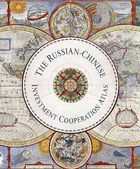
The presentation of the Russian-Chinese Investment Cooperation Atlas may ultimately prove to be one of the forum’s most important institutional results. Prepared by Russia’s Ministry of Economic Development and the Russian Direct Investment Fund, the Atlas is intended to give Chinese investors practical information about Russian regions, investment conditions, support measures, and procedures for launching projects. It is designed to reduce the information gap between foreign companies and regional authorities. The Atlas will soon be available on the Russian Embassy in China’s website, distributed through business associations and Russian-Chinese forums, and integrated into the Ministry of Economic Development’s unified digital investment support system.
This is a very different instrument from a political declaration. For a Chinese investor, the question is not whether Russia welcomes investment. The question is Which region? Which industrial park? Which tax incentive? Which development institution? What infrastructure is available? How are approvals obtained? Who is the local partner? Where are qualified workers? By answering those questions systematically, the Atlas can reduce transaction costs and make the regional investment process more predictable. It is scheduled to be presented through the Russian-Chinese Intergovernmental Commission on Investment Cooperation and at the second Russian-Chinese Forum in Khabarovsk on September 4-6, 2026.
What The 21 Agreements Really Tell Us

The official result, 21 agreements, requires careful interpretation. The complete public roster of all 21 documents, including every counterparty, financial value, implementation schedule, and investment volume, has not been released. Some parties explicitly preferred confidentiality. Consequently, it would be incorrect to attach a total investment value to the forum or to claim that every investment intention became a signed contract. But several concrete outcomes are visible.
The TGK-16 and Network Company cooperation with TBEA creates a route into Chinese power equipment technology. The Kazan-Xiamen memorandum establishes a framework for closer municipal relations. The Tudao Medical arrangement opens a medical-technology cooperation channel. Educational institutions and businesses signed project-related documents. Orenburg developed cooperation with the Union of Chinese Entrepreneurs in Russia around economic and logistics ties. Rostov-on-Don and Kazan agreed to scale municipal practices. Chinese companies explored semiconductor, industrial equipment, automotive service, laser, drone, and specialized equipment projects. These outcomes cover an unusually wide value chain: energy, healthcare, education, manufacturing, logistics, municipal infrastructure, and advanced technology. That breadth is more important than the raw number of signatures.
The Real Obstacle Is Execution

ROSTKI has reached a point where the forum itself is no longer the main challenge. The challenge is what happens after Kazan. A semiconductor discussion must become a feasibility study, then an investment decision, then a site, financing, equipment, workers, and production. A drone partnership needs certification and regulatory approval. An agricultural agreement needs phytosanitary clearance and logistics. A medical technology agreement needs clinical and regulatory pathways. A Chinese investor needs a regional industrial site and predictable rules. This is why the Atlas, industrial parks, education programs, payment infrastructure, and logistics discussions are as important as the 21 signed documents. The forum’s next test is therefore measurable: how many of the 2026 investment intentions become operating projects by 2027, how much new production is localized, how much bilateral trade is generated by new regional partnerships, and how many Russian companies successfully enter China.
ROSTKI’s Strategic Significance Extends Beyond Tatarstan
The forum has now developed into something that did not exist when it began in 2023: a standing regional infrastructure for Russia-China economic relations. Chinese companies can meet Russian governors, mayors, industrial parks, universities, banks, hospitals, and development agencies in one location. Russian regions can identify Chinese suppliers, investors, and technology partners without relying exclusively on federal-level channels. That is particularly important under present external conditions. Russia-China economic relations are becoming more decentralized, not less. National political relations provide the strategic framework, but regional governments increasingly determine where factories are built, where logistics routes operate, where Chinese technology is localized, and where joint education programs are created. Minnikhanov’s own schedule illustrates this direction. In 2026 he had already visited two Chinese regions, with two additional trips planned for the autumn, including participation in a high-technology exhibition in Shenzhen and a visit to Shandong. This is regional economic diplomacy becoming routine rather than exceptional.
Summary: From Kazan To 2027
The fifth ROSTKI forum is scheduled for August 17-18, 2027, again in Kazan. By then, the key measure of success will not be whether ROSTKI attracts another 200 Chinese companies or another 7,000-10,000 visitors. Those numbers are already sufficient to establish the platform’s relevance. The more meaningful indicators will be different. Rootkit’s most important achievement in 2026 was to make that transition visible.
The forum has moved from being a meeting place for Russian and Chinese representatives to becoming an economic assembly line connecting Chinese capital and technology with Russian land, industry, infrastructure, science, and human capital. If the 21 signed agreements are converted into operating projects, and if the much larger pipeline of semiconductor, industrial-equipment, automotive, laser, drone, medical, agricultural, and logistics initiatives is systematically developed, Kazan will have achieved something considerably more important than a successful four-day forum. It will have helped build part of the regional economic infrastructure through which Russia and China can attempt to turn a US$200-billion-plus relationship into a US$300-billion one. And that is why the most important ROSTKI number is not 21, 60, 68, 200, or 7,000. It is the number of projects that will be operating five years from now.
This analytical report was written by M. Jahan, an expert and reporter on Sino-Russian affairs for RPA. She may be contacted at info@russiaspivottoasia.com