Русский








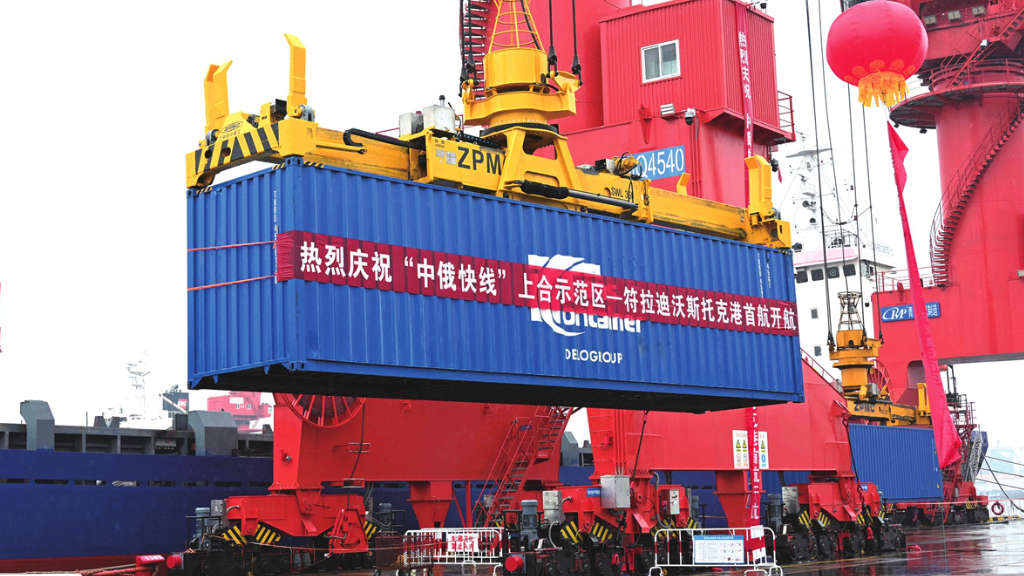

The latest developments in China-Russia economic cooperation demonstrate that the bilateral partnership is undergoing a significant structural transformation. The first half of 2026 was marked not only by record trade expansion, with bilateral trade reaching US$134.1 billion, but also by a series of interconnected developments across regional cooperation, transport infrastructure, industrial production, research collaboration and investment promotion. Taken together, these events reveal that the principal drivers of China-Russia economic relations are shifting from large state-led projects toward a broader ecosystem built by regional governments, businesses, universities and cross-border industrial clusters.
We have previously remarked on this decentralized approach by Moscow, which is encouraging the border regions of Russia to actively pursue economic activity and investments in neighbouring countries. This technique – increasing Russian regions interaction with ‘near abroad’ regions has also been taking place in Kazakhstan, Kyrgyzstan and Uzbekistan.
Five Russian federal subjects (regions) share a direct land border with China, and the same philosophy – of encouraging the regional governments to take steps to develop their regional economies, trade, investment and infrastructure with China is making bilateral economic ties more diversified, institutionally stronger and increasingly resilient to external geopolitical pressures.
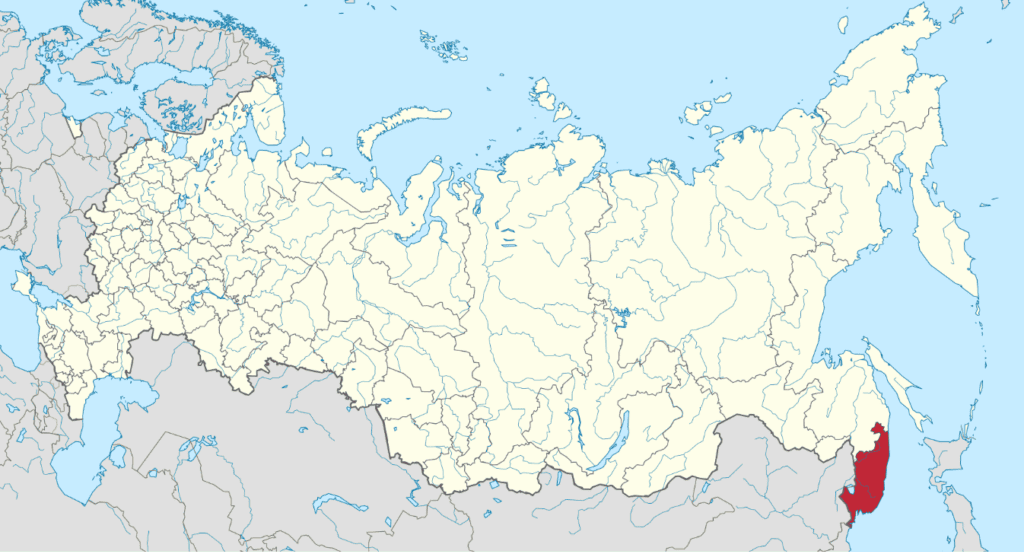
Primorsky Krai – Heilongjiang: Evolving from Border Provinces into a China-Russia Cooperation Hub

Among all Chinese provinces, Heilongjiang is emerging as the intellectual and policy centre of China’s Russia strategy. Primorsky Krai shares a total land and lake border with China’s Heilongjiang and Jilin provinces of about 1,500 kilometers.
This transformation became particularly evident with the release of six Russia-China related research papers by Heilongjiang University on July 25 this year. These were:
- The China-Russia Economic Cooperation Development Report,
- The Russian Far Eastern Federal District Development Report,
- The Russian Rule of Law Development Report,
- The Russian Higher Education Development Report,
- The Russian Chinese Education Development Report,
- The Northeast Asia Northeast Waterway Development Report.
More than 100 Russia specialists from over 30 universities and research institutes across China contributed to these papers.
Unlike traditional academic publications, these reports directly address practical challenges facing businesses, policymakers and investors. They evaluate logistics corridors, legal environments, education cooperation, regional development, transport connectivity and institutional reforms supporting China-Russia economic integration.
The China-Russia Economic Development Report stated that bilateral trade has surpassed US$228 billion, exceeding the US$200 billion mark for three consecutive years. The partnership is transitioning from a focus purely on trade scale to higher quality, efficiency, and high value-added manufacturing and tech integration, and that the structure of bilateral trade is continuing to improve, with high value-added products making up a growing share.
Cooperation is increasingly focused on quality and efficiency rather than simply expanding in scale, it said. The report urged the two countries to strengthen technological collaboration, integrate their industrial chains more closely, improve cross-border transport, energy and payment networks, and expand trade in higher-value and green products as well as digital services. It also recommended using institutional innovation to remove barriers to cooperation and cultivate new growth areas in new energy, smart grids and digital finance, with the aim of broadening and deepening bilateral cooperation while improving its quality.
The Black Dragon Eye

Equally significant was the launch of “Black Dragon Eye” an artificial intelligence-powered Russian studies platform integrating big data analysis, language technology and policy research. It is named after the artificial intelligence-driven Russian research and situational awareness platform launched by Heilongjiang University in Harbin, China, paired with the geographic concept of the Amur River, historically known in Chinese as the Heilongjiang or “Black Dragon River”.
Russia has also become a founding member of the World Artificial Intelligence Cooperation Organization (WAICO), signing an agreement on Thursday (July 16) in Shanghai to establish the institution. As bilateral trade becomes more sophisticated, economic decision-making increasingly depends on high-quality data rather than intuition. The creation of AI-supported analytical infrastructure suggests that China is preparing for a much more complex and diversified partnership with Russia in the coming decade. This investment in knowledge infrastructure deserves as much attention as new railways or ports. Modern international trade increasingly depends on information, regulatory understanding, market intelligence and risk assessment. Universities and think tanks are therefore becoming invisible but essential components of cross-border economic competitiveness.
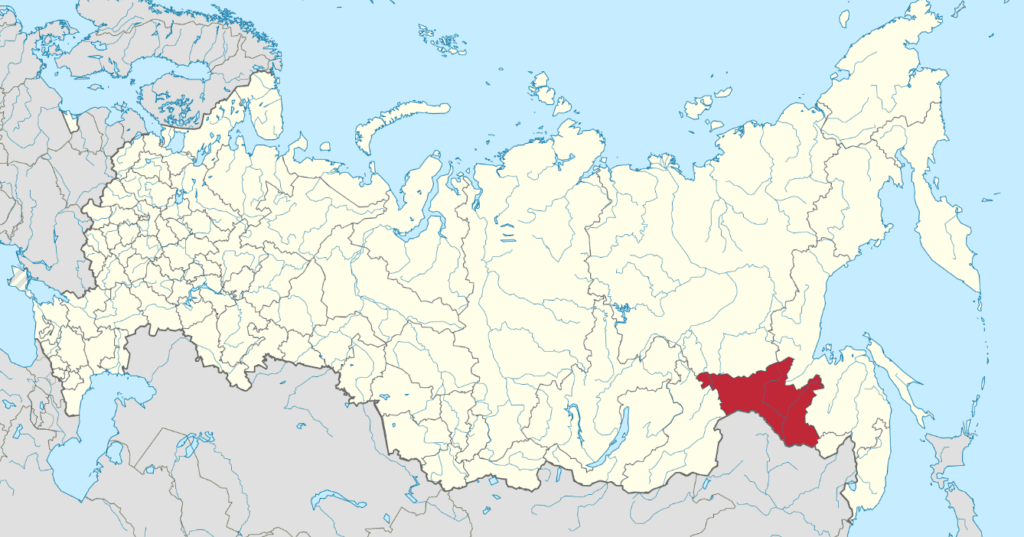
The Amur – Heilongjiang Region: Turning Two Border Cities into One Economic Zone

No project better illustrates the changing nature of China-Russia relations than the Blagoveshchensk-Heihe cross-border cable car, the first international cable car connecting China and Russia. The cableway has completed its main construction and is scheduled to be finished by the end of 2026. Blagoveshchensk is in Russia’s Amur Oblast and borders China’s Heilongjiang Province.
Upon operation, the project will further improve the efficiency of personnel exchanges between the two countries. Extending for 970 meters above the Amur River, the cableway employs one of the world’s most advanced cableway operation systems. With two cabins, each holding up to 110 passengers, it runs at a top speed of 12 meters per second, completing a one-way trip in six to eight minutes. The system is designed to carry 2.6 million passengers in one direction each year.
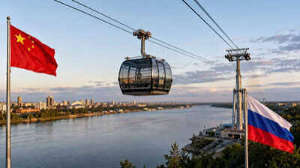
Once completed, the cableway will create a multi-dimensional cross-border transport network in Heihe featuring bridges, ferries and cableways, driving coordinated development of tourism, logistics and trade industries in the border regions of the two countries
Unlike mega-projects valued in billions of dollars, the cable car is relatively modest in scale. Yet its economic significance extends far beyond transportation. Once operational, passengers will be able to cross the Amur River in only a few minutes, replacing seasonal ferry services and substantially reducing travel time between the two neighbouring cities.
From a trade perspective, the project represents the evolution of border cooperation from cargo logistics toward integrated urban economies. Border cities increasingly depend not only on freight but also on tourism, retail, business services, education, healthcare and professional exchanges. The cable car is expected to stimulate all of these sectors simultaneously.
Heihe has already become one of China’s most important windows into the Russian Far East, while Blagoveshchensk serves as a key commercial centre in Russia’s Amur Oblast. Faster passenger mobility will encourage business negotiations, exhibition activities, tourism, educational exchanges and small-scale commercial trade. Instead of functioning as two separate cities divided by a river, they are gradually evolving into a single cross-border economic zone.
This project complements the existing highway bridge and the planned fifth railway crossing, demonstrating that China and Russia are constructing a comprehensive transportation system combining highways, railways, river ports and passenger infrastructure. Such diversification reduces logistical vulnerabilities while supporting the rapid growth of bilateral commerce. On August 10, President Putin said he would give the opening of the Russia-China cross-border cable car national-level status, with the launch scheduled for May 2027. He made the remarks in Ulan-Ude, Russia, during a meeting with leading representatives of the urban-planning sector, after one participant invited him to the cable car’s opening. Putin said he would discuss with Chinese colleagues and friends making the opening a joint Russia-China event.
The Khabarovsk – China Amur River Connectivity

Khabarovsk Krai shares a 260 km border with China’s Heilongjiang Province, which runs along the Amur River border. Disputes along the Amur (Heilongjiang, or Black Dragon) River involving several islands along the Amur were finally resolved in 2004, when Russia transferred Tarabarov Island and about half of Bolshoy Ussuriysky Island (Heixiazi Island) to China, ending decades of territorial friction. Today, what used to be a militarized zone has become a major transport and logistics artery between the two countries.
This is especially true at Bolshoy Ussuriysky Island, which is being massively developed as a significant bilateral industrial focal point. A new transport and logistics centre to service freight transport between Russia and China is being developed in Russia’s Far Eastern Khabarovsk, and includes a vehicle checkpoint on the border with China on the Bolshoy Ussuriysky Island on the Amur River, becoming part of a substantial cross-border transport hub in the Khabarovsk region.
The Bolshoy Ussuriysky Island is connected on the Russian side with the city of Khabarovsk, which in turn is the largest city in the Russian Far East with a population of about 670,000. It is on the Trans-Siberian railway, the Trans-Siberian Highway, and has major River Ports and air connectivity throughout Russia, China, and Central and East Asia. Its main industries are iron processing, steel milling, shipbuilding, machinery and light industry manufacturing, petroleum refining, flour milling, pharmaceuticals, and packaging.
The other half of the island belongs to China, and is connected to the Chinese city of Jiamusi, a major transit port and distribution centre of goods, serving as the economic hub of China’s eastern Heilongjiang province. It has a population of about 2.2 million. A new high-speed railway, the Jiamusi-Mudanjiang high-speed railway line, connects directly with Harbin, Dalian, Shijiazhuang and other cities. Jiamusi Airport also operates regular flights to Beijing, Dalian, Shanghai, Qingdao, Guangzhou, Sanya and Khabarovsk.
Jiamusi is connected to Khabarovsk by the downstream Songhua River, which flows south from the Amur. Jiamusi port provides seasonal cargo and passenger services, sailing up the Songhua River to Qiqihar, Harbin and Tongjiang as well as to Khabarovsk. The road distance between Khabarovsk and Jiamusi is 502 km.
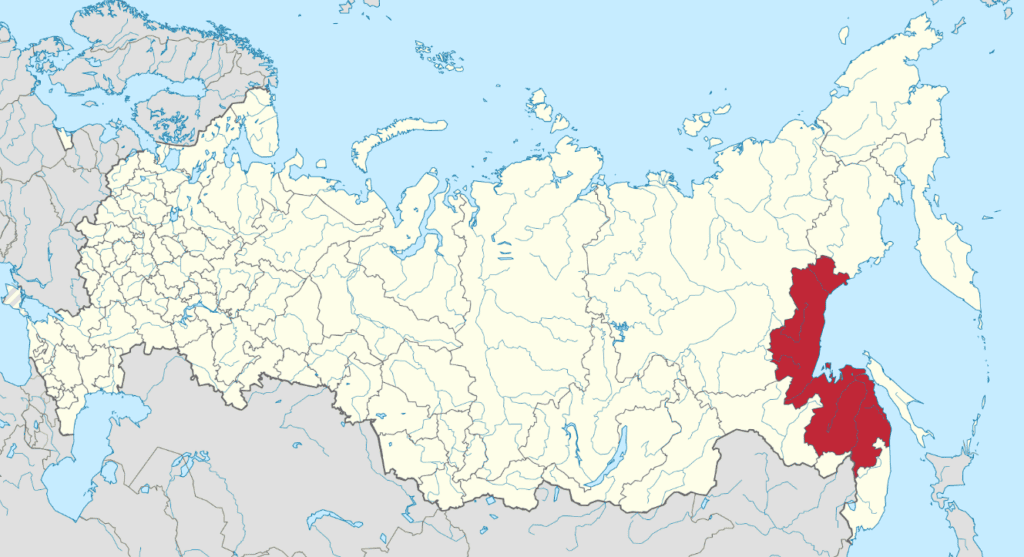
Mikhail Plotnikov, the CEO of Russia’s A2 Group, who are involved in the construction, says that the integration of Russian and Chinese transport infrastructure will create conditions for Khabarovsk to become a global dry port, a cross-border centre for transport, industrial, economic and tourism cooperation.

According to Plotnikov, it is also planned to build warehouses, customs, quarantine and phytosanitary control facilities, refrigeration complexes, automobile posts, as well as transport and social infrastructure, including a hotel, an automobile service centre, an administrative building and a gas station with a total area of 137,000 square metres.
The concept of joint development of the Bolshoy Ussuriysky Island was signed in May 2024 during the visit of Russian President Vladimir Putin to Beijing. The Chinese side has already begun work on the construction of a permanent cargo and passenger checkpoint between the two countries. The Russian side started the direct implementation of the project in 2025. It is expected that the crossing will be able to receive transport later in 2026/27, and it will be put into full operation in 2028. According to preliminary calculations, its capacity will increase to 1.3 million tonnes of cargo and up to 1 million people per year.
This new cargo and passenger checkpoint, in conjunction with China’s plans to develop a similar infrastructure, will make it possible to form a new major international transport hub in the Far East servicing both Russian, Chinese and Far Eastern logistics.
The redevelopment of the island, including the opening of a new Russia-China border crossing, is stimulating billions of rubles of investment into the area, according to the Khabarovsk Minister of Economic Development, Viktor Kalashnikov.
Several projects, taking advantage of the new border crossing with China are to be built, with an estimated value of ₽100 billion (US$1.1 billion).
Kalashnikov said that “We have started the active phase of construction of a cargo and passenger checkpoint on Bolshoy Ussuriysky Island. The development of logistics complexes, including the creation of “dry” ports in conjunction with the opening of a checkpoint, will make it possible to realize the export potential, and increase the regions transit potential. The transport and border infrastructure can also be used by other regions of Russia to export their own products to the Asia-Pacific region. Investment projects directly gravitating towards the checkpoint include 19 projects with investments of more than ₽100 billion.” He specified that these are mainly projects in logistics, tourism and hotel construction.
The island is also intended to become a platform for the ‘International Territory of Advanced Development’ (ITAD), which is scheduled to start development in 2025. The ITAD is a type of Free Trade and Development Zone, which offers favourable tax and customs conditions for the implementation of joint projects with foreign partners and is specifically targeted at the production of products with high added value. It is expected that Chinese investors will be the main foreign partners in the ITAD.
The Jewish Autonomous Oblast – Heilongjiang Connection: Creative Industries Become a New Frontier

While infrastructure, manufacturing and energy continue to dominate the China-Russia economic agenda, recent developments indicate that the bilateral partnership is expanding into knowledge-intensive and service-oriented sectors.
A notable example was the International Forum of Creative Industries and Hospitality, held from July 24 to 27 in Birobidzhan, the administrative centre of Russia’s Jewish Autonomous Oblast (JAO), which shares a 440km border also with China’s Heilongjiang Province, also running along the length of the Amur River.
This four-day forum brought together government officials, entrepreneurs, investors and creative industry professionals from ten Russian regions and China, highlighting how regional governments are increasingly using the creative economy as a tool to attract investment, diversify local industries and strengthen cross-border cooperation.
The scale and composition of the forum reflected this new economic direction. More than 30 business, cultural and professional events were organised, with the participation of over 40 leading experts in artificial intelligence, digital technologies, programming, tourism, fashion, industrial design, education, intellectual property and regional branding. Rather than functioning as a conventional cultural exhibition, the forum served as a business platform where regional administrations, SMEs, technology companies, designers, tourism operators and educational institutions explored new commercial partnerships and investment opportunities across the Russia-China border.
The forum also underscored an important shift in Russia’s regional development strategy. Speaking at the opening ceremony, JAO Governor Maria Kostyuk described creative industries as a sector capable of generating employment, supporting entrepreneurship, attracting private investment and improving regional competitiveness. This aligns directly with Russia’s national objective of increasing the contribution of creative industries to 6 % of GDP by 2030.
In the Jewish Autonomous Oblast itself, the proportion of creative enterprises among small and medium-sized businesses has already increased from 3.3 % to 4.4% over the past five years, demonstrating that regional governments are treating creative industries as productive economic assets rather than purely cultural activities.
From a China-Russia perspective, the significance of the forum extends well beyond cultural exchanges. Chinese provinces possess globally competitive capabilities in digital entertainment, e-commerce, animation, online tourism platforms, smart hospitality, AI applications and cultural product commercialization. As Russia seeks to diversify regional economies beyond traditional industries, these sectors offer new avenues for provincial-level cooperation through joint tourism projects, digital service exports, creative business incubators, vocational training and technology transfer.
The growing interaction between Chinese enterprises and Russian regional governments therefore suggests that the next phase of bilateral cooperation will increasingly include the service economy alongside manufacturing and commodities.
More importantly, the forum illustrates a broader structural trend emerging across China-Russia economic relations. Regional cooperation is no longer confined to border logistics, energy pipelines or industrial production. Increasingly, local governments are competing to build innovation ecosystems that integrate creative industries, technology, tourism and entrepreneurship into their economic development strategies. This diversification broadens the foundations of bilateral cooperation, creating new channels for investment and business engagement that complement the traditional pillars of energy, transport infrastructure and manufacturing. As China and Russia continue to deepen ties, creative industries are becoming not merely a cultural bridge but an emerging pillar of regional economic integration and long-term sustainable growth.
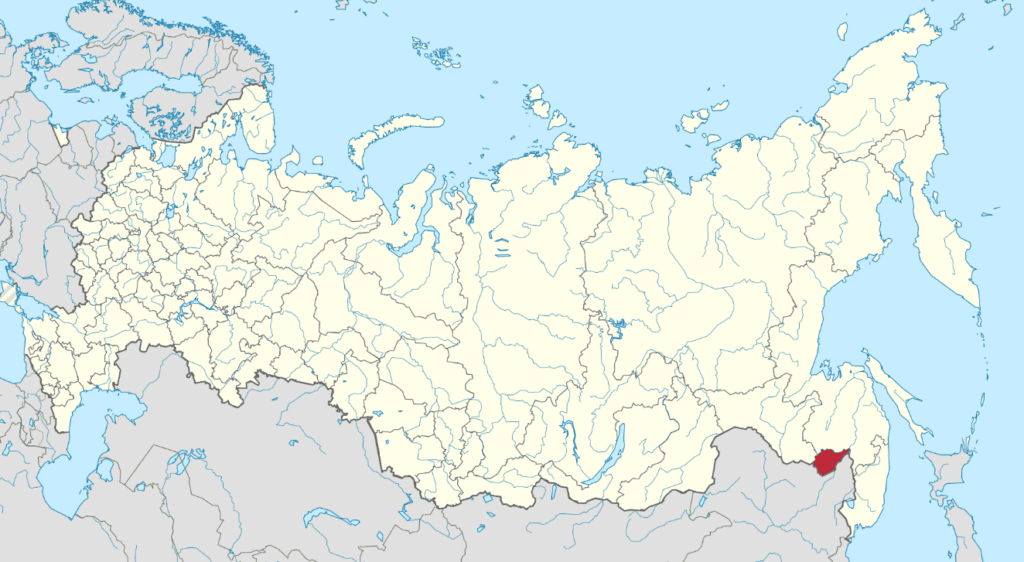
Russia’s Jewish Autonomous Oblast serves as an important cross-border trade and logistics gateway to China, strengthening economic integration with neighboring Heilongjiang Province. The region is connected by the Tongjiang-Nizhneleninskoye railway bridge across the Amur River, which links Nizhneleninskoye in Russia with Tongjiang in China and functions as a major freight transportation corridor. To support increasing trade, logistics terminals and petrochemical cargo complexes are being developed near the bridge to manage growing export and import volumes, while local authorities have also proposed a new road bridge connecting Pashkovo with Jiayin. The JAO exports key commodities such as iron ore, coal, timber, and agricultural products to China’s northeastern industrial region through these transport links.
In return, the JAO serves as an entry point for Chinese machinery, consumer electronics, and automotive parts that are distributed throughout the Russian Far East. Economic activity in the JAO’s capital, Birobidzhan, is closely tied to cross-border commercial partnerships, joint ventures, and investment from neighboring Chinese provinces, making the region a significant hub for bilateral trade.
Zabaykalsky Krai – Inner Mongolia: Manzhouli As An Industrial Gateway

The economic relationship between Russia’s Zabaykalsky Krai and China’s Inner Mongolia is entering a more important phase, simply because the Manzhouli-Zabaikalsk gateway is evolving from a conventional border-transit point into an integrated logistics, processing and industrial platform.
The scale of the transformation is visible in the numbers. In 2025, cargo handled through Zabaykalsky Krai’s checkpoints with China reached roughly 24.8-25 million tonnes, while Manzhouli handled 4,867 China-Europe freight trains, 11.2% more than a year earlier, carrying 506,000 TEUs. Even more significant was the performance of returning trains: 2,977 services, up 21% year on year and the highest figure in China. Manzhouli increasingly functions not merely as an entry point for Chinese goods into Russia, but as a two-way Eurasian logistics node.
The decisive infrastructure development is the second railway track. In May 2026, Russia and China signed an intergovernmental agreement to construct a second 1,435-mm track on the approximately 12-kilometre cross-border Zabaikalsk-Manzhouli railway section. The existing configuration is constrained by a single track and the Russian-Chinese gauge difference, requiring cargo operations and wagon changes at Zabaikalsk. The new track is designed to allow trains to move simultaneously in both directions and could enter operation as early as 2027. By 2030, the project is expected to add approximately 11 million tonnes of annual capacity, with the potential to support as many as 50 train pairs per day. This is strategically important because Russia-China rail freight had already reached approximately 187 million tonnes in 2025, roughly double the level five years earlier.
The railway is only one layer of the gateway. The Zabaikalsk automobile checkpoint is also being modernized, while a large transport-logistics centre is being developed on the Russian side. Reconstruction of Russia’s largest China-border crossing, the Zabaikalsk International Automobile Checkpoint (MAPP), began under Rosgranstroy and the national “Efficient Transport System” project; its capacity will rise 5.5× to 2,400 vehicles/day (1,600 trucks), with lanes increasing 17 to 28 and 147 facilities built/reconstructed.
This work is continuing without closing the checkpoint, with full modernization due in 2028, aiming to eliminate queues, accelerate customs clearance, improve China-Russia road delivery reliability, and reduce logistics costs for suppliers, foreign-trade participants, and retail chains.
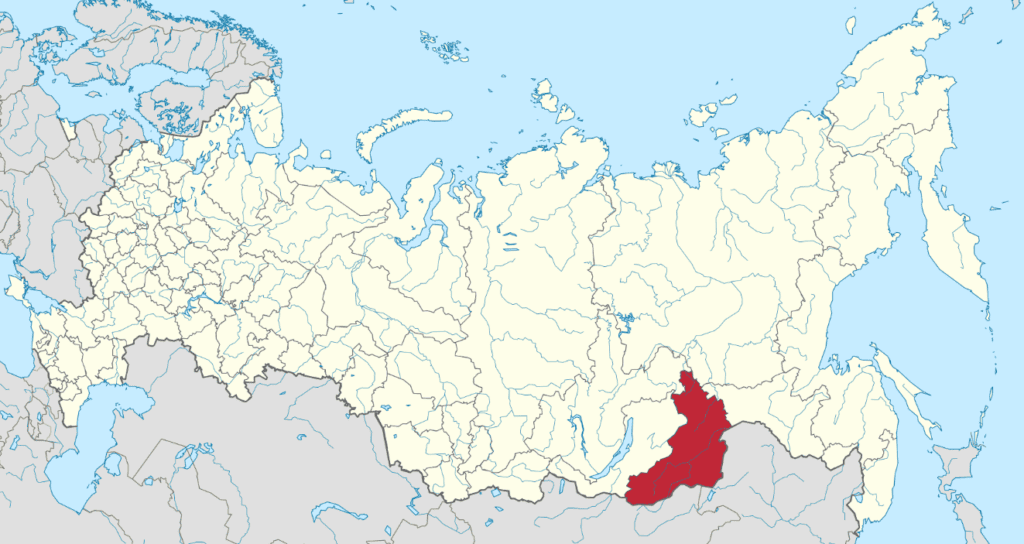
The 34th meeting of the Zabaykalsky Krai-Manzhouli coordination committee in Chita in October 2025 focused on checkpoint operations, transport infrastructure and accelerating reconstruction. At the same time, the restoration of the passenger railway link on March 8, 2026, after a six-year suspension, added a human and commercial dimension to the corridor. The service currently operates two round trips a week, covering the approximately 9.8-kilometre route in about 25 minutes, with upgraded facilities intended to accelerate customs procedures.
An even more consequential change is occurring behind the customs gates. The Manzhouli Border Residents’ Mutual Trade Zone has become an instrument for connecting small-scale cross-border commerce with Chinese processing industries. Following the closed-customs operation of the railway-port mutual-trade zone in 2024, the local “mutual trade plus” model helped reduce raw-material costs for Chinese enterprises.
A local Manzhouli grain-processing company increased agricultural imports from Russia from approximately 7,400 tonnes to 19,000 tonnes in 2025. Border residents receive a daily tax-free mutual-trade quota of ¥8,000 (₽100,000, or US$1,200) – an amount equivalent to annual China-Russia duty free purchases of US$433,000, which is stimulating small traders on both sides of the border. Larger enterprises purchase imported agricultural products through cooperatives. This creates a mechanism in which Russian agricultural output is not simply exported but enters Chinese processing and distribution chains.
The emerging grain corridor illustrates this transition particularly well. The China-Russia New Land Grain Corridor links Russian production with Chinese logistics and processing capacity, with the Zabaikalsk grain terminal serving as a flagship facility equipped with dual-gauge railway infrastructure. Russian grain and agricultural products can therefore move into Manzhouli not as an isolated commodity flow but as part of a broader supply chain covering overseas production, cross-border transport, processing and distribution. The Russian side has consequently gained an opportunity to expand exports of higher-value agricultural products, while Inner Mongolia gains a stable source of raw materials for its food-processing sector.
This is where the new China (Inner Mongolia) Pilot Free Trade Zone could change the economic equation for Zabaykalsky Krai. The zone consists of three sub-zones in Hohhot, Manzhouli and Erenhot, giving Inner Mongolia, a geographically unusual combination of Russian, Mongolian and Chinese interfaces. Although the FTZ occupies only about 0.01% of Inner Mongolia’s territory, its potential economic impact is considerably larger because it can introduce institutional innovations, streamline cross-border trade and connect ports with industrial parks and bonded facilities. The policy logic is particularly relevant to Manzhouli: instead of moving Russian resources through China with limited local value creation, the city is expected to develop imported-resource processing, cross-border tourism and finance, strengthening its role as a China-Russia-Mongolia platform.
For Zabaykalsky Krai, the most important implication is therefore not simply another increase in cargo throughput. The FTZ will create demand for Russian coal, timber, fertilizers, metals and agricultural products to be processed closer to the border. It is also likely to create new markets for logistics, warehousing, packaging, cold-chain facilities, agricultural processing and financial services. Inner Mongolia’s broader port system gives this development scale: the autonomous region has 20 opening-up ports, while freight throughput at 14 land ports reached a record 132 million tonnes in 2025. Manzhouli, Erenhot and Ganqimaodu are specifically prioritized for upgrading under the FTZ framework.
The next opportunity is technological rather than purely physical. The Hohhot sub-zone is designed to promote new energy, new materials, biomedicine and next-generation information technology. The Inner Mongolia Data Exchange Center already has 1,050 ecosystem enterprises and cumulative transactions of ¥1.18 billion (US$17 million). Its proposed cross-border data framework could facilitate commodity traceability and logistics-data sharing with Russia and Mongolia. This matters for Zabaykalsky Krai because the future border corridor will increasingly depend on digital customs, cargo tracking, supply-chain visibility and coordinated logistics rather than simply more railway capacity.
The strategic logic is therefore clear: Manzhouli is moving from a border gate to an economic interface. The second railway track raises physical capacity; the automobile checkpoint and logistics centre improve multimodal connectivity; the mutual-trade zone connects small businesses and households to supply chains; the grain corridor links Russian agriculture to Chinese processing; and the Inner Mongolia FTZ provides the institutional framework for converting transit flows into local value added.
For Zabaykalsky Krai, this creates a possibility to move beyond the traditional export model of raw materials and become a supplier of processed agricultural, mineral and timber products integrated into Chinese industrial chains. The border is becoming less a line separating two markets and more a production-and-logistics system connecting them.
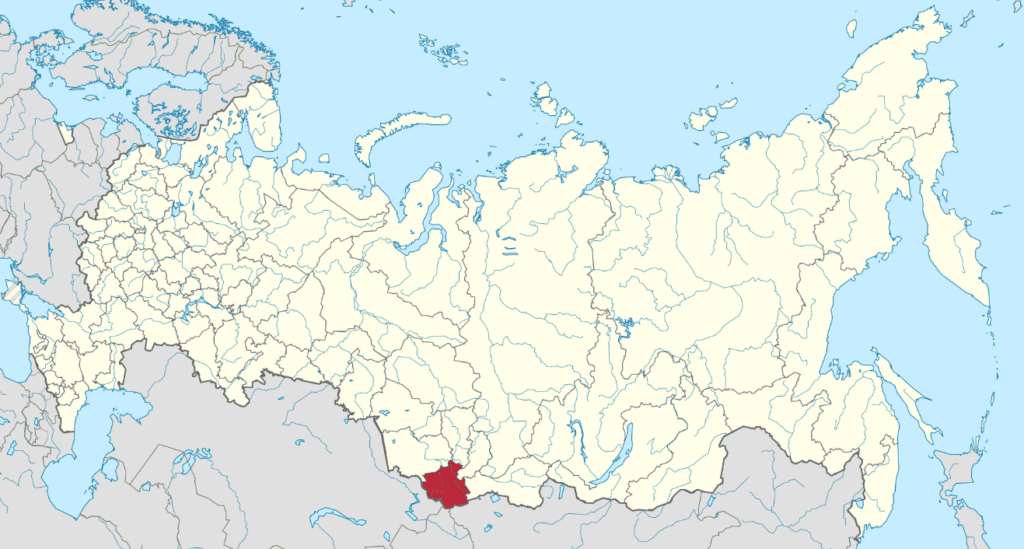
Altai Republic – Xinjiang: Growing Economic Geography

The Altai Republic presents a very different model of Russia-China cooperation. It shares only a short southern border of approximately 54-55 kilometres with China’s Xinjiang Uygur Autonomous Region in the high Altai Mountains, but there are currently no active road, rail or direct border checkpoints across this section. The physical geography is decisive: the Russian Altai sector is squeezed between Kazakhstan and Mongolia, and the difficult mountain terrain has prevented the creation of a conventional Russia-China border gateway. Consequently, the economic relationship with Xinjiang is developing through a wider Trans-Altai geography involving Mongolia and Kazakhstan rather than through a single direct checkpoint.
The key cities and nodes involved in this connectivity are Gorno-Altaisk on the Russian side and Altay and Urumqi on the Chinese side, while the practical transport architecture involves the Tashanta-Hovd-Yarantai/Takeshken direction through Mongolia. The proposed AN-4 route is particularly important. The route from Novosibirsk toward Urumqi runs through Russia’s Altai transport system, western Mongolia and onward toward Xinjiang. Russian carriers have argued that putting the Mongolian section into operation could reduce logistics costs, intensify trade and shorten delivery times. In April 2022, representatives of Altai Krai inspected the AN-4 section in western Mongolia connecting China’s Takeshken checkpoint with Russia’s Tashanta direction. This means that although there is no direct Altai Republic-Xinjiang crossing, a functional corridor can still be created through Mongolia.
Xinjiang itself is becoming sufficiently large to pull neighbouring Russian regions into its expanding trade geography. In 2025, Xinjiang’s foreign trade reached ¥520.37 billion (US$77.2 billion), increasing 19.9% year on year and exceeding ¥500 billion for the first time.
Trade with the five Central Asian countries reached ¥276.69 billion (US$41 billion) while trade with Belt and Road countries reached ¥458.37 billion (US$68 billion) up 14.7%. Of these five Central Asian countries, two (Kazakhstan, & Kyrgyzstan) are members of the Eurasian Economic Union, and another two (Tajikistan & Uzbekistan) are members of the Commonwealth of Independent States. The fifth, Afghanistan, has its leadership, the Taliban recognized by both Beijing and Moscow and is beginning to return to some stability. It should be noted that direct flights and road connectivity exist between Urumqi and Kabul, while Urumqi itself is Central Asia’s wealthiest city.
Cross-border e-commerce exports increased 232.8%, while imports under cross-border trade increased 68.5%. The composition of trade is also changing: mechanical and electrical exports reached ¥186.5 billion, up 40.7%, while exports of high-tech equipment increased by almost 70%. This is precisely the type of industrial transformation that can create opportunities for Russian Altai producers, not only in commodities but also in food, tourism, logistics and niche cultural products.
The June 2026 International Conference for Trans-Altai Subregional Cooperation demonstrated how this economic geography is expanding. The conference brought together Russia, China, Kazakhstan, Mongolia and, for the first time, Kyrgyzstan and Turkmenistan. The Trans-Altai area covers about 780,000 square kilometres and has a population exceeding 5.2 million. One hundred cooperation outcomes were presented across connectivity and logistics, mineral resources and energy, science and technology, healthcare, culture and education, trade and investment, and sister-city cooperation. The significance is that Xinjiang is attempting to turn the Altai region from a peripheral mountain space into a multi-country economic platform.

For the Altai Republic, the most immediate gains are appearing in niche exports. In September 2025, Russia and China signed a protocol on quarantine and veterinary requirements for dried maral antlers for medical purposes. On February 12, 2026, the necessary veterinary certificates had been agreed, with local producers awaiting accreditation. The economic importance is substantial for a region with more than 52,000 marals, the largest concentration in Russia. Regional authorities explicitly linked renewed Chinese exports with the possibility of taking maral farming out of crisis conditions.
The tourism channel is developing in parallel. In June 2026, Manzherok hosted 15 Chinese tourism-industry representatives and influential bloggers whose combined social-media audiences exceeded 10 million. The resort had already received “China Friendly” certification in 2025, providing Chinese-language information, Chinese cuisine and television services. The Altai Republic is building a Chinese-oriented tourism product at the same time that Xinjiang is developing its own Altay tourism and winter-sports economy. This creates the possibility of a wider “Greater Altai” tourism circuit rather than isolated destinations.
The infrastructure story is more complicated. The proposed Power of Siberia 2/Altai gas route through the Altai Republic remains stalled over commercial and pricing issues, while direct road and rail connectivity across the Russian-Chinese Altai border remains undeveloped. Yet the planned ₽5billion (US$70 million) container terminal project involving Swift Group and Russian Railways, with a projected annual cargo capacity of 3.5 million tonnes and around 1,000 jobs, demonstrates that the wider Altai transport system can still become more deeply connected with Asian logistics even without a direct Chinese checkpoint.
The Altai Republic’s economy is largely driven by agriculture, natural resources, and tourism. Agriculture contributes more than 18% of the region’s Gross Regional Product (GRP), with livestock farming, including sheep, cattle, and traditional reindeer herding, forming the backbone of rural economic activity. The new terminal is expected to improve logistics efficiency, support agricultural exports, and reinforce Russia’s broader strategy of deepening economic integration with Asian markets amid expanding trade partnerships across the BRICS region.
The central economic conclusion is that Altai-Xinjiang cooperation will not initially be built around a traditional border crossing. It will be built around a network: Gorno-Altaisk and Manzherok on the Russian side, Xinjiang’s Altay and Urumqi on the Chinese side, and the Tashanta-western Mongolia-Takeshken/Yarantai route as the practical transport bridge.
Xinjiang’s rapidly expanding trade, its growing mechanical-electrical and high-tech sectors, and its role as a gateway to Central Asia provide the external demand. The Altai Republic can supply specialized agricultural products, maral products, tourism and potentially other natural-resource and ecological products. The result could be a different form of regional integration, less dependent on a single border gate and more dependent on coordinated corridors, certification, tourism networks, logistics and niche industrial supply chains.
Can Trade In Timber, Fisheries, & Agricultural Products Move Up The Value Chain?

Timber remains one of Russia’s traditional export strengths, but recent developments indicate that bilateral cooperation is evolving beyond exports of raw logs. Russian regional governments increasingly encourage deeper wood processing before export, while Chinese companies seek more stable supplies of higher-value timber products. This shift supports employment, industrial upgrading and value addition on both sides of the border.
As China’s demand for construction materials, furniture inputs and environmentally certified wood products continues to grow, processed timber offers significantly greater economic returns than raw material exports. Regional processing clusters in Russia therefore become important participants in bilateral industrial cooperation.
This transition mirrors broader trends across the bilateral relationship: greater emphasis on manufacturing, higher value-added production and integrated industrial supply chains rather than simple commodity trade.
On 4 August this year, reports showed that Russia maintained a 10-11% share of China’s timber industry product imports in the first half of 2026, despite China’s overall timber imports declining 5% to 51.6 million tons as domestic logging resumed in provinces such as Guangxi, Fujian, Yunnan, and Guizhou.
Russian timber exports to China exceeded US$2.1 billion, while Russia also remained the largest supplier of lumber to the Chinese market with an estimated 42% market share, although Russian lumber exports fell 18.5% to 9.7 million cubic meters, with China accounting for nearly 60% of Russia’s foreign lumber shipments. The report noted that declining timber stocks at Chinese ports and increased logging in Russia could support higher exports in the second half of 2026, but a strong ruble and high logistics costs continue to limit export growth.
Alongside weaker timber exports, Russia’s fish and seafood exports to China rose sharply to nearly US$2.3 billion in the first half of 2026, about 1.5 times higher than a year earlier, even as Russia faced lower red fish catches due to climate conditions and illegal fishing. Russia exported around 5.7 million tonnes of agricultural products to China in H1 2026, up 41% year-on-year, while export revenue increased 44% to more than US$4.9 billion, according to the Russian Agroexport federal center. If maintained over the rest of the year, the total will reach US$9.8 billion. Russian exports of agricultural goods to China amounted to US$7.7 billion in 2025. The top five types of agricultural products supplied from Russia to China by export revenue include frozen fish, rapeseed oil, crustaceans, soybeans, and flax seeds.
Russia-China Railway Infrastructure Is Expanding Faster Than Trade
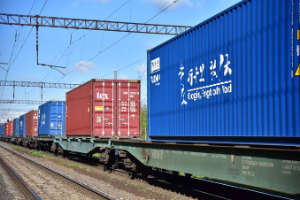
Another defining characteristic of the current partnership is that infrastructure construction is now outpacing existing trade demand. Rather than waiting for congestion to emerge, China and Russia are expanding transport capacity in anticipation of future growth. Planning for the fifth China-Russia railway crossing illustrates this strategy.
The proposed new railway linking Heihe with Blagoveshchensk will connect directly with Russia’s Trans-Siberian Railway, strengthening freight connectivity between Northeast China and European Russia. Simultaneously, both countries are advancing the Zabaykalsk-Manzhouli railway modernization project, improving one of Eurasia’s busiest land transport corridors.
We provided a comprehensive overview of Russia’s railway development with China and Asia last week here.
The logic behind these projects is straightforward. According to Chinese customs statistics, bilateral trade reached US$134.1 billion during the first half of 2026, representing a 25.6 % increase over the same period last year. Such rapid expansion inevitably places pressure on customs clearance, rail capacity, border terminals and logistics networks.
Instead of allowing infrastructure bottlenecks to constrain future trade, both governments are investing ahead of demand. This approach reflects lessons learned from previous years, when freight congestion occasionally delayed deliveries of coal, timber, agricultural products and industrial equipment. New transport infrastructure therefore functions not merely as an engineering project but as an instrument for sustaining long-term trade growth.
China’s Investment Moves Beyond The Russian Border Regions
China’s connectivity with Russia is moving beyond the border regions. Here we provide just two examples of this reach, in Russia’s Leningrad (St. Petersburg) and Moscow regions.
Leningrad Region: China Invests In Russia’s Domestic Consumer Market

While China’s northeastern provinces naturally dominate cross-border trade with Russia, one of the most revealing developments in 2026 came nearly 7,000 kilometres from the Chinese border. In a recent interview with China’s state news agency ‘Xinhua’ Leningrad Region Governor Alexander Drozdenko made clear that the region is seeking substantially deeper cooperation with Chinese investors, manufacturers and logistics companies, signalling that China’s economic footprint in Russia is steadily expanding from the Far East into the country’s industrial heartland.
Located around St. Petersburg on the Baltic Sea, the Leningrad Region has become one of Russia’s fastest-growing industrial centres. Its competitive advantages include access to the Port of Ust-Luga, one of Russia’s largest cargo ports, well-developed railway infrastructure, industrial parks and proximity to European and Arctic shipping routes. Rather than viewing Chinese companies merely as exporters to the Russian market, the regional government is actively encouraging them to establish manufacturing facilities, logistics centres and long-term production partnerships.
Governor Drozdenko emphasized that the region welcomes Chinese investment in industrial production, transport infrastructure, port logistics, chemicals, machinery and high-value manufacturing, including automotive and automotive research & development. This represents an important shift in China’s investment geography inside Russia. For years, Chinese investment concentrated primarily in border provinces and resource projects. Today, regional governments across European Russia are competing to attract Chinese capital, technology and industrial expertise.
The economic implications are significant. Chinese investment in Russia is gradually shifting from a model centred on commodity extraction toward one increasingly focused on local manufacturing, industrial localization and integrated supply chains. Companies producing inside Russia gain better access to domestic markets, reduce transport costs and mitigate external geopolitical risks. For Russia, localization supports employment, technology transfer and industrial modernization. For China, it creates a more stable commercial presence capable of serving both the Russian market and broader Eurasian markets. This regionalization of investment demonstrates that China-Russia cooperation is becoming geographically diversified. Instead of depending exclusively on Moscow-Beijing agreements, regional governments are becoming active architects of bilateral economic integration.
Moscow Region – China Trade Surges 2.8 Times

Foreign trade between the Moscow region and China has grown significantly, increasing 2.8 times between 2020 and 2025, highlighting China’s role as one of the region’s key trading partners. In the first quarter of 2026, the Moscow region accounted for around 8% of Russia’s total foreign trade with China, according to the regional Ministry of Investment, Industry and Science. The region is also expanding investment cooperation with Chinese companies through major projects, including the White Rast terminal and logistics center in Dmitrov and the Greenwood Business Park in Krasnogorsk. A new 28,000-square-meter phase of Greenwood, backed by over 4 billion rubles in investment, is set to open in the third quarter of 2026. The business park hosts more than 400 companies from 14 countries, including over 170 Chinese enterprises. Additionally, Chinese company North Ocean plans to launch a sodium heparin plant in Voskresensk in the fourth quarter of 2026, investing over 1 billion rubles and creating around 300 jobs.
H1 2026 Marks a Structural Shift in China-Russia Economic Relations

Taken individually, the events of the first half of 2026 may appear unrelated: a university publishing new research reports, a governor seeking Chinese investors, a creative industries forum in the Jewish Autonomous Region, plans for a fifth railway crossing, the world’s first China-Russia cross-border ropeway, automotive joint ventures, timber cooperation and official responses to sanctions.
Viewed collectively, however, they reveal a profound transformation. The defining characteristic of today’s China–Russia partnership is no longer simply expanding trade volumes. According to Chinese customs data, bilateral trade reached US$134.1 billion in the first half of 2026, a year-on-year increase of 25.6%, reflecting strong momentum across multiple sectors. In June 2026, the trade turnover between Russia and China in value terms reached US$24.35 billion, some 37%, or US$6.6 billion more than the same period last year, according to customs statistics from the PRC. The trade turnover stands at a record level for the first half of any year in bilateral trade. Put simply, Russia-China trade is booming.
Yet the most important development lies beneath that headline figure. Growth is increasingly supported by regional governments, universities, logistics corridors, industrial clusters, cultural exchanges, localized manufacturing, digital platforms and institutional cooperation. These interconnected networks make the bilateral relationship more diversified, more resilient and less dependent on any single sector or project. For years, international observers described China-Russia relations as an energy partnership driven by geopolitics. The evidence emerging throughout the first half of 2026 suggests a different reality. The partnership is evolving into a multidimensional economic ecosystem in which border infrastructure, regional development, industrial localization, academic collaboration, tourism, creative industries and technological innovation collectively reinforce one another.
That structural transformation, not simply another record trade figure, may ultimately become the most consequential chapter in the modern history of China-Russia economic cooperation. The first half of 2026 also demonstrated that China–Russia economic cooperation is becoming increasingly institutionalized. Previous stages of bilateral cooperation were often dominated by individual flagship projects—major energy pipelines, large commodity contracts or high-level political agreements. Today, however, the relationship is being reinforced simultaneously by universities, regional governments, industrial parks, border cities, logistics operators, research institutes and private enterprises. This institutional diversification may prove to be the partnership’s greatest long-term strength because it creates multiple engines of growth rather than relying on a handful of strategic sectors.
Summary: The Real Story of 2026 Lies Beyond the Trade Figures
Record trade values naturally attract headlines. Yet the evidence emerging throughout the first half of 2026 suggests that the most important transformation is structural rather than statistical. The partnership is becoming broader in geography, extending from Heilongjiang, Amur Oblast and the Jewish Autonomous Region to the Leningrad Region on the Baltic coast. It is becoming broader in sectors, incorporating creative industries, higher education, artificial intelligence, tourism, logistics, manufacturing and digital commerce alongside traditional energy and commodities. It is also becoming broader institutionally, involving universities, regional governments, research institutes, logistics operators, industrial enterprises and local business communities.
This multidimensional architecture is precisely what makes the partnership more resilient. Individual projects may face delays, commodity prices may fluctuate and external geopolitical pressures may continue, but an increasingly diversified ecosystem of regional cooperation is much harder to disrupt.
That is why the significance of US$134.1 billion in first-half bilateral trade extends far beyond its monetary value. The figure reflects not simply stronger commercial exchange but the emergence of a more mature economic relationship supported by infrastructure, institutions and regional integration.
If the first phase of China-Russia economic cooperation was defined by energy and the second by record trade volumes, the first half of 2026 suggests the beginning of a third phase: one characterized by integrated regional development, institutional capacity-building and diversified economic networks. This transformation is likely to shape the trajectory of China-Russia relations more profoundly than any single trade agreement or infrastructure project, laying the foundations for a more balanced, innovation-driven and geographically distributed partnership across Eurasia.
This article was written by M. Jahan, an expert on Sino-Russian affairs. She may be contacted at info@russiaspivottoasia.com