
 Русский







For much of the past four years, Western commentaries have repeatedly advanced the narrative that Kazakhstan is gradually distancing itself from Russia. Every diplomatic gesture toward Europe, every investment agreement with China or the Middle East, and every statement emphasizing Kazakhstan’s multi-vector foreign policy has been interpreted as evidence that Astana is quietly reducing its dependence on Moscow. Such interpretations overlook a more fundamental reality. States can diversify external partnerships while simultaneously deepening cooperation with their largest neighbor, and as Russian Deputy Foreign Minister Mikhail Galuzin remarked last week, Western attempts to undermine relations between Russia and Kazakhstan are doomed to failure.
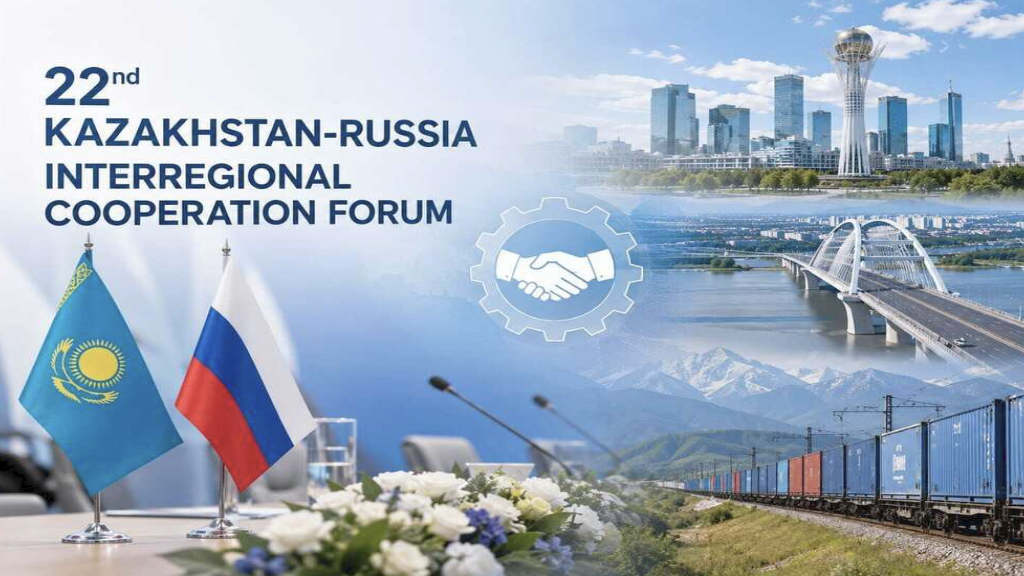
The events in Omsk on July 24-25 demonstrated precisely that distinction. Coming just two months after Russian President Putin’s State Visit to Kazakhstan, the economic evidence presented in Omsk tells a very different story to the Western narrative. The event resulted in numerous cooperation agreements and commercial contracts, with several regional initiatives also receiving presidential support. More than 400 companies from Russia and Kazakhstan participated in business cooperation activities across transport, logistics, engineering, agriculture, energy, and digital industries. Over 200 business meetings were held, resulting in the signing of 23 cooperation agreements worth ₽65 billion (US$833 million) and the formation of more than 40 potential customer-supplier partnerships.
Instead, the Forum, together with the bilateral meeting between Russian President Vladimir Putin and Kazakh President Kassym-Jomart Tokayev on July 25, demonstrated that the relationship has not weakened but has entered a fundamentally different phase of development. It brought together representatives from 30 Russian regions and 17 regions of Kazakhstan. More importantly, the data suggest that Russia and Kazakhstan are no longer measuring success primarily through annual trade turnover. Instead, both governments are building what may be called the third stage of Eurasian economic integration, an integration based on industrial production networks, cross-border regional economies and continental logistics systems rather than conventional import-export relations. The numbers presented during the forum illustrate this structural transformation.
The Putin-Tokayev summit reaffirmed the strength of Kazakhstan-Russia strategic relations. The discussions reflected this changing economic logic. Both leaders devoted considerable attention to industrial investment, transport connectivity, logistics modernization and regional cooperation. President Putin emphasized that bilateral trade reached US$27.8 billion in 2025, while Russian statistics show that bilateral trade expanded by more than 4% during the first five months of 2026. To put that figure into perspective, that is four times more than the current rate of growth in the European Union.
Putin also highlighted 70 joint venture investment projects involving Russian companies, valued at around US$30 billion, covering metallurgy, machinery manufacturing, pharmaceuticals, energy and numerous other sectors. President Tokayev presented even broader figures illustrating the depth of industrial cooperation. Even more striking, the two countries have assembled a joint portfolio of 177 industrial projects valued at approximately US$53 billion, of which 122 projects worth US$22.4 billion have already entered operation, creating integrated manufacturing capacity across sectors ranging from metallurgy and chemicals to pharmaceuticals, machinery and energy. These projects generate long-term productive capacity rather than short-term commercial exchange. The fact that 122 projects have already been completed demonstrates that this cooperation has moved beyond MoU’s and declarations of intent into realised operational productivity.
According to President Tokayev, these projects are expected ultimately to create around 60,000 jobs. Tokayev welcomed cooperation on Kazakhstan’s first nuclear power plant, emphasizing its role in energy development and workforce training, and noted Russia’s support for the establishment of a branch of Kazakhstan’s National University in Omsk.
They also reviewed cooperation in energy, transport and logistics, space, agriculture, and humanitarian affairs. Tokayev further proposed the development of a joint program with Russian authorities aimed at enhancing air transportation links between border regions and establishing integrated cross-border tourist routes.
Tokayev highlighted the strengthening of investment relations, emphasizing Russia’s increasing role as a major investor, with a 45% increase in Russian investment during Q1 2026, while Kazakhstan’s investments in Russia have now exceeded US$9 billion. He also highlighted strategic cooperation in nuclear energy through the Rosatom-led consortium and continued collaboration in the space sector, including the first launch of the Soyuz-5 launch vehicle.
Russia-Kazakhstan Digital Transport Corridors

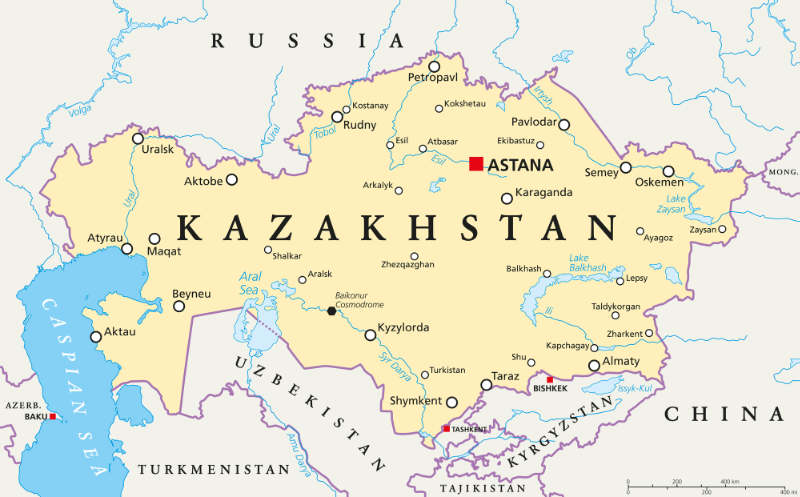
Focusing on transport and logistics, Tokayev underscored record growth in rail, road, and transit freight, the proposed launching of a Kazakhstan-Russia Digital Transport Corridor, following the successful cross-border testing of autonomous freight trucks. He also advocated expanding the North-South and Western Europe-Western China corridors, modernizing border infrastructure, introducing a joint regional aviation program linking Astana with major Russian border cities, and developing cross-border tourism. President Putin reaffirmed the importance of regional cooperation in strengthening trade, investment, transport, logistics, and broader economic ties, emphasizing that continued collaboration would deepen the two countries’ comprehensive strategic partnership and alliance.
According to Akorda (the official website of the President of the Republic of Kazakhstan) Tokayev and Putin were presented with digital initiatives aimed at improving trade transparency, digitalizing transport and logistics operations, and enhancing road freight safety. The projects included a digital product labeling system to verify goods and confirm their country of origin, the Smart Cargo unified digital platform for transport and logistics stakeholders, and AI Jol, an artificial intelligence-powered system for continuous traffic flow analysis. Kazakhstan’s Deputy Prime Minister and Minister of Artificial Intelligence and Digital Development, Zhaslan Madiyev, and Russia’s Deputy Prime Minister, Alexey Overchuk, also briefed the presidents on ongoing efforts to improve foreign trade efficiency and develop transport and logistics infrastructure. In addition, the leaders were informed about joint measures to strengthen rail, road, and air connectivity, as well as plans for the coordinated modernization of border crossing checkpoints by both countries.
Cross Border River Corridor Development

Russian President Vladimir Putin announced plans for the joint development and use of the Irtysh River, emphasizing the need to balance growing cargo transportation, efficient use of water resources, and protection of the river ecosystem. A comprehensive master plan for the river’s development is already being prepared. Omsk Regional Governor Vitaly Khotsenko proposed creating an interstate program, the so-called ‘Water Silk Road’ for the integrated development of the Irtysh, including the restoration of navigation, water management measures, dredging, modernization of ports and berths, expansion of multimodal transport links, improvement of border checkpoints, and joint scientific research. Representatives of the Association of Food and Processing Industry Enterprises of the Omsk Region called for reduced tariffs on grain transportation through Kazakhstan, while Vladimir Padalko, Deputy Head of the Chamber of Commerce and Industry of the Russian Federation, proposed upgrading Russia–Kazakhstan border infrastructure through joint investment to improve logistics efficiency and reduce congestion at existing checkpoints.
A large-scale exhibition at the “Russia – My History” multimodal park presented the industrial and technological potential of the Omsk Region, including projects in petrochemicals, engineering, railway infrastructure, port development, digital solutions, and transport networks. The exhibition featured 14 thematic platforms, showcasing enterprises, infrastructure projects, and innovative developments aimed at expanding economic connectivity between the two countries. The forum further strengthened youth cooperation through the Russian-Kazakh Youth Forum, which gathered more than 100 participants from Omsk, Pavlodar, Petropavlovsk, and other cities. Young representatives discussed joint initiatives in tourism, environmental projects, volunteering, and educational exchanges, reinforcing long-term social and cultural connections between the two countries.
The Atyrau and Astrakhan regions discussed expanding cross-border cooperation during the Forum, with a focus on trade, transport infrastructure, industrial cooperation, agriculture, fisheries, shipbuilding, education, healthcare, and cultural ties. The meeting between Astrakhan Governor Igor Babushkin and Atyrau Region Akim Bolat Akchulakov highlighted growing economic partnership, including increased agricultural supplies, joint shipbuilding projects, and strengthened humanitarian exchanges between the neighboring regions, which both share a Caspian Sea coastline.
Economic Development Evolves From Trade To Infrastructure
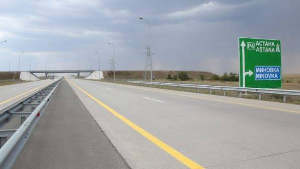
These developments reveal a partnership that has evolved well beyond traditional bilateral trade. Countries can diversify export markets while simultaneously integrating their industrial bases. Kazakhstan’s active engagement with Europe, China and the Middle East has not displaced Russia from its economic landscape despite the claims of bullish Western commentators. On the contrary, Russia remains Kazakhstan’s largest foreign investor, and as can be seen, that confidence remains. The 45% increase of Russian investment into Kazakhstan so far this year suggests that business is strengthening rather than weakening.
Backing this up are the two Presidents statements, which focused overwhelmingly on investment, production, transport corridors, industrial modernization and regional development. This suggests that the bilateral relationship is becoming increasingly driven by economic fundamentals rather than solely by political considerations. The meeting also reaffirmed support for deeper cooperation under the Eurasian Economic Union (EAEU), where harmonized customs regulations, digital documentation and coordinated transport policies are intended to reduce transaction costs for businesses operating across both markets. By lowering administrative barriers, both governments hope to make integrated production chains more competitive and strengthen Eurasia’s position within global manufacturing networks. That will further boost the Eurasian region as one of the world’s fasting growing areas – the EAEU is forecast to increase its intra-regional trade by 7.3% this year.
The Russia-Kazakhstan Development Stages
Post Soviet Trade
The evolution of Russia-Kazakhstan economic relations can be understood through three distinct stages. The first stage emerged after the dissolution of the Soviet Union and was dominated by cross-border trade. Geography naturally made Russia Kazakhstan’s largest commercial partner, with energy, metals, agricultural products and consumer goods flowing across one of the world’s longest continuous land borders. Bilateral economic relations during this period were measured primarily through annual trade statistics.
Industrial Integration & Diversifcation
The second stage focused on industrial integration. Instead of merely exchanging goods, Russian and Kazakh companies increasingly began producing them together. Manufacturing supply chains became integrated, joint ventures multiplied, and investment replaced trade as the principal indicator of economic cooperation. The portfolio of 177 joint venture projects worth US$53 billion is the clearest evidence that both countries have moved beyond conventional commercial relations toward shared production capacity.
These projects extend across mechanical engineering, petrochemicals, automotive manufacturing, mining equipment, pharmaceuticals, metallurgy, agriculture and food processing, creating economic interdependence that is considerably deeper than annual trade flows. One notable feature of the Omsk discussions was the breadth of sectors now involved in bilateral cooperation. While hydrocarbons and raw materials previously dominated, the latest investment portfolio presents a much broader picture. This diversification reduces dependence on commodity cycles while strengthening industrial resilience and illustrating that industrial cooperation increasingly contributes to employment, technological upgrading and regional development rather than merely increasing export revenues. These investments are distributed across multiple sectors rather than concentrated in extractive industries, reflecting the emergence of a more balanced bilateral economic relationship.
Developing Eurasian Infrastructure
Omsk demonstrated that a third stage is now well underway. Rather than concentrating exclusively on factories or trade volumes, Russia and Kazakhstan are constructing an integrated Eurasian logistics ecosystem through practical regional cooperation. The theme of the forum “Forming a Global Logistics Ecosystem: New Horizons for Russia-Kazakhstan Cooperation” captured this shift. Logistics is no longer regarded as a supporting service but as an independent source of economic value, industrial competitiveness and geopolitical resilience.
This transformation is occurring at a time when global supply chains are undergoing profound change. Repeated disruptions in maritime transport, instability affecting the Red Sea and the wider Middle East, rising insurance costs for commercial shipping and increasing geopolitical fragmentation have all encouraged governments to diversify transport routes. Continental Eurasia has consequently become more valuable. Geography, once considered a fixed constraint, is becoming a strategic economic asset.
Interregional Cooperation Is Replacing Centralized Instructions
Another significant transformation highlighted by the Cooperation Forum is that bilateral cooperation is increasingly being driven not by central governments alone, but by regions, cities, industrial clusters and businesses. While national leaders establish strategic direction, the actual implementation of economic integration is taking place across Russia’s oblasts and Kazakhstan’s regions. This decentralized model has become one of the defining characteristics of Russia-Kazakhstan relations and explains why the partnership has remained resilient despite external geopolitical pressure.
Unlike many international summits dominated by political declarations, the Omsk forum was deliberately designed as a business-oriented platform. More than 650 participants, including governors, ministers, parliamentarians, business executives, development institutions and academics, attended the event. Over 400 Russian and Kazakh companies participated in business matchmaking sessions, while numerous regional governments signed agreements covering logistics, manufacturing, education, digital technologies and infrastructure. During the opening day that ₽65 billion (€689 million) worth of new investments illustrated that private and corporate capital investment is now taking the lead.
It is an important point to consider. In 2020, based on cumulative economic mapping, Russian investors held controlling or potentially controlling stakes in about 24,000 EU companies, and minority positions in an additional 4,000. Today, that money – an estimated €215 billion – has largely gone, with Russian investors forced to sell up, withdraw or have their assets confiscated. That investment capital is finding new homes in economies such as Kazakhstan’s and Kyrgyzstan’s.
Examples of the re-domicilation of Russian capital to Kazakhstan can be seen here and here.
The figures also illustrate the scale of institutional cooperation. Since the first Interregional Forum was launched in Omsk in 2003, it has evolved into one of the most successful mechanisms of bilateral economic diplomacy. Today, virtually every Russian region bordering Kazakhstan maintains institutional partnerships with neighboring Kazakh regions, allowing cooperation to continue regardless of fluctuations in international politics. This “region-to-region” model has become a practical instrument for implementing the broader objectives agreed upon by Moscow and Astana.
Kalmykia and Atyrau Strengthen Regional Cooperation

Further Illustrating these growing regional partnerships, the Governor of Kalmykia, Batu Khasikov and the Atyrau Regional Governor Akim Bolat Akchulakov signed a cooperation agreement aimed at expanding trade, investment, logistics, tourism, agriculture, healthcare, education, science, and youth cooperation. This focuses on creating favorable conditions for businesses, including SMEs, and developing joint projects linked to Caspian transport routes and international logistics corridors, strengthening the role of both regions in regional economic connectivity. The partnership is expected to boost mutual trade, attract investment, develop new industries, create jobs, and enhance long-term strategic cooperation between Russia and Kazakhstan.
Russia-Kazakhstan Industrial Cooperation and Investment Expansion
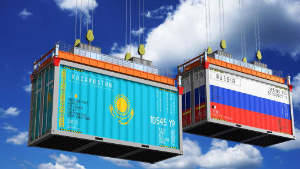
During the panel session “Industrial Cooperation as a Factor of Sustainable Development,” participants emphasized the importance of localization, joint manufacturing, technology exchange, and complementary industries to support long-term economic growth. Mikhail Labudin, Head of the Association of Clusters and Technoparks of Russia and Chairman of the Russian Chamber of Commerce, highlighted that future cooperation should be based on deeper industrial integration rather than only trade flows. Roman Chekushov, State Secretary and Deputy Minister of Industry and Trade of Russia, noted the continued growth of bilateral trade but stressed that the next stage should focus on sustainable industrial partnerships, mutual investment, and technological cooperation. Olzhas Saparbekov, the Kazakh Vice Minister of Industry, identified priority sectors for future joint projects. During the forum, the East Kazakhstan and Akmola regions presented industrial zones designed to attract Russian investors and support new manufacturing projects.
The session also presented practical examples of cross-border industrial cooperation. Sergey Gobel, representing the Industrial Construction Subcommittee of Business Russia, discussed experiences in developing joint production and infrastructure projects located near the Russia-Kazakhstan border. Regional representatives and companies highlighted opportunities for cooperation in manufacturing, logistics, engineering, and industrial infrastructure.
The Omsk Region presented its experience in developing industrial clusters and the Avangard Special Economic Zone (SEZ) as a platform for investment and production cooperation. Viktor Sobolev, the Avangard CEO, explained that the zone supports business integration through three main directions: attracting residents into industrial clusters, providing infrastructure for companies requiring additional production space, and identifying new investment opportunities through cooperation with regional development institutions.
The Avangard SEZ is among Russia’s leading SEZ’s. Following China’s successful development model, the zone helps reduce investor costs by approximately 30-40% through infrastructure support and tax incentives, including zero property and transport taxes for ten years, zero land tax for five years, reduced income tax rates, and a free customs zone regime. Following expansion, the SEZ grew from 164 hectares to 488 hectares, with two major development areas: the North-Western Industrial Hub, focused on petrochemicals and mechanical engineering, and the Left Bank of the Irtysh River area, focused on food production, pharmaceuticals, and logistics projects.
Additional forum discussions covered the development of international transport corridors, key infrastructure projects, waterway development, and environmental cooperation. Dedicated sessions examined the potential of the Irtysh River as a shared economic and transport resource, including navigation development, logistics integration, and joint environmental protection measures between Russia and Kazakhstan.
Why Omsk Matters More Than Moscow
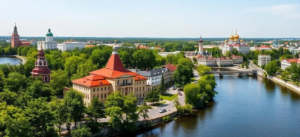
The decision to host the forum in Omsk was not merely ceremonial. It reflected the city’s growing importance within Eurasia’s changing economic geography. Omsk Oblast occupies a unique strategic position along Russia’s 7,500-kilometer border with Kazakhstan, serving as one of Siberia’s principal gateways to Central Asia. Historically an industrial center, the region has developed a diversified economic base encompassing petrochemical, oil refining, machinery manufacturing, agriculture, food processing and logistics. Its location enables it to connect western Siberia with northern Kazakhstan while providing access to the broader transport corridors extending toward Central Asia and western China.
The economic relationship between Omsk and Kazakhstan is already substantial. Kazakhstan consistently ranks among Omsk Region’s three largest foreign trading partners. More than 100 enterprises with Kazakh capital operate in the oblast, while over 7,000 Kazakh students are enrolled in Omsk’s universities. Educational cooperation has expanded further through the establishment of a branch of Al-Farabi Kazakh National University in Omsk, reflecting recognition that human capital is becoming as important as physical infrastructure in sustaining long-term economic integration. The forum therefore highlighted an important economic reality: competitiveness increasingly depends on regional ecosystems rather than national capitals. Omsk offers industry, universities, logistics infrastructure and proximity to Kazakhstan within a single economic space. These complementary advantages make it an attractive location for cross-border manufacturing and distribution.
An important regional initiative was proposed by Omsk Region Governor Vitaly Khotsenko, who called for the creation of an interstate program for the integrated development of the Irtysh River involving Russia, Kazakhstan, and potentially China. The proposed project includes restoring river navigation, improving water management, modernizing ports and berths, expanding multimodal transport routes, upgrading border infrastructure, and conducting joint scientific and environmental research. The initiative is expected to strengthen the role of the Irtysh as a potential international transport corridor connecting China, Kazakhstan, Siberia, and wider Eurasian markets.
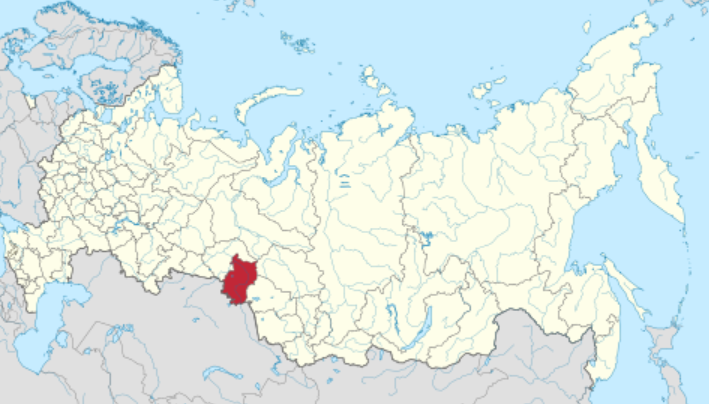
Economic ties between the Omsk Region and Kazakhstan continue to expand. Kazakhstan remains the region’s largest foreign trade partner, accounting for 29.1% of Omsk’s foreign trade in 2025 and 33% in January-March 2026. During the first quarter of 2026, trade turnover between Omsk and Kazakhstan increased by 52.6% year on year, with exports growing by 40.1% and imports rising 2.1 times. Key export sectors included food products and agricultural raw materials (37%), engineering products (18%), and chemical industry products (13%), while imports were dominated by food products (40%), machinery (20%), and chemical goods (14%).
Beyond economic cooperation, the forum highlighted expanding humanitarian and educational links. More than 190 cooperation agreements have been established between educational institutions of Omsk and Kazakhstan. During the 2025/2026 academic year, around 8,000 Kazakh students studied in universities across the Omsk Region, while academic partnerships, language programs, scientific conferences, and cultural exchanges continued to develop.
Omsk Regional Investment Projects and Infrastructure Development
As part of the region’s development strategy, Omsk is implementing several large-scale industrial, transport, and agricultural investment projects aimed at strengthening production capacity, logistics connectivity, and economic growth.
These include the construction of a graphite electrode production plant represents an investment of approximately ₽100 billion (US$1.23 billion) while an ultra-large tire manufacturing plant involves around ₽60 billion (US$73 million) in investment and is expected to strengthen the region’s industrial and manufacturing base.
The Northern Bypass of Omsk, a major transport infrastructure project involving a 70-kilometer ring road, is being developed to improve freight movement and regional connectivity, including the construction of a new bridge structure using products from Omsk-based metallurgical enterprises.
The Omsk-Fedorovka Airport project has entered an active construction phase and is expected to improve regional air connectivity, logistics capacity, and business mobility. In the agricultural sector, greenhouse development projects covering 120 hectares are planned to supply up to 70% of Omsk Region’s greenhouse vegetable demand. The first stage, covering 20 hectares, is scheduled for completion as part of the region’s efforts to increase domestic agricultural production. Together, these projects demonstrate Omsk Region’s focus on industrial modernization, infrastructure expansion, import substitution, and investment attraction, supporting its role as a major transport and manufacturing hub in Siberia and a key participant in Russia-Kazakhstan economic cooperation.
Northern Kazakhstan Is Becoming Part of a Shared Production Space
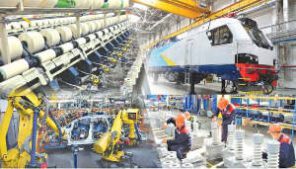
The same logic applies across Kazakhstan’s northern regions. The regions of Pavlodar, Kostanay, North Kazakhstan, Akmola and East Kazakhstan collectively account for a significant share of Kazakhstan’s industrial output and maintain extensive economic ties with neighboring Russian oblasts. Their economies are characterized by metallurgy, coal mining, electricity generation, grain production, machinery manufacturing and non-ferrous metals. These industrial structures closely complement those found in Siberia and the Urals, creating natural production linkages across the border.
The Eurasian Economic Union free trade agreement, which includes Russia and Kazakhstan, is a key part of this development. Rather than competing for investment, these regions increasingly participate in integrated value chains. Machinery components may be manufactured in one country, assembled in another and exported through shared logistics corridors. Agricultural producers rely on cross-border storage, processing and transport networks. Industrial enterprises increasingly share suppliers, engineering services and transport infrastructure. This is precisely why President Tokayev emphasized the importance of 177 joint industrial projects rather than simply citing bilateral trade turnover. Integrated production networks create significantly stronger economic interdependence than commercial transactions alone because factories, suppliers and workers become directly connected across borders.
Logistics Is Becoming Eurasia’s New Export Industry
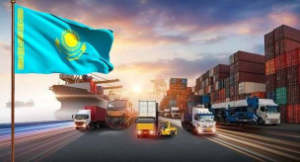
One of the strongest messages emerging from Omsk is that both countries increasingly view logistics not as an auxiliary service but as an independent source of economic growth. Transport connectivity was one of the central themes of the discussions. Russian President Vladimir Putin emphasized the strategic role of Russia and Kazakhstan as key links in Eurasian trade routes and highlighted cooperation in logistics infrastructure, customs digitalization, electronic documentation, and the development of the Eurasian Digital Transport Corridor.
The initiative aims to improve cargo movement efficiency through advanced technologies, including artificial intelligence-based logistics management and digital monitoring systems. Putin highlighted that rail freight between Russia and Kazakhstan reached almost 95 million tons in 2025, increasing by approximately 4% over the previous year. During the first five months of 2026, freight volumes expanded by another 5.7%, confirming sustained growth despite broader uncertainty in global trade. Cargo volumes along the eastern branch of the International North–South Transport Corridor (INSTC) increased by around 10% during the same period.
These figures matter because they illustrate a structural shift in Eurasian commerce. Instead of relying predominantly on maritime shipping, businesses are increasingly utilizing diversified overland corridors. Russia and Kazakhstan occupy the geographical center of these routes.
The forum devoted considerable attention to projects extending beyond traditional infrastructure. These included the development of the first autonomous freight transport corridor between Moscow and Astana, expansion of electronic freight documentation, deployment of navigation seals, application of artificial intelligence in customs and transport management, third party customs agreements, and preparation of a joint master plan for the Irtysh River basin, which seeks to revive inland water transport while ensuring environmental sustainability.
Russia and Kazakhstan are developing one of the first international unmanned cargo routes in the EAEU, with the planned Astana-Petropavlovsk–Moscow route spanning 2,818 km following a 2026 cooperation agreement on autonomous vehicles and digital technologies. The project aims to create a new digital logistics ecosystem based on autonomous transport, electronic documentation, automated border procedures, intelligent control systems, and unified regulatory standards. Taken together, these initiatives indicate that Russia and Kazakhstan are attempting to build a fully integrated logistics ecosystem in which roads, railways, inland waterways and digital technologies operate as a unified transport platform. Rather than competing with maritime routes, this continental network aims to provide an additional layer of resilience for Eurasian supply chains.
Russia and Kazakhstan Advance Digital Healthcare Cooperation

During the event, Sber and Kazakhstan’s Republican E-Health Center, part of the Ministry of Health signed an MoU to jointly develop digital medicine solutions. The partnership will focus on artificial intelligence in healthcare, medical data analytics, BI platforms, digital health services, and situational analysis systems to improve support for doctors and patients. The cooperation aims to exchange best practices, implement pilot digital healthcare projects, and create innovative technologies that enhance healthcare efficiency, accessibility, and the quality of medical services in both countries.
Ukraine’s Drone Attacks On The Caspian Pipeline Consortium Changed the Strategic Calculation
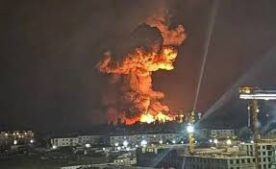
The Omsk forum unfolded against the backdrop of an event that vividly demonstrated why Russia and Kazakhstan are placing logistics and transport resilience at the center of their economic partnership. Between 17 and 20 July, Ukrainian drone attacks targeted vessels loading crude oil at the Caspian Pipeline Consortium (CPC) Marine Terminal near Novorossiysk, disrupting one of Eurasia’s most strategically important energy export routes.
The CPC system carries approximately 80% of Kazakhstan’s crude oil exports, making it the principal artery of Kazakhstan’s energy economy. Any prolonged disruption would directly affect Kazakhstan’s export revenues, fiscal stability and international energy commitments. Astana’s response was notable both for its speed and clarity. Kazakhstan’s Ministry of Foreign Affairs publicly condemned the attacks and stressed that commercial infrastructure serving international trade should not become a military target. The statement reflected an important reality: while Kazakhstan maintains its multi-vector foreign policy, it also has a direct national interest in protecting the infrastructure that underpins its economic growth.
From an economic perspective, the incident reinforced one of the central themes of the Omsk forum. Modern supply chains cannot rely on a single transport route. Energy pipelines, railways, highways, inland waterways and logistics terminals must complement one another to provide redundancy and resilience. The CPC attacks therefore strengthened, not weakened, the economic rationale behind Russia and Kazakhstan’s joint efforts to diversify transport corridors, modernize border infrastructure and expand continental logistics networks.
Why Interregional Cooperation Matters More Than Ever
An underappreciated outcome of the Omsk forum is the growing role of regions as the principal drivers of bilateral economic cooperation. Russia and Kazakhstan share the world’s longest continuous land border, stretching approximately 7,500 kilometers. Along this frontier lie dozens of Russian oblasts and Kazakh regions whose economies have historically developed together through agriculture, mining, manufacturing, transport and energy.
Rather than treating the border as a dividing line, both governments increasingly view it as a shared economic zone. This explains why the Interregional Cooperation Forum has become one of the most effective institutions in bilateral relations since its establishment in 2003. Governors, mayors, regional development agencies, universities and businesses often possess greater flexibility than national ministries in implementing practical economic projects. Cross-border industrial parks, logistics hubs, university partnerships, transport terminals and investment projects can frequently be negotiated and executed at the regional level while remaining consistent with national development strategies.
Omsk exemplifies this approach. Its industrial base, transport infrastructure, educational institutions and proximity to Kazakhstan position it as a natural gateway between Siberia and Central Asia. Likewise, Kazakhstan’s neighboring regions—including Pavlodar, Kostanay, North Kazakhstan, Akmola and East Kazakhstan—possess complementary industrial structures that facilitate integrated production chains. Instead of competing for investment, these regions increasingly cooperate in manufacturing, logistics and agricultural processing, creating cross-border value chains that are more competitive than isolated national industries.
The North-South Corridor Is Becoming a Strategic Economic Asset
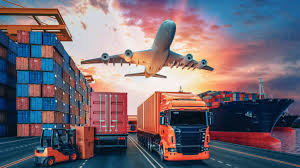
Another major priority highlighted during the forum is the continued development of the International North-South Transport Corridor (INSTC). Its eastern branch links Russia’s Baltic, Arctic and Black Sea ports through Kazakhstan to Turkmenistan and Iran, creating one of Eurasia’s most important alternative trade routes. Cargo transported along this eastern branch increased by 10% percent during the first five months of 2026, underscoring growing commercial demand.
The significance of this corridor extends far beyond Russia-Kazakhstan trade. As geopolitical instability continues to affect maritime shipping, overland routes connecting northern Eurasia with the Persian Gulf and South Asia become increasingly valuable. Kazakhstan’s position between Russia and Central Asia makes it an indispensable transit country, while Russia gains improved access to southern markets through Kazakhstan’s territory. Rather than functioning solely as exporters or importers, both countries are positioning themselves as providers of international transport services. Transit itself is becoming an export industry.
Russia and Kazakhstan are increasingly linking production, investment, logistics, finance, education and regional development into a single economic ecosystem. This level of integration creates stronger incentives for long-term cooperation because businesses, workers, regional governments and investors all become stakeholders in shared economic success.
Summary
The most enduring conclusion from the 22nd Russia-Kazakhstan Interregional Cooperation Forum is that the relationship between the two countries is undergoing structural transformation.
Measured by virtually every major indicator presented at the forum, trade turnover, investment flows, industrial projects, freight volumes, regional cooperation, transport modernization and business participation, the trajectory points toward deeper economic integration rather than gradual disengagement. The Western narrative often asks whether Kazakhstan is quietly moving away from Russia. The data presented in Omsk suggest a different and more economically grounded question: how are Russia and Kazakhstan redesigning Eurasia’s industrial and logistics architecture for the next decade?
That, ultimately, is the real significance of Omsk. It was not merely another bilateral forum. It was evidence that one of Eurasia’s most important economic partnerships is evolving from a relationship based on proximity into one built on shared production, integrated regional economies and continental connectivity. In an era when economic resilience increasingly depends on diversified supply chains and strategic transport corridors, the Russia-Kazakhstan partnership is positioning itself not simply to adapt to the changing geography of global trade, but to help shape it.
This article was written by Ms. Khatun, an expert in Russia-Asian affairs. She may be reached at info@russiaspivottoasia.com