
 Русский






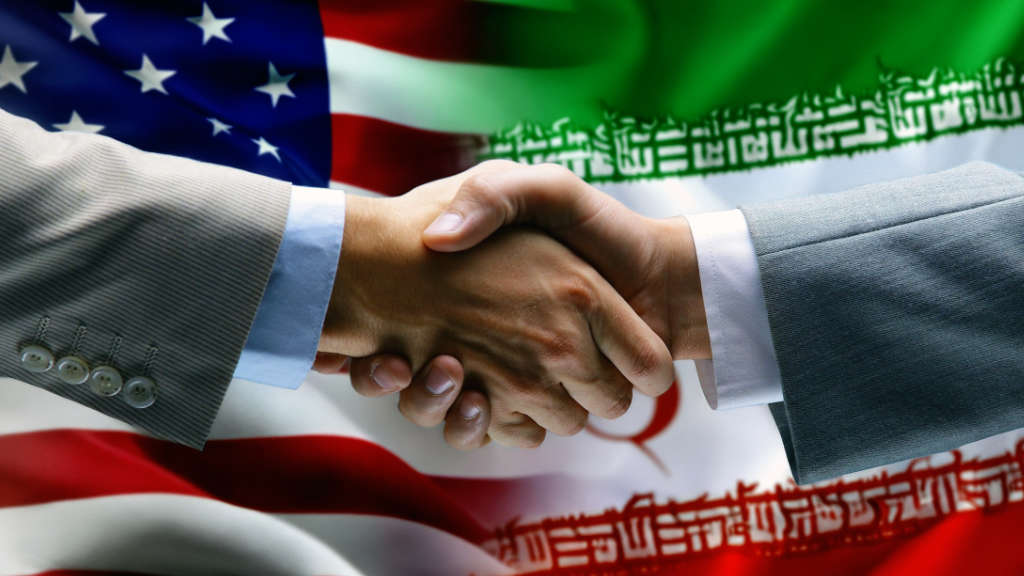

The United States and Iran have reportedly agreed a ‘peace deal’, confirmed by both Washington, Tehran and Pakistani mediators. However, there have been so many similar pronouncements in the past few months that we advise some degree of scepticism over whether this agreement will actually hold.
If it does though, there will be significant implications for Russia. In the article we explain what we believe have been the root causes of the conflict, and the potential developments affecting Russia that are likely to occur should the agreement be permanent.
US-Iran Conflict – Underlying Causes
We are largely sceptical about the causes for the conflict as have been described. They have varied from two major issues being regime change in Iran (not accomplished) and preventing Iran from developing a nuclear weapon. There is reason to doubt the latter motivation as the United States declared that their military attacks on Iran’s nuclear facilities had ‘obliterated’ this program in June 2025, when the United States Air Force and Navy attacked three nuclear facilities in Iran as part of the Twelve-Day War, under the code name Operation Midnight Hammer. These included the Fordow Uranium Enrichment Plant, the Natanz Nuclear Facility, and the Isfahan Nuclear Technology Center, which were targeted with fourteen GBU-57A/B MOP “bunker buster” bombs carried by B-2 Spirit stealth bombers, and Tomahawk missiles fired from a nuclear submarine.
It is true that Iran has a developing nuclear energy program, and that this involves Russia to a very large degree. Rosatom signed a US$25 billion agreement with Tehran in September 2025 to build up to eight NPP in Iran, with four committed in Iran’s southern Hormozgan province. That fits in with Iran’s domestic energy security development plans to underpin what should be a growing economic development, linked in part to the countries strategic position as a bridge between Russia and South Asia. However, the nuclear technology to be used to construct these NPP cannot be repurposed to develop material for nuclear weapons, while the NPP will be managed by Rosatom.
These two issues strongly suggest the nuclear weapon issue is a red herring. Instead, we suspect that the motivation for the attacks on Iran have been to deliberately create energy supply shocks, with the European Union as the target. This is down to two factors. Firstly, the EU purchased about 60% of its LNG needs and about 80% of its oil from the United States in 2025. Price rises caused by the closure of the Strait of Hormuz have been a significant boost to US energy suppliers to the EU, which has been buying on the spot market and has not fully committed to longer term agreements. There was a significant, US$750 billion energy purchase agreement – and a commitment for the EU to invest US$600 billion in the US energy industry between Washington and Brussels made in July 2025, however this deal was ‘non-binding’ and effectively suspended in January 2026. The United States attacked Iran in February with the Strait of Hormuz effectively closed thereafter – the EU’s only other major source of energy. Linking the US-Iran war to US-EU negotiations over EU commitments to purchase US energy supplies on long-term contracts we feel has been as the primary reason for this conflict. We recommend looking for quietly released documents outlining such agreements as a reason for the United States to suggest it has reached a peace agreement with Iran.
US-Iran Peace – The Eurasia & Middle East Implications

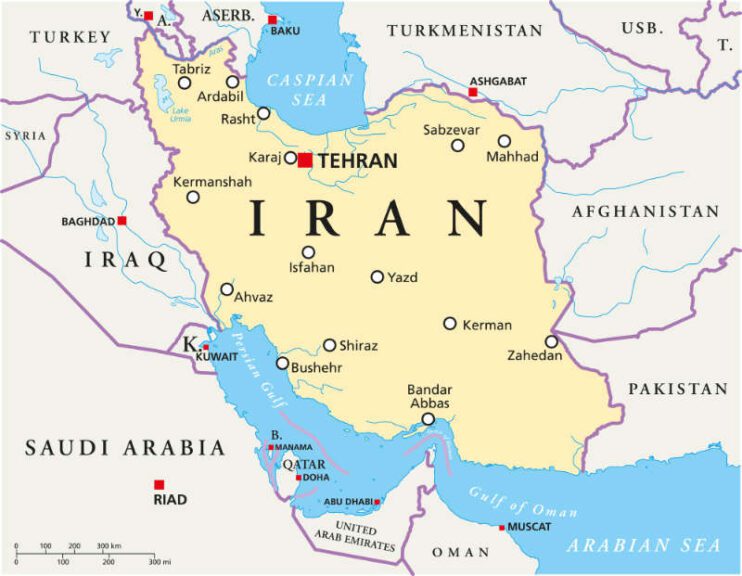
As a curious side effect, the Iran conflict has been good for Russia, and also shifted future Russian supply chains and their developments throughout Asia, including with China, India, and Pakistan. It may also give impetus to potential renewed infrastructure development in Afghanistan.
Iran is a significant market of over 93 million and a GDP (PPP) of about US$2.18 trillion, despite its being sanctioned. It has a broad, developed industrial base and in the event sanctions are lifted as a result of the US peace agreement could rapidly enter an economic boom phase. Iran also has a well established supply chain infrastructure with 13,000km of rail, 737,000km of roads, and 319 airports.
Renewed Caspian Connectivity
As a direct result of the US war, Russia’s trade with Iran has increased, with new routes being utilised in northern Iran’s Caspian Sea coast, over 2,100km distant from the Strait of Hormuz. The fact that Iran has a significant coastline effectively off-limits to Western aggression has not gone unnoticed. Russia has been deploying new cargo vessels to service the Caspian Sea route, and developing its Astrakhan port facilities, while countries such as Azerbaijan, Kazakhstan and Turkmenistan are all upgrading their Caspian Ports. New cross-border highway facilities are being constructed between Turkmenistan and northern Iran, meaning that trade between Central Asia and Iran – along the Trans-Caspian (TITR) routes has been booming. An immediate result has been a 68% increase in Russia-Iran Caspian trade flows this year to date.
This northern route has also been noticed by Saudi Arabia and the Gulfs other energy players. The Strait of Hormuz has now been recognised as a serious choke point, capable of being cut off should American geopolitics determine this to be to its advantage. As a consequence, we are already seeing the redevelopment of Saudi and UAE supply chains north – at which point these will meet up with Turkish and other Russian pipeline and processing facilities.
Pakstream & Power of Siberia 2
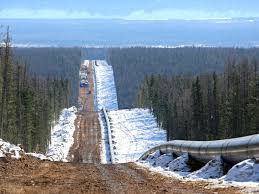
The security issues with the Strait of Hormuz also place further attention onto two major Russia-involved projects – Pakstream and the Power of Siberia 2 pipelines. The Pakstream pipeline is not intended to supply Pakistan with Russian gas but instead is to transit LNG from Pakistan’s southern fields to its northern industrial base. That is still being discussed but can be expected to be enhanced in terms of reaching an agreement sooner rather than later. Even more significant is the Power of Siberia 2 pipeline between Russia and China, transiting Mongolia. That has already been agreed but can be expected to be fast tracked given the Strait of Hormuz perceived risk. China’s LNG imports from Iran have dropped an estimated 21% this year, with PoS2 potentially able to make up deficits. We can also expect to see potential Chinese investment into the Iranian supply chain sector north to link into existing and planned infrastructure pipelines over the Eurasian continent. An example is the Turkmenistan-Afghanistan-Pakistan-India (TAPI) pipeline, which is under construction and has also had potential interest shown as a supply route by both Kazakhstan and China.
Afghanistan
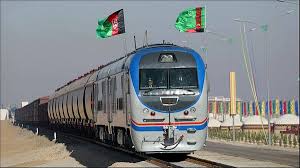
This shift towards overland, Eurasian supply chains can have a significant impact on Afghanistan. All the major regional players, including China and Russia along with Uzbekistan, Pakistan and India have significant interests in bringing the country into Central Asia’s connectivity. This includes the TAPI pipeline as well as the mooted Trans-Afghan railway, which would connect landlocked Central Asian nations – including Uzbekistan (with Kazakhstan, Tajikistan and Kyrgyzstan all third party beneficiaries) to Pakistan’s ports on the Arabian Gulf, giving them access to markets in south and southeast Asia. We are likely to see an upcoming flurry of diplomatic activity involving Afghanistan in the coming months and years as these countries negotiate with the Taliban to secure investments and infrastructure build, while at the same time cleaning up the radical, terrorist aspects that the country remains somewhat plagued with, although it is also fair to say there have been improvements.
Russia-Iran Trade & Investment
As noted earlier, the US-Iran war has boosted Russia’s trade with northern Iran. Peace in the south and a stable situation in the capital, Tehran, will only service to enhance this. The two countries signed a 20 year Iranian–Russian Treaty on Comprehensive Strategic Partnership in early 2025, containing specific development items in industrial cooperation in technology, information and cybersecurity, nuclear energy collaboration, counter-terrorism efforts, regional cooperation, and environmental issues amongst others. Iran has a similar agreement with China.
2025 bilateral trade reached about US$5 billion, increasing by 20% over the year, with Russia targeting US$10 billion by 2030. Depending on western reactions to the US peace deal, any relaxation of sanctions on Iran are likely to provide impetus to improve Iran’s overall global trade position, including with Russia.
At present, most bilateral trade involves agricultural products, which make up about 60% of all trade between the two countries. Russia’s main exports to Iran include grains, timber, oilseeds, chemicals, aluminium, coal, and steel, while Iran exports energy products, spare parts, ceramics, cement, and agricultural goods.
It should also be noted that Iran has a free trade agreement with the Eurasian Economic Union, which came into effect in 2025 and includes Russia as well as Armenia, Belarus, Kazakhstan and Kyrgyzstan. That removes tariffs on 87% of all traded goods. Should the war with the United States indeed prove to be over, these trade corridors can also expect to see demand pick up.
Summary
The US-Iran war has had a directly intended impact on energy supply chains. While the US intention we believe was to coerce Europe into committing long term deals to buy more US energy, another result has been to shift Iranian energy reserves north and into infrastructure developments and pipelines linked it overland, instead of via sea, to markets in Central Asia and the Eurasian continent as a whole. This is very positive news for Russia as it means the burden of energy infrastructure and trade development supply chains can now be shared amongst a larger number of client states, not least China and India as well as the Eurasian Economic Union and Commonwealth of Independent States members. It means that Russia can to some extent share the burden of Central Asian development amongst other regional partners – including Tehran.
If correct, having Iranian energy providing the backbone to energy security in Eurasia can be seen as both a major supply chain diversion as well as underpinning Central Asia growth. The region is already experiencing GDP growth rates of 7% on average yet requires more energy resources to sustain this. It also, via the EAEU, opens up the Iranian market to more Central Asian resources – good for their mutual exporters.